


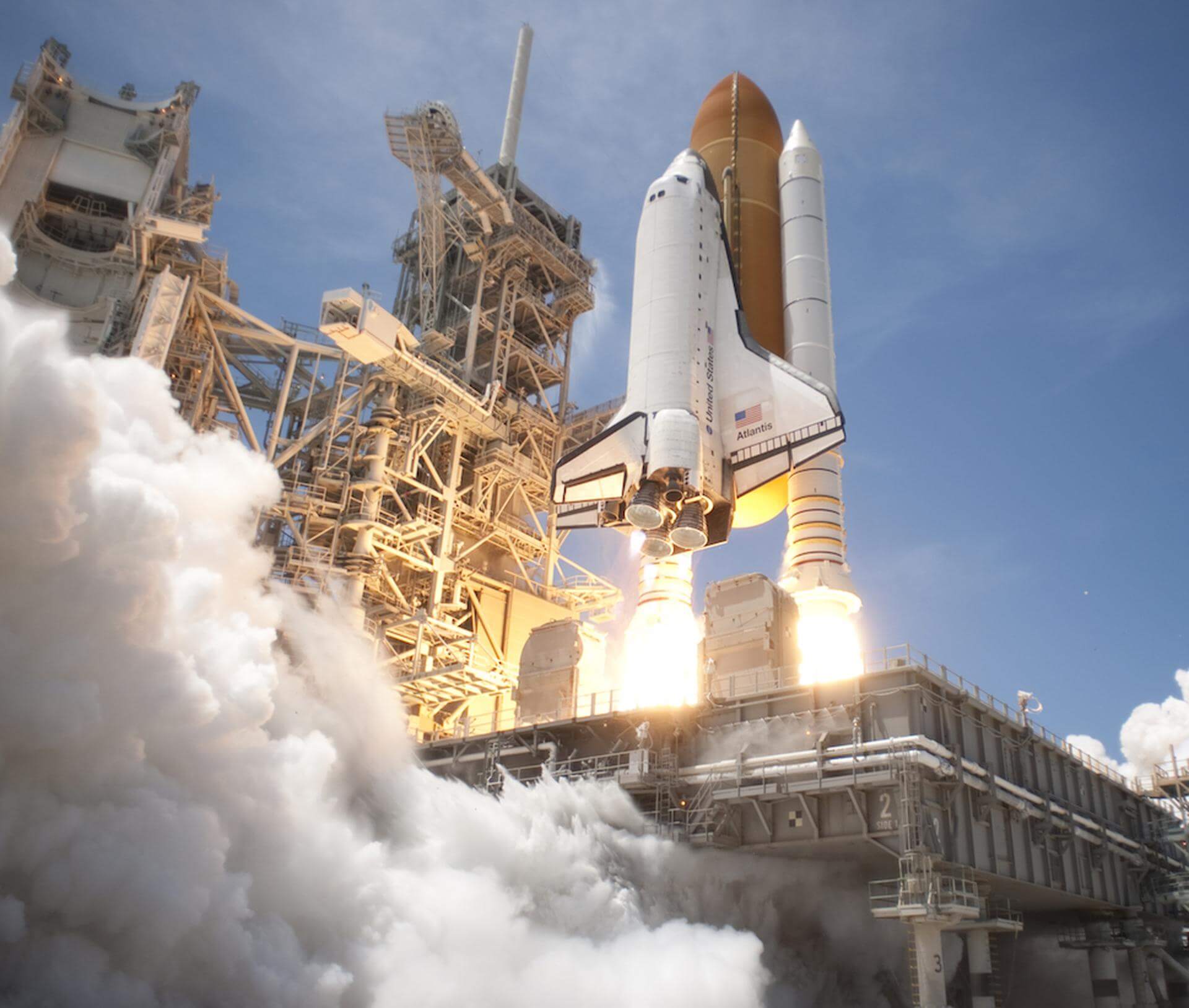
Starlink Powers Air Force One; Pentagon Orders 10,000 Cruise Missiles | KeepTrack Space Brief
Starlink confirmed operational aboard Air Force One over Pacific. Pentagon awards 10,000 low-cost cruise missiles to 4 contractors under new LCCMP program.



Launch Date
December 8, 2025
Launch Site
Launch Pad
LC39A
Launch Vehicle
NORAD ID
66985
International Designator
2025-288AC
Epoch
Sun, 19 Jul 2026 18:26:04 GMT
Apogee
Calculating...
Perigee
Calculating...
Inclination
43.00°
Right Ascension
357.83°
Eccentricity
Calculating...
Argument of Perigee
264.43°
Period
94.27 min
Mean Motion
15.28 rev/day
Latitude
Calculating...
Longitude
Calculating...
Altitude
Calculating...
Velocity
Calculating...
Name
STARLINK-36103
Alternative Name
N/A
Type
Status
Owner
SPXS
Country
United States
Constellation
N/A
Related Satellites
Major Events
N/A
1 66985U 25288AC 26200.76810391 .00006073 00000+0 23003-3 0 9990
2 66985 43.0035 357.8337 0001165 264.4306 95.6413 15.27581729 35480
Source: Celestrak
Length
0.3
Diameter
4.1
Span
29.0
Dry Mass
530
Launch Mass
575
Shape
Box + pan
Radar Cross Section
Unknown
Visual Magnitude
Unknown
Color
Unknown
Material Composition
Unknown
Payload
Starlink Group 6-92-27
Purpose
Unknown
Mission
Unknown
Manufacturer
SPXS
Life Expectancy
Unknown
Bus
Starlink V2MO
Configuration
Unknown
Motor
Unknown
Equipment
Unknown
Power System
Unknown
ADCS
Unknown
Transmitter Frequency
Unknown
Learn more about satellites and other related topics.
Starlink confirmed operational aboard Air Force One over Pacific. Pentagon awards 10,000 low-cost cruise missiles to 4 contractors under new LCCMP program.
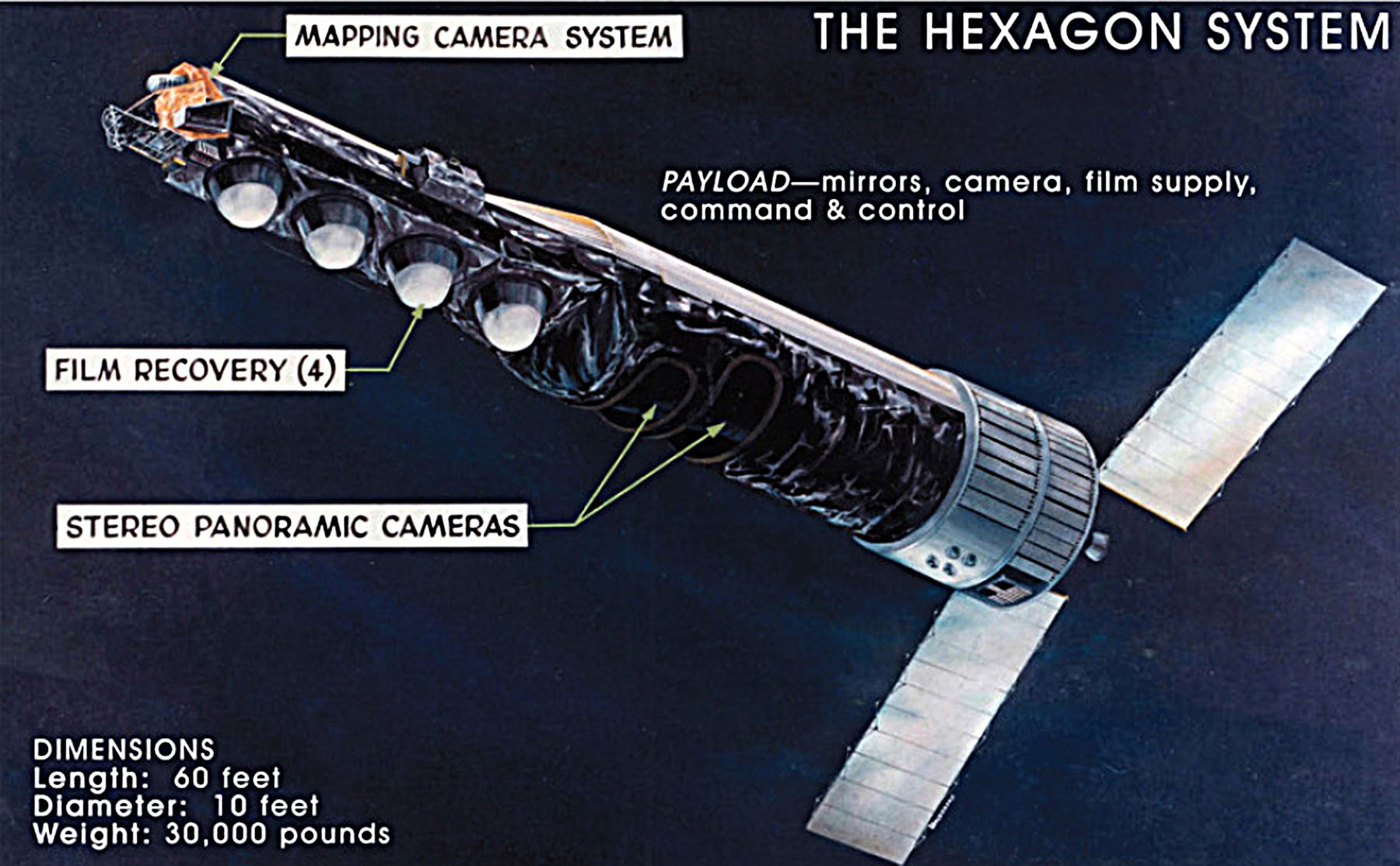
On January 20, 1972, the second KH-9 HEXAGON lifted off from Vandenberg - carrying the most sophisticated reconnaissance system ever built by engineers who weren't allowed to say 'film,' 'camera,' or even talk to each other about what they were doing.
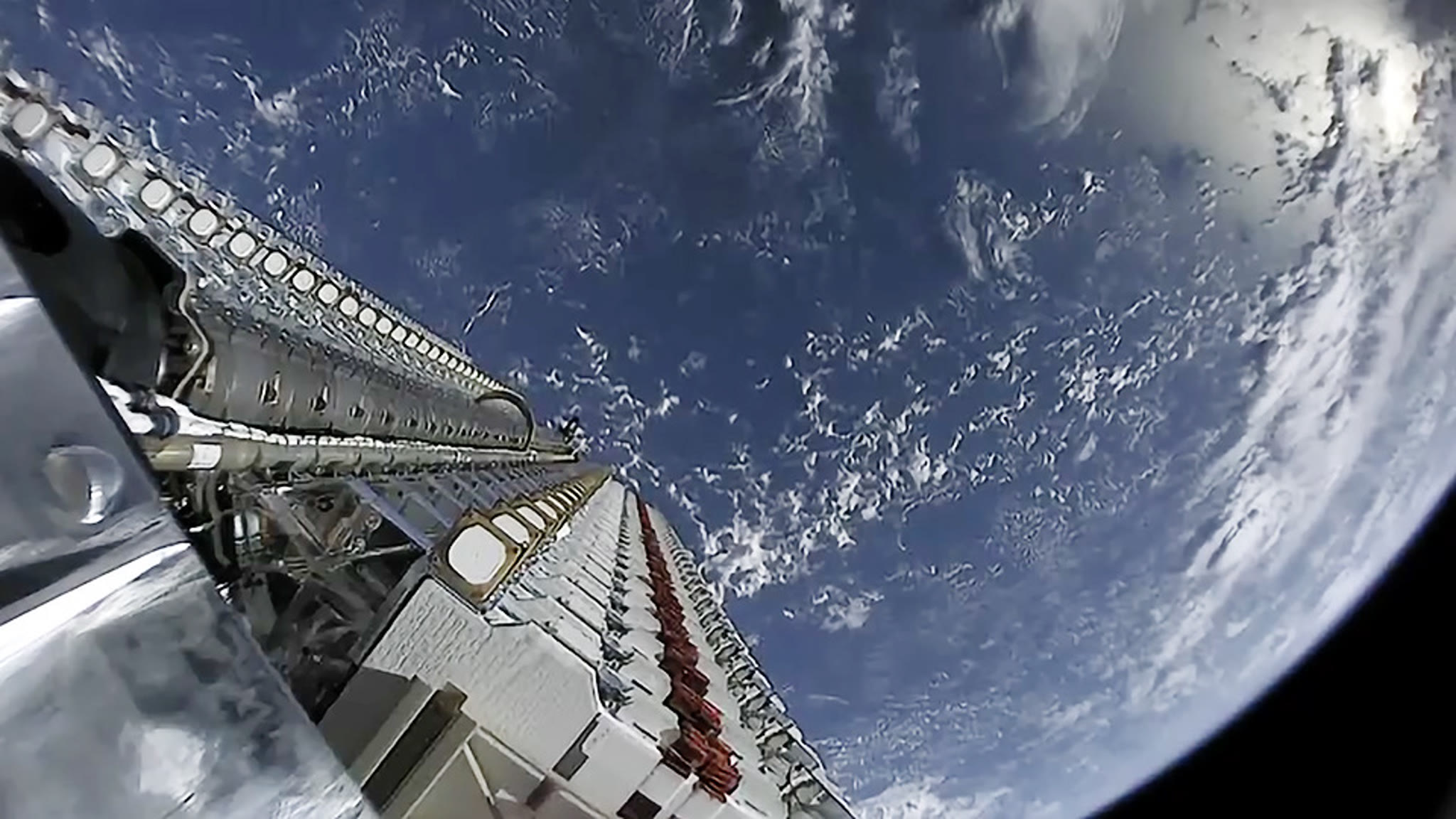
Starlink satellites fired their thrusters to dodge a collision roughly 300,000 times in 2025, about 822 times a day. Behind that number is a fragile, half-automated system of warnings, probabilities, and judgment calls that decides which close approaches are worth a maneuver and which are just noise.

Key developments in space today include significant satellite launches, advancements in space technology, and an exciting crewed suborbital flight. Highlights cover China's satellite internet progress, a promising innovation for solar cells, and recent SpaceX and Blue Origin activities.

SpaceX gains regulatory approval for a new Starship test flight, further expands its role in U.S. defense, and successfully launches 26 additional Starlink satellites. United Airlines also rolls out Starlink Wi-Fi on its flights.

Today's brief covers key topics such as SpaceX's latest Starlink launch, the European Space Agency's new initiatives, and Space Force's integration of AI into its operations.
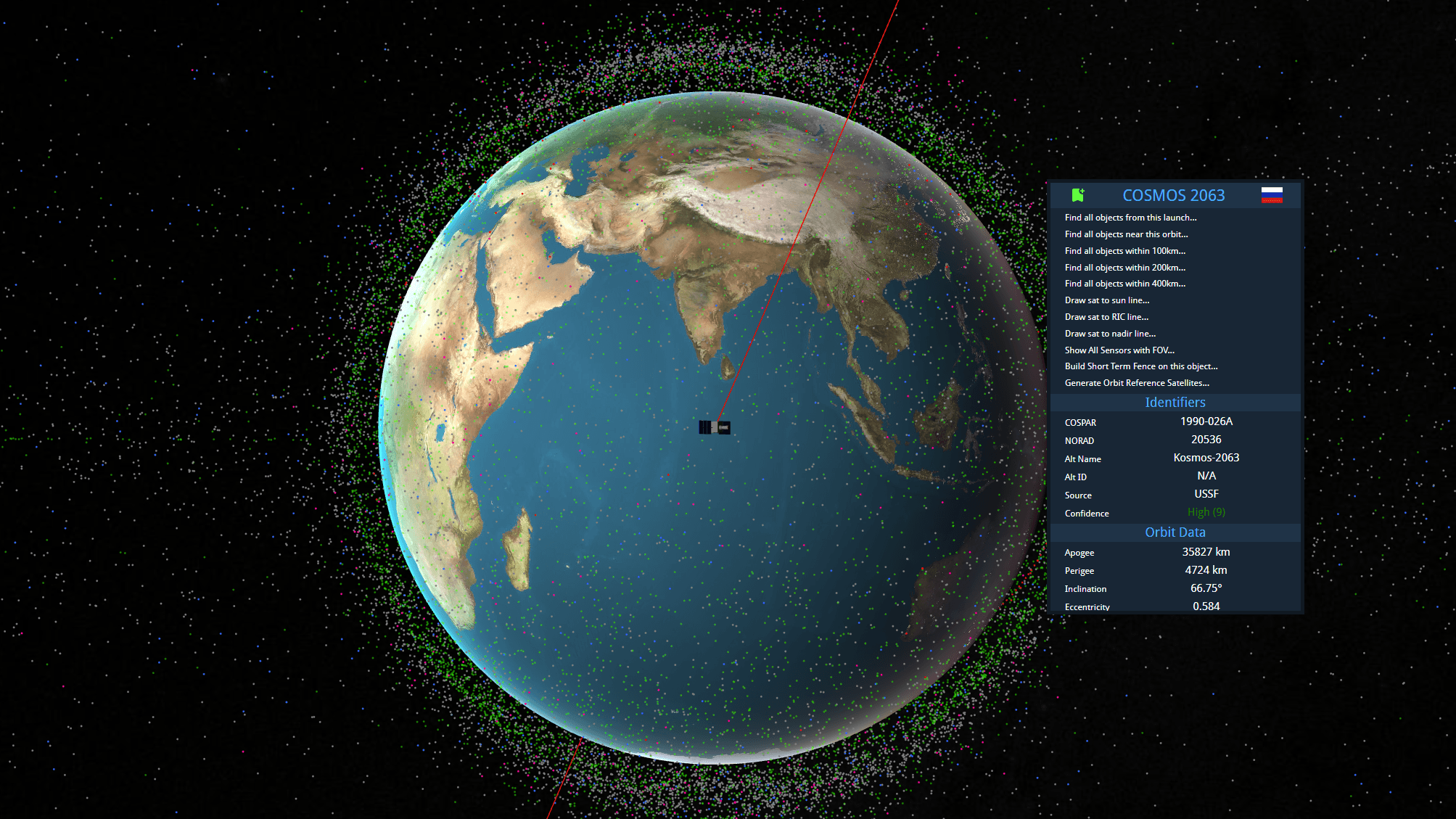
Today's Space Brief explores new satellite launches, significant reentries, funding milestones, and critical policy updates.

Today's space brief highlights the U.S. Space Force's new satellite naming scheme, the Air Force Secretary's warnings on China's space advances, BAE Systems' DARPA award, strategies for future space defense, the importance of GEO satellite refueling, and Blue Origin's plans for Space Force certification.