


X Report 24 Dec 2024
SpaceX advances with Bandwagon-2 mission, gains approval for Starship Flight 7, and continues Starlink expansion.



Launch Date
December 8, 2025
Launch Site
Launch Pad
LC39A
Launch Vehicle
NORAD ID
66968
International Designator
2025-288K
Epoch
Mon, 20 Jul 2026 06:51:55 GMT
Apogee
Calculating...
Perigee
Calculating...
Inclination
43.00°
Right Ascension
354.85°
Eccentricity
Calculating...
Argument of Perigee
248.07°
Period
94.27 min
Mean Motion
15.28 rev/day
Latitude
Calculating...
Longitude
Calculating...
Altitude
Calculating...
Velocity
Calculating...
Name
STARLINK-36152
Alternative Name
N/A
Type
Status
Owner
SPXS
Country
United States
Constellation
N/A
Related Satellites
Major Events
N/A
1 66968U 25288K 26201.28605536 .00012315 00000+0 45614-3 0 9990
2 66968 43.0015 354.8475 0001227 248.0727 111.9994 15.27591259 35567
Source: Celestrak
Length
0.3
Diameter
4.1
Span
29.0
Dry Mass
530
Launch Mass
575
Shape
Box + pan
Radar Cross Section
Unknown
Visual Magnitude
Unknown
Color
Unknown
Material Composition
Unknown
Payload
Starlink Group 6-92-10
Purpose
Unknown
Mission
Unknown
Manufacturer
SPXS
Life Expectancy
Unknown
Bus
Starlink V2MO
Configuration
Unknown
Motor
Unknown
Equipment
Unknown
Power System
Unknown
ADCS
Unknown
Transmitter Frequency
Unknown
Learn more about satellites and other related topics.
SpaceX advances with Bandwagon-2 mission, gains approval for Starship Flight 7, and continues Starlink expansion.
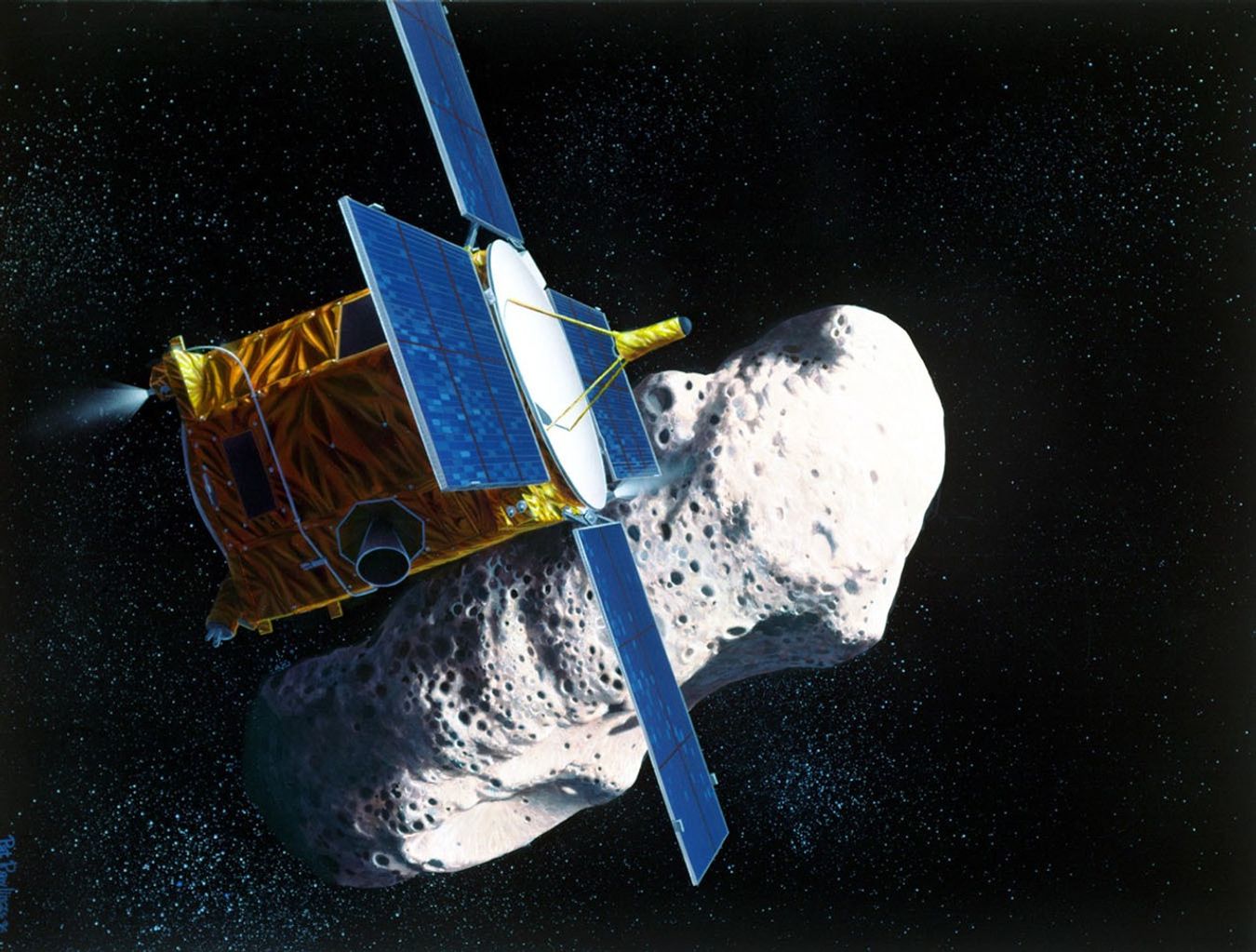
Twenty-four years ago, a spacecraft designed only to orbit made history with an improvised landing on asteroid Eros, marking humanitys first controlled touchdown on a small celestial body
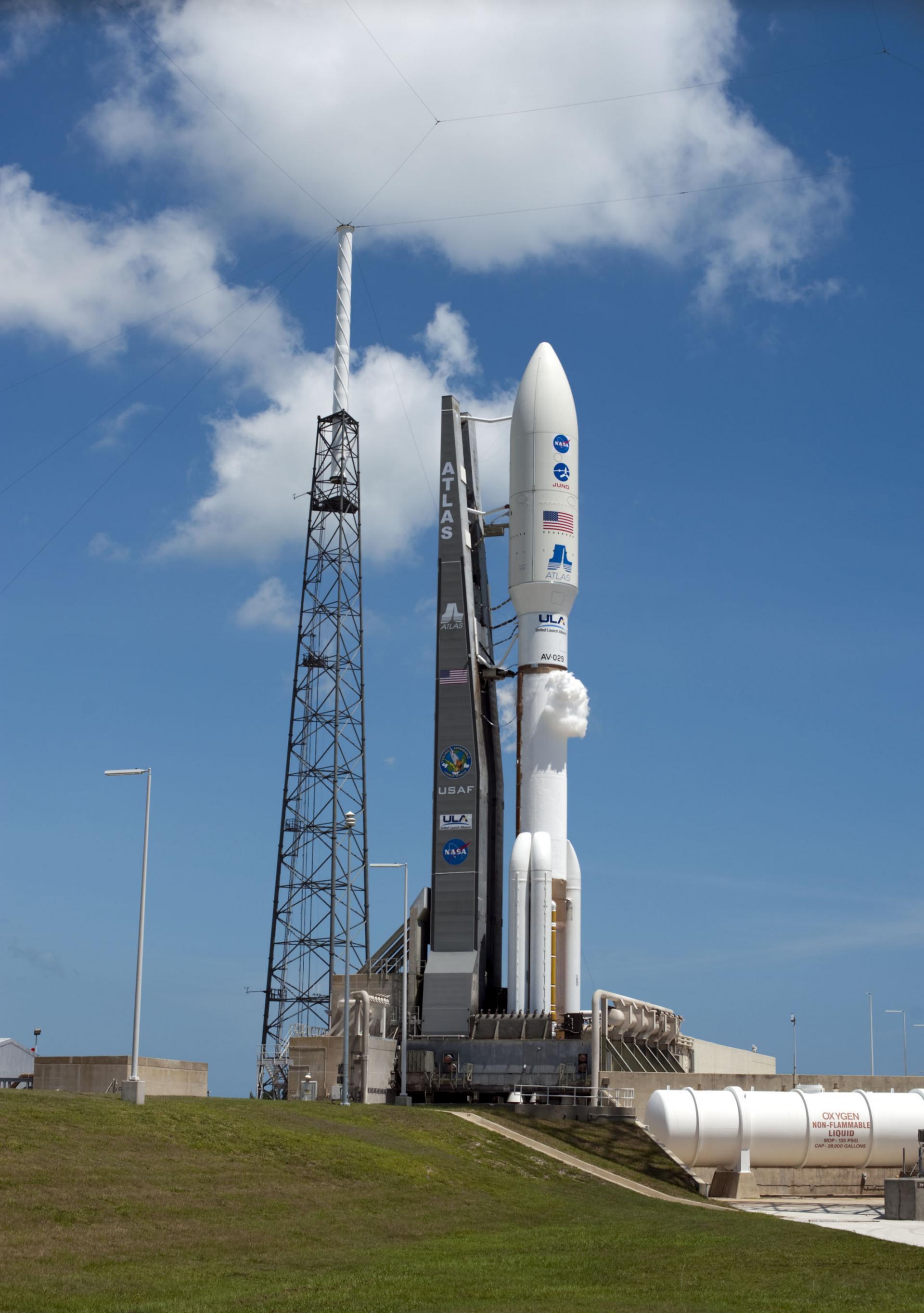
Today's briefing covers space-based missile defense, AI maritime surveillance, and new governmental shifts impacting the defense sector.
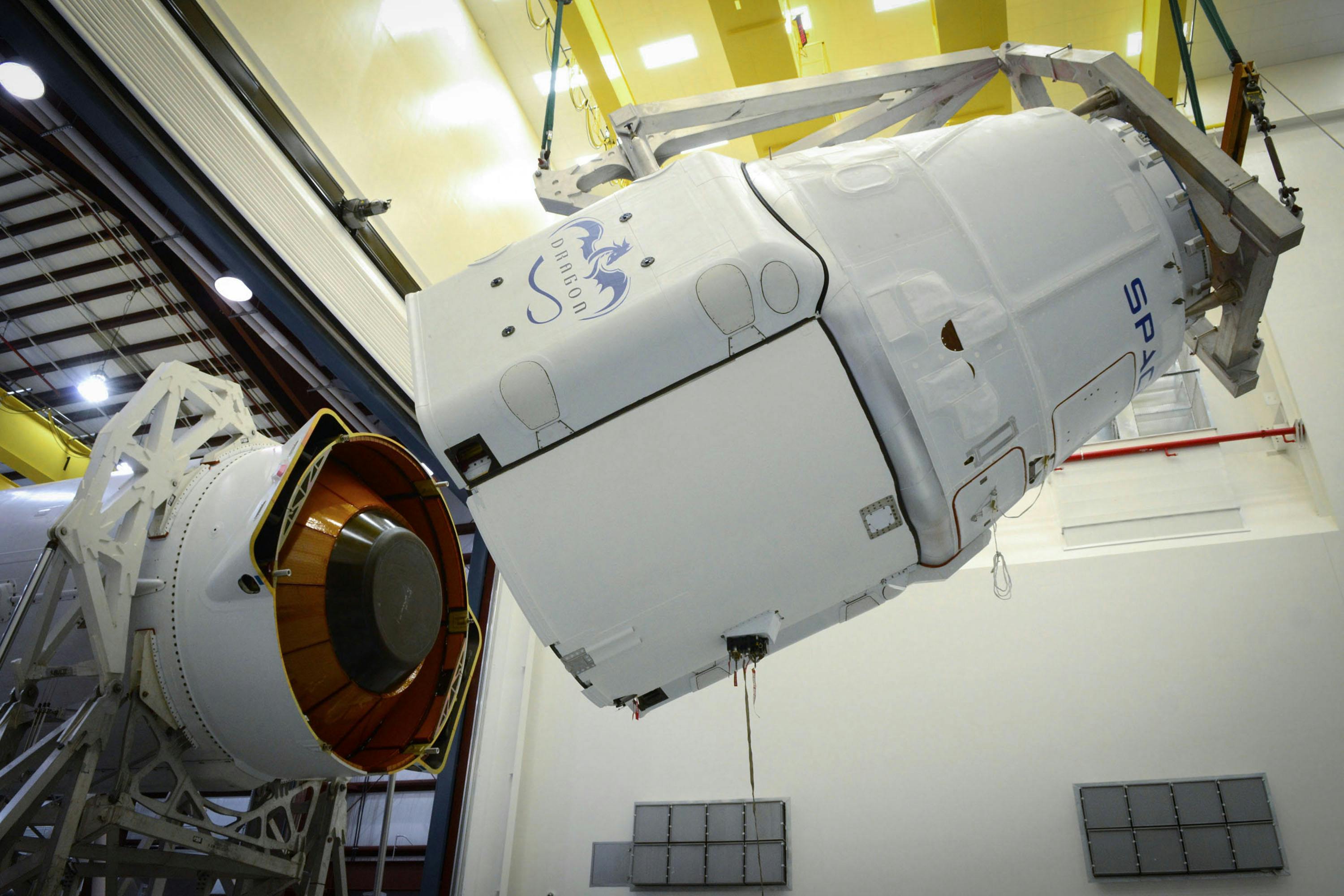
SpaceX continues its ambitious satellite deployment schedule with two successful Starlink launches in just 24 hours, enhancing global connectivity.

How a catastrophic fire in 1967 fundamentally altered NASA's approach to human spaceflight and continues to influence modern spacecraft design
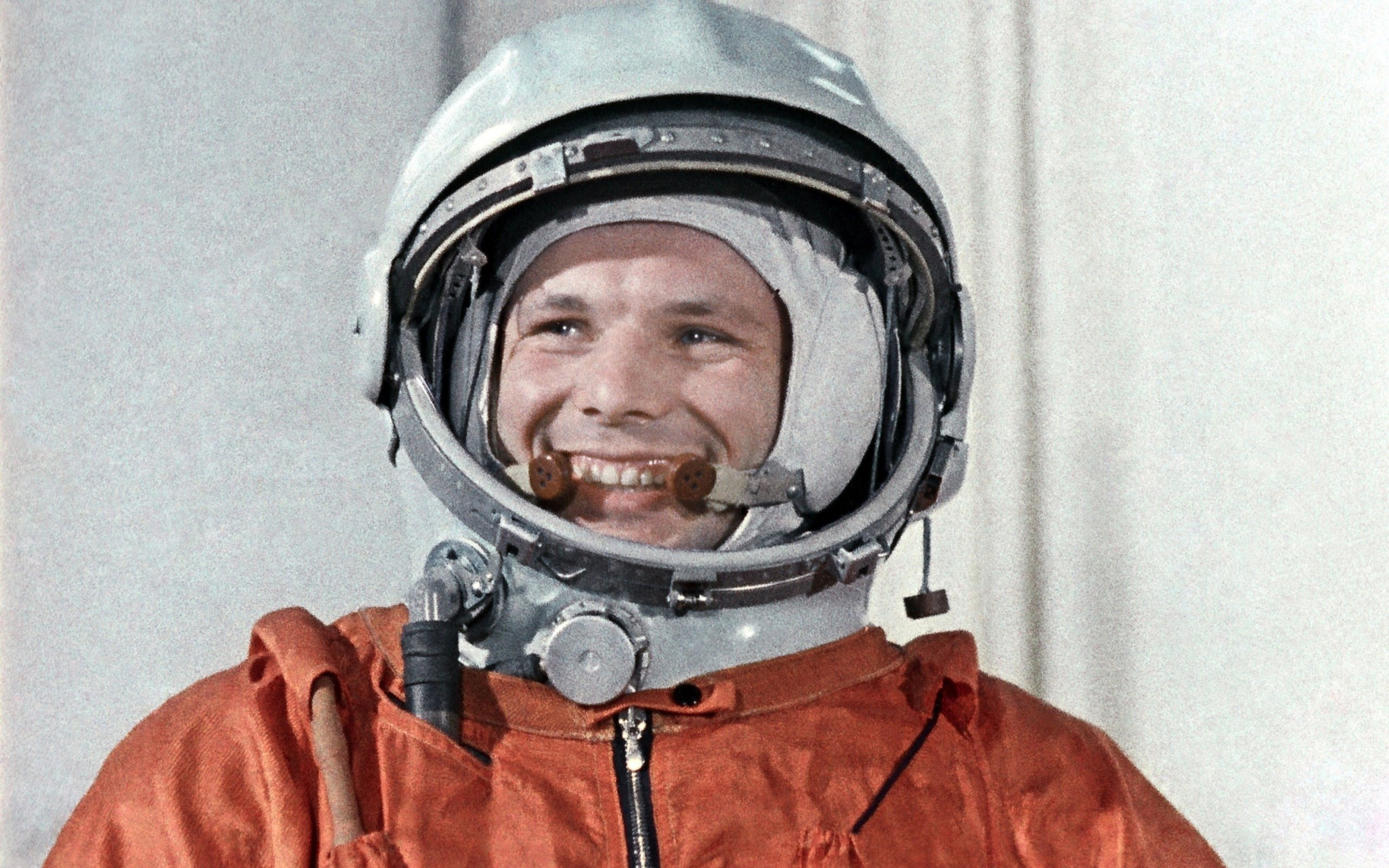
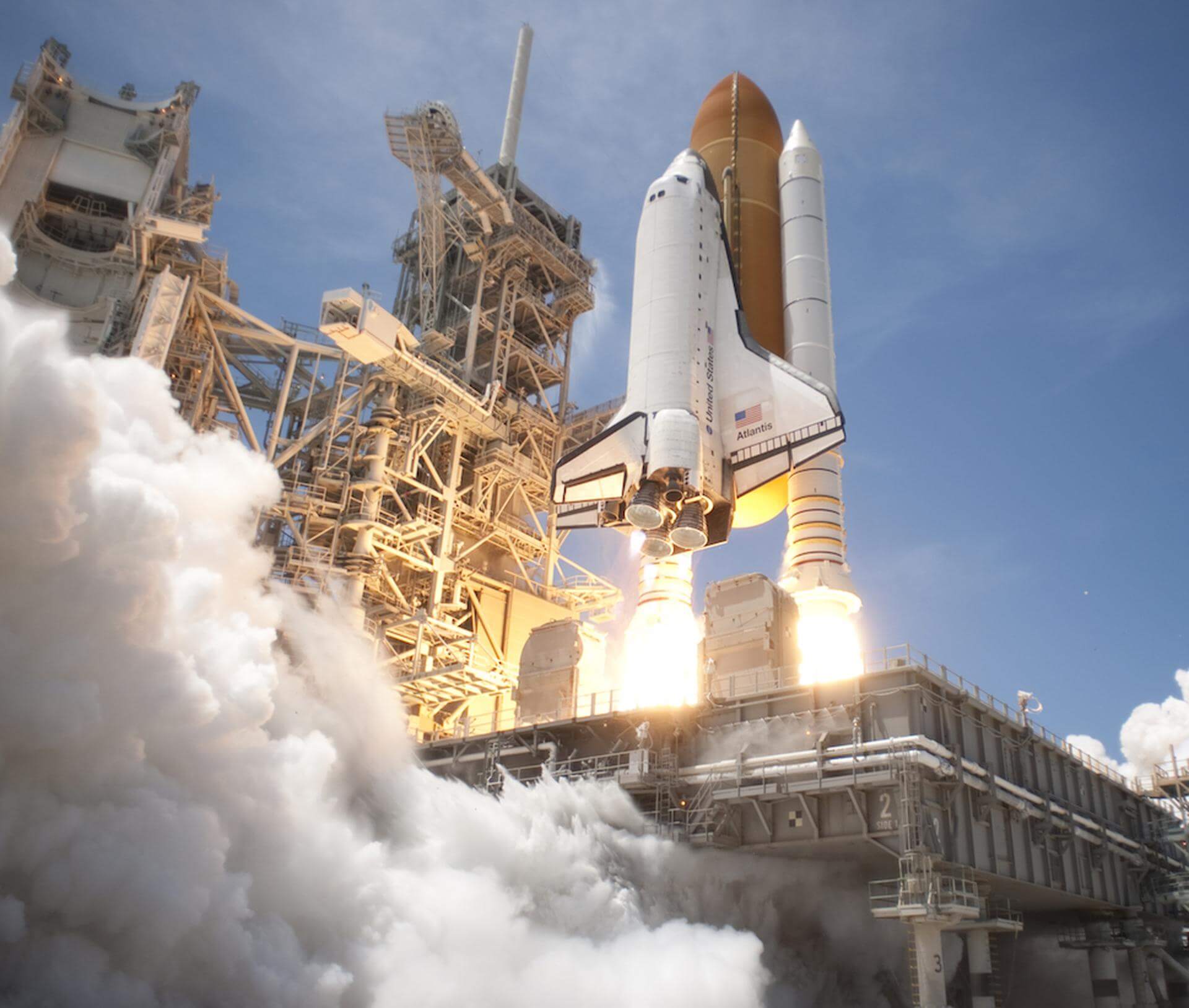
On April 12, 1961, a 27-year-old Soviet pilot rode a modified ICBM into orbit and came back alive after 108 minutes. Exactly twenty years later, two Americans climbed aboard an untested spacecraft covered in 31,000 ceramic tiles and bet their lives that the math was right.

Northrop Grumman's GEM 63XL solid rocket booster passed static fire testing, but ULA's investigation into a February 2026 Vulcan in-flight anomaly remains open. No RTF date set.
U.S. Space Force increased Andromeda contract ceiling to $6.2 billion for next-generation space situational awareness satellites replacing GSSAP and SILENTBARKER programs.