


Space Brief 5 Dec 2025
Focusing on military satellite initiatives, defense strategies, and advancements in air and cyber capabilities


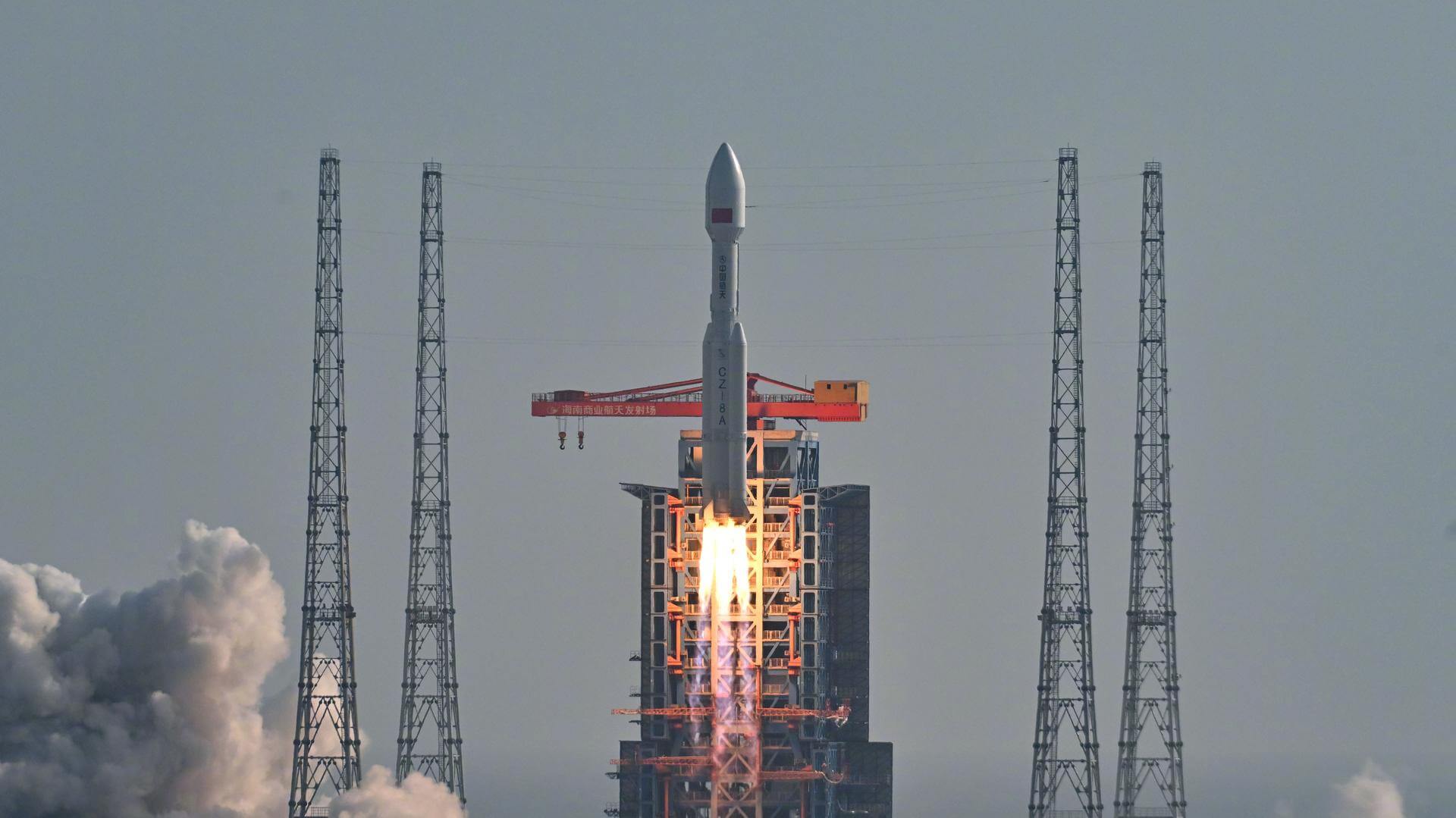
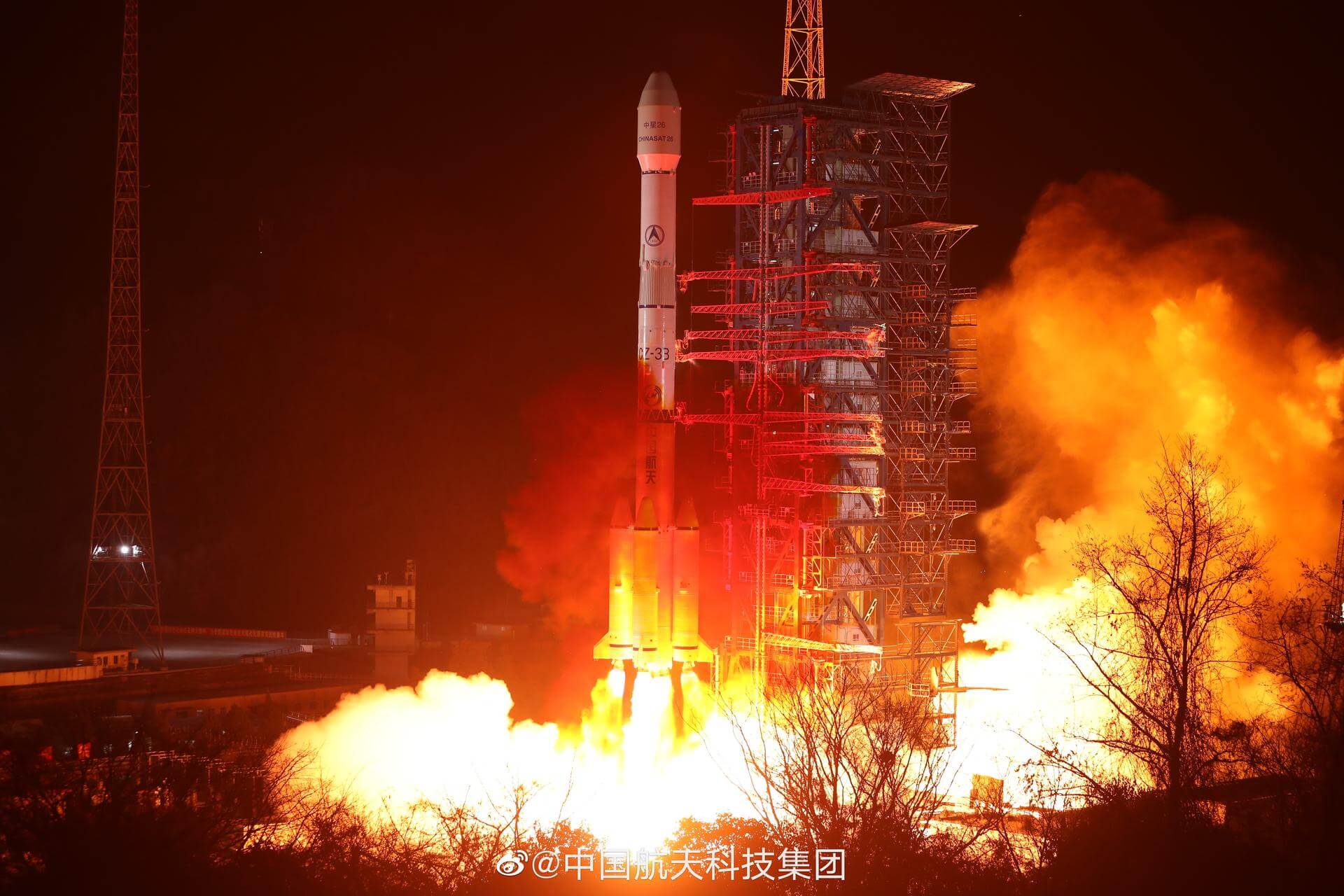
Launch Date
December 6, 2025
Launch Site
WSC
Launch Pad
LC1
Launch Vehicle
Chang Zheng 8A
NORAD ID
66916
International Designator
2025-285B
Epoch
Sun, 19 Jul 2026 19:05:43 GMT
Apogee
Calculating...
Perigee
Calculating...
Inclination
50.01°
Right Ascension
29.22°
Eccentricity
Calculating...
Argument of Perigee
48.61°
Period
108.33 min
Mean Motion
13.29 rev/day
Latitude
Calculating...
Longitude
Calculating...
Altitude
Calculating...
Velocity
Calculating...
Name
HULIANWANG DIGUI-106
Alternative Name
N/A
Type
Status
Owner
ZXW
Country
China
Constellation
N/A
Related Satellites
Major Events
N/A
1 66916U 25285B 26200.79563867 -.00000106 00000+0 38305-4 0 9991
2 66916 50.0072 29.2194 0000968 48.6099 311.4856 13.29323260 30394
Source: Celestrak
Apologies, there is no summary for this satellite yet. I am working to generate these for every object in the catalog, but it is going to take time.
Length
3.0
Diameter
1.0
Span
10.0
Dry Mass
700
Launch Mass
700
Shape
Box + 2 Pan
Radar Cross Section
Unknown
Visual Magnitude
Unknown
Color
Unknown
Material Composition
Unknown
Payload
Xingwang Digui 14-02
Purpose
Unknown
Mission
Unknown
Manufacturer
CAST
Life Expectancy
Unknown
Bus
Xingwang C
Configuration
Unknown
Motor
Unknown
Equipment
Unknown
Power System
Unknown
ADCS
Unknown
Transmitter Frequency
Unknown
Learn more about satellites and other related topics.
Focusing on military satellite initiatives, defense strategies, and advancements in air and cyber capabilities

SpaceX gains regulatory approval for a new Starship test flight, further expands its role in U.S. defense, and successfully launches 26 additional Starlink satellites. United Airlines also rolls out Starlink Wi-Fi on its flights.

Today's highlights include SpaceX's rapid Starlink launches, insights into China's Mars sample return mission, and ULA's future launch plans. Also, a new Space Force general takes the reins of the U.S. missile defense program.
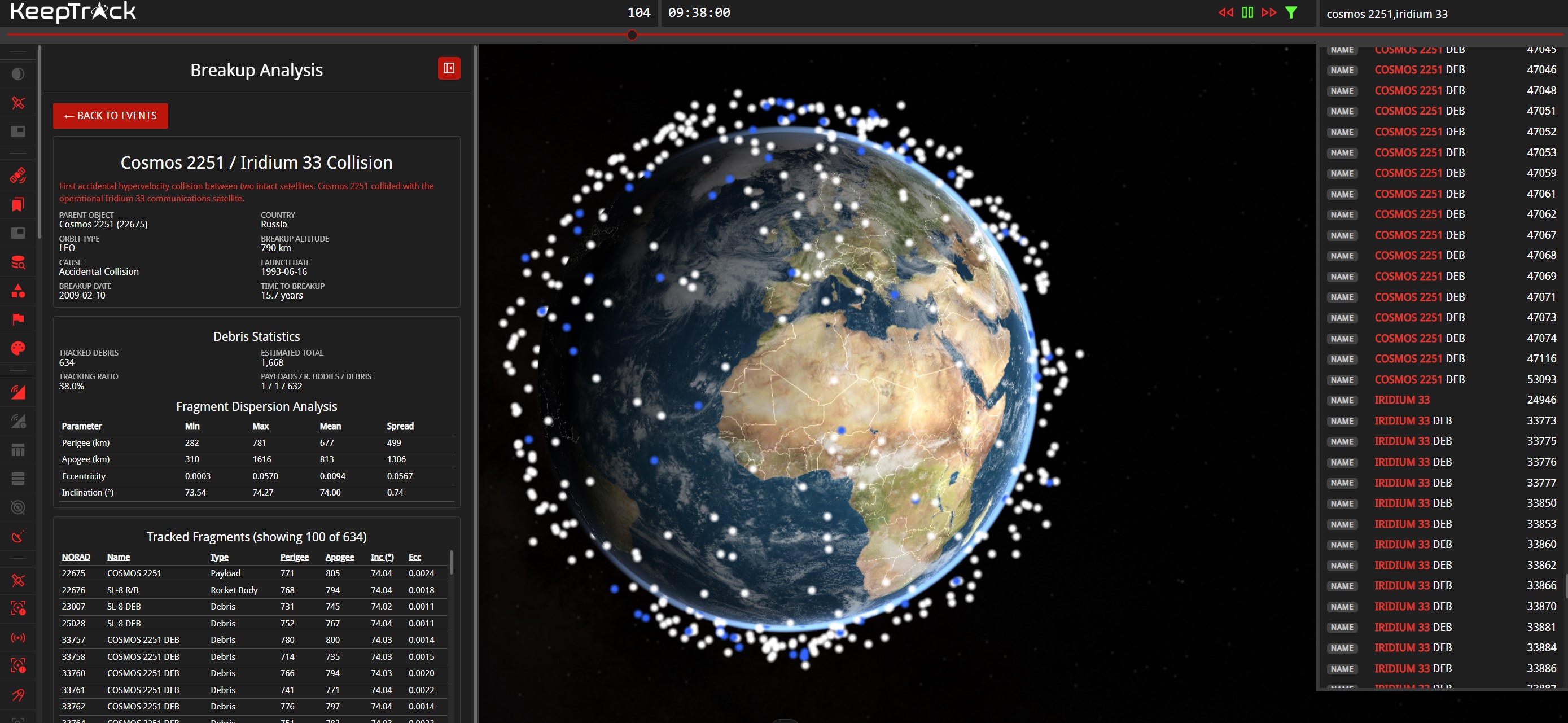
On February 10, 2009, an active Iridium communications satellite and a derelict Soviet military spacecraft slammed into each other 789 kilometers above Siberia. The collision produced more than 2,300 pieces of trackable debris that are still up there. Seventeen years later, the Iridium-Cosmos collision remains the event that made space debris a policy problem the world could no longer ignore.
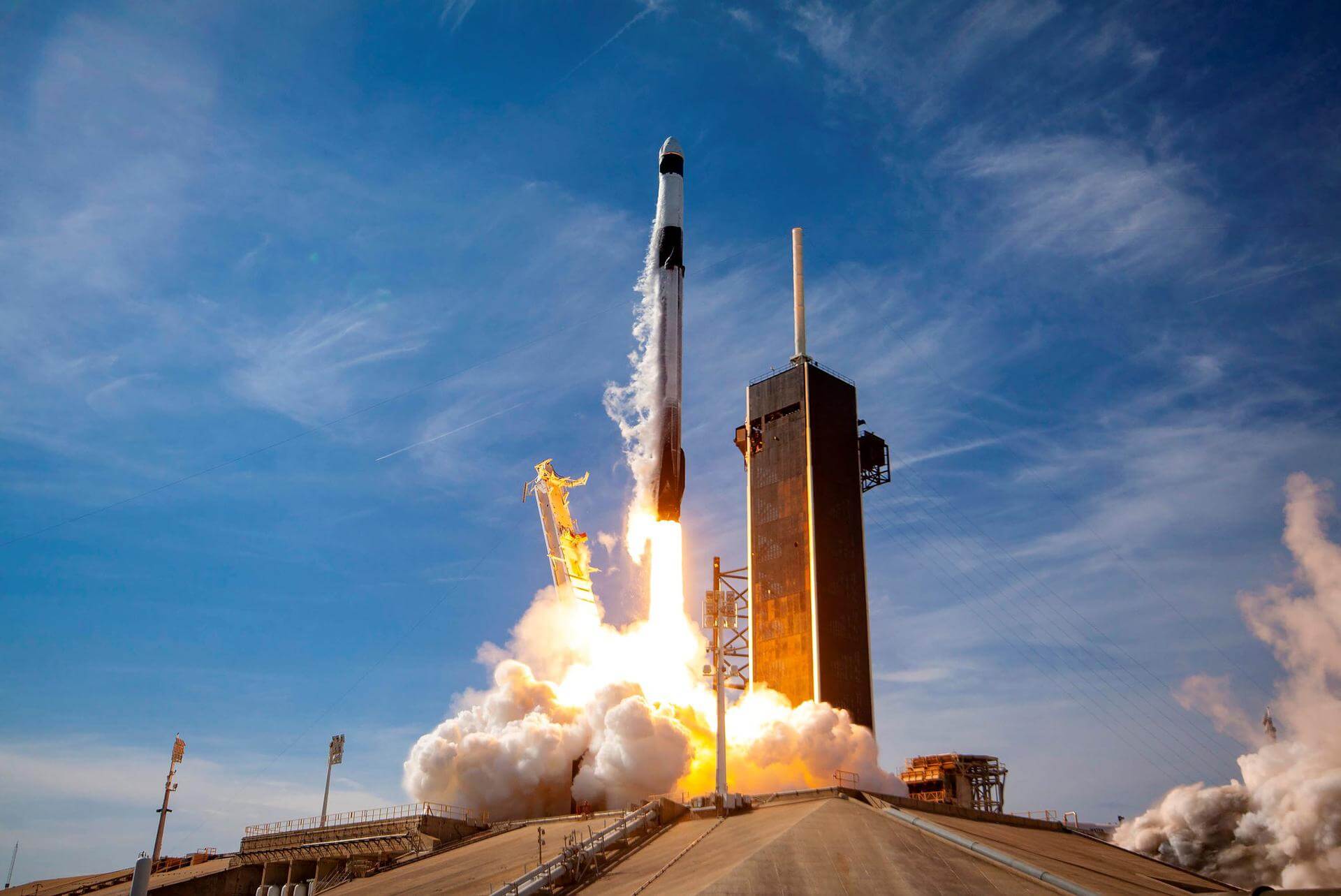
NRO awards three commercial satellite contracts, expanding scope to dynamic military target tracking. Former NASA chief Bridenstine joins Quantum Space for cislunar operations.
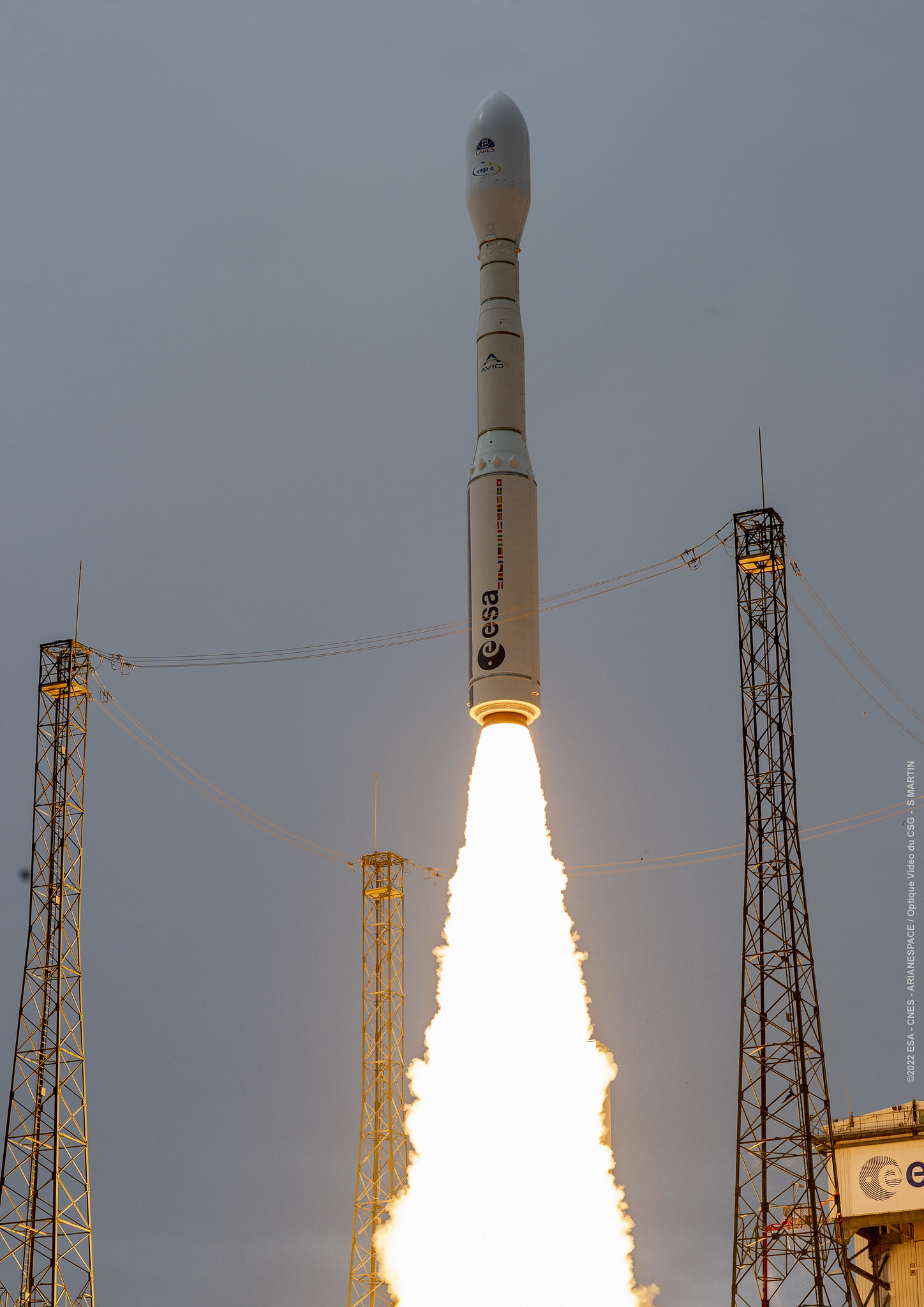
Today's brief covers South Korea's fourth spy satellite launch, potential changes in drone deployment strategies by the US Air Force, and the largest-ever spectrum-sharing demonstration set by the Pentagon.
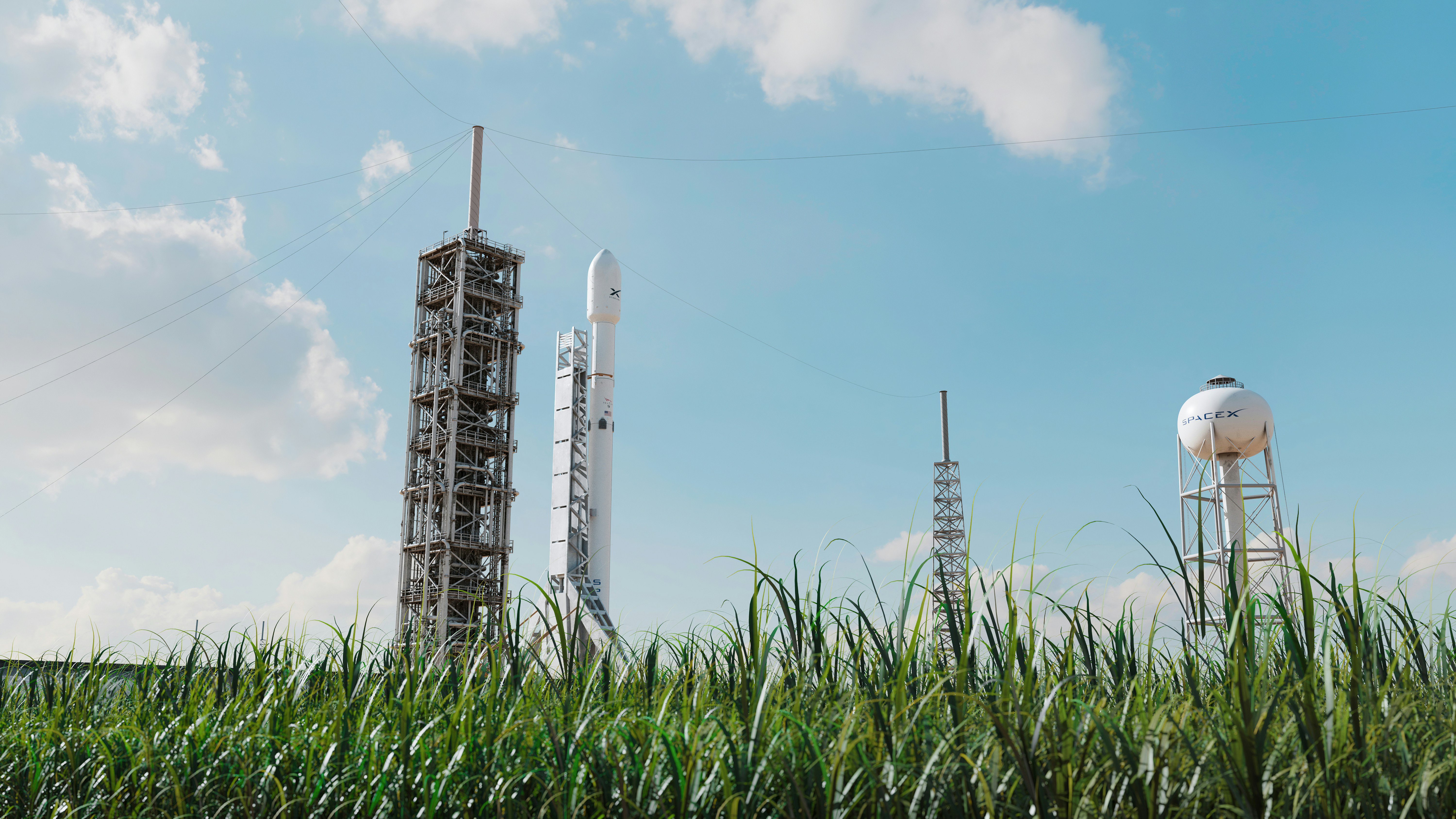
SpaceX embraces community support during Hurricane Melissa while advancing its Starbase infrastructure and launching more Starlink satellites.

Today's space brief highlights the U.S. Space Force's new satellite naming scheme, the Air Force Secretary's warnings on China's space advances, BAE Systems' DARPA award, strategies for future space defense, the importance of GEO satellite refueling, and Blue Origin's plans for Space Force certification.