


Space Brief 7 Apr 2025
Today's highlights include new ESA Euclid data, upcoming Blue Origin flight, and multiple Starlink launches, delivering fresh satellite tracking opportunities.


Launch Date
September 28, 1963
Launch Site
AFWTR
Launch Pad
75-1-1
Launch Vehicle
Thor Ablestar
NORAD ID
00669
International Designator
1963-038A
Epoch
Sat, 04 Jul 2026 03:29:39 GMT
Apogee
Calculating...
Perigee
Calculating...
Inclination
89.98°
Right Ascension
334.14°
Eccentricity
Calculating...
Argument of Perigee
69.86°
Period
106.97 min
Mean Motion
13.46 rev/day
Latitude
Calculating...
Longitude
Calculating...
Altitude
Calculating...
Velocity
Calculating...
Name
THOR ABLESTAR R/B
Alternative Name
Ablestar 013
Type
Status
Owner
AFSSD
Country
United States
Constellation
N/A
Related Satellites
Major Events
N/A
1 00669U 63038A 26185.14559041 .00000028 00000-0 30242-4 0 9997
2 00669 89.9753 334.1403 0028089 69.8625 104.0625 13.46133524 81981
Source: Celestrak
Length
4.8
Diameter
1.4
Span
4.8
Dry Mass
600
Launch Mass
670
Shape
Cyl
Radar Cross Section
3.2528
Visual Magnitude
Unknown
Color
Unknown
Material Composition
Unknown
Payload
AJ10-104D 013
Purpose
Unknown
Mission
Unknown
Manufacturer
AJ
Life Expectancy
Unknown
Bus
Ablestar
Configuration
Unknown
Motor
Unknown
Equipment
Unknown
Power System
Unknown
ADCS
Unknown
Transmitter Frequency
Unknown
Learn more about satellites and other related topics.
Today's highlights include new ESA Euclid data, upcoming Blue Origin flight, and multiple Starlink launches, delivering fresh satellite tracking opportunities.
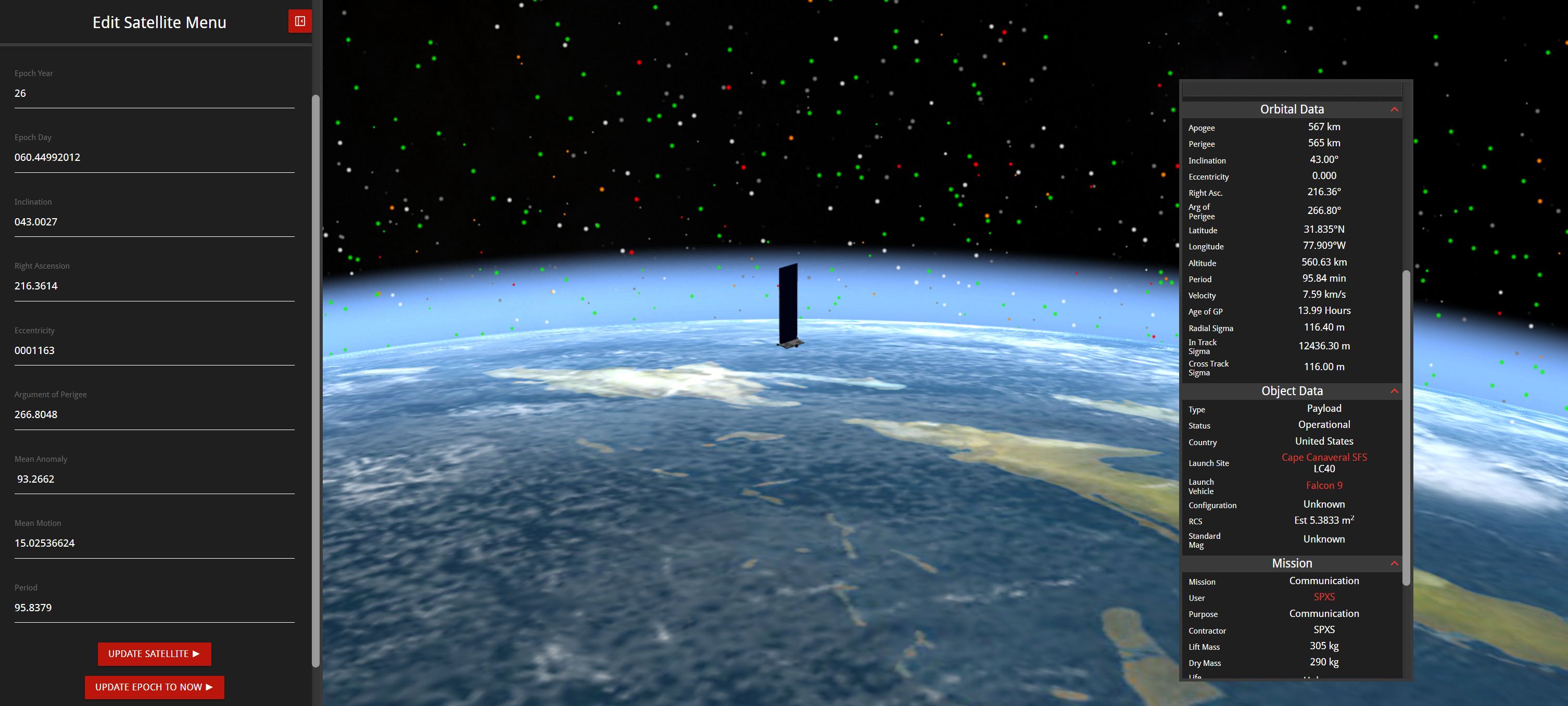
The compact data format that describes every tracked satellite orbit in just two lines of text, and how to read it
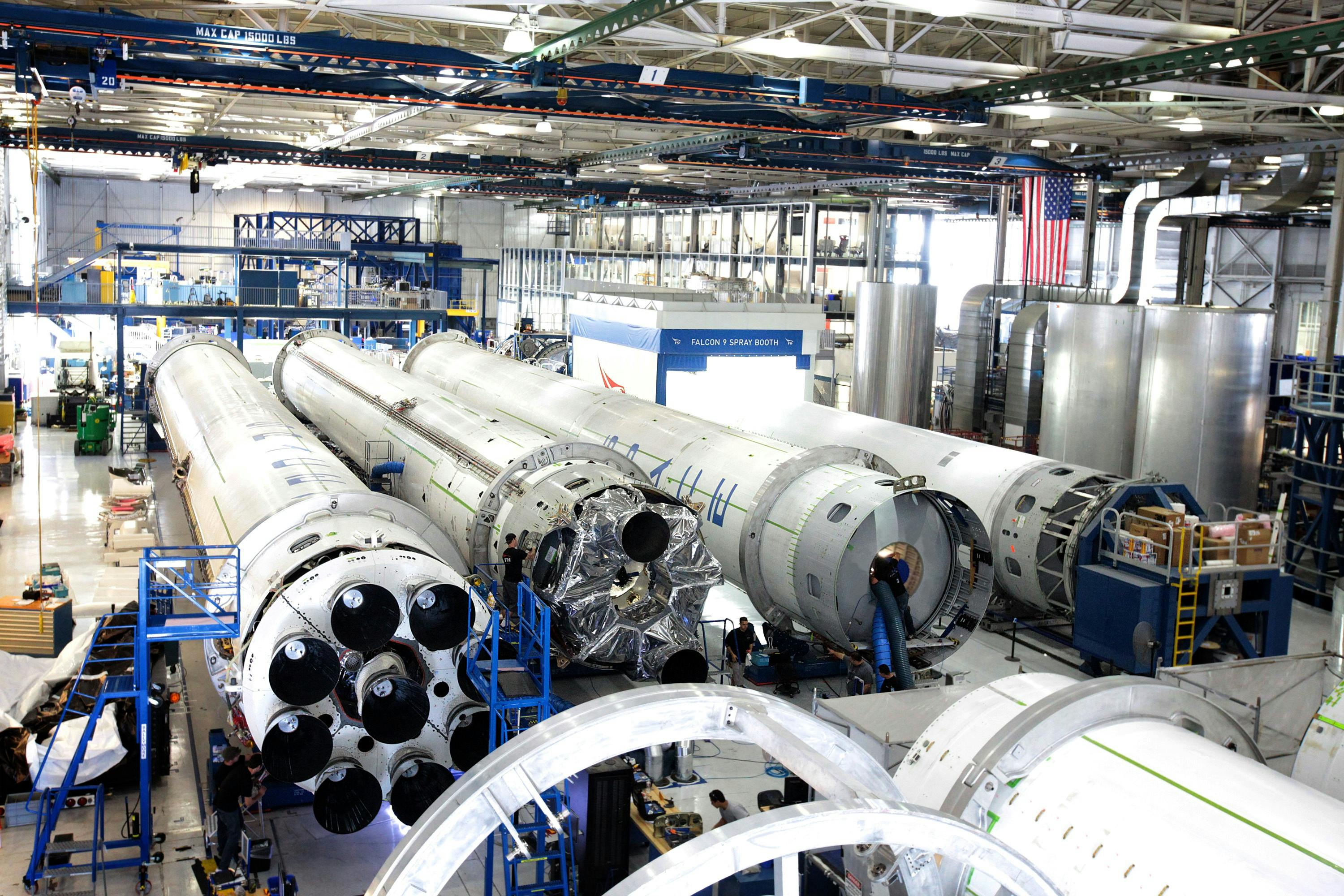
SpaceX achieves a new milestone with a Falcon 9 landing near The Bahamas, closely following Rocket Lab's successful satellite launch.
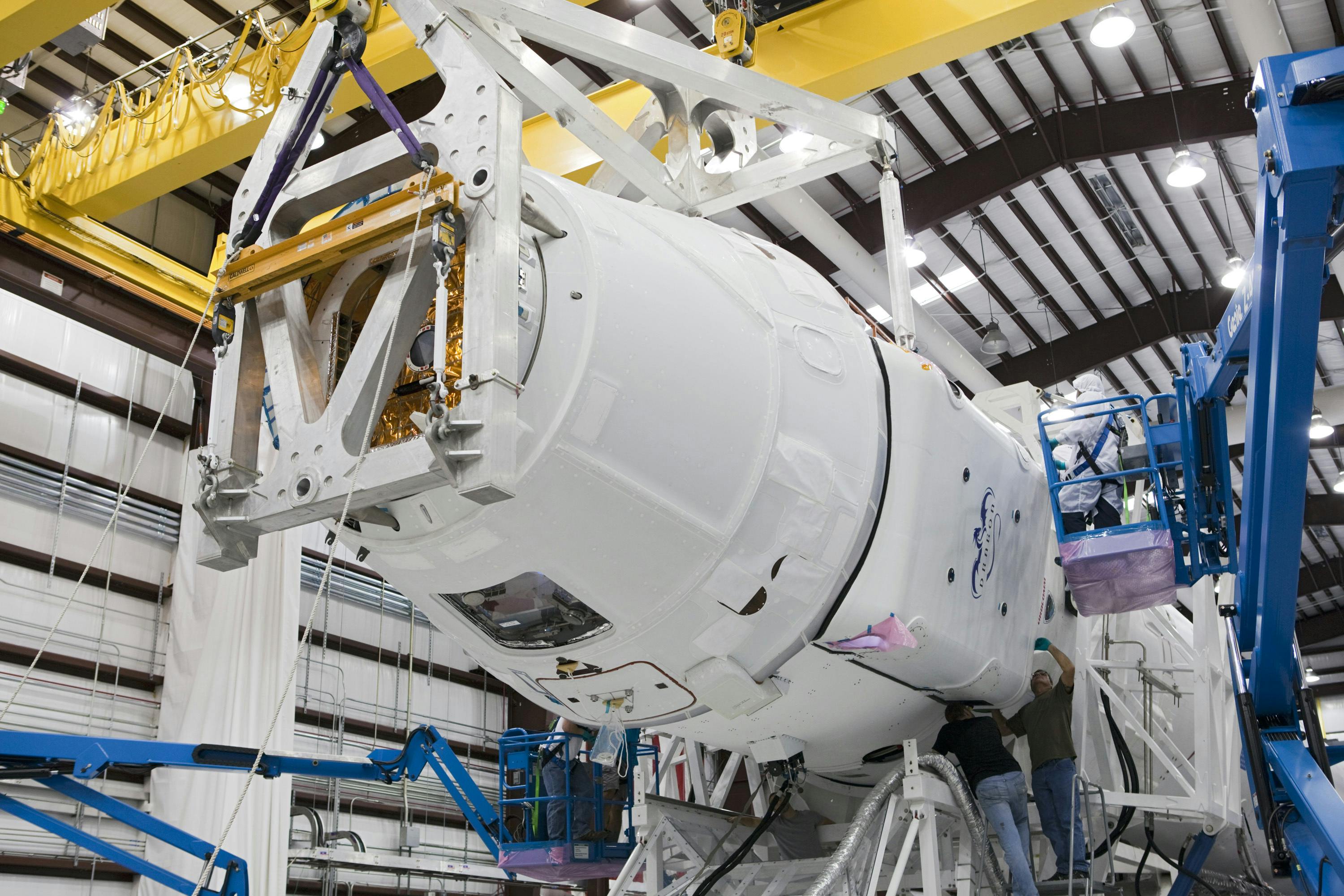
SpaceX prepares for its 100th Starlink launch while refining its lunar lander design for NASA's Artemis program amidst calls for architectural changes.

SpaceX conducted significant test firings and further expanded its satellite fleet, while the EU scrutinizes Starlink's market impact amid ongoing space industry negotiations.

SpaceX launches diabetes research mission to ISS; EU considers SES for Starlink support; Amazon's Kuiper enters satellite race.
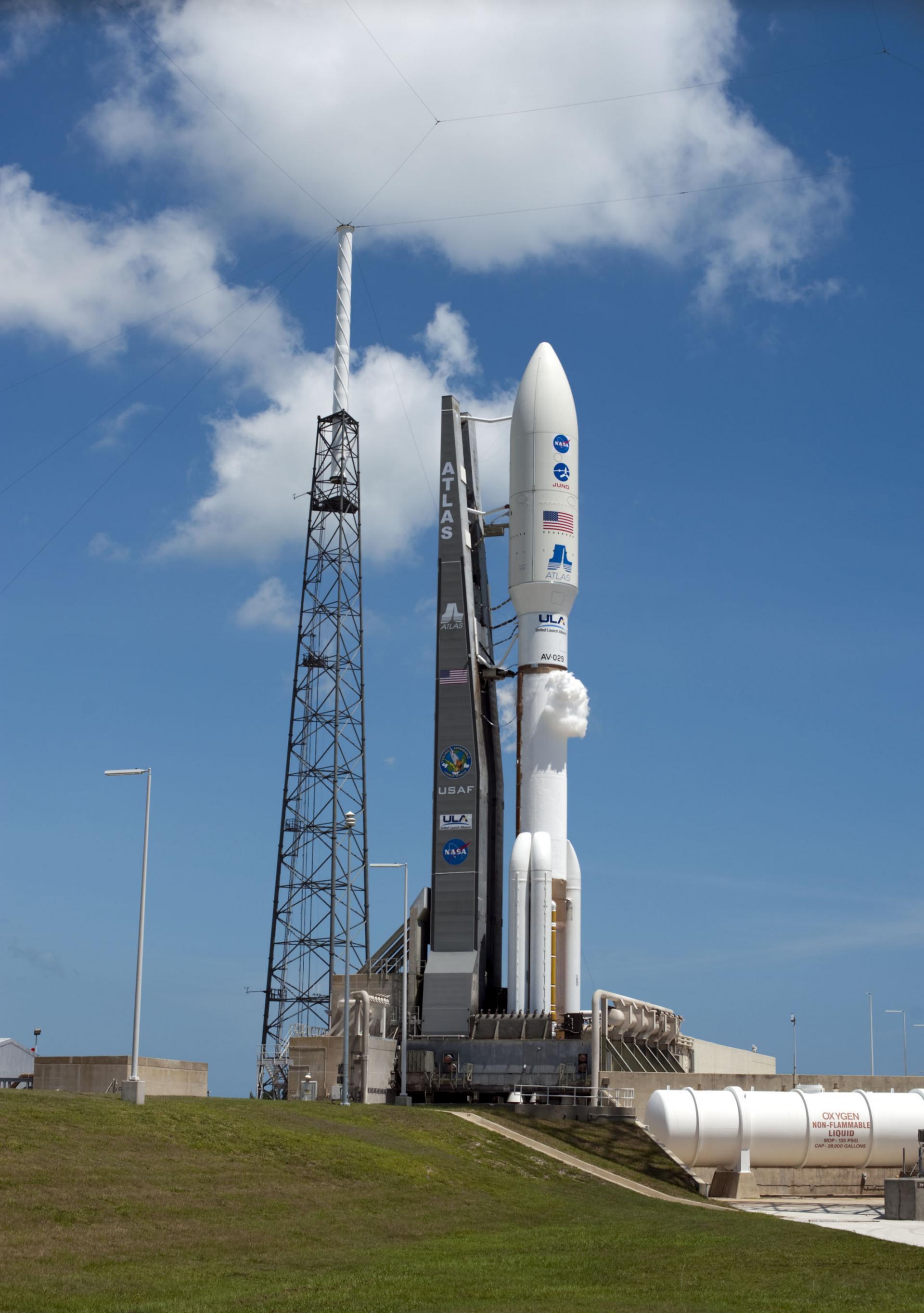
Today's coverage includes China's recent satellite launch, the Space Force's challenges with current tracking capabilities, and advancements in nuclear propulsion from Ohio State.
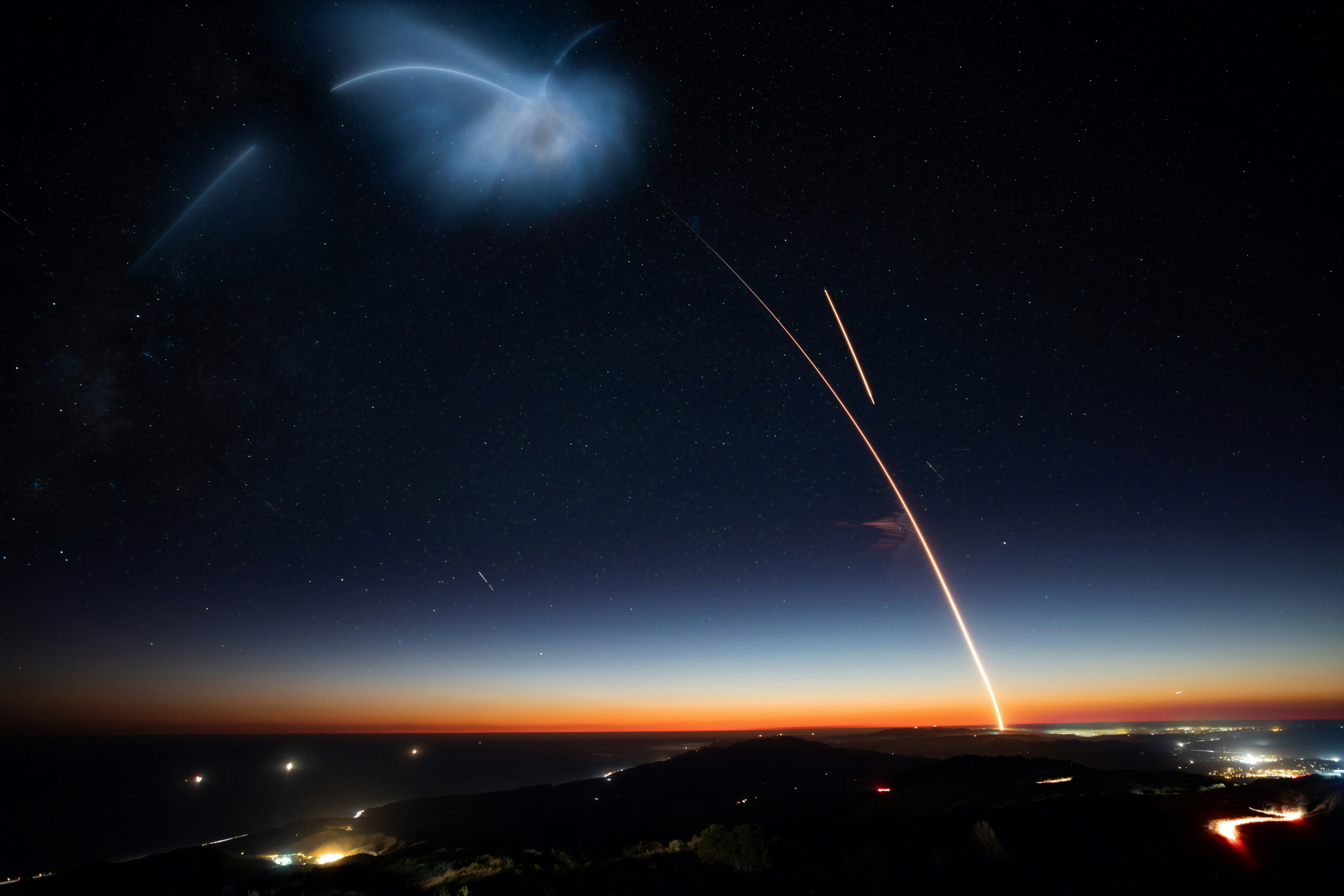
In a landmark achievement, SpaceX celebrated its 500th Falcon 9 launch by deploying 27 Starlink satellites while simultaneously advancing its reuse strategy with record-breaking milestones.