


Space Brief 7 Apr 2025
Today's highlights include new ESA Euclid data, upcoming Blue Origin flight, and multiple Starlink launches, delivering fresh satellite tracking opportunities.



NORAD ID
66836
International Designator
2025-280R
Epoch
Mon, 20 Jul 2026 04:17:21 GMT
Apogee
Calculating...
Perigee
Calculating...
Inclination
70.00°
Right Ascension
0.32°
Eccentricity
Calculating...
Argument of Perigee
262.49°
Period
96.11 min
Mean Motion
14.98 rev/day
Latitude
Calculating...
Longitude
Calculating...
Altitude
Calculating...
Velocity
Calculating...
Name
STARLINK-35838
Alternative Name
N/A
Type
Status
Owner
SPXS
Country
United States
Constellation
N/A
Related Satellites
Major Events
N/A
1 66836U 25280R 26201.17871654 .00002044 00000+0 17901-3 0 9996
2 66836 70.0024 0.3194 0002926 262.4917 97.5910 14.98334409 35926
Source: Celestrak
Length
0.3
Diameter
4.1
Span
29.0
Dry Mass
530
Launch Mass
575
Shape
Box + pan
Radar Cross Section
Unknown
Visual Magnitude
Unknown
Color
Unknown
Material Composition
Unknown
Payload
Starlink Group 15-10-16
Purpose
Unknown
Mission
Unknown
Manufacturer
SPXS
Life Expectancy
Unknown
Bus
Starlink V2MO
Configuration
Unknown
Motor
Unknown
Equipment
Unknown
Power System
Unknown
ADCS
Unknown
Transmitter Frequency
Unknown
Learn more about satellites and other related topics.
Today's highlights include new ESA Euclid data, upcoming Blue Origin flight, and multiple Starlink launches, delivering fresh satellite tracking opportunities.
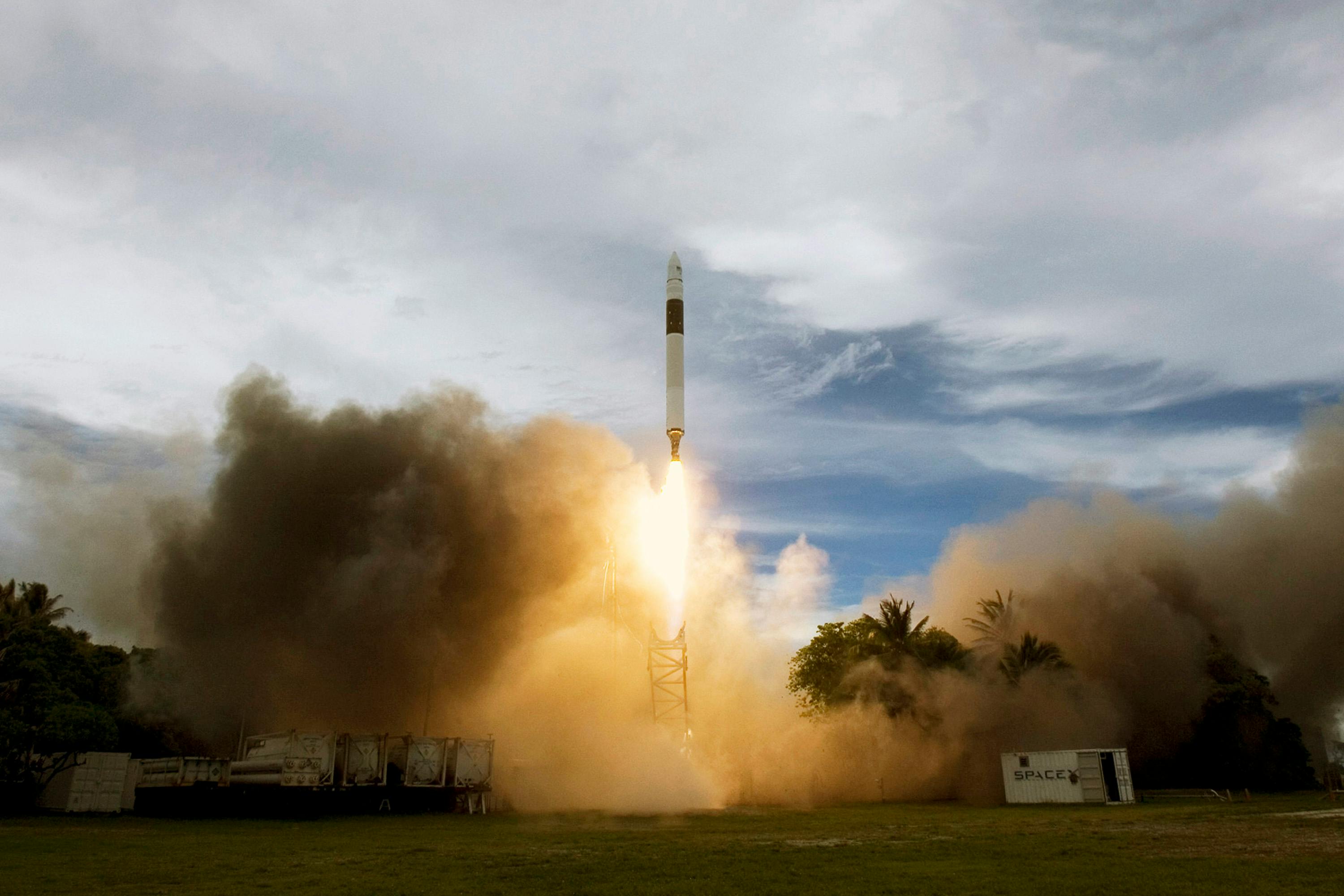
SpaceX faces a series of challenges with scrubbing the Starship Flight 8 launch and losing a Falcon 9 booster post-landing, while successfully deploying new Starlink satellites.
Blue Origin's New Glenn suffered catastrophic anomaly during static fire test at LC-36. Amazon LEO satellites pulled; NASA lunar missions now in question.
Today's brief covers the nomination of a new Space Force leader, partnership efforts by Lockheed, Sweden's defense budget delay, Israeli military actions, Proba-3's imaging breakthrough, and Starlink's license to operate in India.
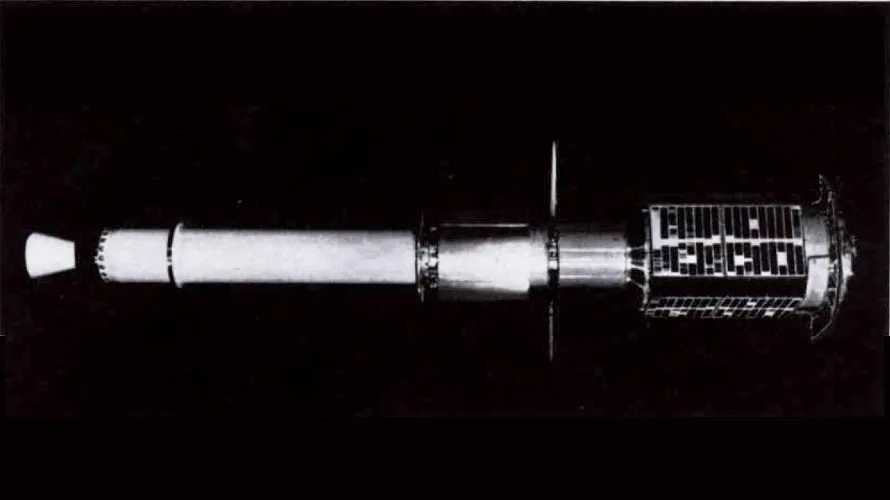
On April 27, 1961, a Scout rocket lifted a 37-kilogram NASA satellite into orbit from Wallops Island carrying the first serious instrument for detecting cosmic gamma rays. Explorer 11 operated for seven months before its tape recorder failed. In that time it registered 22 gamma-ray photons - a pitiful number by modern standards, but enough to launch an entire branch of astronomy.

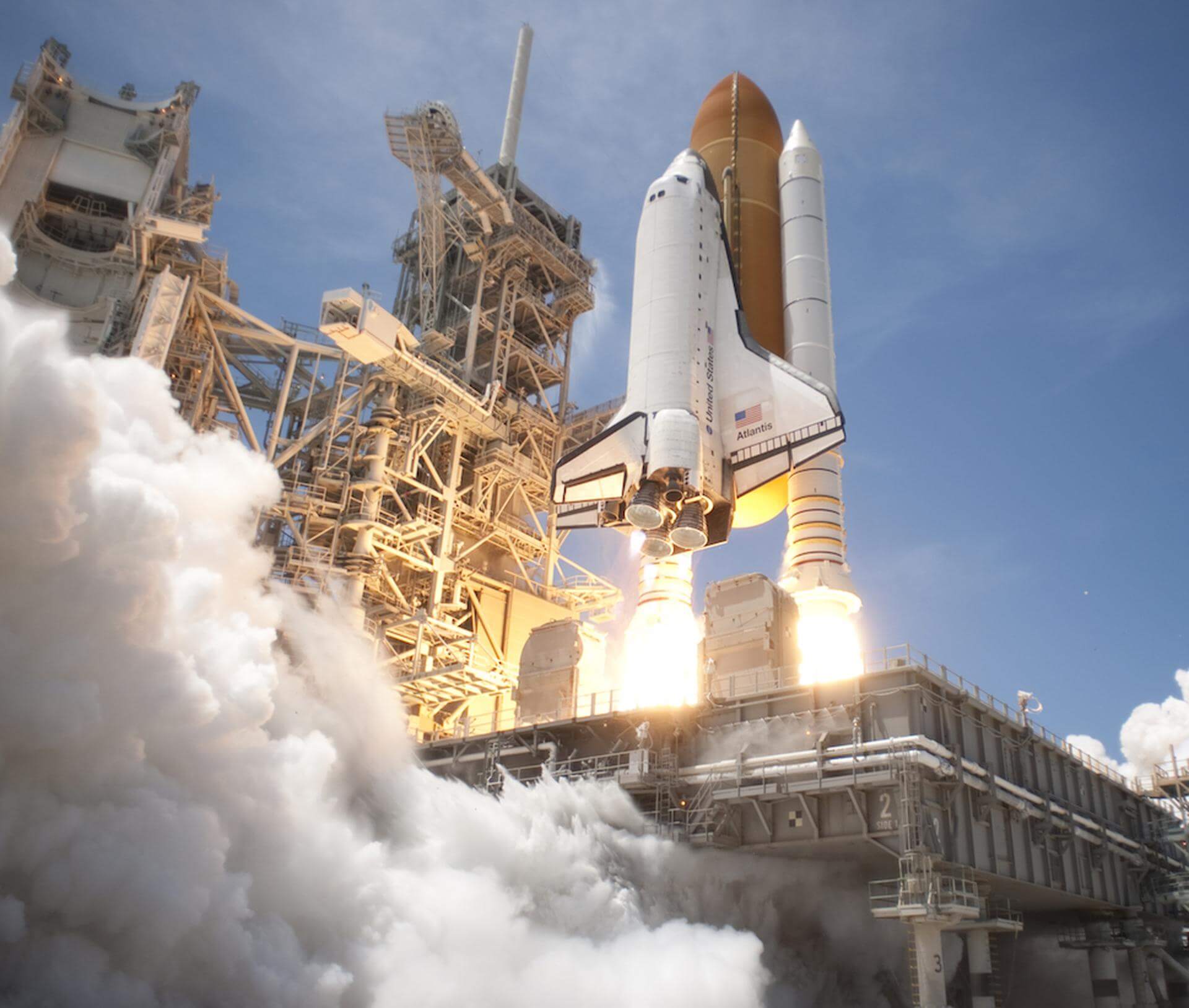
On May 4, 1989, Space Shuttle Atlantis lifted off from LC-39B carrying Magellan, NASA's first interplanetary mission since 1978. The eleven-year drought ended in a payload bay, and the radar that emerged would map ninety-eight percent of Venus through clouds that no camera could ever see through.
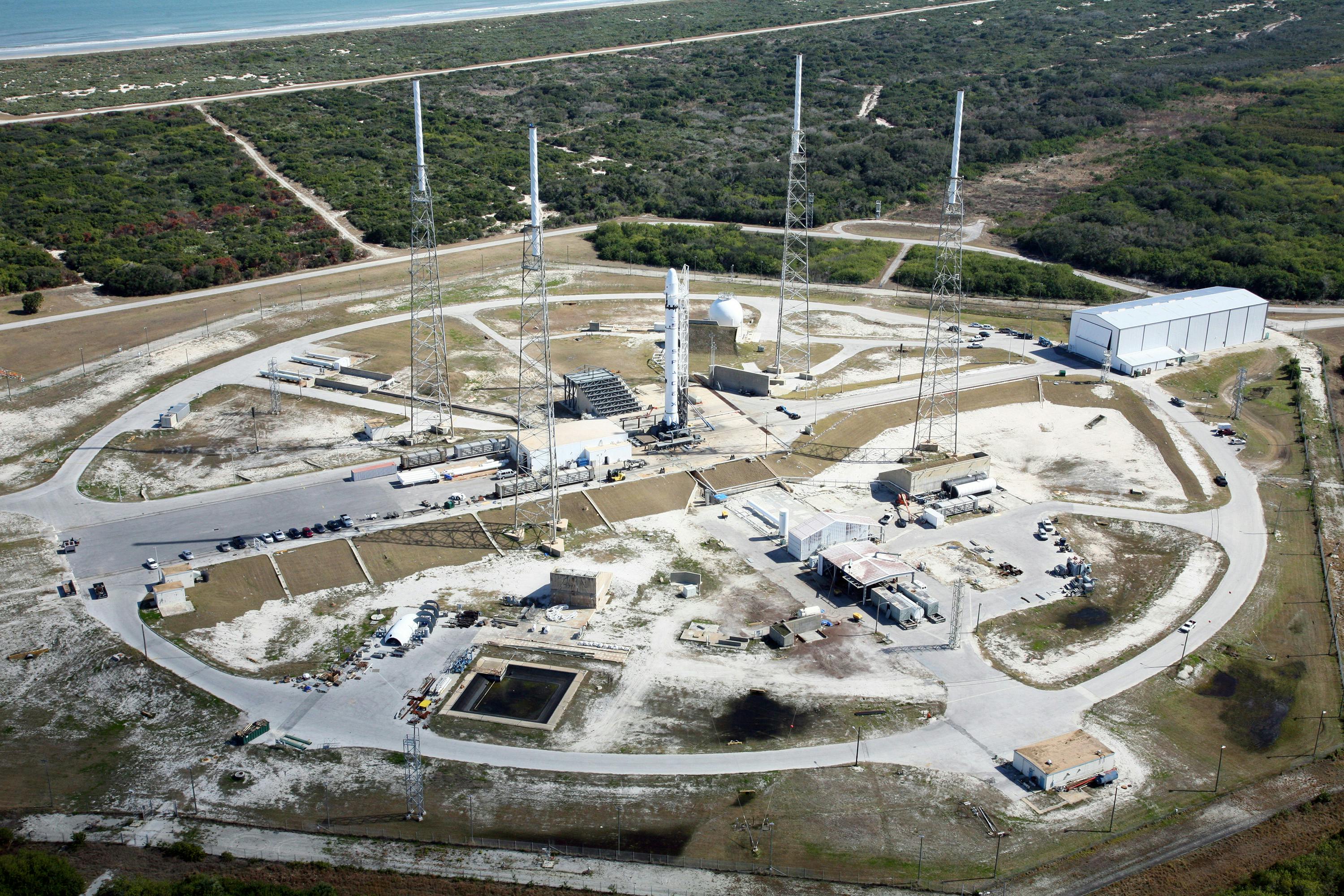
SpaceX plans to lower orbits of 4,400 Starlink satellites after two collision-concern incidents. Cosmo-SkyMed Earth observation satellite launched for Italy from Vandenberg.
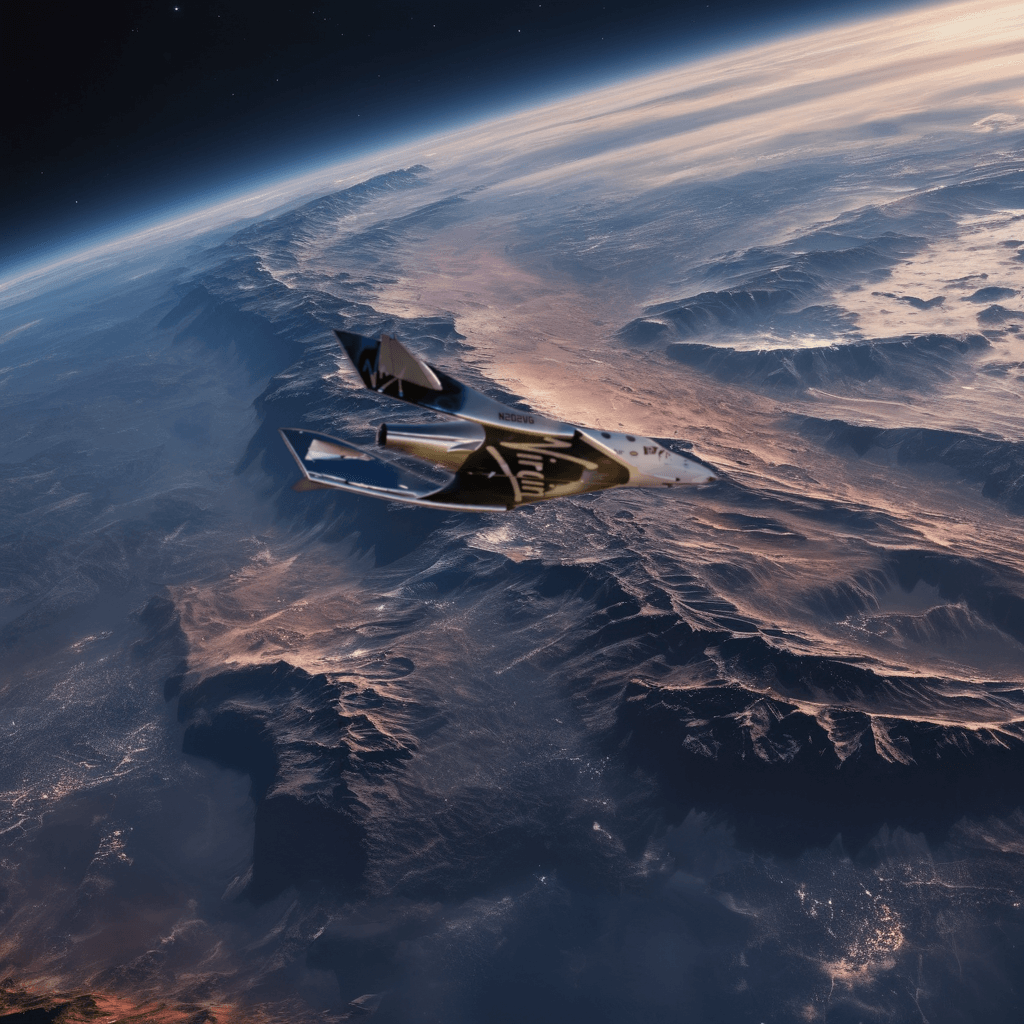
On January 26, 2024, Virgin Galactic's "Galactic 06" mission will launch, marking its 11th spaceflight.