


Space Force Eyes 1,000 Launches by 2031, New Site Required | KeepTrack Space Brief
Space Force projects ~1,000 launches between FY2027–FY2031, averaging 200 annually. DAF study concludes new launch site is "probably" required to absorb cadence.



Launch Date
October 29, 2025
Launch Site
Launch Pad
LC40
Launch Vehicle
NORAD ID
66255
International Designator
2025-245X
Epoch
Sun, 19 Jul 2026 19:37:04 GMT
Apogee
Calculating...
Perigee
Calculating...
Inclination
53.16°
Right Ascension
30.33°
Eccentricity
Calculating...
Argument of Perigee
109.20°
Period
94.11 min
Mean Motion
15.30 rev/day
Latitude
Calculating...
Longitude
Calculating...
Altitude
Calculating...
Velocity
Calculating...
Name
STARLINK-35616
Alternative Name
N/A
Type
Status
Owner
SPXS
Country
United States
Constellation
N/A
Related Satellites
Major Events
N/A
1 66255U 25245X 26200.81740830 .00005273 00000+0 19002-3 0 9994
2 66255 53.1596 30.3269 0001172 109.2040 250.9087 15.30198902 41481
Source: Celestrak
Length
0.3
Diameter
4.1
Span
29.0
Dry Mass
530
Launch Mass
575
Shape
Box + pan
Radar Cross Section
Unknown
Visual Magnitude
Unknown
Color
Unknown
Material Composition
Unknown
Payload
Starlink Group 10-37-22
Purpose
Unknown
Mission
Unknown
Manufacturer
SPXS
Life Expectancy
Unknown
Bus
Starlink V2MO
Configuration
Unknown
Motor
Unknown
Equipment
Unknown
Power System
Unknown
ADCS
Unknown
Transmitter Frequency
Unknown
Learn more about satellites and other related topics.
Space Force projects ~1,000 launches between FY2027–FY2031, averaging 200 annually. DAF study concludes new launch site is "probably" required to absorb cadence.
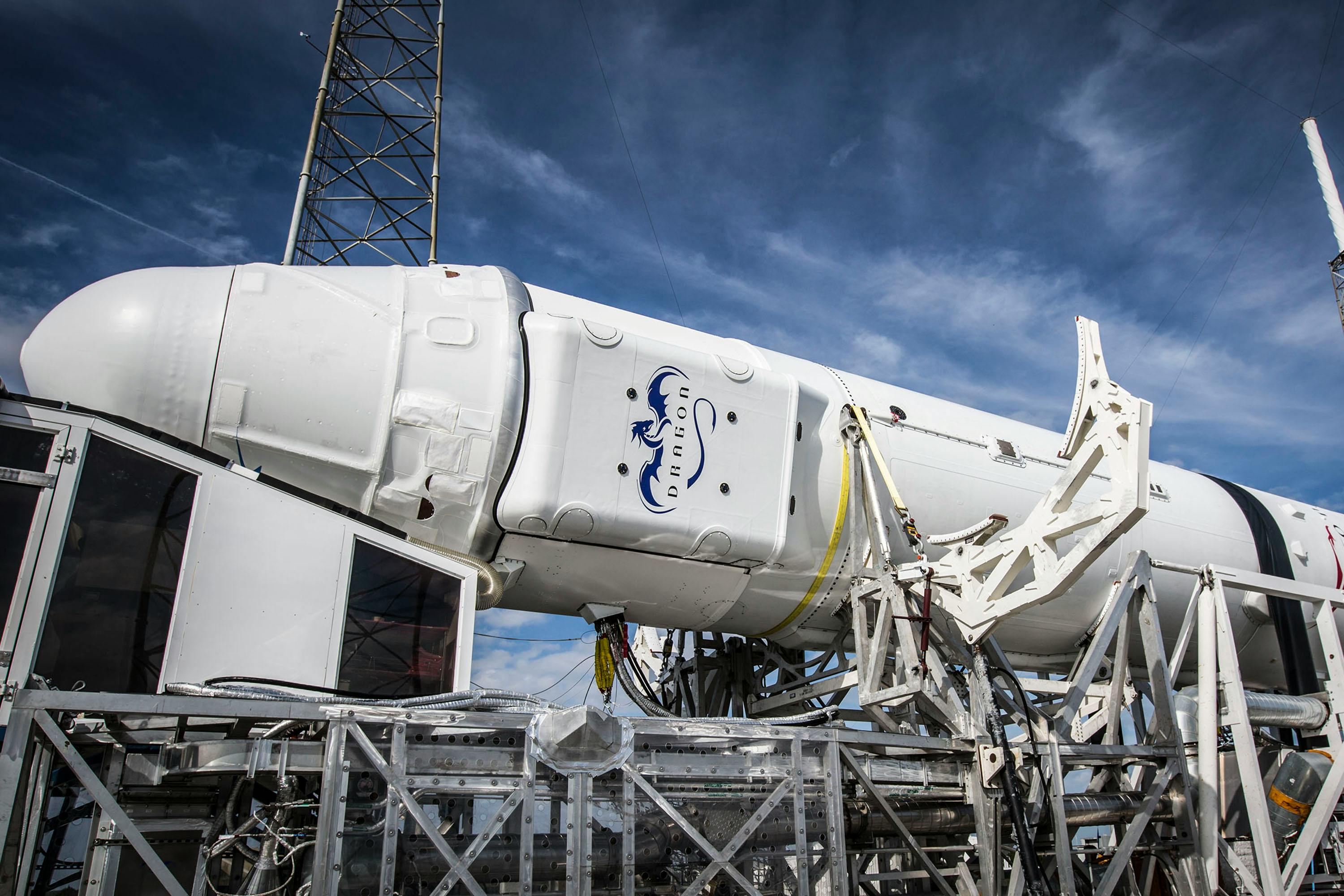
A second Starlink satellite malfunction in just over three months has generated on-orbit debris, raising fresh questions about SpaceX's 10,151-strong working constellation.
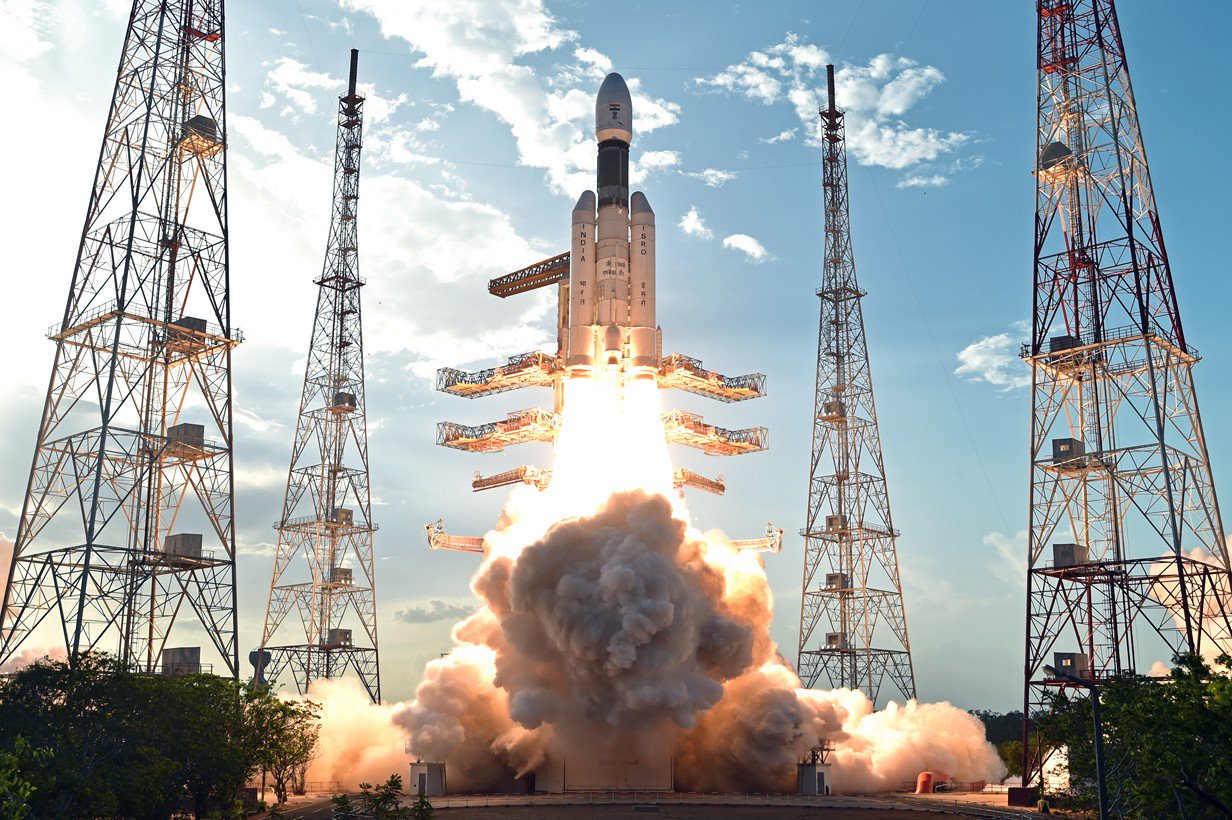
Today's stories cover Rocket Lab's innovative DiskSat launch, Digantara's expansion to missile defense, and DARPA's satellite surveillance network expansion, among other updates in military and satellite technology.
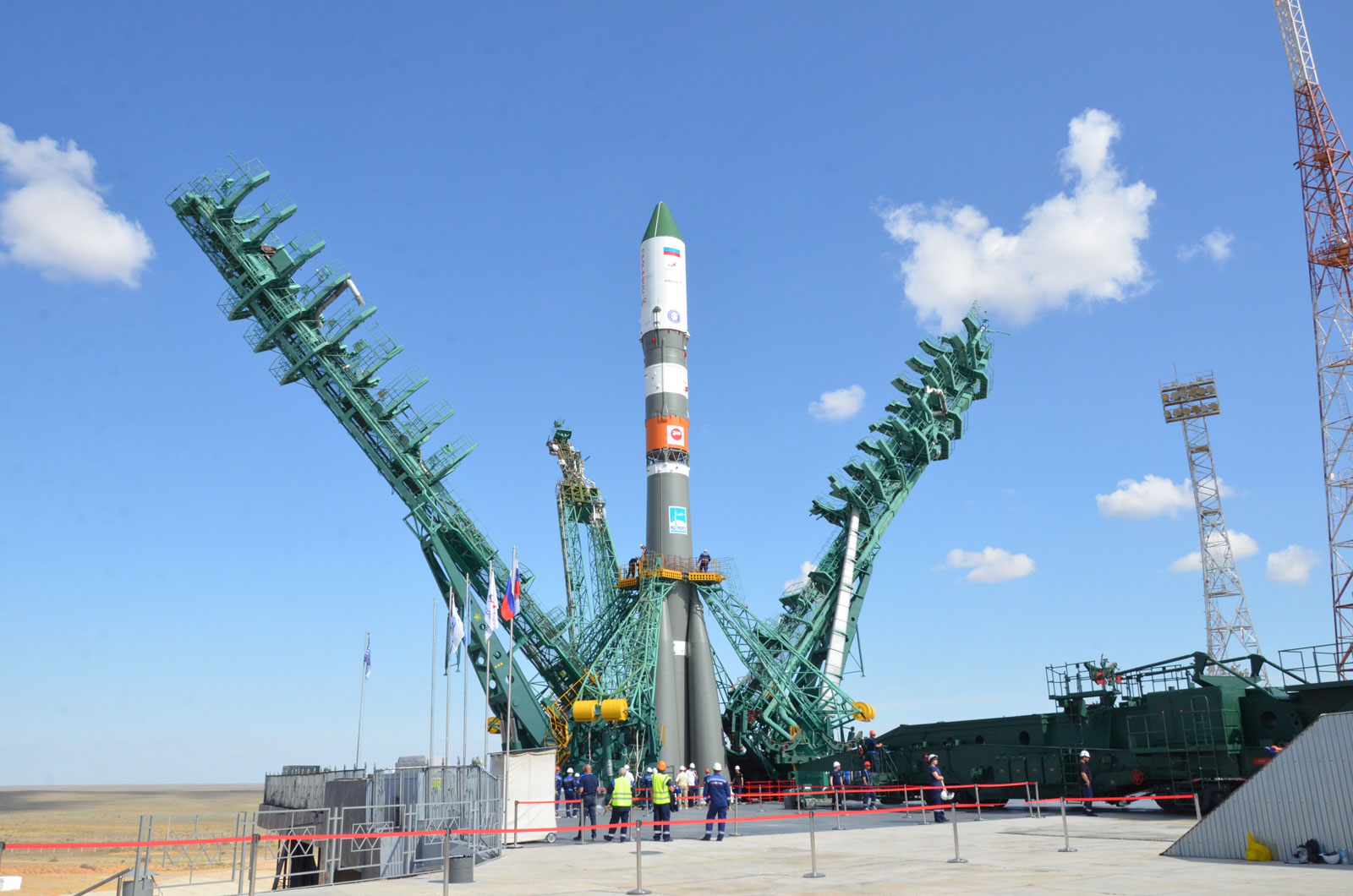
Today's brief highlights significant shifts in military space spending due to the Golden Dome program, the U.S. Space Force's advancements in tactical satellite communications, and NASA's race to nuclear power in space.
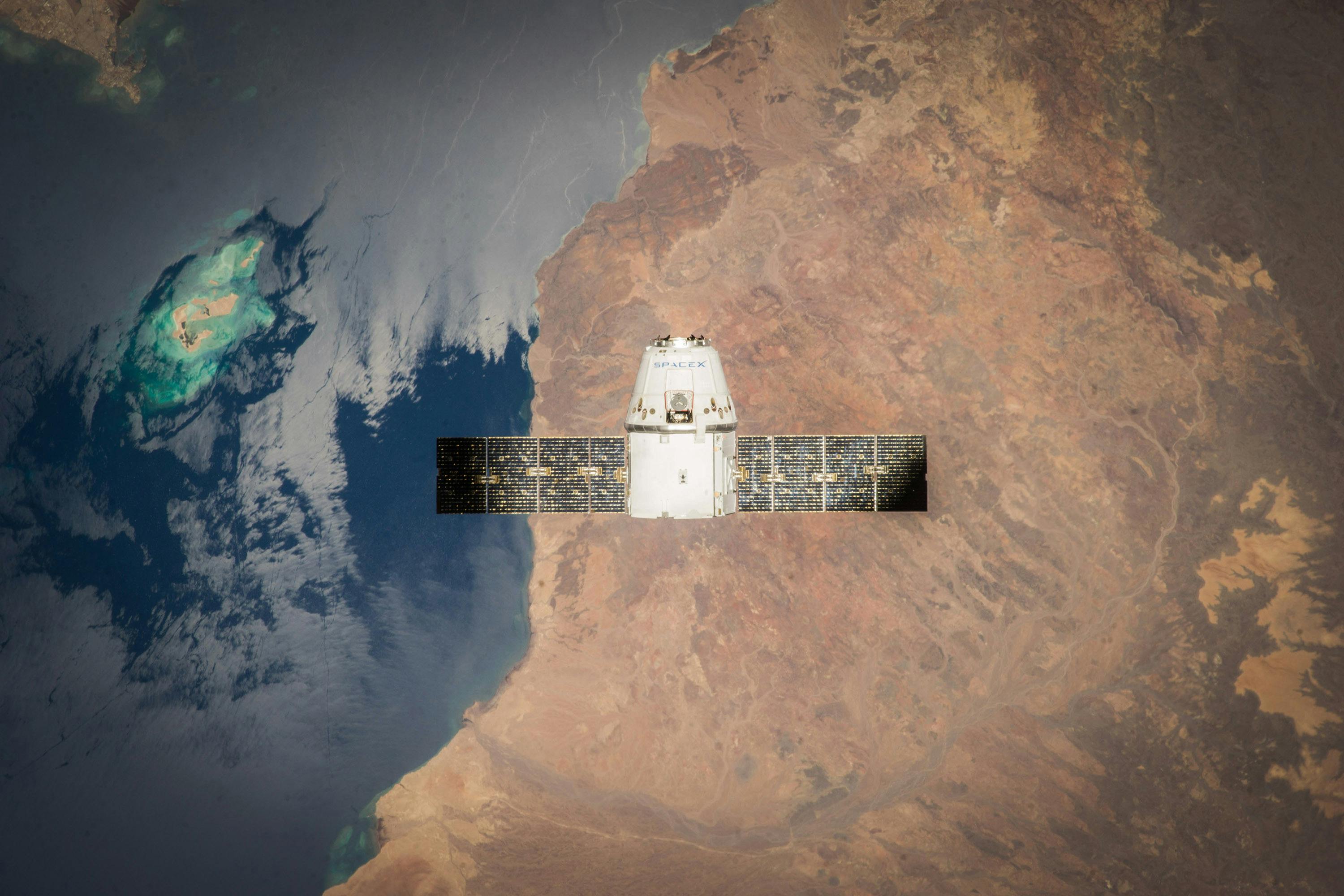
Wall Street analyst Dan Ives predicts a Tesla-SpaceX merger by 2027, while a quantum magnetometer launches March 30 on Falcon 9 rideshare.
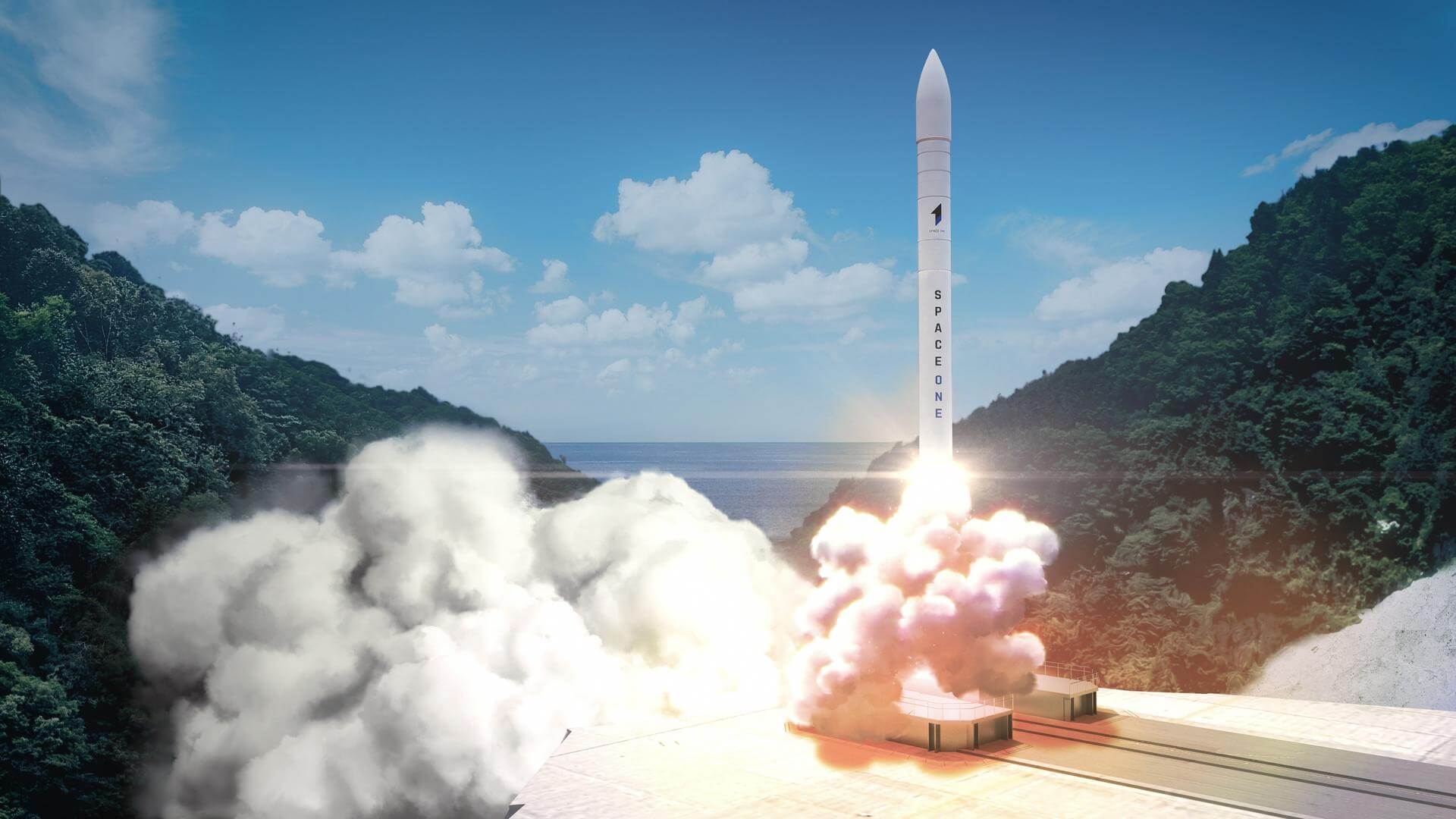
Today's brief covers significant advancements in materials technology for space applications, a U.S. Navy contract for rocket production facilities, and NATO's upcoming classified cloud system.
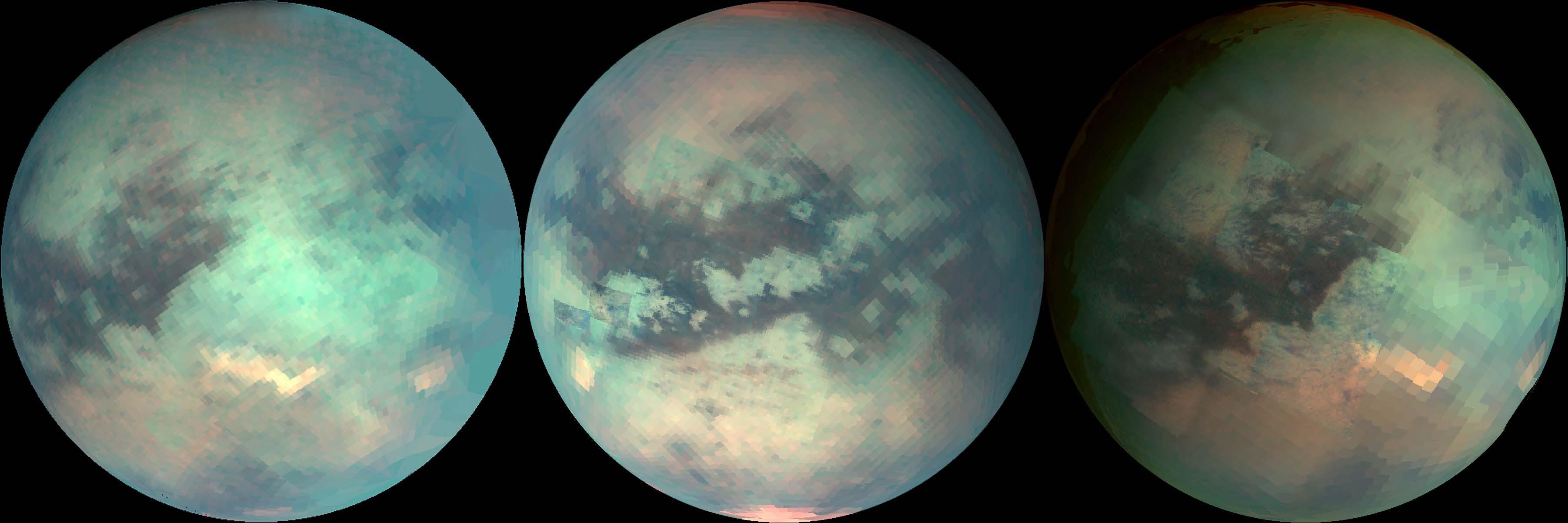
Cassini's Titan T-115 encounter marked the moment the spacecraft stopped looking down and started looking sideways, trading one type of science for another as it entered the final chapter of an iconic mission.

On April 22, 2026, the FAA published a final rule implementing per-launch user fees for commercial space transportation — the first time the U.S. government has charged payload-based fees for rocket launches. Starting at 25 cents per pound with a $30,000 cap, the fees are modest today. By 2033, they won't be.