


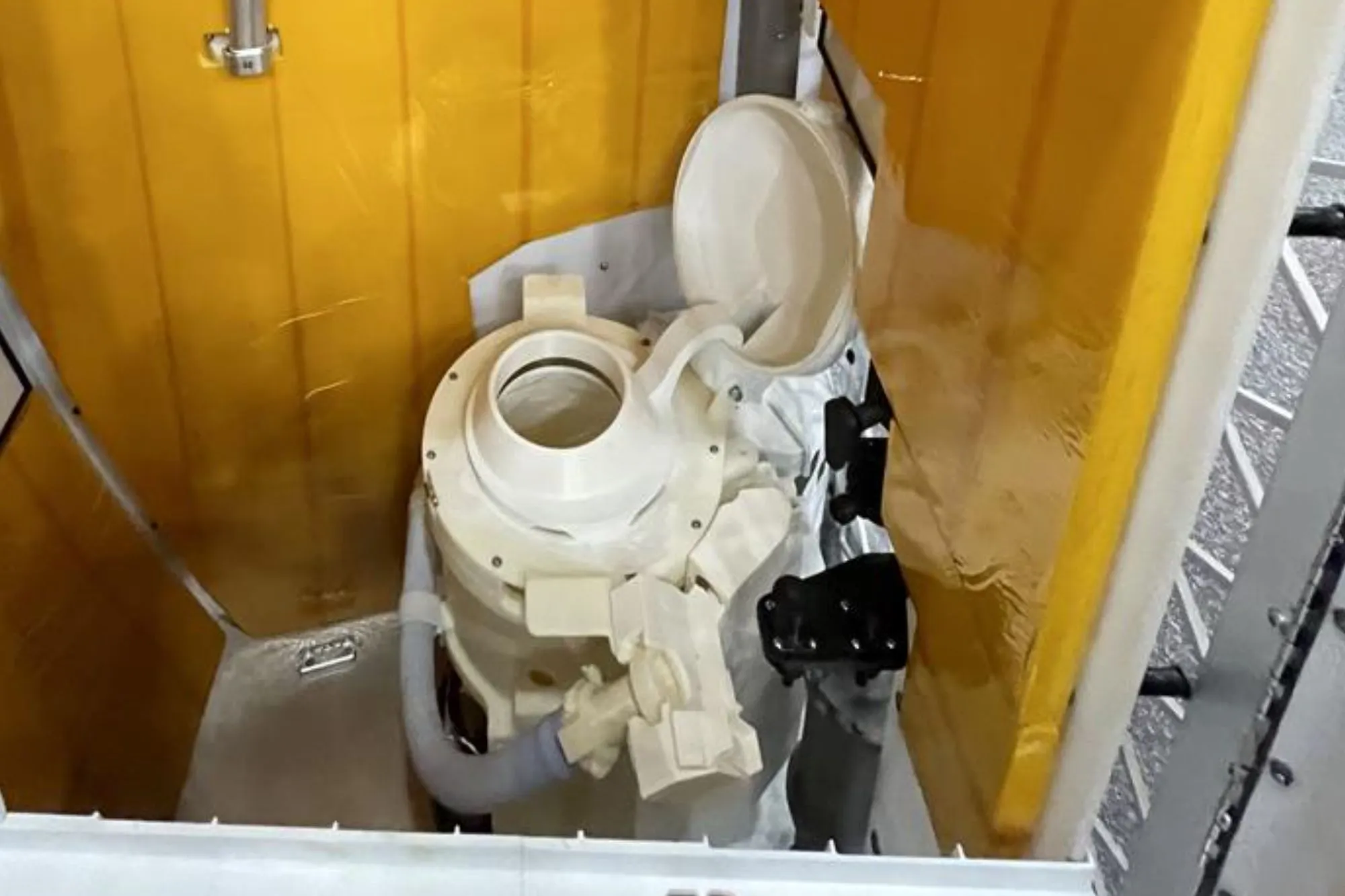
The $30 Million Toilet That Keeps Breaking on the Way to the Moon
Sixty years of space toilet engineering, a decade of development, and a $30 million contract - and the Artemis II crew still had to pee in bags on Day 1.



NORAD ID
66225
International Designator
2025-244V
Epoch
Sun, 19 Jul 2026 19:05:39 GMT
Apogee
Calculating...
Perigee
Calculating...
Inclination
53.16°
Right Ascension
336.42°
Eccentricity
Calculating...
Argument of Perigee
71.97°
Period
94.11 min
Mean Motion
15.30 rev/day
Latitude
Calculating...
Longitude
Calculating...
Altitude
Calculating...
Velocity
Calculating...
Name
STARLINK-35734
Alternative Name
N/A
Type
Status
Owner
SPXS
Country
United States
Constellation
N/A
Related Satellites
Major Events
N/A
1 66225U 25244V 26200.79559066 .00008611 00000+0 30253-3 0 9996
2 66225 53.1598 336.4212 0000958 71.9725 288.1380 15.30198098 41883
Source: Celestrak
Length
0.3
Diameter
4.1
Span
29.0
Dry Mass
530
Launch Mass
575
Shape
Box + pan
Radar Cross Section
Unknown
Visual Magnitude
Unknown
Color
Unknown
Material Composition
Unknown
Payload
Starlink Group 11-21-20
Purpose
Unknown
Mission
Unknown
Manufacturer
SPXS
Life Expectancy
Unknown
Bus
Starlink V2MO
Configuration
Unknown
Motor
Unknown
Equipment
Unknown
Power System
Unknown
ADCS
Unknown
Transmitter Frequency
Unknown
Learn more about satellites and other related topics.
Sixty years of space toilet engineering, a decade of development, and a $30 million contract - and the Artemis II crew still had to pee in bags on Day 1.
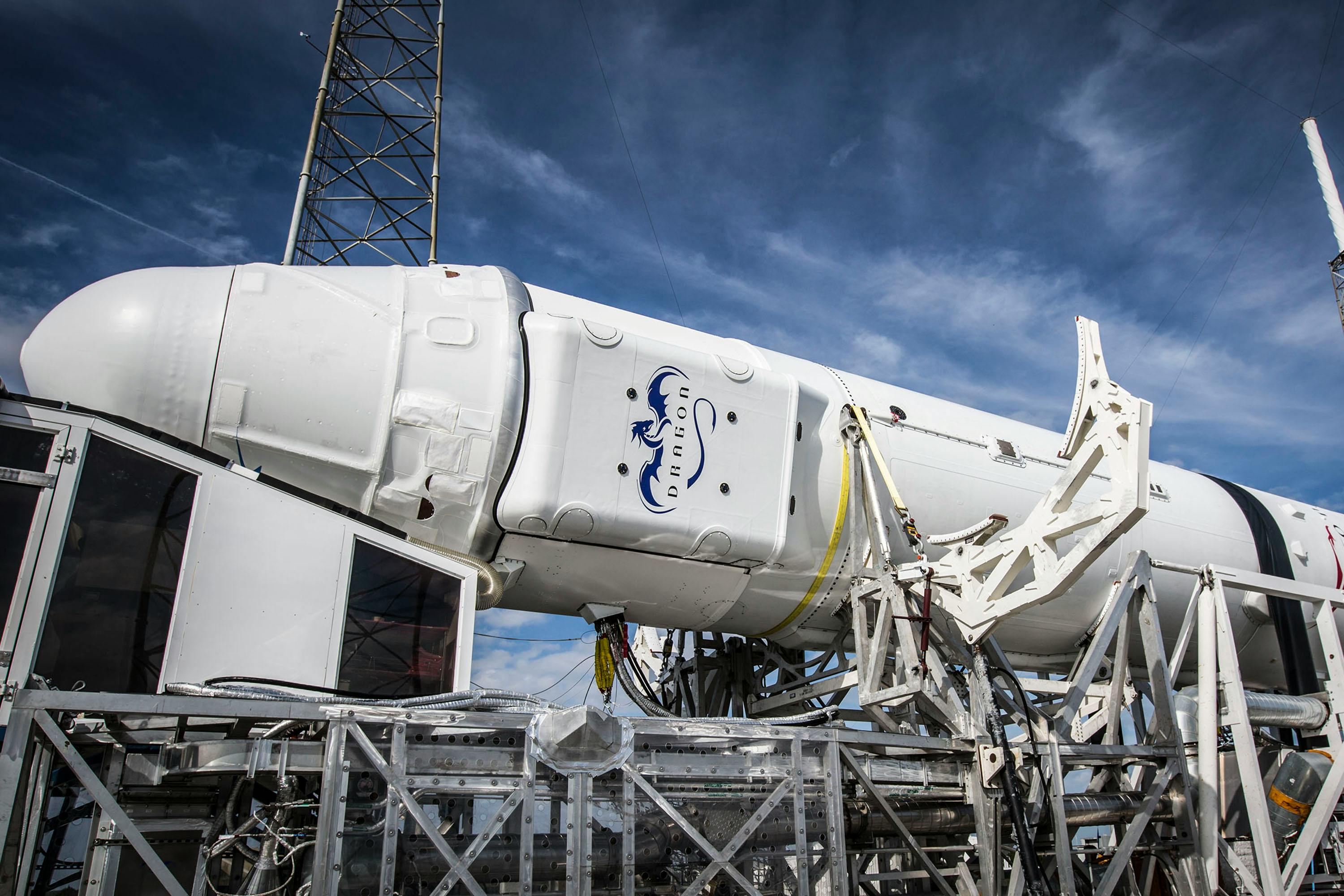
Today's brief highlights the need for better space debris management, multiple SpaceX Starlink launches, and NASA's upcoming lunar cargo delivery plans.
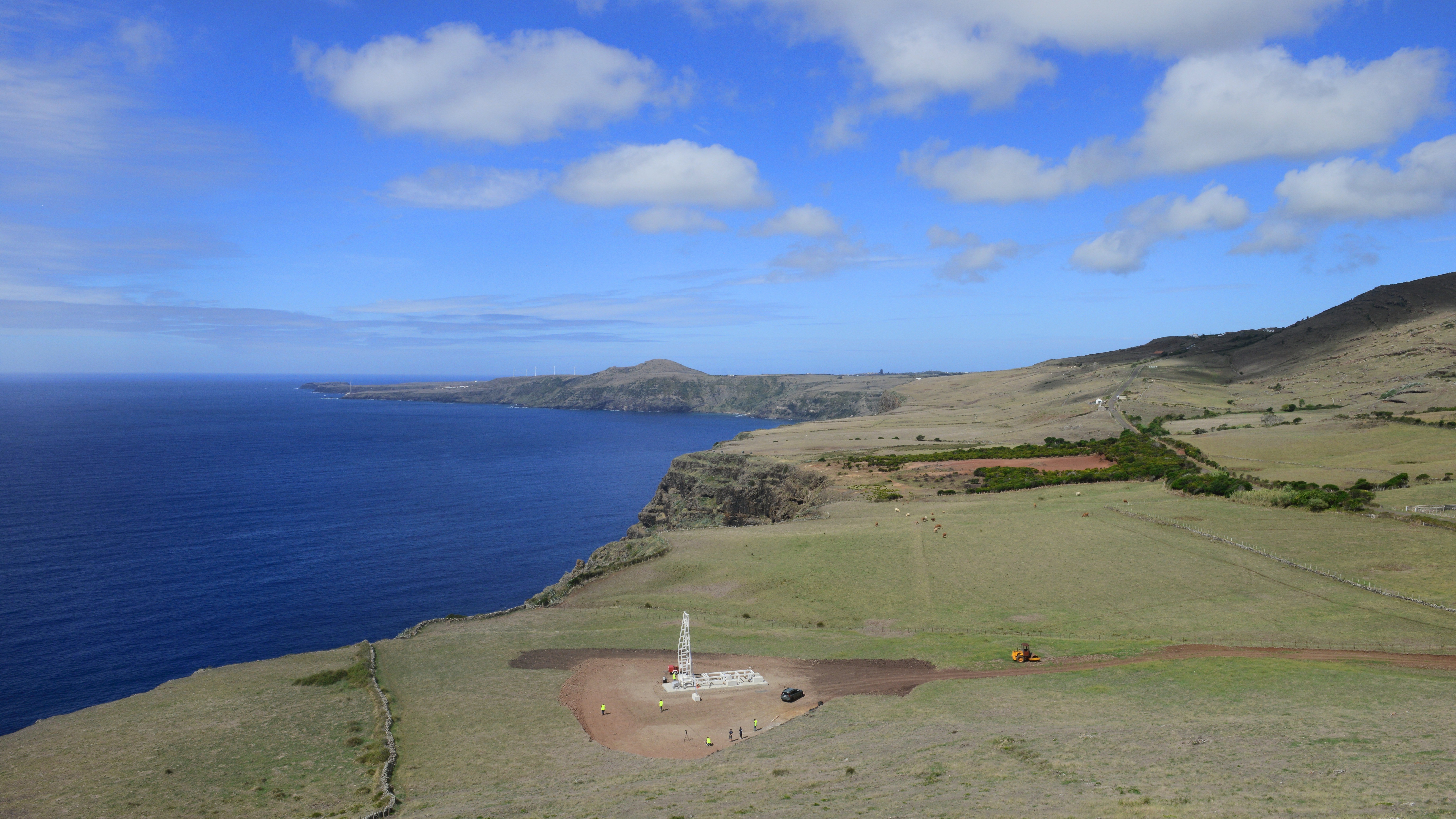
Europe's Atlantic outpost enters the launch business. How Portugal's first licensed spaceport in the Azores is preparing for suborbital flights in 2026 and positioning to receive ESA's Space Rider in 2028.

Today's Space Brief delves into military satellite advancements and significant contract awards for space platforms, alongside pivotal European missile warning systems.

Today's highlights include Rocket Lab's record year, setbacks in Japanese space endeavors, secure communication advancements in orbit, and more updates on martian expeditions.
Today's Space Brief covers Lockheed Martin's pursuits in missile interception, key military advancements in space integration, the UK launch license for Skyrora, and much more.
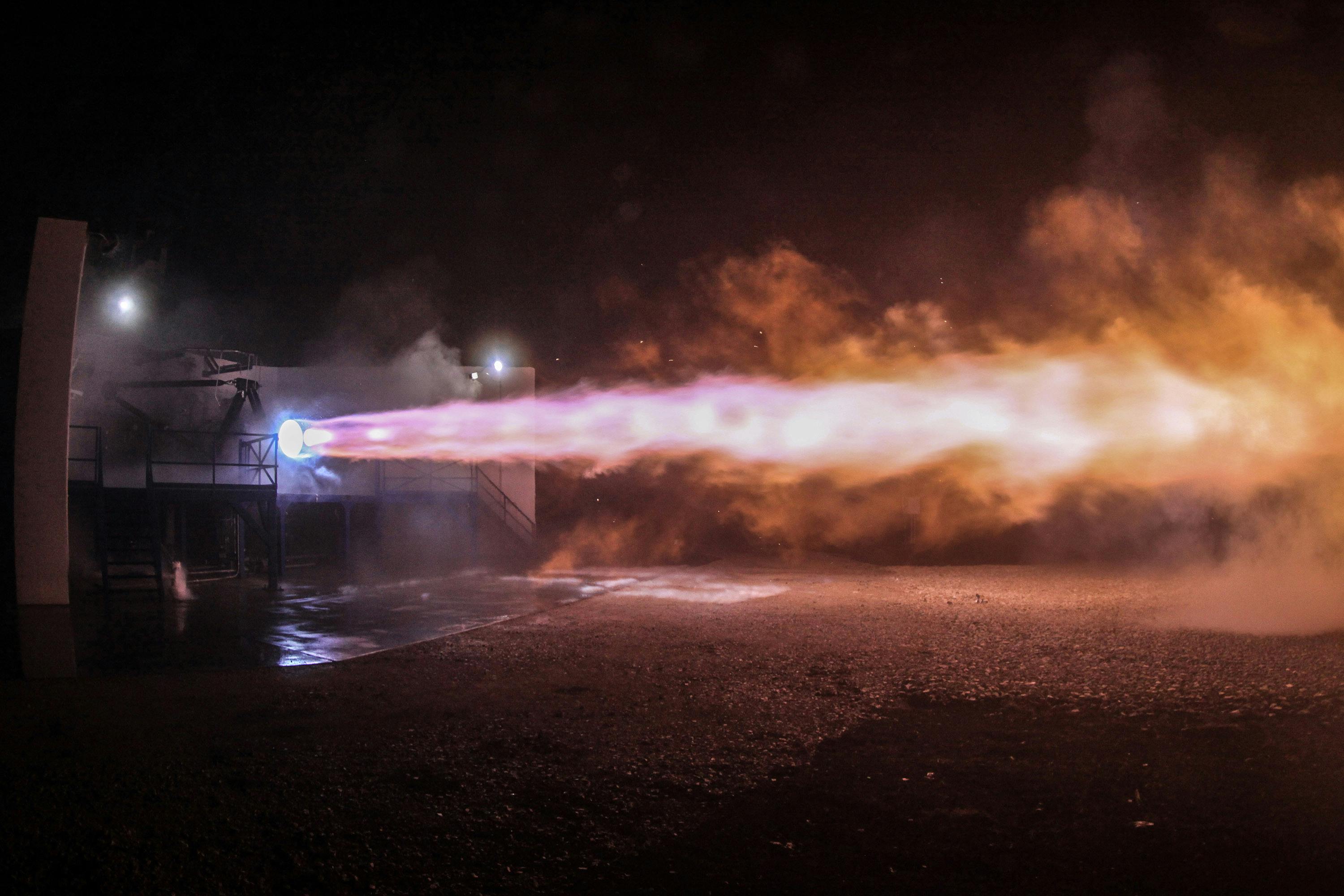
SpaceX has seen a flurry of activity with successful launches, static-fire tests for Starship, and ongoing preparations for future objectives, marking an exciting time for the aerospace company.
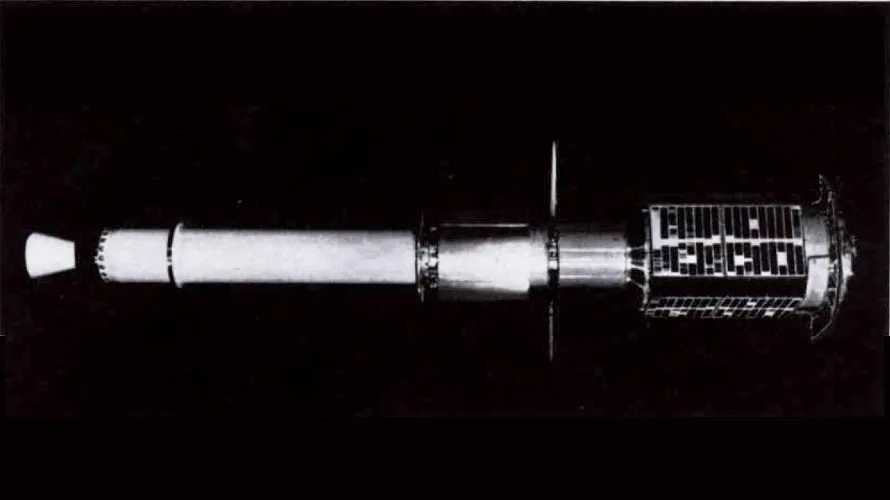
On April 27, 1961, a Scout rocket lifted a 37-kilogram NASA satellite into orbit from Wallops Island carrying the first serious instrument for detecting cosmic gamma rays. Explorer 11 operated for seven months before its tape recorder failed. In that time it registered 22 gamma-ray photons - a pitiful number by modern standards, but enough to launch an entire branch of astronomy.