



Starship V3 Targets April 2026 Debut, X Report 20 Mar 2026
Starship V3 targets an April 2026 debut, the ride for next-gen Starlink V3 satellites. Fleet stands at 10,062 working of 11,587 launched.


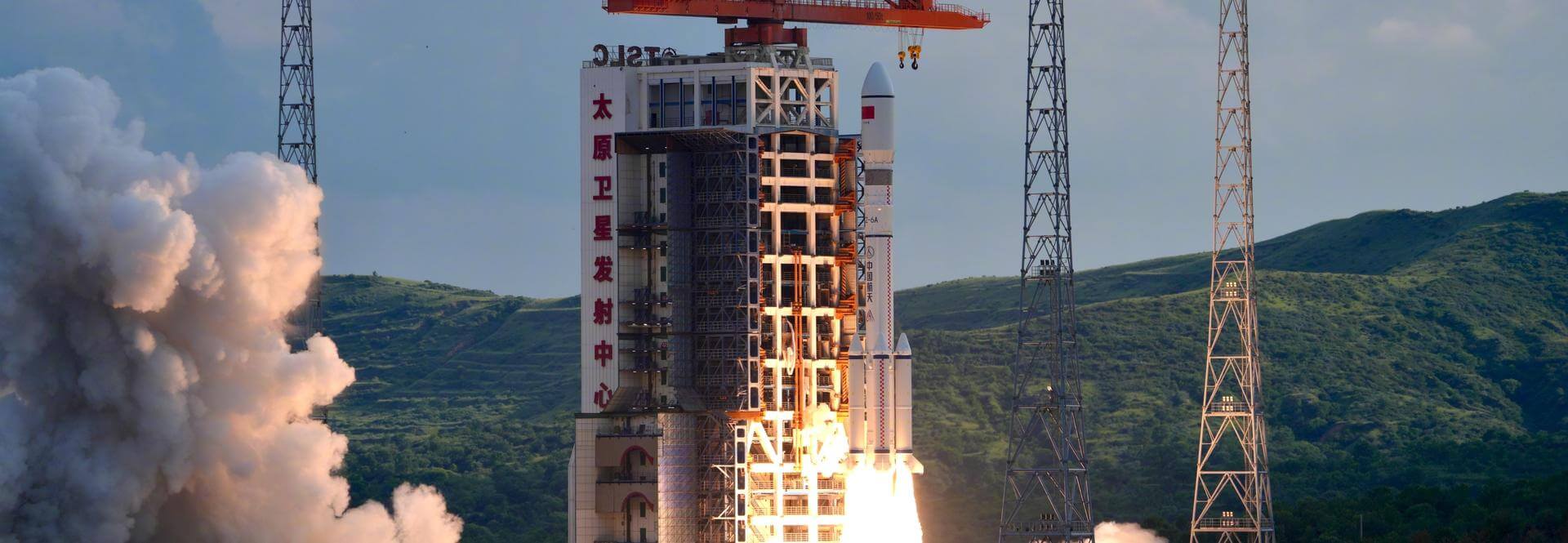
Launch Date
October 17, 2025
Launch Site
TSC
Launch Pad
LC9A
Launch Vehicle
Chang Zheng 6A
NORAD ID
66048
International Designator
2025-233R
Epoch
Mon, 20 Jul 2026 01:47:26 GMT
Apogee
Calculating...
Perigee
Calculating...
Inclination
89.00°
Right Ascension
39.82°
Eccentricity
Calculating...
Argument of Perigee
83.22°
Period
106.59 min
Mean Motion
13.51 rev/day
Latitude
Calculating...
Longitude
Calculating...
Altitude
Calculating...
Velocity
Calculating...
Name
QIANFAN-106
Alternative Name
N/A
Type
Status
Owner
YUANX
Country
China
Constellation
N/A
Related Satellites
Major Events
N/A
1 66048U 25233R 26201.07460895 .00000014 00000+0 27399-5 0 9998
2 66048 88.9974 39.8241 0002337 83.2241 276.9176 13.51015603 37624
Source: Celestrak
Apologies, there is no summary for this satellite yet. I am working to generate these for every object in the catalog, but it is going to take time.
Length
0.3
Diameter
3.0
Span
10.0
Dry Mass
267
Launch Mass
267
Shape
Box+pan
Radar Cross Section
Unknown
Visual Magnitude
Unknown
Color
Unknown
Material Composition
Unknown
Payload
Qianfan Jigui 18-16
Purpose
Unknown
Mission
Unknown
Manufacturer
SECM
Life Expectancy
Unknown
Bus
Qianfan
Configuration
Unknown
Motor
Unknown
Equipment
Unknown
Power System
Unknown
ADCS
Unknown
Transmitter Frequency
Unknown
Learn more about satellites and other related topics.
Starship V3 targets an April 2026 debut, the ride for next-gen Starlink V3 satellites. Fleet stands at 10,062 working of 11,587 launched.
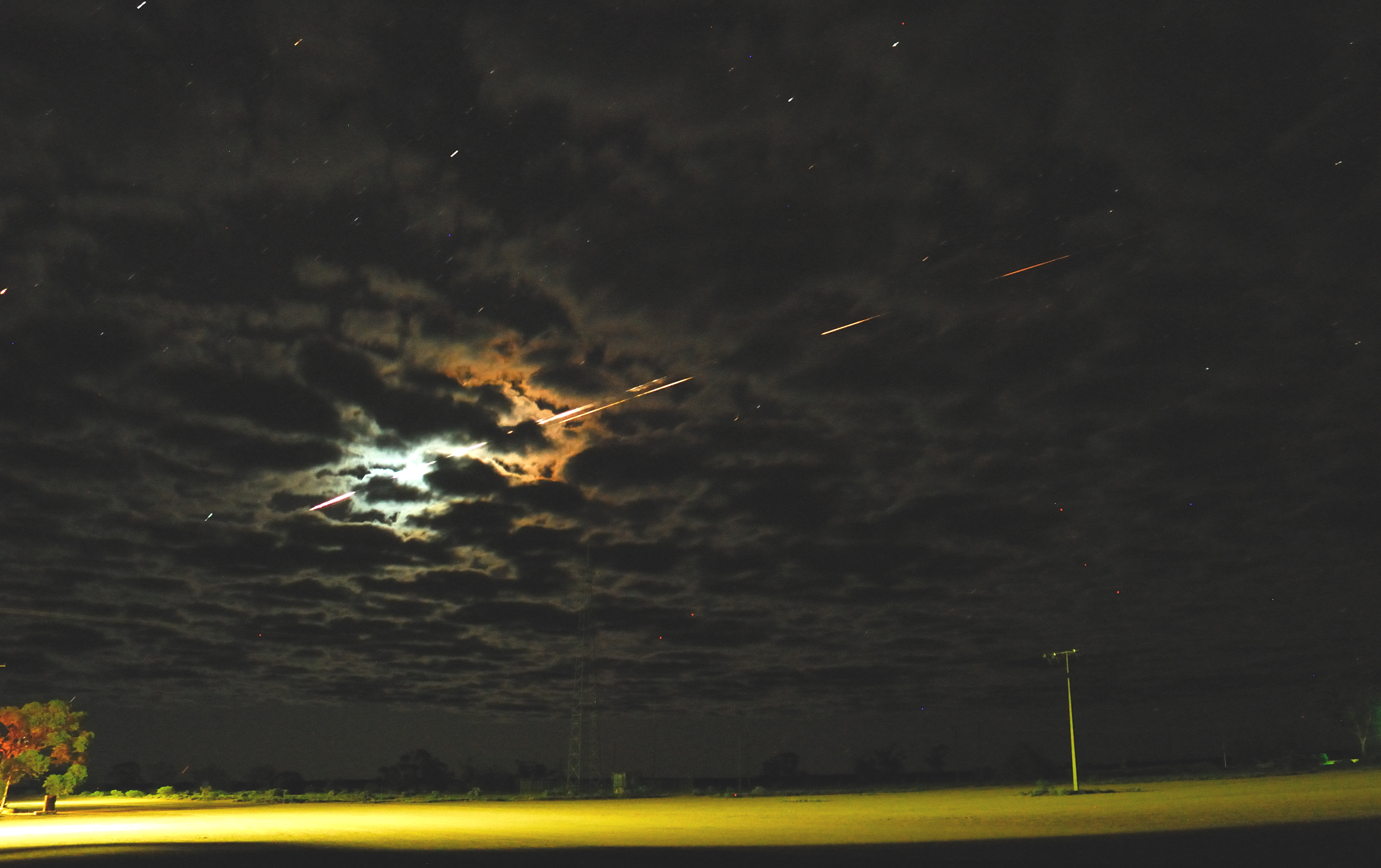
Sixteen years ago today, a fireball tore across the Australian outback. Most of it was a dying Japanese spacecraft burning up after a seven-year ordeal. The bright dot racing ahead of the wreckage was a capsule holding the first grains of an asteroid ever returned to Earth.
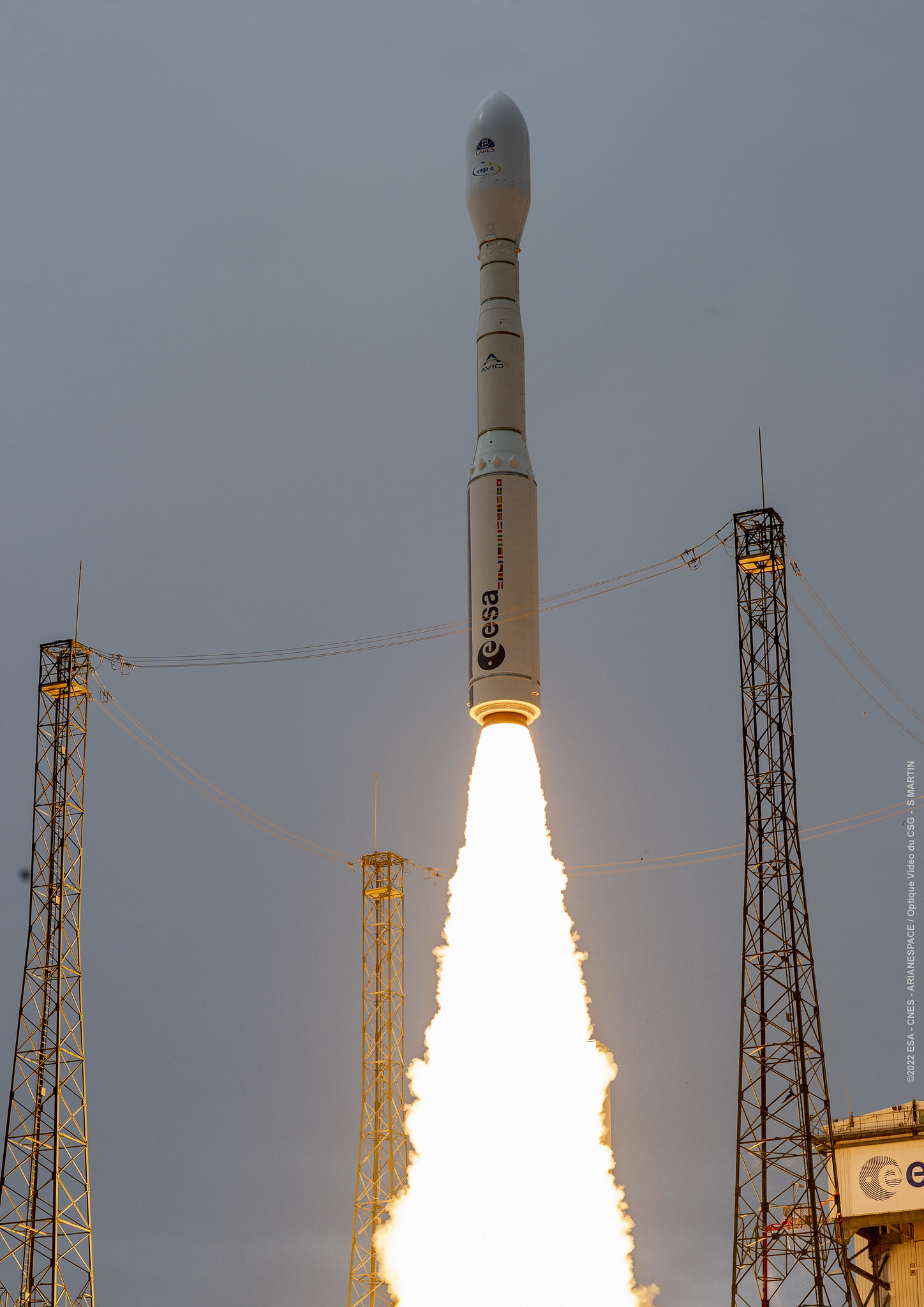
Today's briefing covers the largest-ever spectrum sharing demo planned by the Pentagon, innovative strategies for drone deployment in the Air Force, and significant military procurement developments.
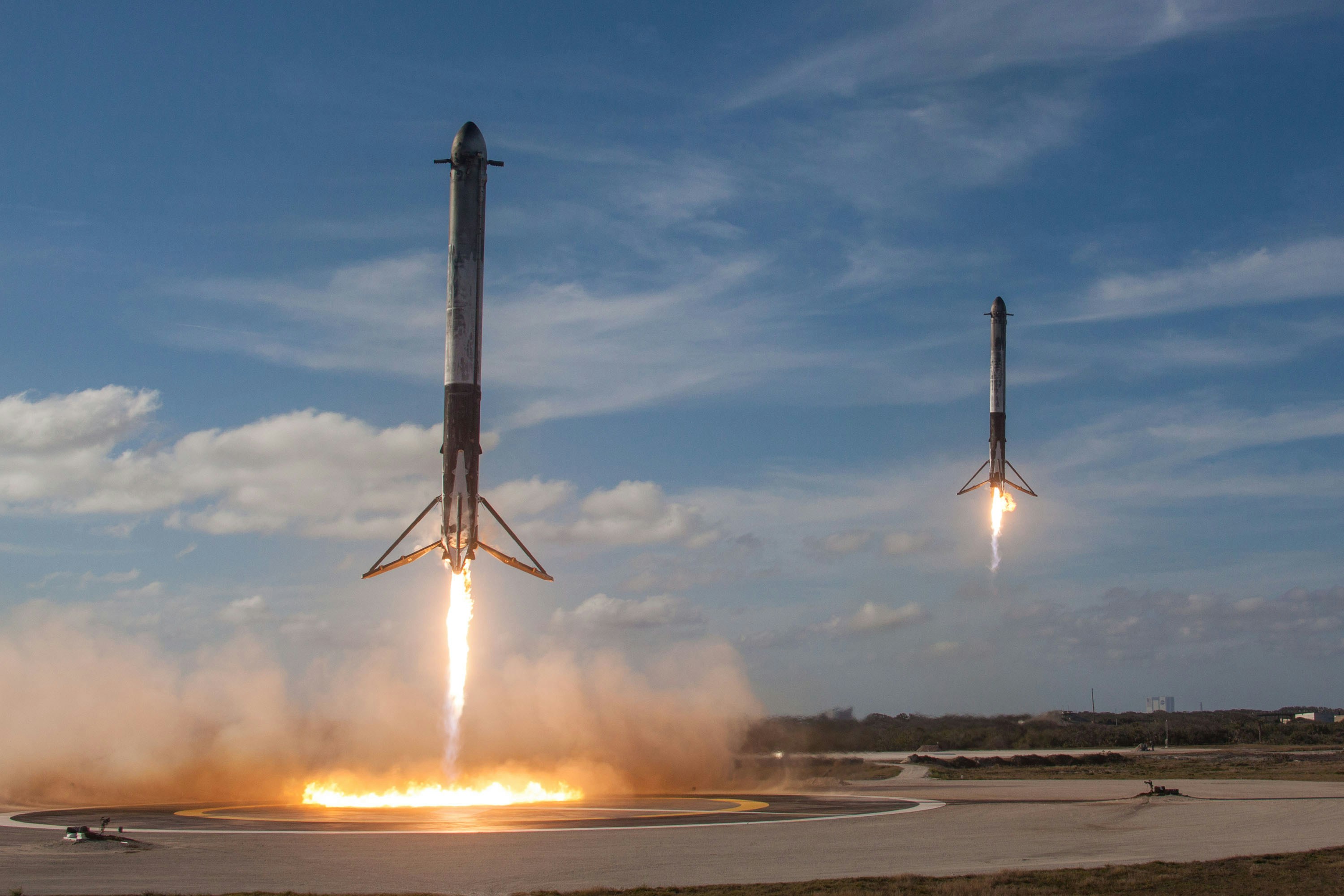
SpaceX marks a significant milestone with its 100th Starlink mission launch and makes impressive progress on lunar lander development for Artemis III.
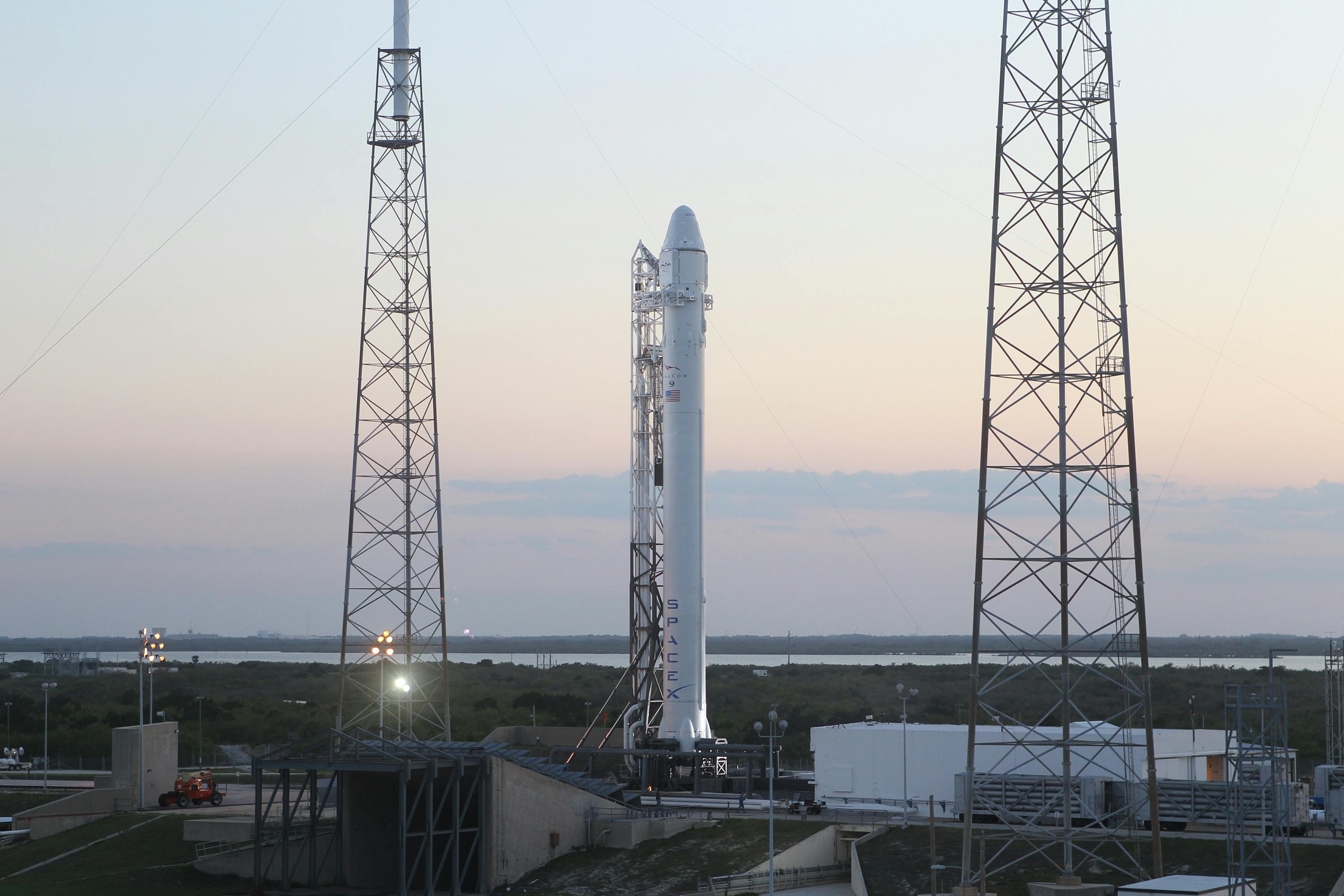
Exciting advancements from SpaceX as Starshield satellites prepare for launch, Starship Flight 7 faces a short delay, and new Starlink satellites enter orbit.

Today's brief covers the new Space Force operations doctrine, international defense collaborations by the UAE, and satellite tracking technology innovations.

Today's brief covers developments involving Space Force officials, Sierra Space's satellite milestone, and Voyager Space's rebranding for national security focus. Additionally, we spotlight the Cosmos 447 satellite.

Discover the history and significance of Two-Line Element Sets (TLEs) in satellite tracking. Dive into their components, applications, and how they are evolving to meet future space challenges.