


SpaceX Hits 10,000 Starlink Satellites in Orbit | KeepTrack Space Brief
SpaceX surpassed 10,000 simultaneous Starlink satellites in orbit after Starlink 17-24 deployed 25 satellites from California. Milestone reached in under 7 years.


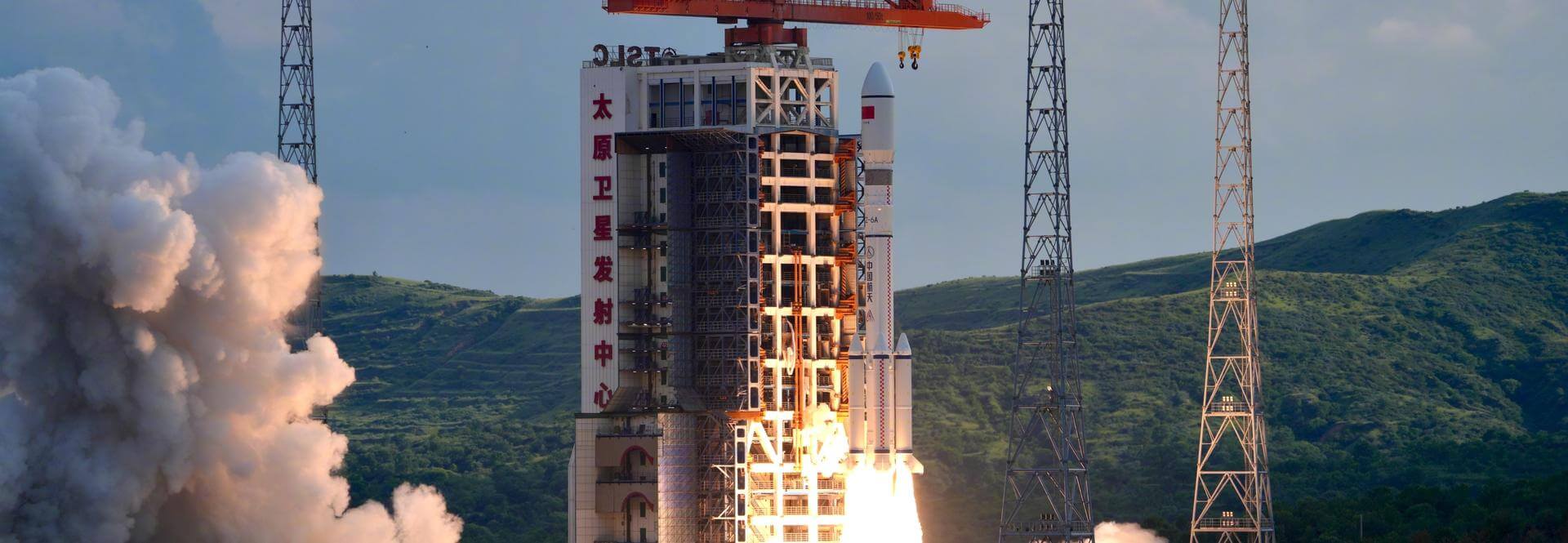
Launch Date
October 17, 2025
Launch Site
TSC
Launch Pad
LC9A
Launch Vehicle
Chang Zheng 6A
NORAD ID
66033
International Designator
2025-233A
Epoch
Mon, 20 Jul 2026 02:11:07 GMT
Apogee
Calculating...
Perigee
Calculating...
Inclination
89.00°
Right Ascension
39.86°
Eccentricity
Calculating...
Argument of Perigee
95.13°
Period
106.59 min
Mean Motion
13.51 rev/day
Latitude
Calculating...
Longitude
Calculating...
Altitude
Calculating...
Velocity
Calculating...
Name
QIANFAN-91
Alternative Name
N/A
Type
Status
Owner
YUANX
Country
China
Constellation
N/A
Related Satellites
Major Events
N/A
1 66033U 25233A 26201.09105904 .00000013 00000+0 18275-5 0 9993
2 66033 88.9981 39.8599 0002125 95.1343 265.0051 13.51015124 37621
Source: Celestrak
Apologies, there is no summary for this satellite yet. I am working to generate these for every object in the catalog, but it is going to take time.
Length
0.3
Diameter
3.0
Span
10.0
Dry Mass
267
Launch Mass
267
Shape
Box+pan
Radar Cross Section
Unknown
Visual Magnitude
Unknown
Color
Unknown
Material Composition
Unknown
Payload
Qianfan Jigui 18-01
Purpose
Unknown
Mission
Unknown
Manufacturer
SECM
Life Expectancy
Unknown
Bus
Qianfan
Configuration
Unknown
Motor
Unknown
Equipment
Unknown
Power System
Unknown
ADCS
Unknown
Transmitter Frequency
Unknown
Learn more about satellites and other related topics.
SpaceX surpassed 10,000 simultaneous Starlink satellites in orbit after Starlink 17-24 deployed 25 satellites from California. Milestone reached in under 7 years.
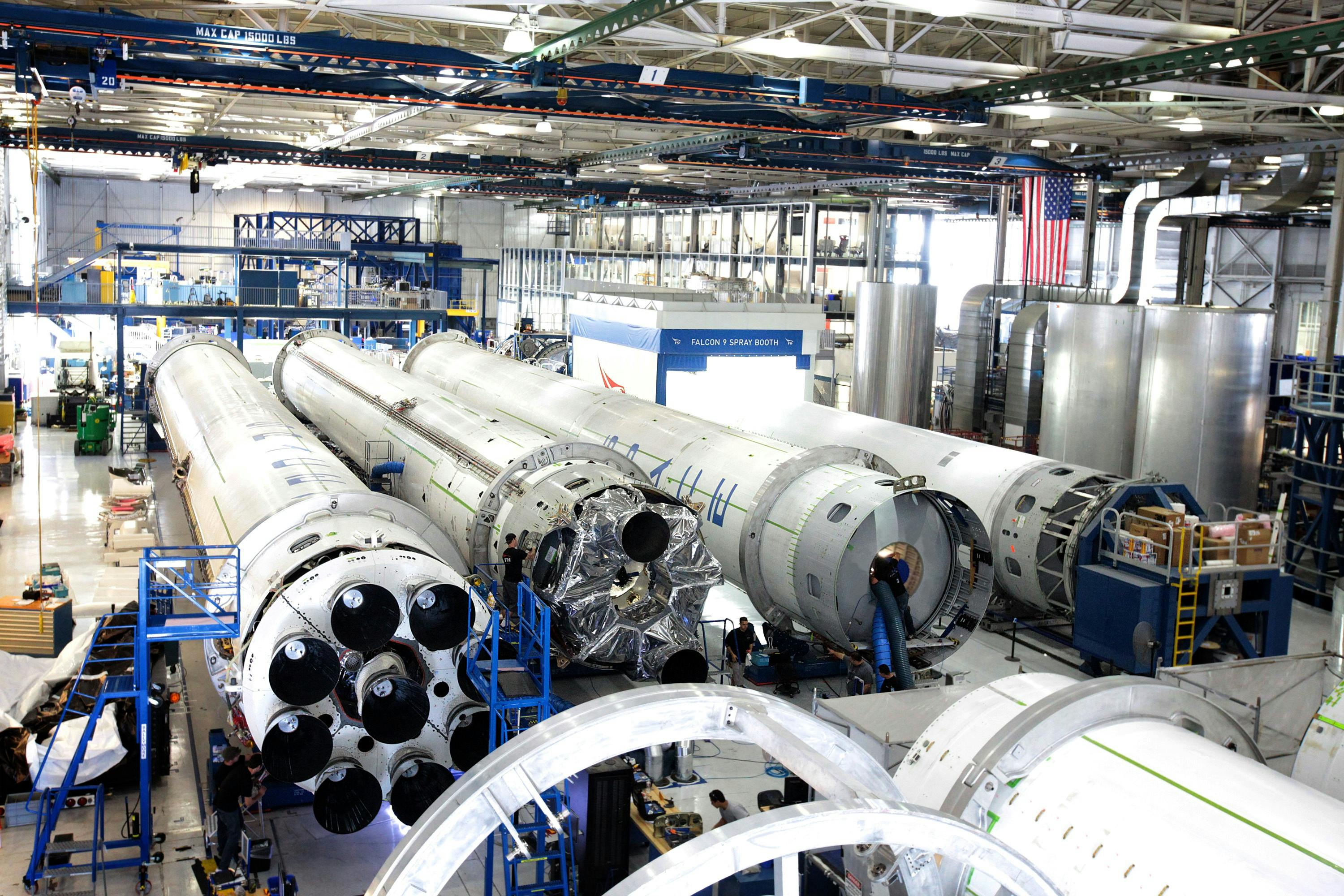
SpaceX Starfall reentry capsule debuted June 23: the 2,100 kg disk launched on a Falcon 9 from Cape Canaveral to demo cargo return from orbit.
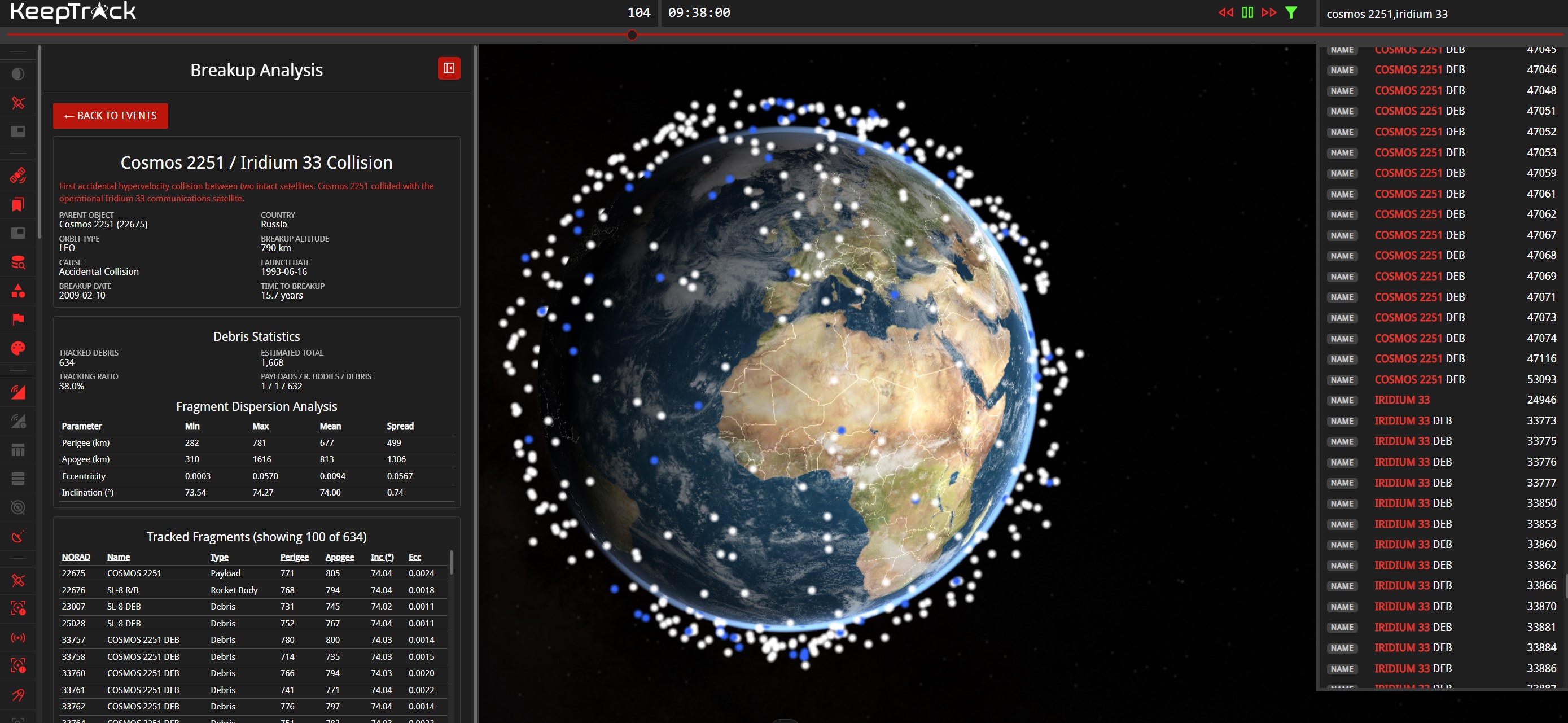
On February 10, 2009, an active Iridium communications satellite and a derelict Soviet military spacecraft slammed into each other 789 kilometers above Siberia. The collision produced more than 2,300 pieces of trackable debris that are still up there. Seventeen years later, the Iridium-Cosmos collision remains the event that made space debris a policy problem the world could no longer ignore.
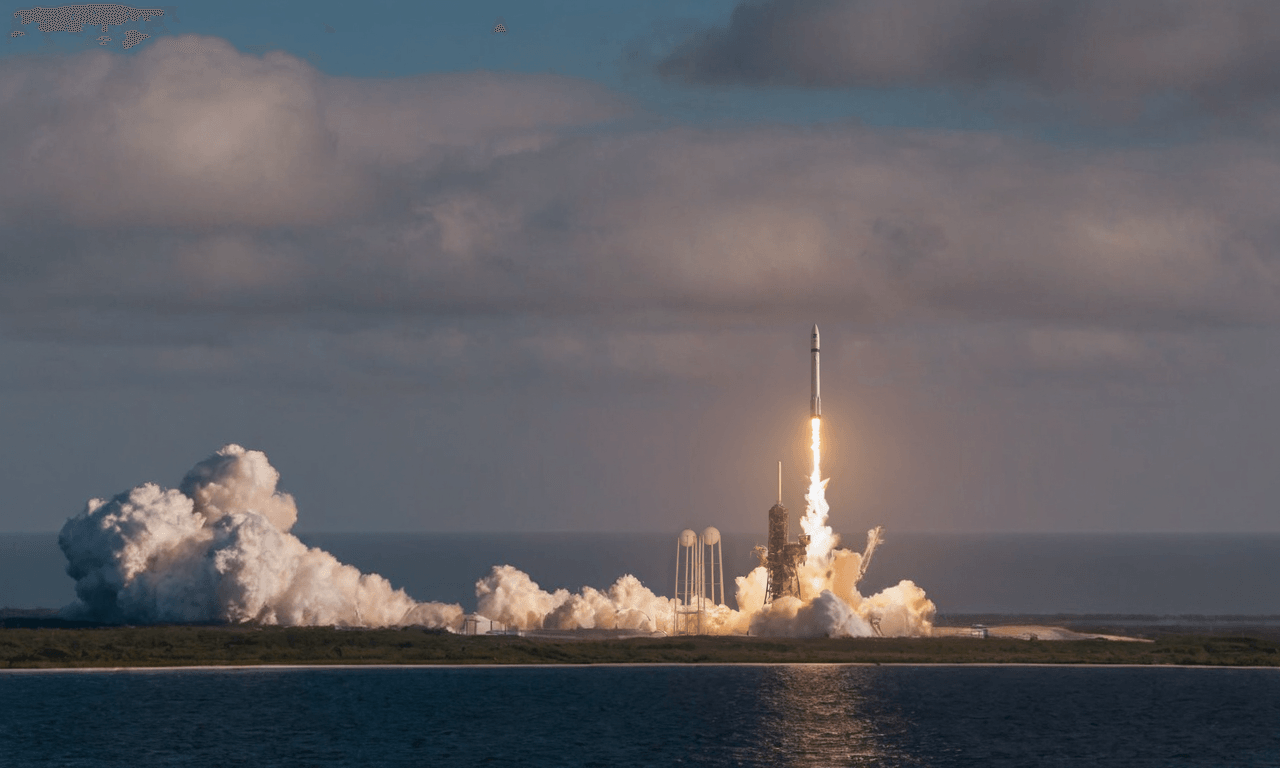
Today's briefing covers an exciting new satellite launch, a significant reentry, and unexpected space debris from a fragmentation event.
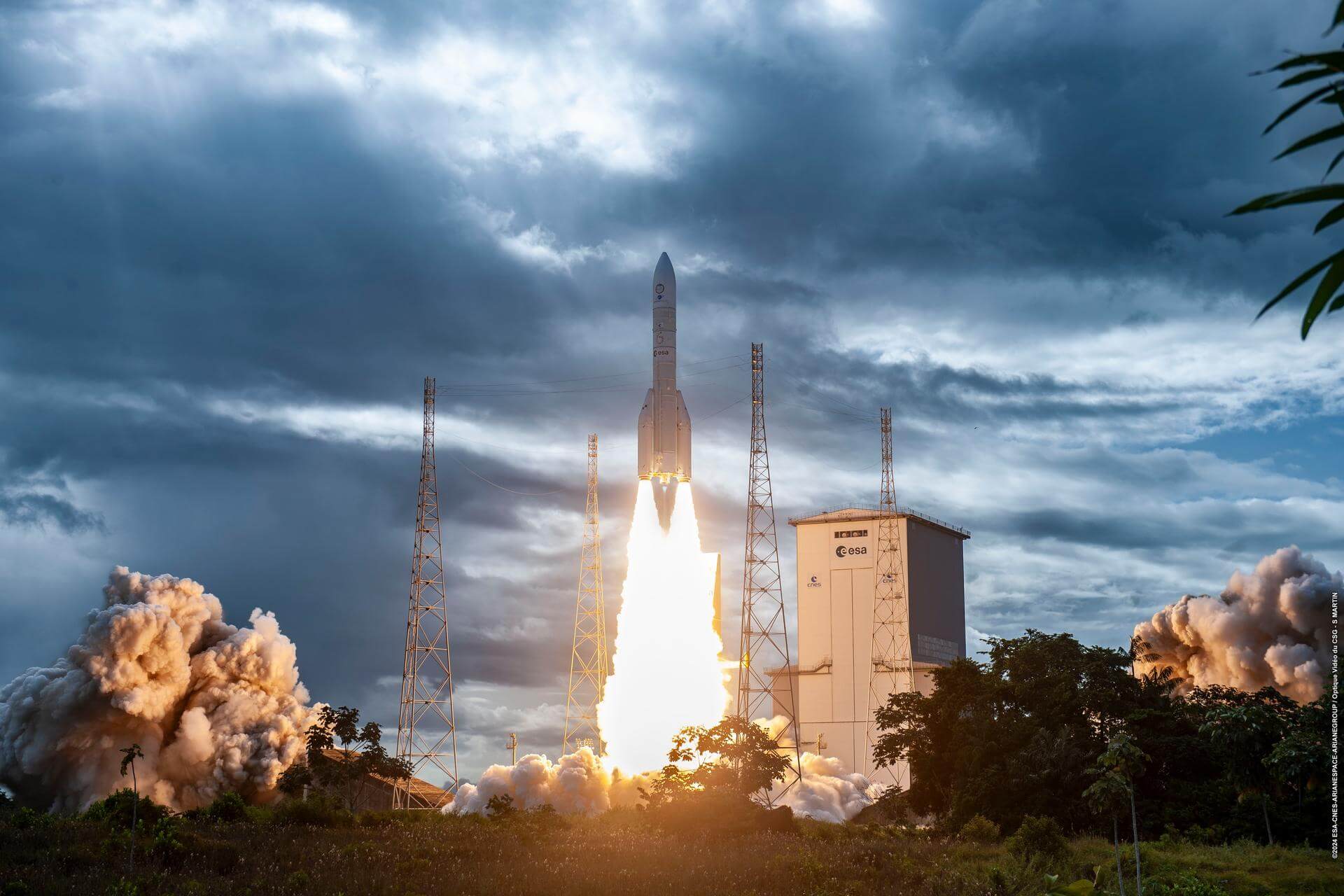
Today's space highlights include the US Space Force's advanced tracking contract, a milestone in SpaceX's Starlink program, and a new initiative to remove space debris.
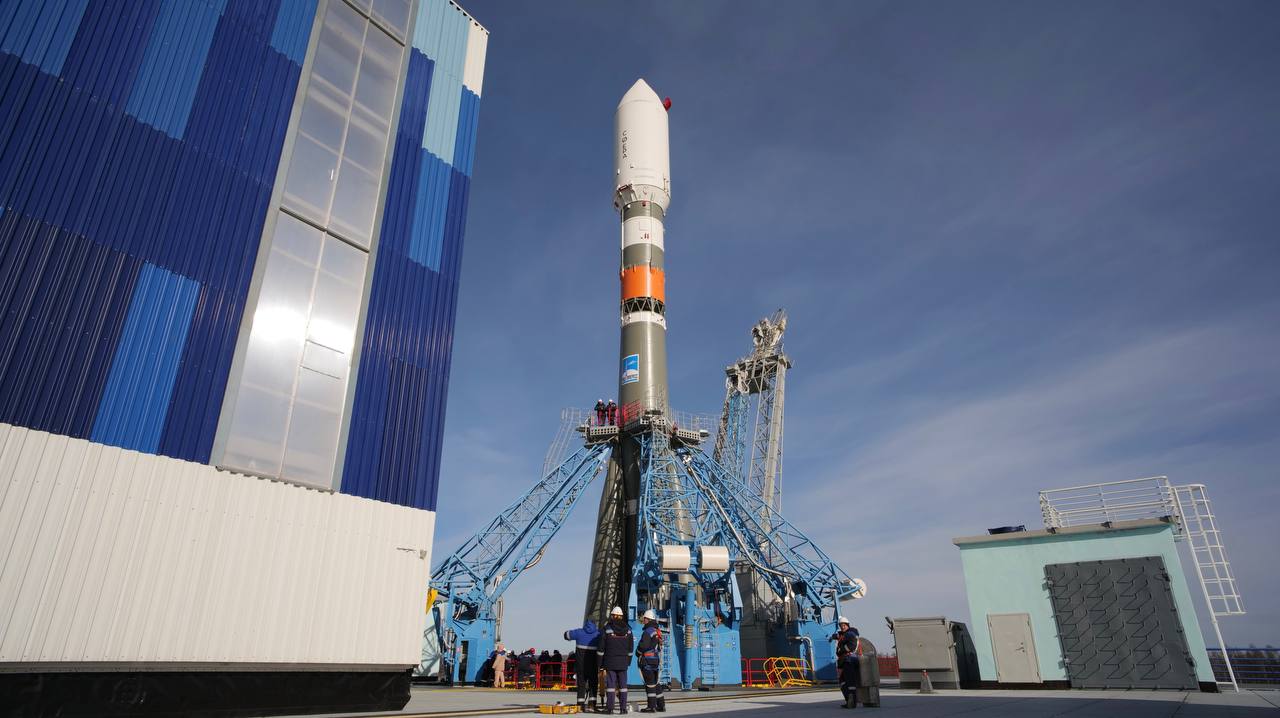
Today's Space Brief focuses on multi-billion dollar contracts for missile-tracking satellites, developments in optical nuclear clock research, and innovative drone projects for military collaboration.
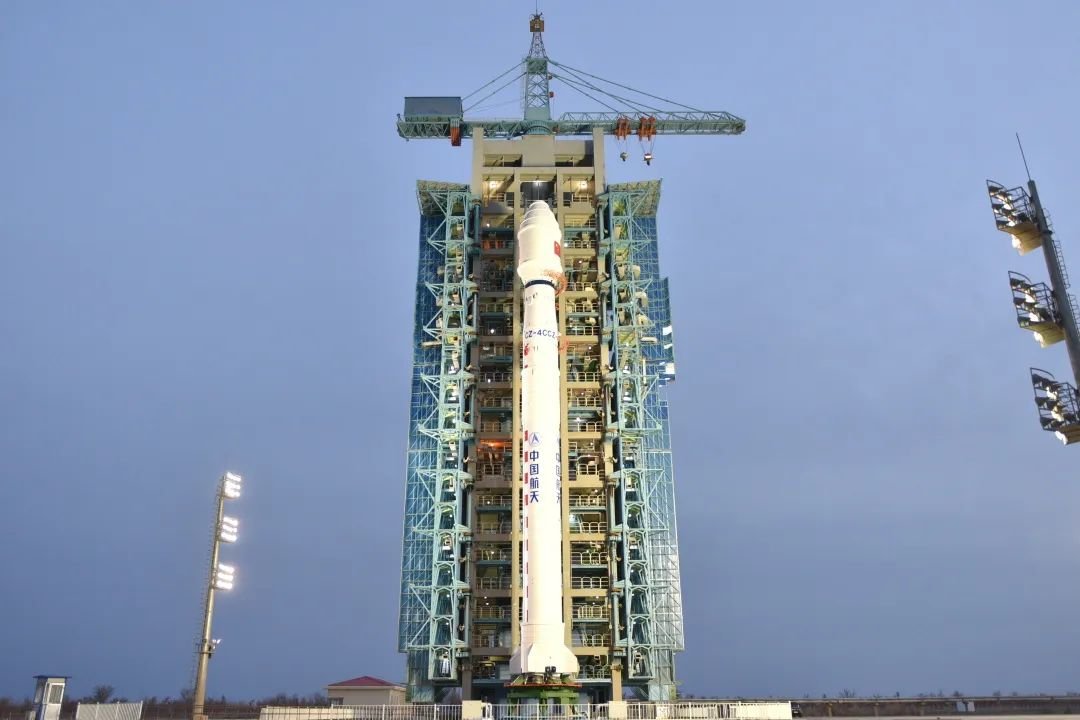
Today's Space Brief covers the inaugural national security mission of ULA's Vulcan Centaur, the Space Force's 2026 budget insights, and shifts in military drone technology.

SpaceX launches diabetes research mission to ISS; EU considers SES for Starlink support; Amazon's Kuiper enters satellite race.