



Space Brief 18 Aug 2025
Today's Space Brief covers significant satellite launches by SpaceX, an automated collision avoidance system development, Rocket Lab's strategic acquisition, and the rise of corporate-named satellites in orbit.


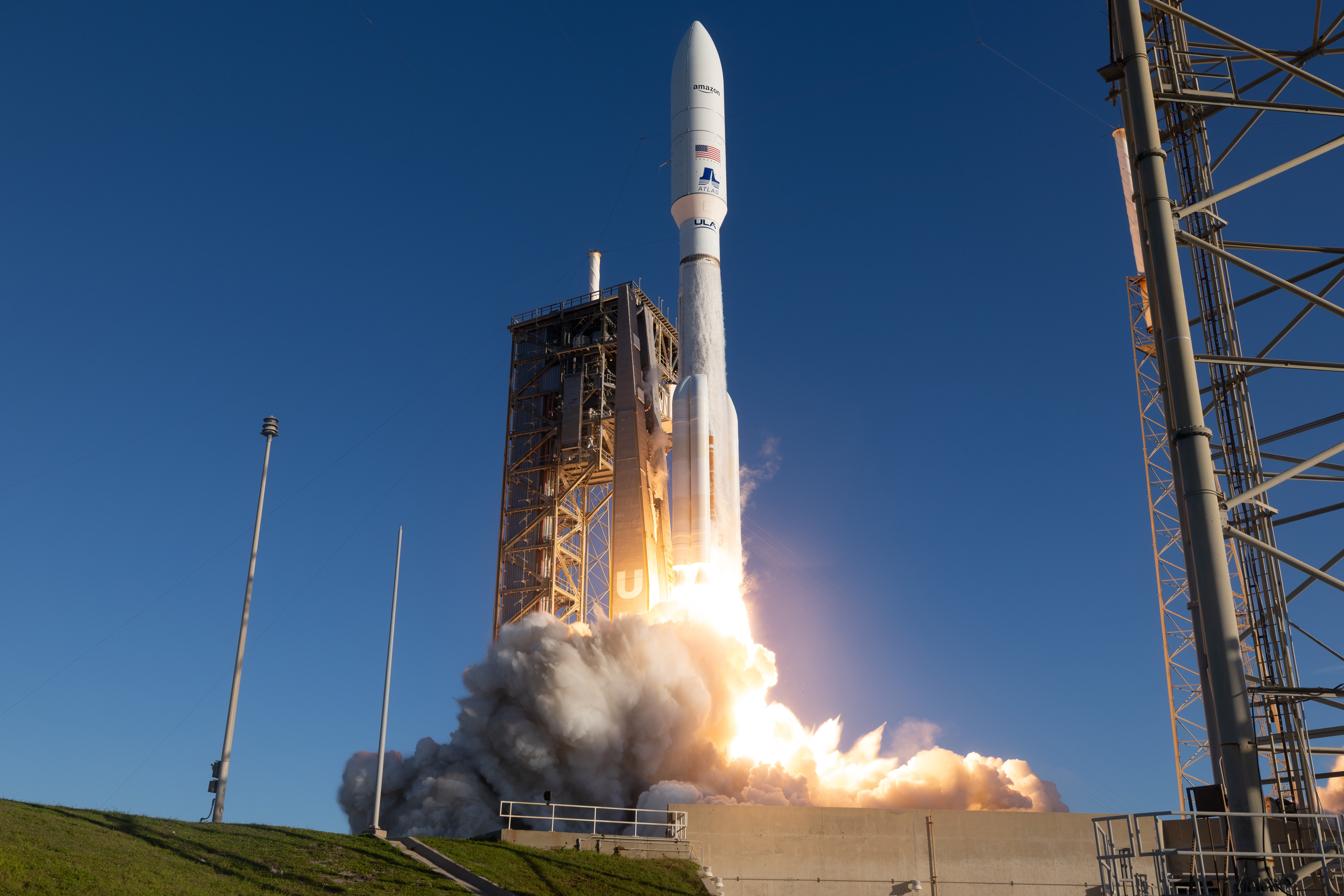
Launch Date
September 25, 2025
Launch Site
Launch Pad
SLC41
Launch Vehicle
Atlas V 551
NORAD ID
65769
International Designator
2025-217H
Epoch
Sun, 19 Jul 2026 21:28:01 GMT
Apogee
Calculating...
Perigee
Calculating...
Inclination
51.90°
Right Ascension
158.49°
Eccentricity
Calculating...
Argument of Perigee
73.82°
Period
97.30 min
Mean Motion
14.80 rev/day
Latitude
Calculating...
Longitude
Calculating...
Altitude
Calculating...
Velocity
Calculating...
Name
KUIPER-00148
Alternative Name
N/A
Type
Status
Owner
KUIP
Country
United States
Constellation
N/A
Related Satellites
Major Events
N/A
1 65769U 25217H 26200.89446228 -.00001918 00000+0 -22266-3 0 9994
2 65769 51.9043 158.4904 0000757 73.8215 286.2831 14.79926702 44738
Source: Celestrak
Apologies, there is no summary for this satellite yet. I am working to generate these for every object in the catalog, but it is going to take time.
Length
1.8
Diameter
0.7
Span
5.0
Dry Mass
490
Launch Mass
490
Shape
Box + 2 pan
Radar Cross Section
Unknown
Visual Magnitude
Unknown
Color
Unknown
Material Composition
Unknown
Payload
Kuiper KA03-08
Purpose
Unknown
Mission
Unknown
Manufacturer
KUIP
Life Expectancy
Unknown
Bus
Kuiper
Configuration
Unknown
Motor
Unknown
Equipment
Unknown
Power System
Unknown
ADCS
Unknown
Transmitter Frequency
Unknown
Learn more about satellites and other related topics.
Today's Space Brief covers significant satellite launches by SpaceX, an automated collision avoidance system development, Rocket Lab's strategic acquisition, and the rise of corporate-named satellites in orbit.

Today's Space Brief highlights major developments in satellite launches, regulatory milestones for spectrum sales, and the evolving landscape of space-related cyber conflicts.
GAO warns SDA missile-tracking satellite program overestimates tech readiness. SPACECOM pushes expanded on-orbit warfighting exercises. Congress advocates for enhanced GPS anti-jam capabilities.

Today's brief covers the U.S. Space Force's orbital carrier initiative, ULA Vulcan's approval for military launches, Rocket Lab's new contract with the Space Force, integrated data layers for military command, and advances in tactical surveillance.

SpaceX safely returns Crew-9 from ISS, launches new Starlink satellites, and showcases its satellite kit production capabilities.

SpaceX edges closer to increased Starship launch approvals, secures lunar rover delivery, eyes potential military collaboration, and continues rapid satellite deployment.
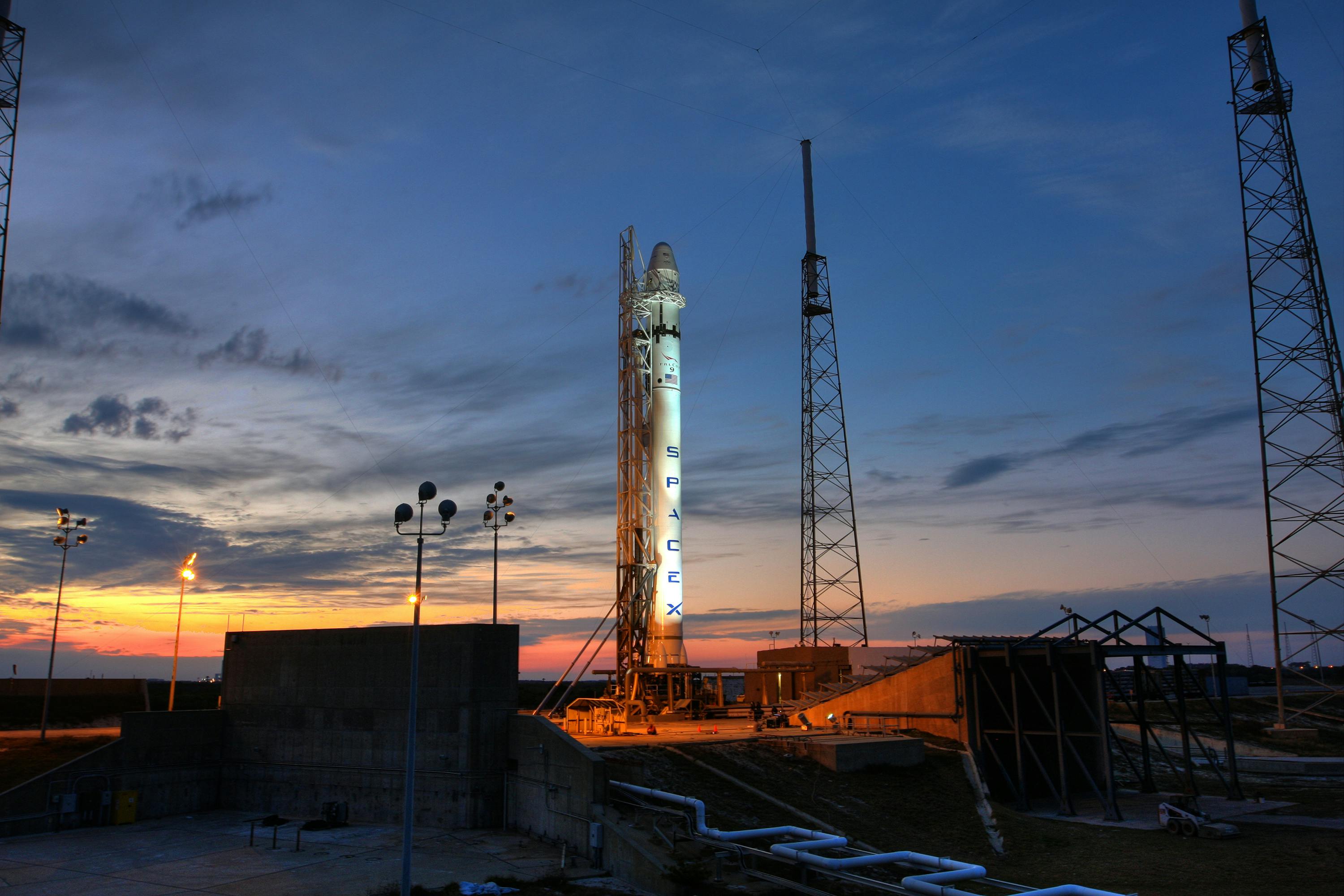
Booster B1067 sets a new Falcon 9 reuse record on its 36th flight, lifting Starlink 10-42 from Cape Canaveral at 5:25 a.m. EDT.
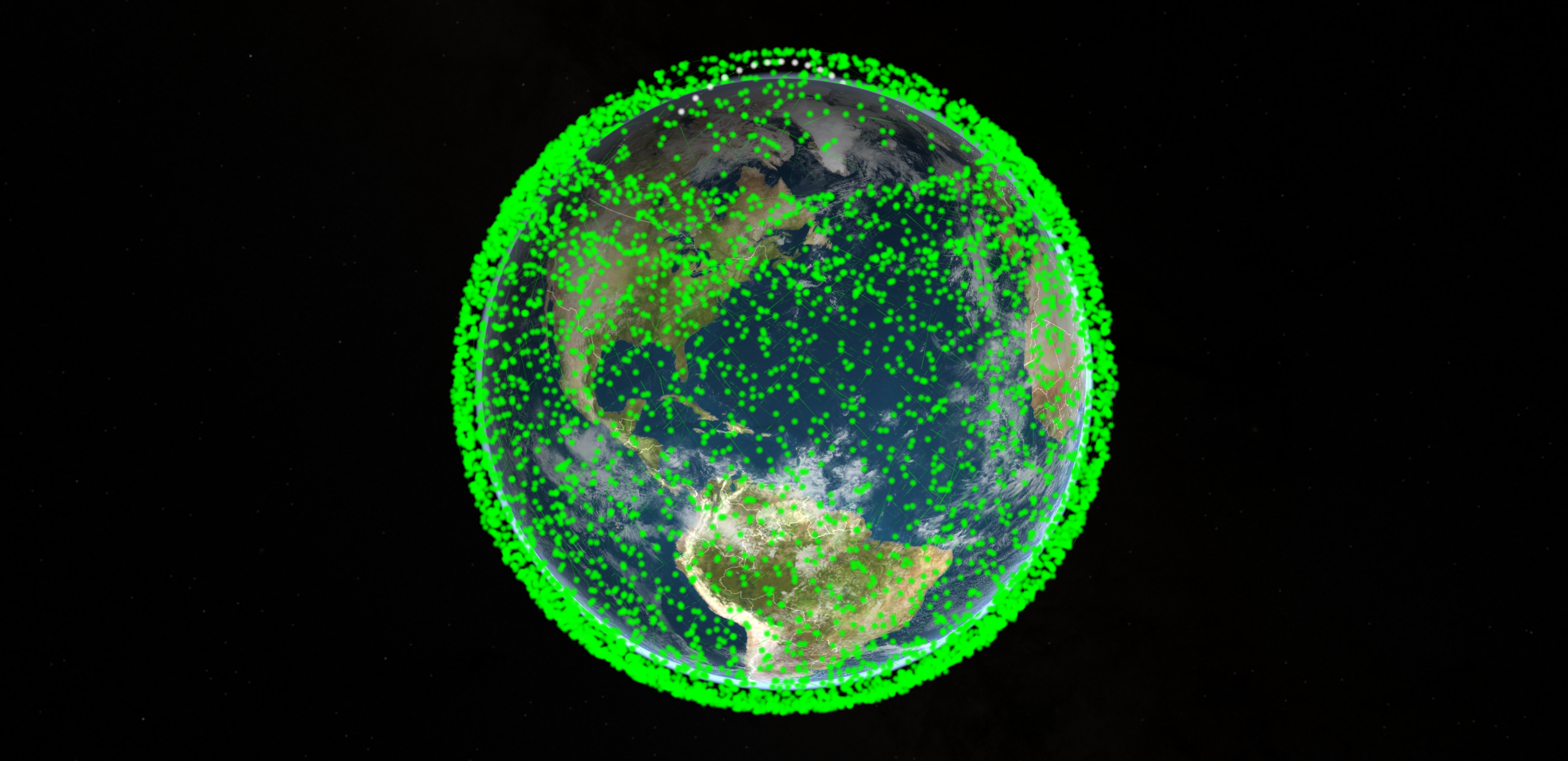
STARLINK-34343 broke apart at 560 kilometers. SpaceX's response - launch more satellites the next morning - tells you everything about the confidence gap between fleet statistics and individual failure modes.