


Artemis 2 Returns to Pad, Targets April 1 Launch | KeepTrack Space Brief
NASA's SLS and Orion spacecraft rolled back to Launch Complex 39B, targeting April 1 for first crewed lunar flyby with four astronauts aboard.



Launch Date
September 21, 2025
Launch Site
Launch Pad
LC40
Launch Vehicle
NORAD ID
65686
International Designator
2025-212L
Epoch
Sun, 19 Jul 2026 22:37:09 GMT
Apogee
Calculating...
Perigee
Calculating...
Inclination
53.16°
Right Ascension
79.86°
Eccentricity
Calculating...
Argument of Perigee
83.88°
Period
93.85 min
Mean Motion
15.34 rev/day
Latitude
Calculating...
Longitude
Calculating...
Altitude
Calculating...
Velocity
Calculating...
Name
STARLINK-35137
Alternative Name
N/A
Type
Status
Owner
SPXS
Country
United States
Constellation
N/A
Related Satellites
Major Events
N/A
1 65686U 25212L 26200.94246855 .00010655 00000+0 32604-3 0 9990
2 65686 53.1591 79.8577 0001365 83.8848 276.2310 15.34398792 47603
Source: Celestrak
Length
0.3
Diameter
4.1
Span
29.0
Dry Mass
530
Launch Mass
575
Shape
Box + pan
Radar Cross Section
Unknown
Visual Magnitude
Unknown
Color
Unknown
Material Composition
Unknown
Payload
Starlink Group 10-27-11
Purpose
Unknown
Mission
Unknown
Manufacturer
SPXS
Life Expectancy
Unknown
Bus
Starlink V2MO
Configuration
Unknown
Motor
Unknown
Equipment
Unknown
Power System
Unknown
ADCS
Unknown
Transmitter Frequency
Unknown
Learn more about satellites and other related topics.
NASA's SLS and Orion spacecraft rolled back to Launch Complex 39B, targeting April 1 for first crewed lunar flyby with four astronauts aboard.
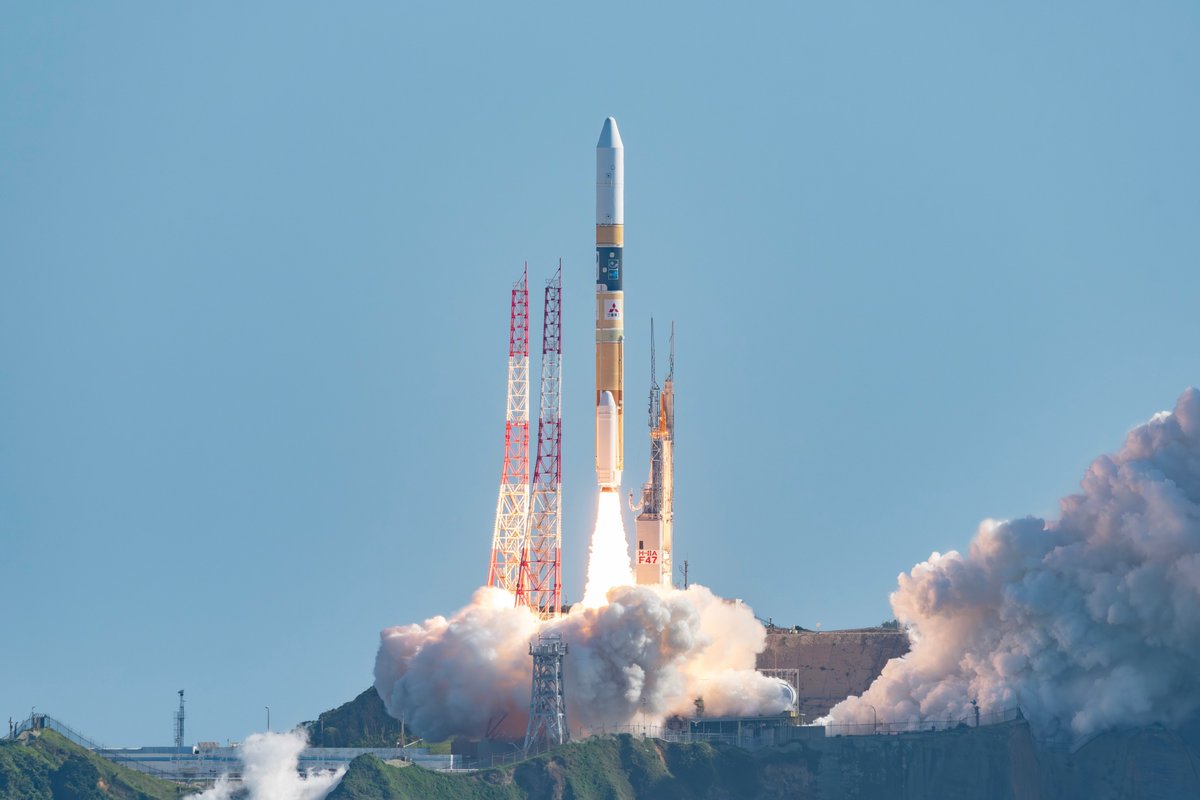
Today's edition covers SpaceX's Starlink launch delay, a breakthrough in ceramic manufacturing for space, and Momentus's orbital tech demo, among other headlines.
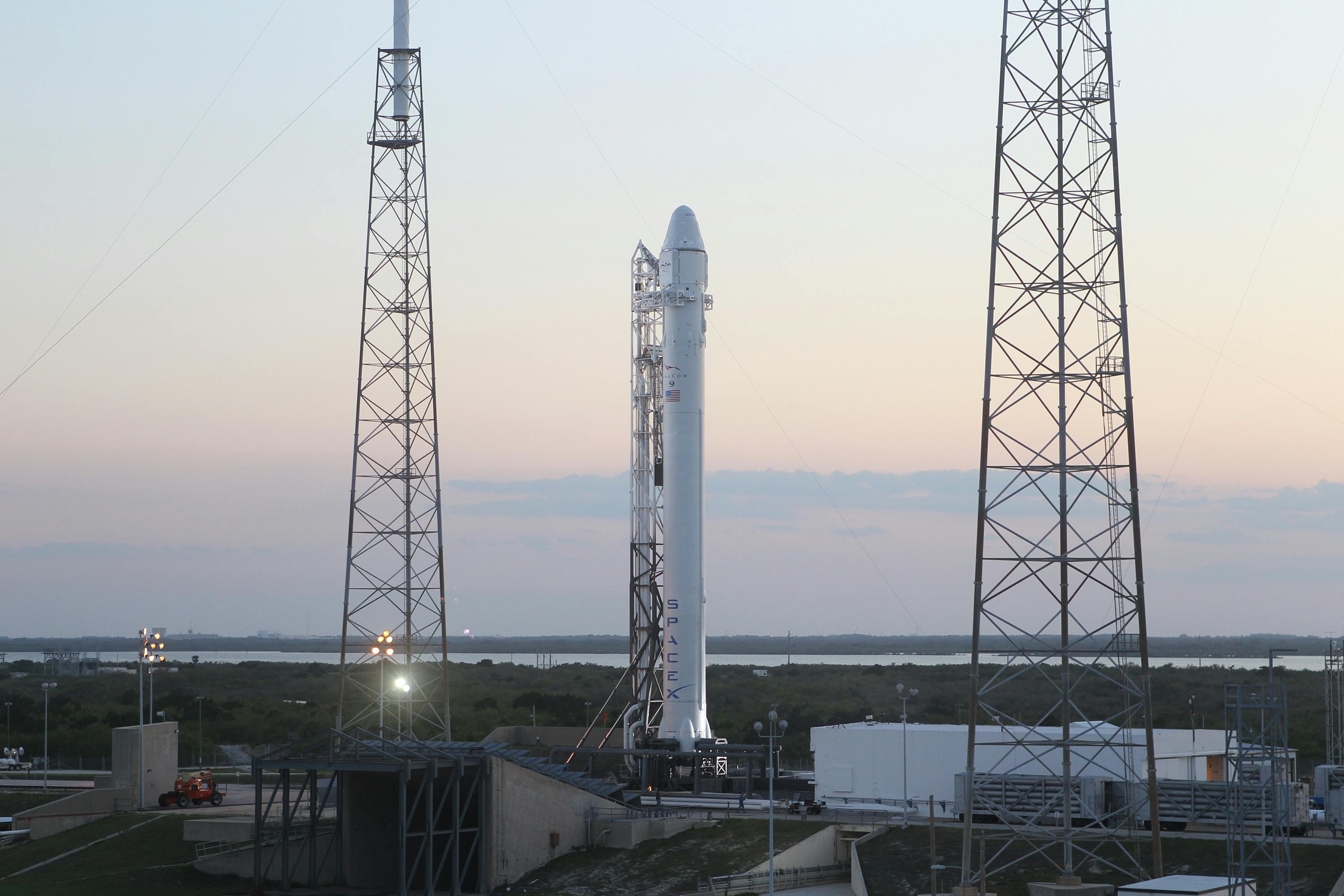
SpaceX successfully launches NASA missions, prepares for Crew-10 flight, and overcomes Falcon 9 launch anomalies.
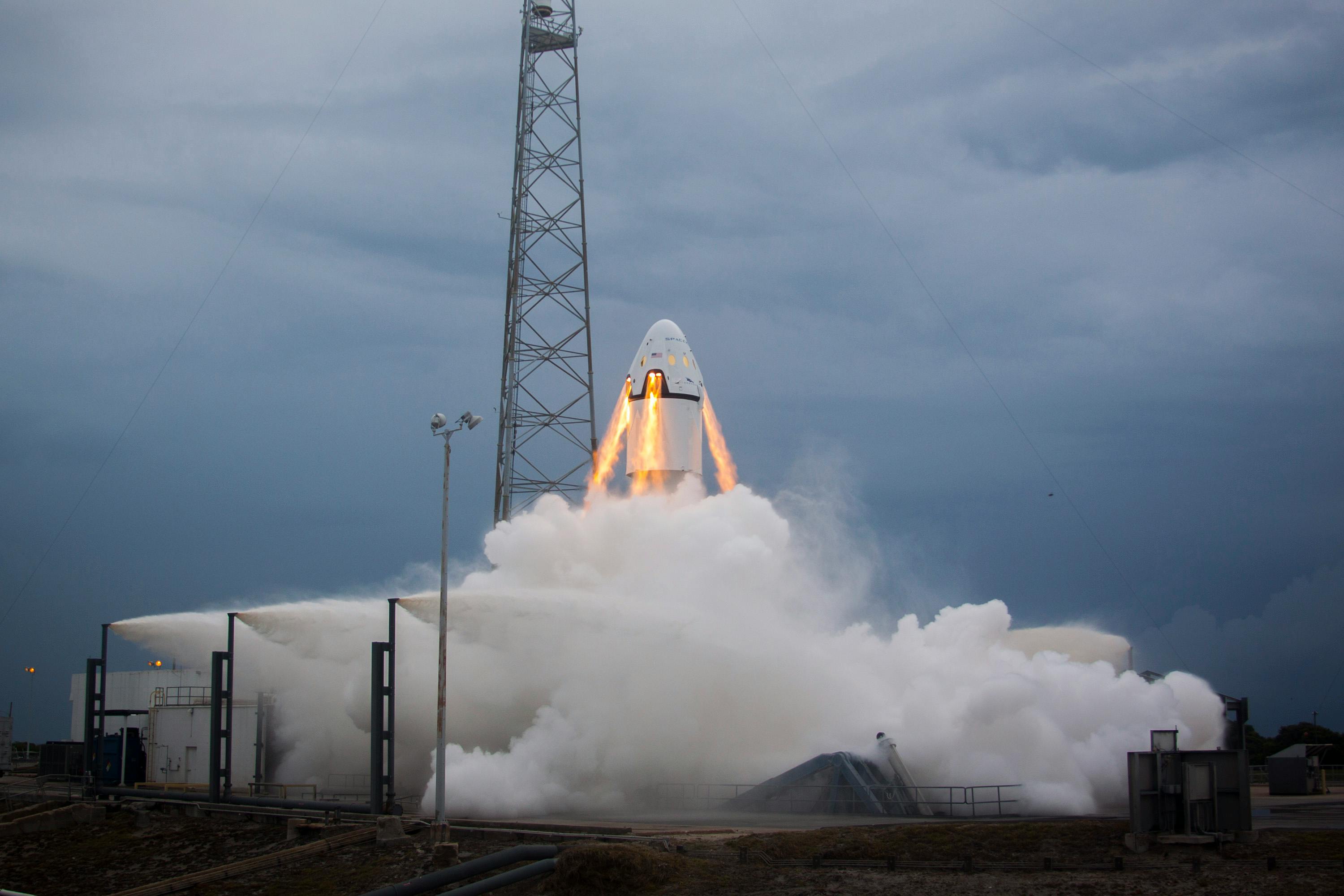
SpaceX receives approval for a new Starship launch complex, while Blue Origin capitalizes on potential challenges faced by SpaceX in lunar missions.
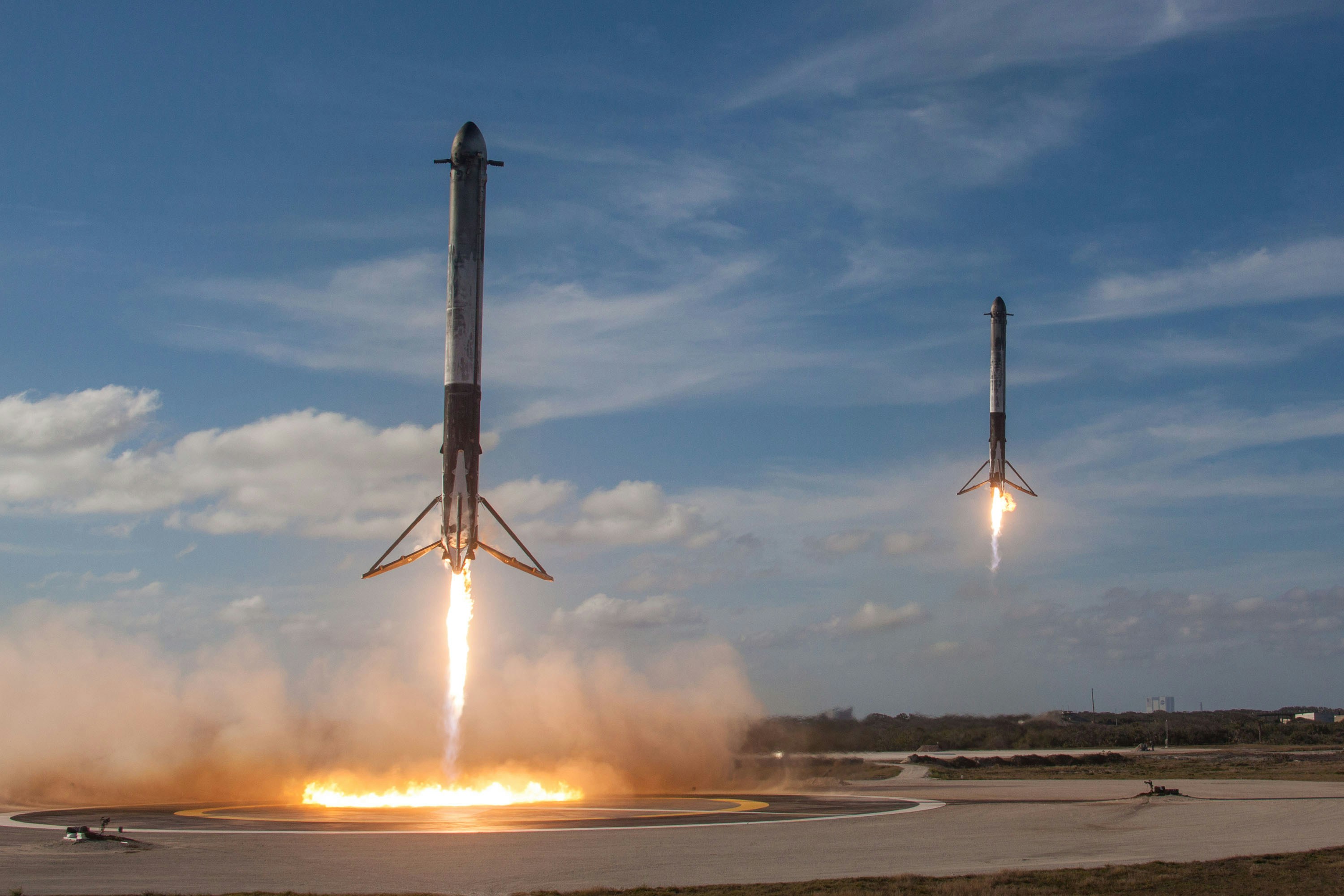
SpaceX's Falcon Heavy targets a second launch attempt for ViaSat-3 F3, while Artemis III slips to late 2027 and Musk earns a Mars milestone bonus.

Today's highlights include Space Force's new satcom design contracts, advances in AI training tools, Pentagon drone policy shifts, and the first Eris launch's failure.
Key military and technology developments in space; US Space Force and Army strategize national security with new rocket certifications and space training initiatives.
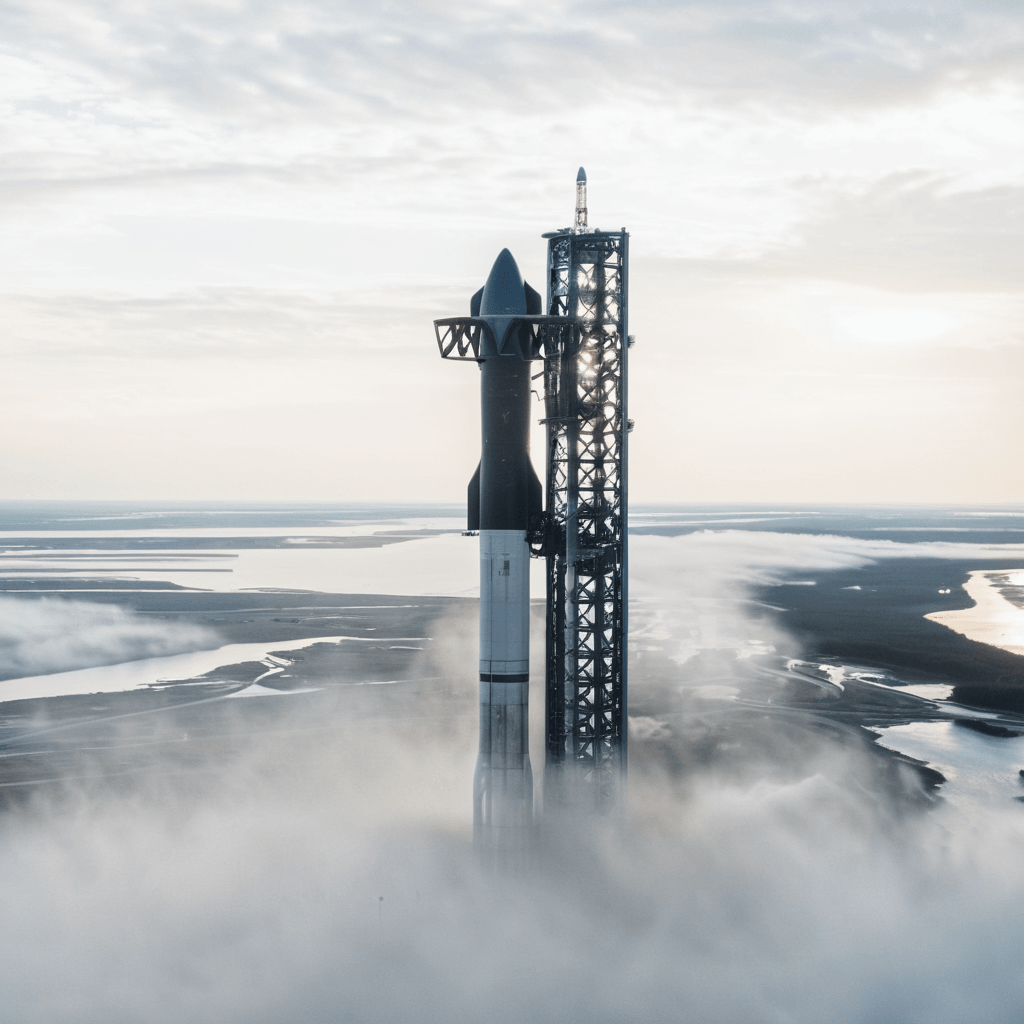
As the largest and most powerful rocket ever built, it's designed for full reusability and rapid launch turnaround. SpaceX claims it could carry over 100 tons to low Earth orbit at a fraction of current costs.