


$4.16B Golden Dome Contract Awarded to SpaceX | KeepTrack X Report
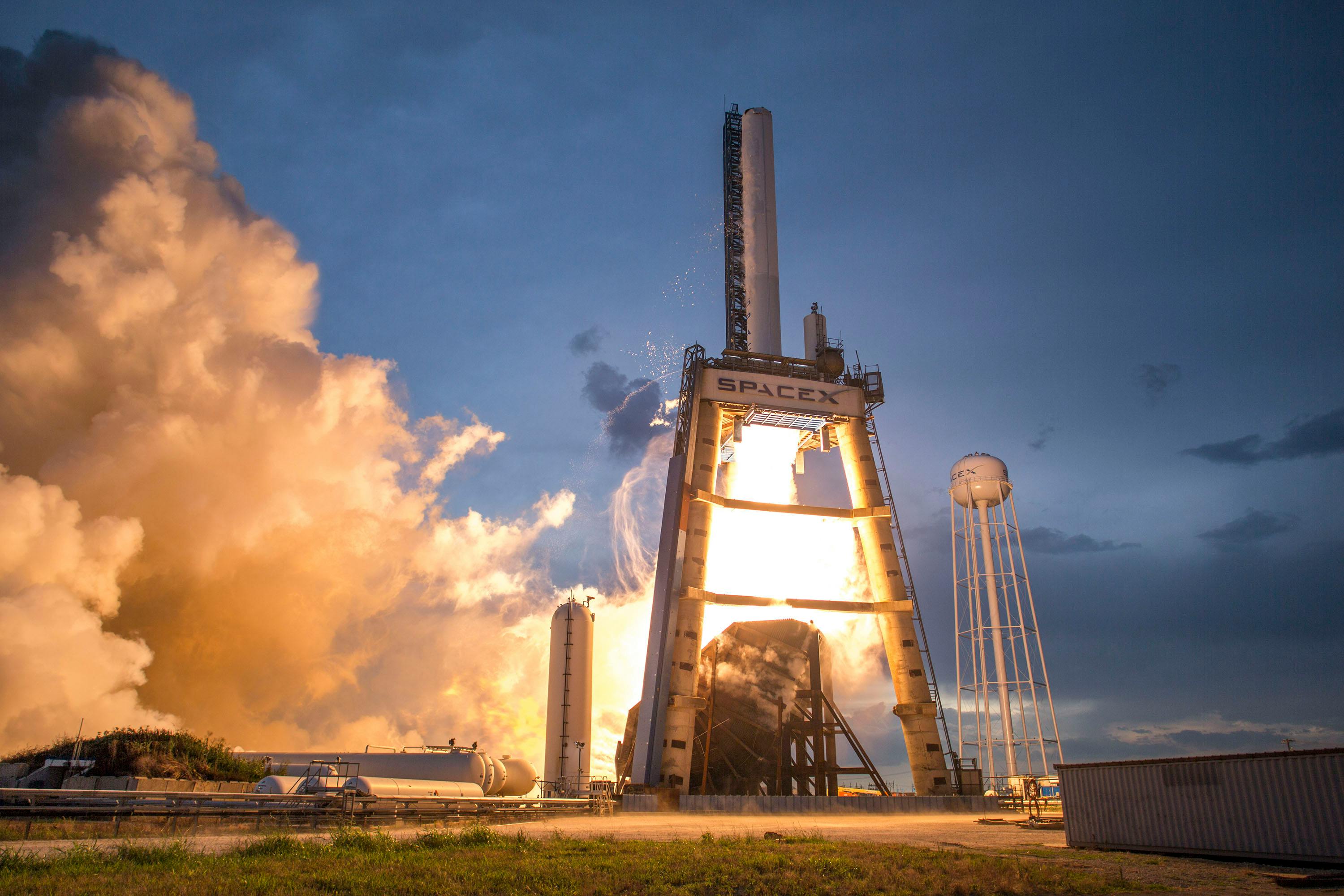
SpaceX wins a $4.16B Pentagon contract for missile-tracking satellites, while hitting its 50th Starlink launch of 2026 in a landmark May.



Launch Date
September 21, 2025
Launch Site
Launch Pad
LC40
Launch Vehicle
NORAD ID
65684
International Designator
2025-212J
Epoch
Sun, 19 Jul 2026 23:46:57 GMT
Apogee
Calculating...
Perigee
Calculating...
Inclination
53.16°
Right Ascension
90.15°
Eccentricity
Calculating...
Argument of Perigee
104.14°
Period
93.85 min
Mean Motion
15.34 rev/day
Latitude
Calculating...
Longitude
Calculating...
Altitude
Calculating...
Velocity
Calculating...
Name
STARLINK-34795
Alternative Name
N/A
Type
Status
Owner
SPXS
Country
United States
Constellation
N/A
Related Satellites
Major Events
N/A
1 65684U 25212J 26200.99093895 .00002967 00000+0 98941-4 0 9991
2 65684 53.1591 90.1511 0001411 104.1436 255.9724 15.34394273 47464
Source: Celestrak
Length
0.3
Diameter
4.1
Span
29.0
Dry Mass
530
Launch Mass
575
Shape
Box + pan
Radar Cross Section
Unknown
Visual Magnitude
Unknown
Color
Unknown
Material Composition
Unknown
Payload
Starlink Group 10-27-09
Purpose
Unknown
Mission
Unknown
Manufacturer
SPXS
Life Expectancy
Unknown
Bus
Starlink V2MO
Configuration
Unknown
Motor
Unknown
Equipment
Unknown
Power System
Unknown
ADCS
Unknown
Transmitter Frequency
Unknown
Learn more about satellites and other related topics.
SpaceX wins a $4.16B Pentagon contract for missile-tracking satellites, while hitting its 50th Starlink launch of 2026 in a landmark May.

SpaceX's proposed 1-million-satellite AI data center constellation alarms astronomers as Falcon 9 logs its 25th Starlink launch of 2026.

SpaceX advances Starship development while planning future replacements for Falcon and Dragon.
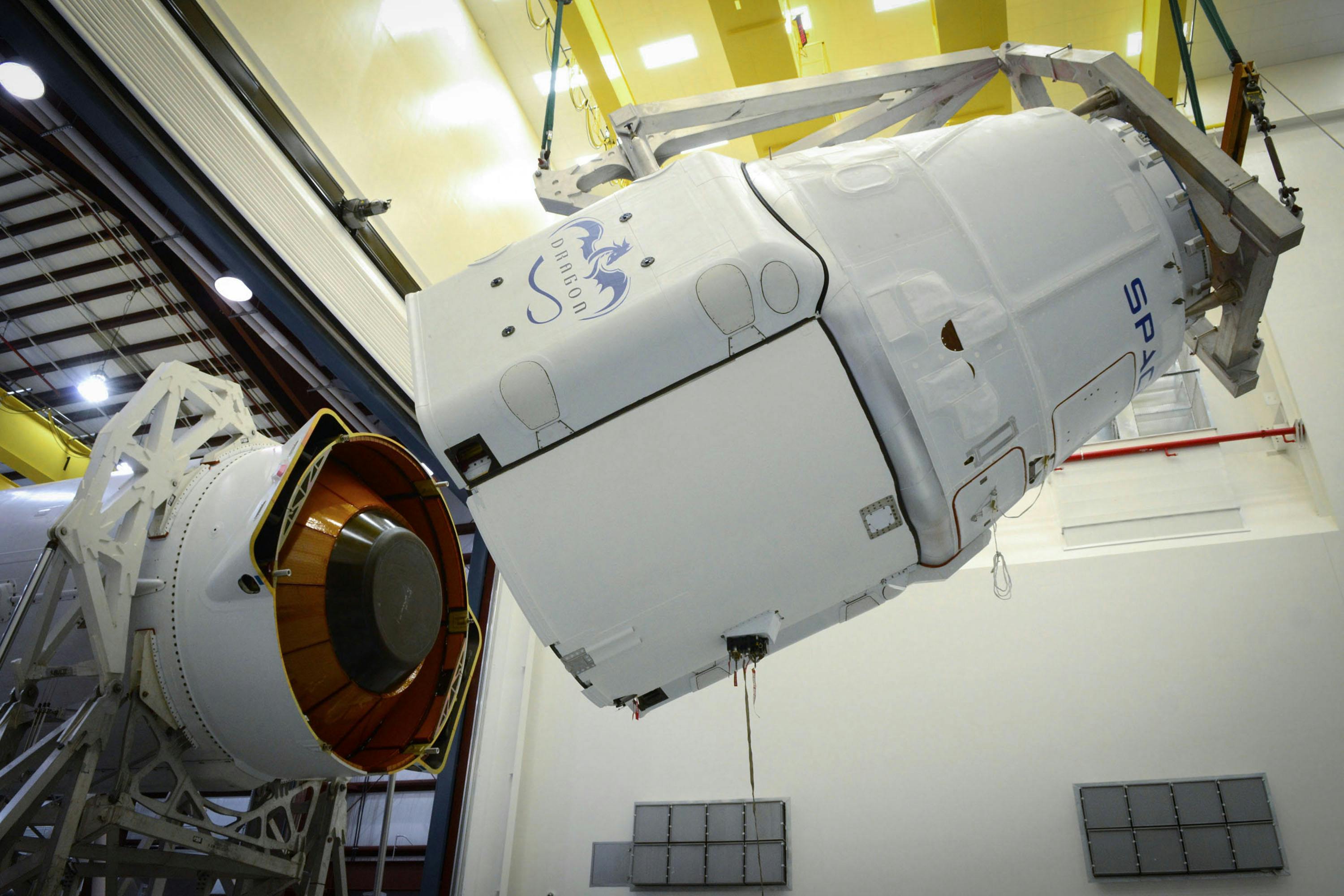
SpaceX's Starlink dish offers gigabit speeds, boosting competitiveness; NRO taps SpaceX for satellite launches, expanding spy satellite network.

Today's key topics include delays in Vulcan's national security launches, a significant network upgrade contract for the Space Force, and military interest in SpaceX's Starship.

SpaceX receives FAA clearance for Starship Flight 10 and celebrates its 100th Falcon 9 launch of the year, successfully deploying 24 Starlink satellites.

Falcon Heavy flew for the first time in eighteen months on April 29, 2026, expending its center core to push Viasat's final ViaSat-3 satellite toward geostationary orbit. The mission is a flagship rocket doing what only it can still do, for an operator betting six tons of high-throughput hardware on a market Starlink is rapidly redefining.

We forecast how many satellites could be in orbit by 2030 and what capabilities we can expect.