


GPS III SV10 Launches on Falcon 9, X Report 20 Apr 2026
GPS III SV10 launched April 21 on a SpaceX Falcon 9 with 3x better accuracy and 8x anti-jamming. Starlink stands at 10,263 working satellites.



Launch Date
September 18, 2025
Launch Site
Launch Pad
LC40
Launch Vehicle
NORAD ID
65625
International Designator
2025-210D
Epoch
Sun, 19 Jul 2026 20:00:15 GMT
Apogee
Calculating...
Perigee
Calculating...
Inclination
53.16°
Right Ascension
50.40°
Eccentricity
Calculating...
Argument of Perigee
93.81°
Period
93.85 min
Mean Motion
15.34 rev/day
Latitude
Calculating...
Longitude
Calculating...
Altitude
Calculating...
Velocity
Calculating...
Name
STARLINK-35153
Alternative Name
N/A
Type
Status
Owner
SPXS
Country
United States
Constellation
N/A
Related Satellites
Major Events
N/A
1 65625U 25210D 26200.83351825 .00017103 00000+0 51587-3 0 9999
2 65625 53.1592 50.3982 0001414 93.8083 266.3081 15.34416930 47923
Source: Celestrak
Length
0.3
Diameter
4.1
Span
29.0
Dry Mass
530
Launch Mass
575
Shape
Box + pan
Radar Cross Section
Unknown
Visual Magnitude
Unknown
Color
Unknown
Material Composition
Unknown
Payload
Starlink Group 10-61-04
Purpose
Unknown
Mission
Unknown
Manufacturer
SPXS
Life Expectancy
Unknown
Bus
Starlink V2MO
Configuration
Unknown
Motor
Unknown
Equipment
Unknown
Power System
Unknown
ADCS
Unknown
Transmitter Frequency
Unknown
Learn more about satellites and other related topics.
GPS III SV10 launched April 21 on a SpaceX Falcon 9 with 3x better accuracy and 8x anti-jamming. Starlink stands at 10,263 working satellites.

This edition highlights SpaceX's ambitious plans for Starship in light of recent developments, a busy launch week featuring multiple missions, and the latest updates on Starlink's operational status.
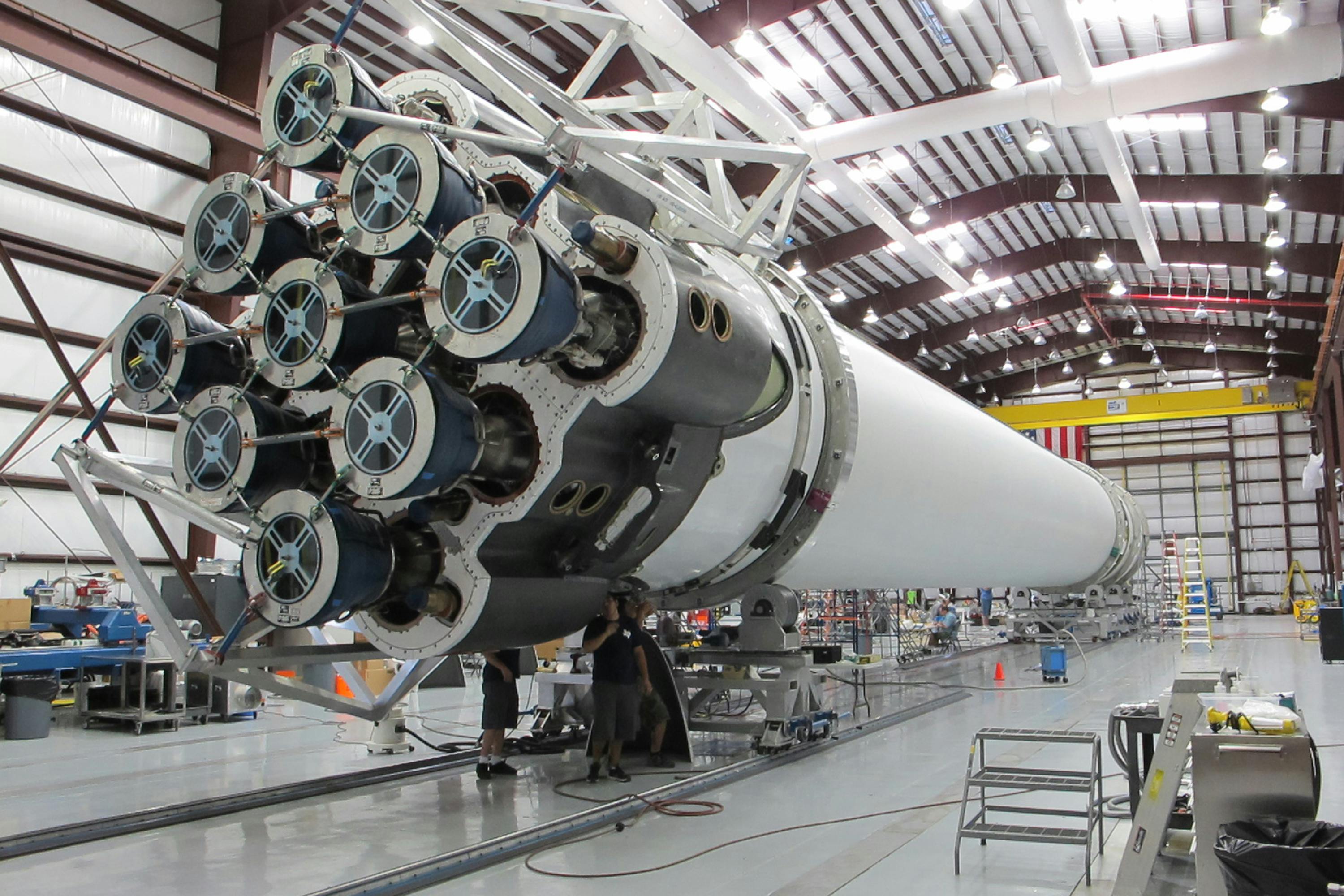
SpaceX prepares for the next Starship test flight with significant vehicle upgrades, launches UAE's Thuraya-4 satellite, and reflects on a record-breaking 2024 while planning for a promising 2025.
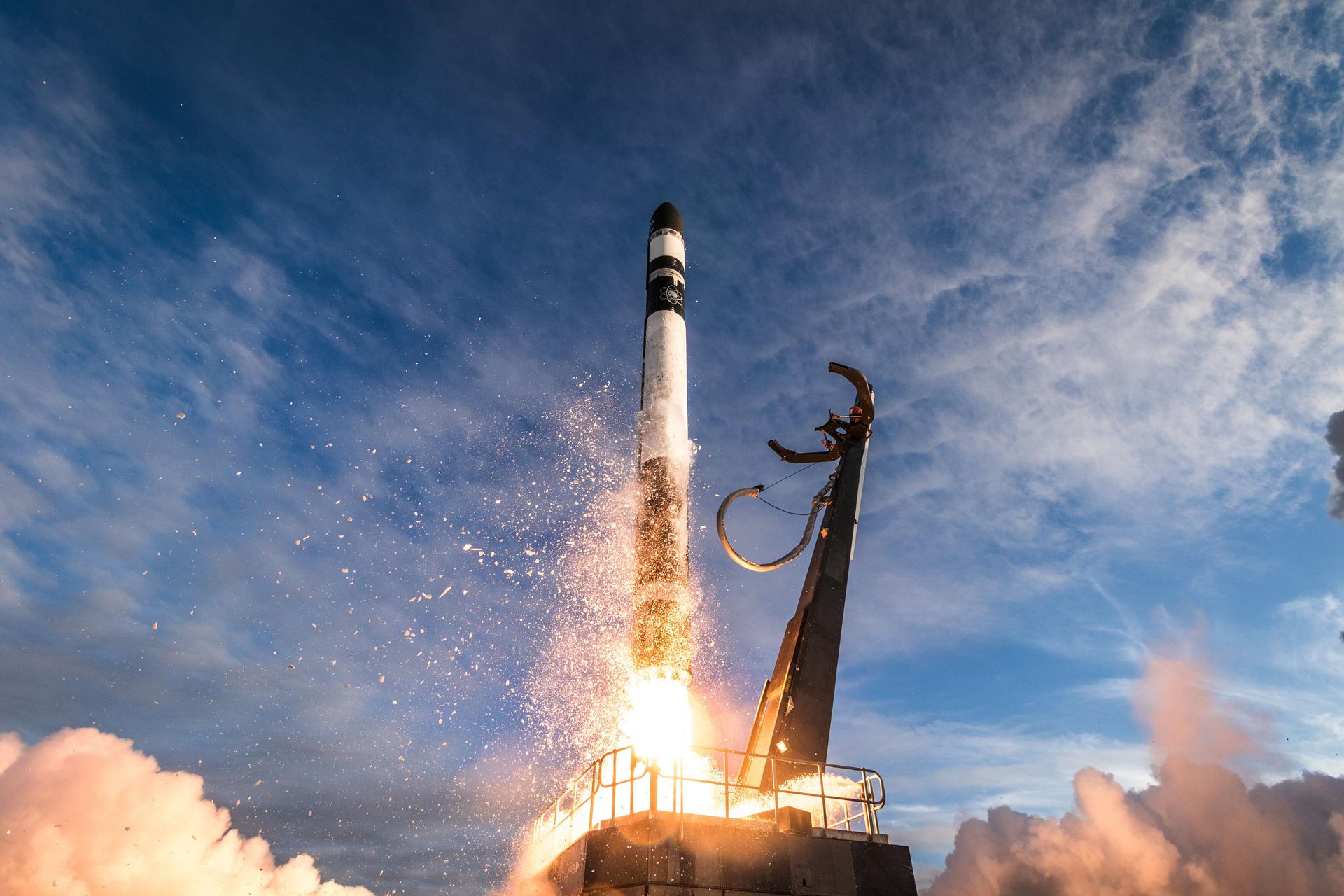
Today's highlights include a SpaceX launch of Starlink satellites, a pivotal delivery to the Space Force, and significant Senate funding for NASA missions.
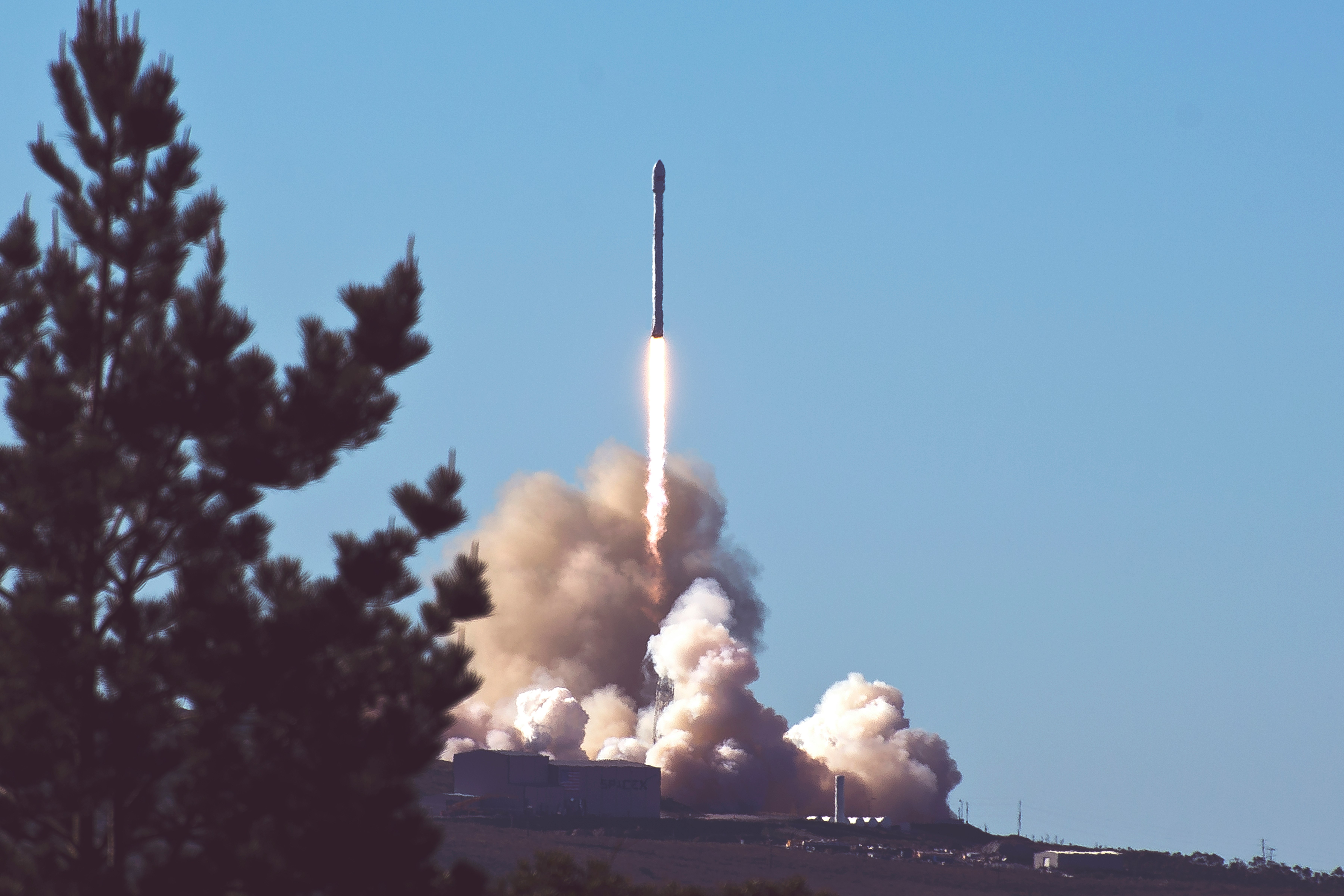
SpaceX successfully launched 28 Starlink satellites and settled a lawsuit, while Starlink's performance faces scrutiny in Ukraine. Additionally, MTN is enhancing Starlink's business services.
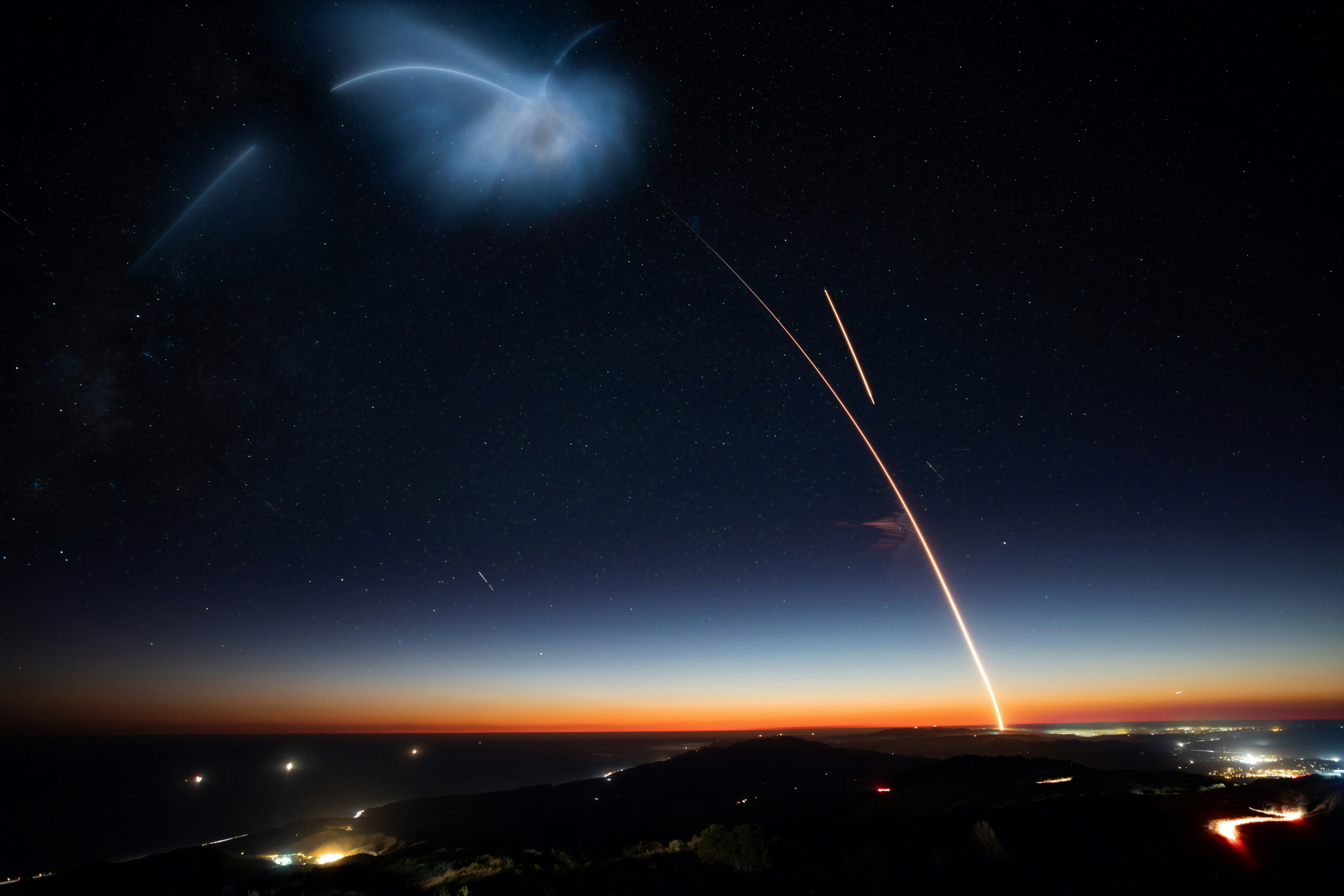
Tesla's Cybertruck fleet integrates with SpaceX operations at Starbase, showcasing synergy between Musk's companies.
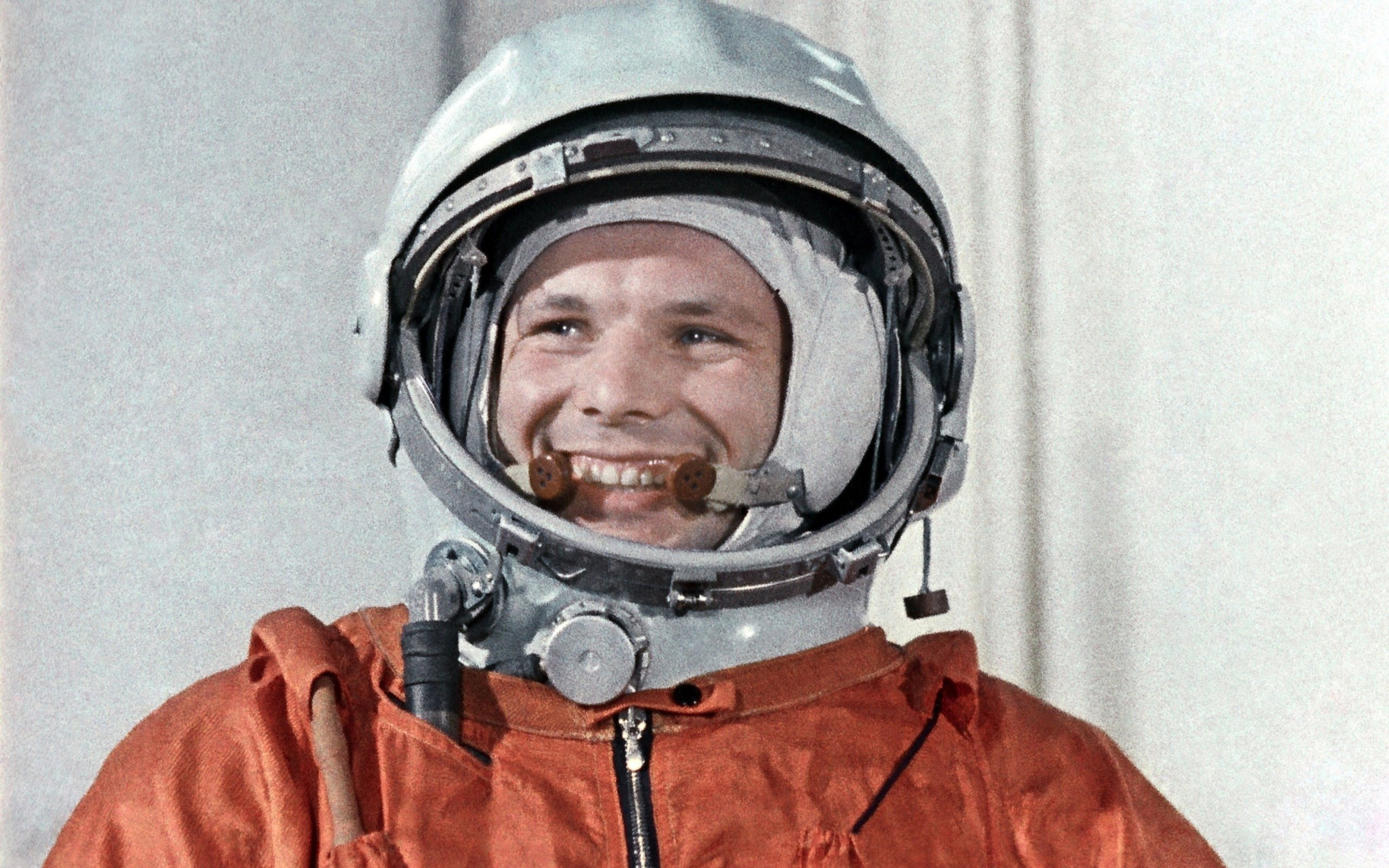
On April 12, 1961, a 27-year-old Soviet pilot rode a modified ICBM into orbit and came back alive after 108 minutes. Exactly twenty years later, two Americans climbed aboard an untested spacecraft covered in 31,000 ceramic tiles and bet their lives that the math was right.

CENTCOM confirms first-ever combat use of PrSM against Iranian targets. Space Force VP calls for aggressive end strength growth. Artemis II boosters on pad.