


X Report 19 Jan 2025
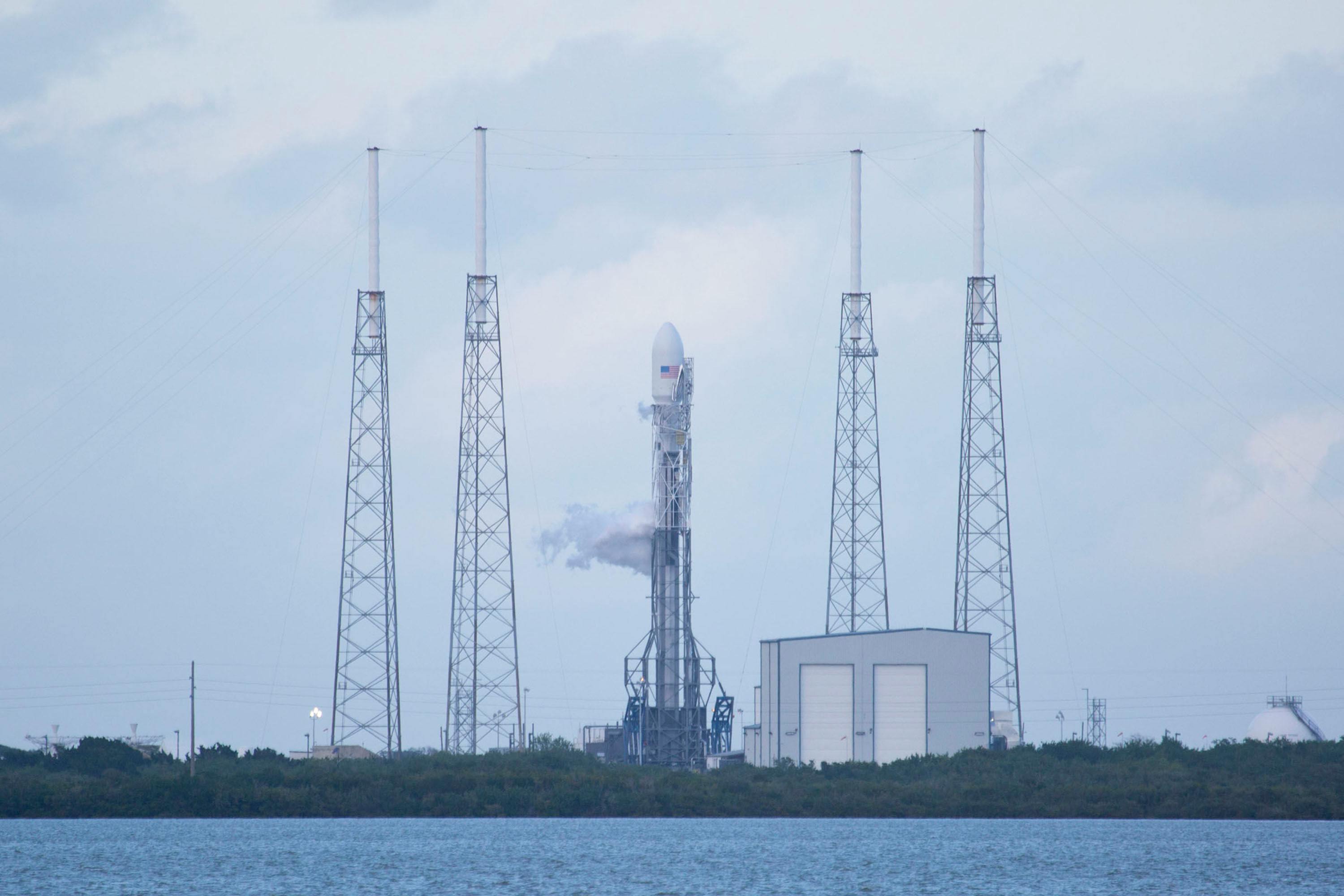
SpaceX prepares to launch 27 Starlink satellites in its first mission since the recent Starship explosion, while the FAA investigates debris reports from the failed test flight.



Launch Date
September 8, 2025
Launch Site
YSLA
Launch Pad
LP6
Launch Vehicle
Jielong-3
NORAD ID
65557
International Designator
2025-201H
Epoch
Sun, 19 Jul 2026 19:57:28 GMT
Apogee
Calculating...
Perigee
Calculating...
Inclination
49.98°
Right Ascension
245.43°
Eccentricity
Calculating...
Argument of Perigee
355.81°
Period
97.44 min
Mean Motion
14.78 rev/day
Latitude
Calculating...
Longitude
Calculating...
Altitude
Calculating...
Velocity
Calculating...
Name
GEESAT 5-08
Alternative Name
N/A
Type
Status
Owner
GEESP
Country
China
Constellation
N/A
Related Satellites
Major Events
N/A
1 65557U 25201H 26200.83157984 .00000353 00000+0 78519-4 0 9997
2 65557 49.9764 245.4328 0014663 355.8054 4.2756 14.77826070 46687
Source: Celestrak
Apologies, there is no summary for this satellite yet. I am working to generate these for every object in the catalog, but it is going to take time.
Length
1.0
Diameter
0.5
Span
2.0
Dry Mass
130
Launch Mass
130
Shape
Box + 2 pan
Radar Cross Section
Unknown
Visual Magnitude
Unknown
Color
Unknown
Material Composition
Unknown
Payload
GeeSAT 5-08
Purpose
Unknown
Mission
Unknown
Manufacturer
GWCG
Life Expectancy
Unknown
Bus
GPS100
Configuration
Unknown
Motor
Unknown
Equipment
Unknown
Power System
Unknown
ADCS
Unknown
Transmitter Frequency
Unknown
Learn more about satellites and other related topics.
SpaceX prepares to launch 27 Starlink satellites in its first mission since the recent Starship explosion, while the FAA investigates debris reports from the failed test flight.
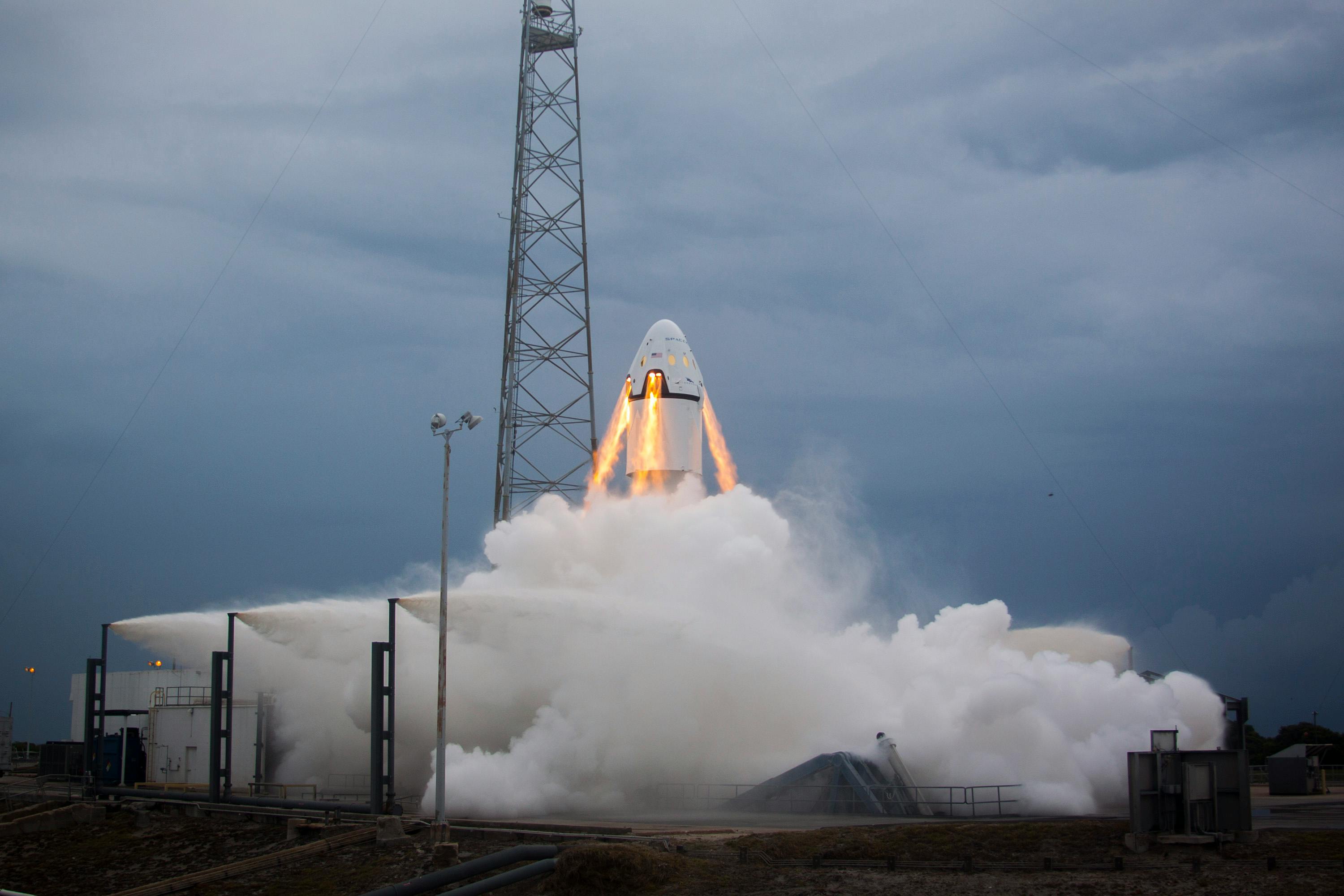
Explore today's space news including Space Force's five-year reflection, Rocket Lab's military hypersonic test, SpaceX's festive launch, and a glimpse at China's strategic space maneuvers.
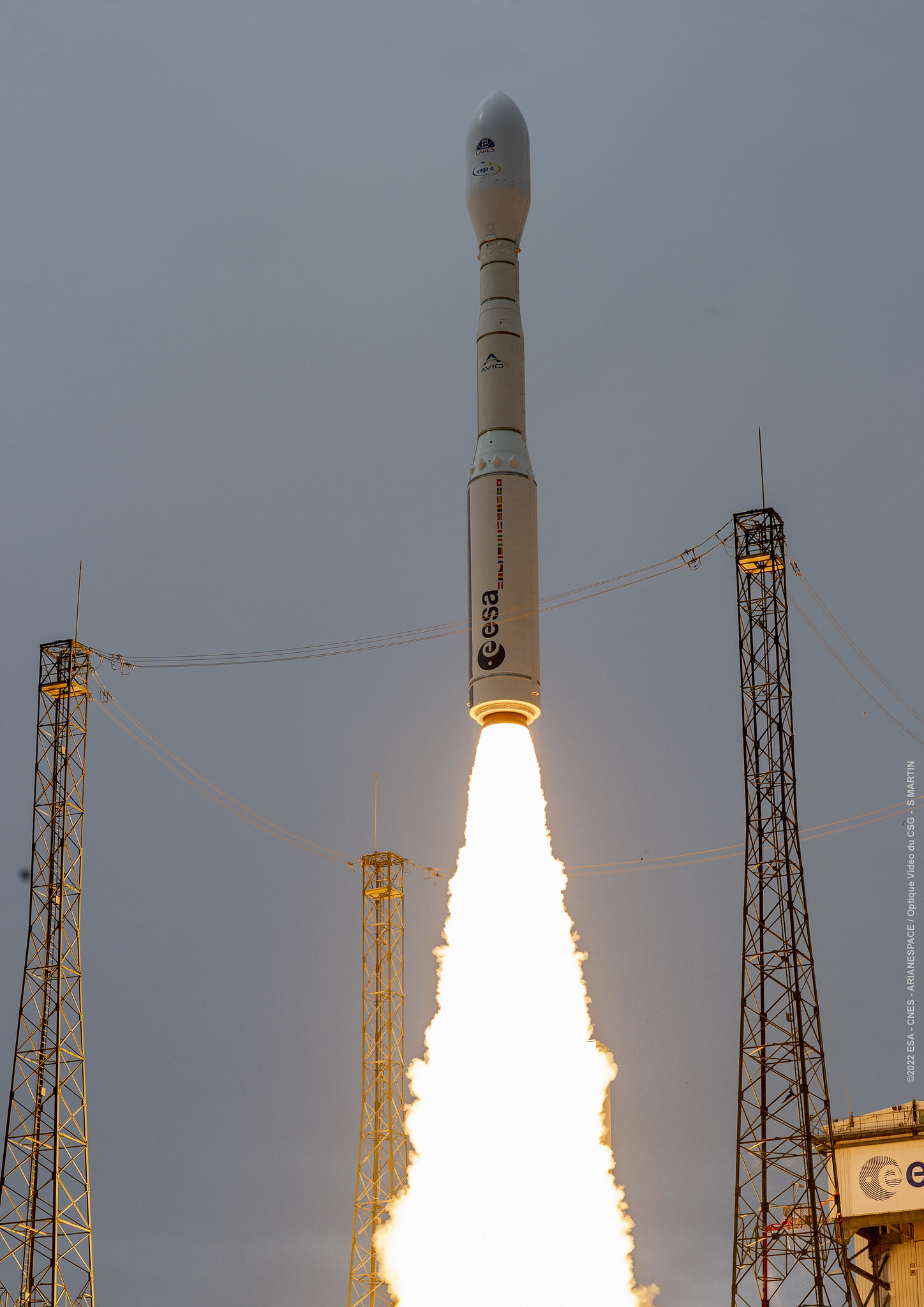
Today's highlights include a space debris incident involving China's spacecraft, development advancements for military space missions, and a notable setback for SpaceX's Starship booster.

SpaceX gears up for two major Starlink launches, while regulatory challenges slow progress in India.

Blue Origin reveals plans for 5,400+ satellite constellation targeting enterprise and government with 6 Tbps capacity. SpaceX launches first West Coast Starlink mission of 2026 from Vandenberg.
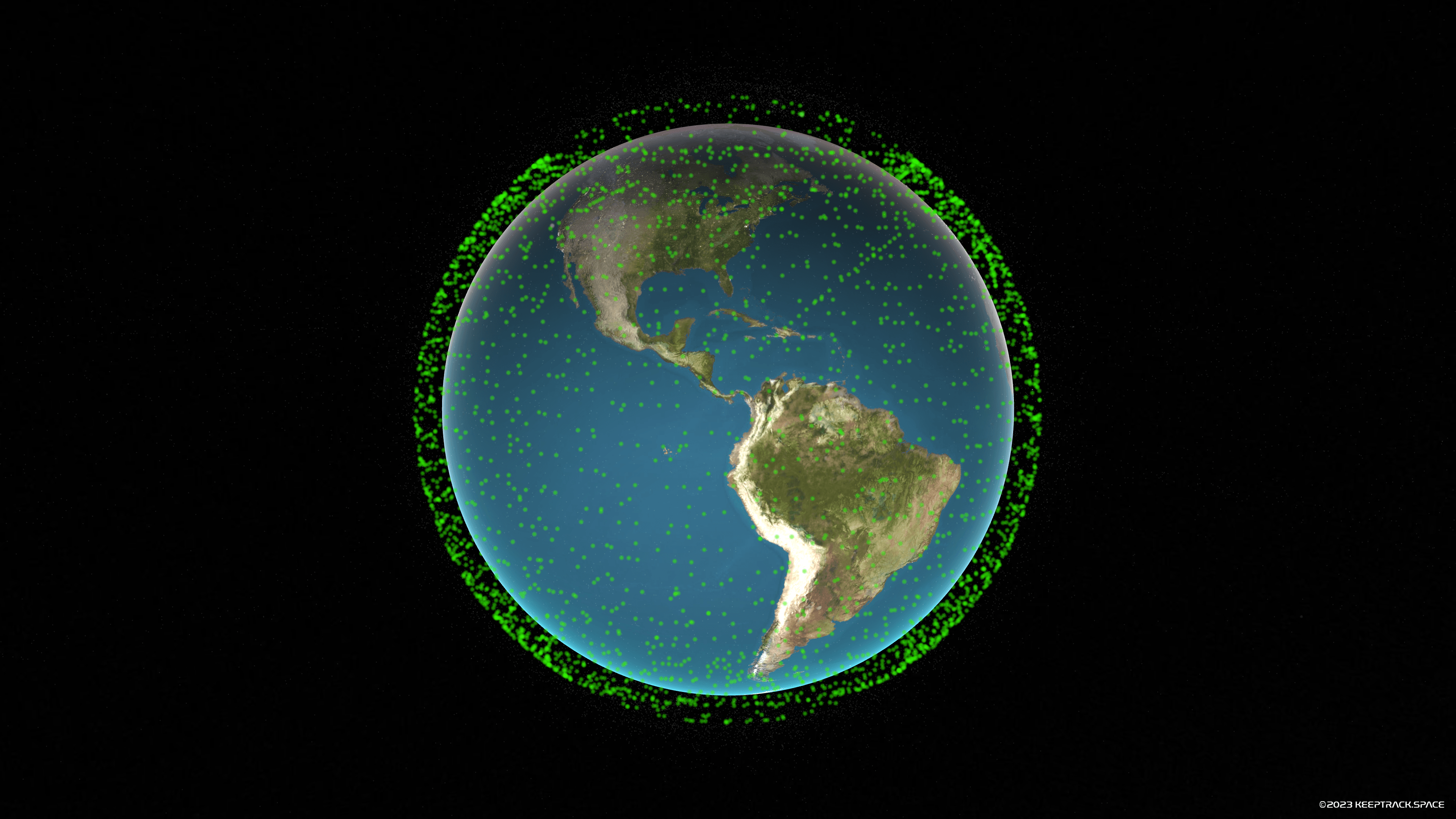
The U.S. Federal Communications Commission reaffirms its decision to deny SpaceX's Starlink unit $885.5 million in rural broadband subsidies, impacting the company's plans for expanding internet access.
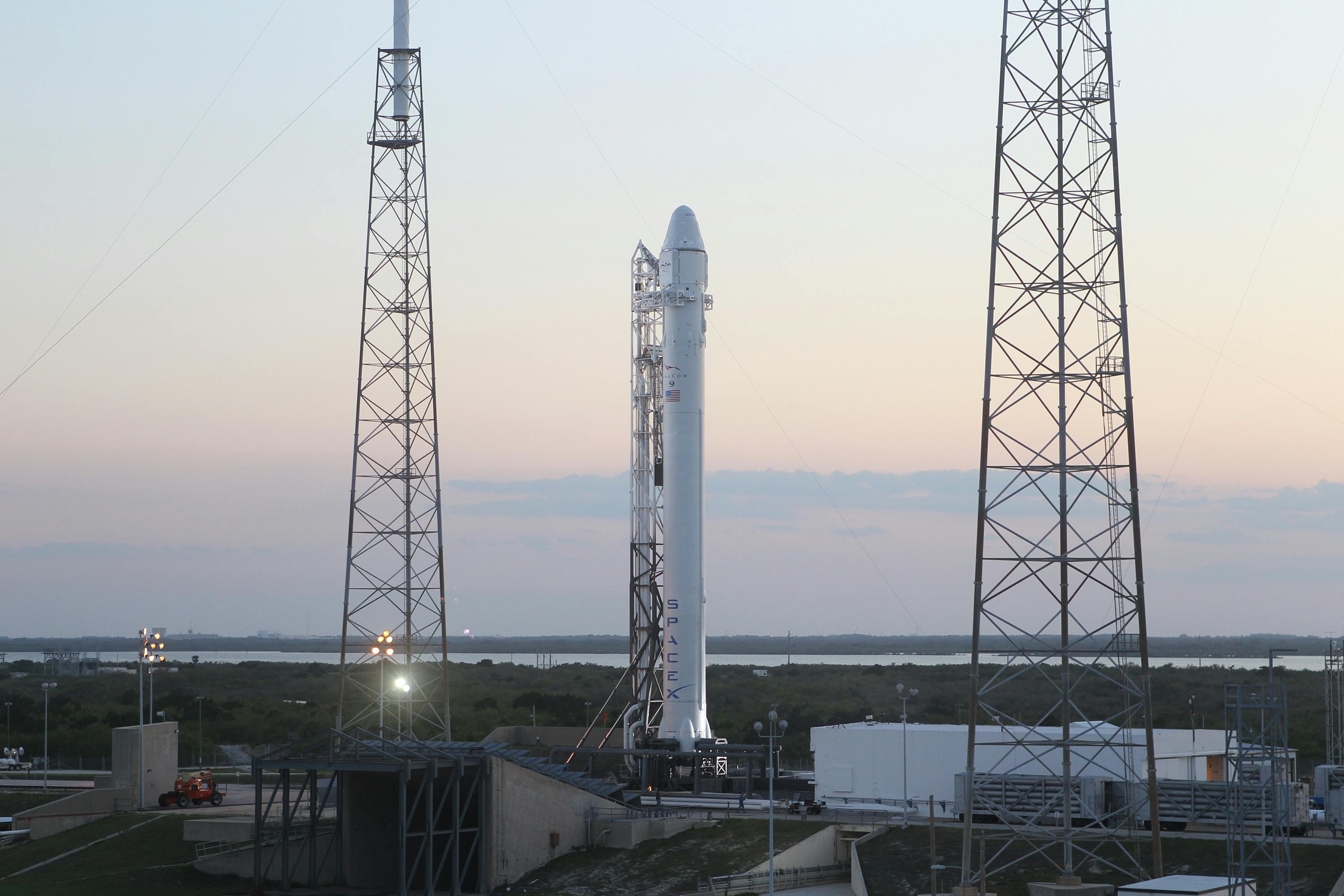
SpaceX targets July 16 for Starship Flight 13, testing V3 fixes and deploying functioning Starlink satellites for the first time.
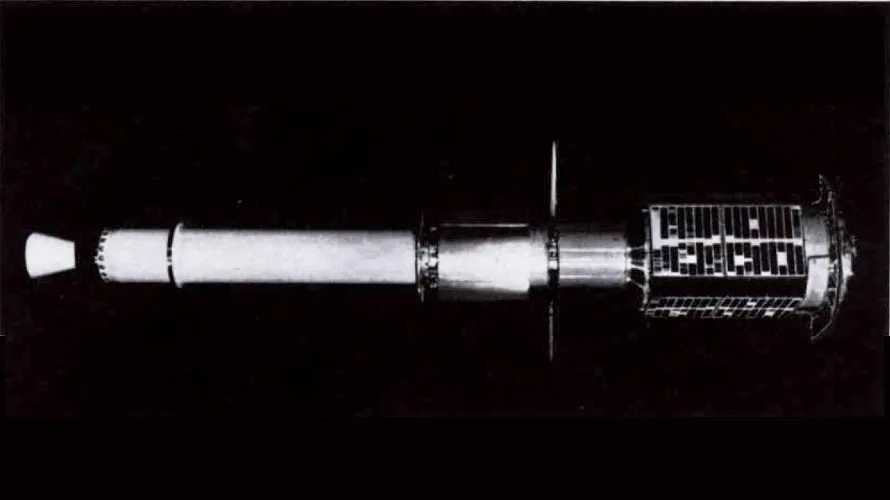
On April 27, 1961, a Scout rocket lifted a 37-kilogram NASA satellite into orbit from Wallops Island carrying the first serious instrument for detecting cosmic gamma rays. Explorer 11 operated for seven months before its tape recorder failed. In that time it registered 22 gamma-ray photons - a pitiful number by modern standards, but enough to launch an entire branch of astronomy.