


Space Brief 20 Feb 2025
Expansion of national security capabilities with new services, shifts in Pentagon priorities, challenges in zero trust compliance, and more.



Launch Date
August 14, 2025
Launch Site
Launch Pad
LC40
Launch Vehicle
NORAD ID
65205
International Designator
2025-176H
Epoch
Sun, 19 Jul 2026 10:43:29 GMT
Apogee
Calculating...
Perigee
Calculating...
Inclination
53.16°
Right Ascension
258.57°
Eccentricity
Calculating...
Argument of Perigee
83.24°
Period
93.85 min
Mean Motion
15.34 rev/day
Latitude
Calculating...
Longitude
Calculating...
Altitude
Calculating...
Velocity
Calculating...
Name
STARLINK-34796
Alternative Name
N/A
Type
Status
Owner
SPXS
Country
United States
Constellation
N/A
Related Satellites
Major Events
N/A
1 65205U 25176H 26200.44687237 -.00009715 00000+0 -27674-3 0 9992
2 65205 53.1562 258.5661 0001110 83.2382 276.8747 15.34401783 53324
Source: Celestrak
Length
0.3
Diameter
4.1
Span
29.0
Dry Mass
530
Launch Mass
575
Shape
Box + pan
Radar Cross Section
Unknown
Visual Magnitude
Unknown
Color
Unknown
Material Composition
Unknown
Payload
Starlink Group 10-20-08
Purpose
Unknown
Mission
Unknown
Manufacturer
SPXS
Life Expectancy
Unknown
Bus
Starlink V2MO
Configuration
Unknown
Motor
Unknown
Equipment
Unknown
Power System
Unknown
ADCS
Unknown
Transmitter Frequency
Unknown
Learn more about satellites and other related topics.
Expansion of national security capabilities with new services, shifts in Pentagon priorities, challenges in zero trust compliance, and more.

SpaceX concludes a wet dress rehearsal for Starship Flight 7, aiming for the largest rocket launch on January 15 after weather delays.

Space Force selects 14 companies for $1.8 billion Andromeda program to replace GSSAP geosynchronous surveillance satellites with commercial alternatives through 2036.

Twelve years ago, South Korea successfully launched a satellite using its own launch vehicle and facilities for the first time, marking a crucial milestone in its journey to space independence

On April 22, 2026, the FAA published a final rule implementing per-launch user fees for commercial space transportation — the first time the U.S. government has charged payload-based fees for rocket launches. Starting at 25 cents per pound with a $30,000 cap, the fees are modest today. By 2033, they won't be.
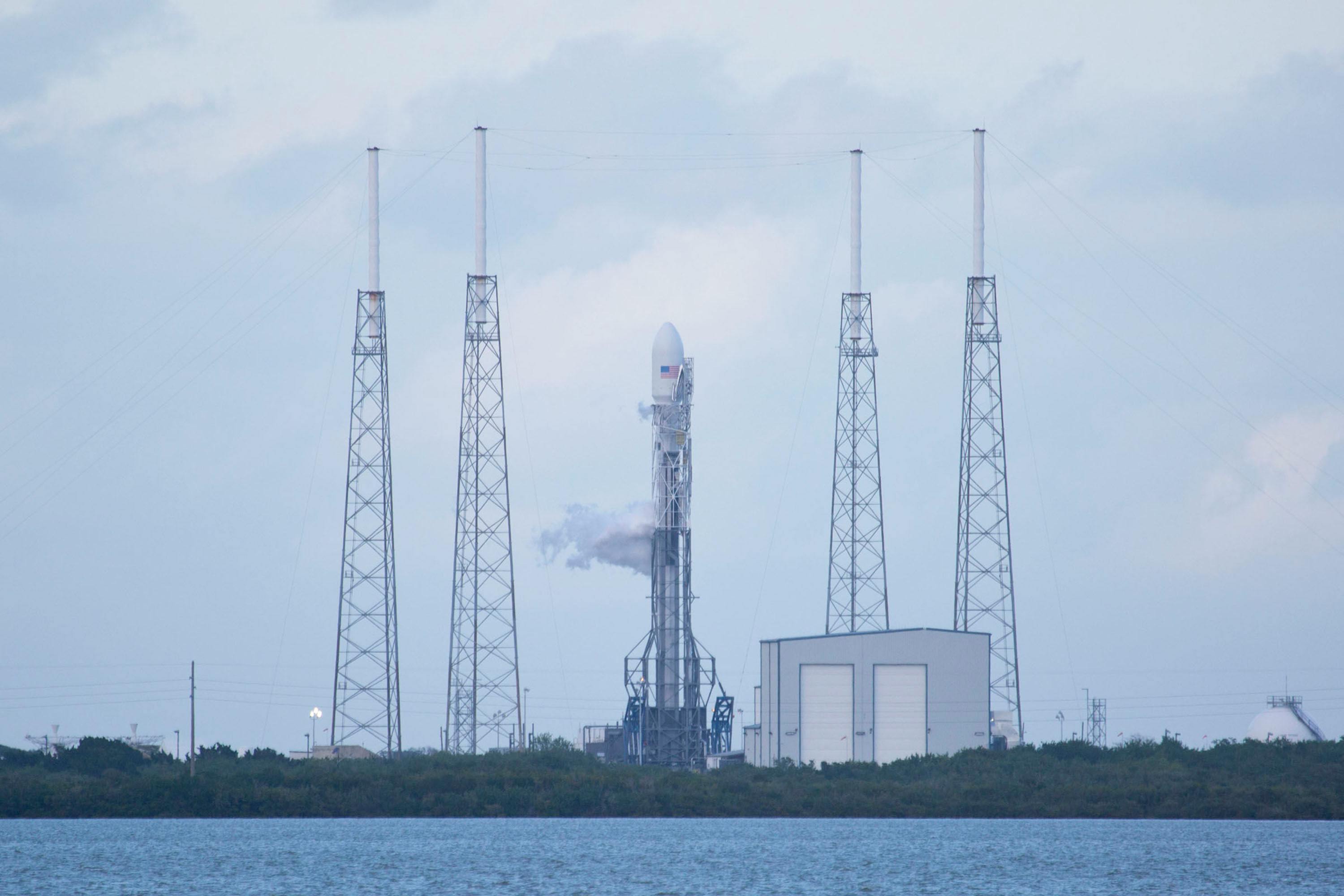
The FAA has approved Starship Flight 9, paving the way for an upcoming test launch, while SpaceX's Dragon spacecraft is set to undock from the ISS after weather delays.
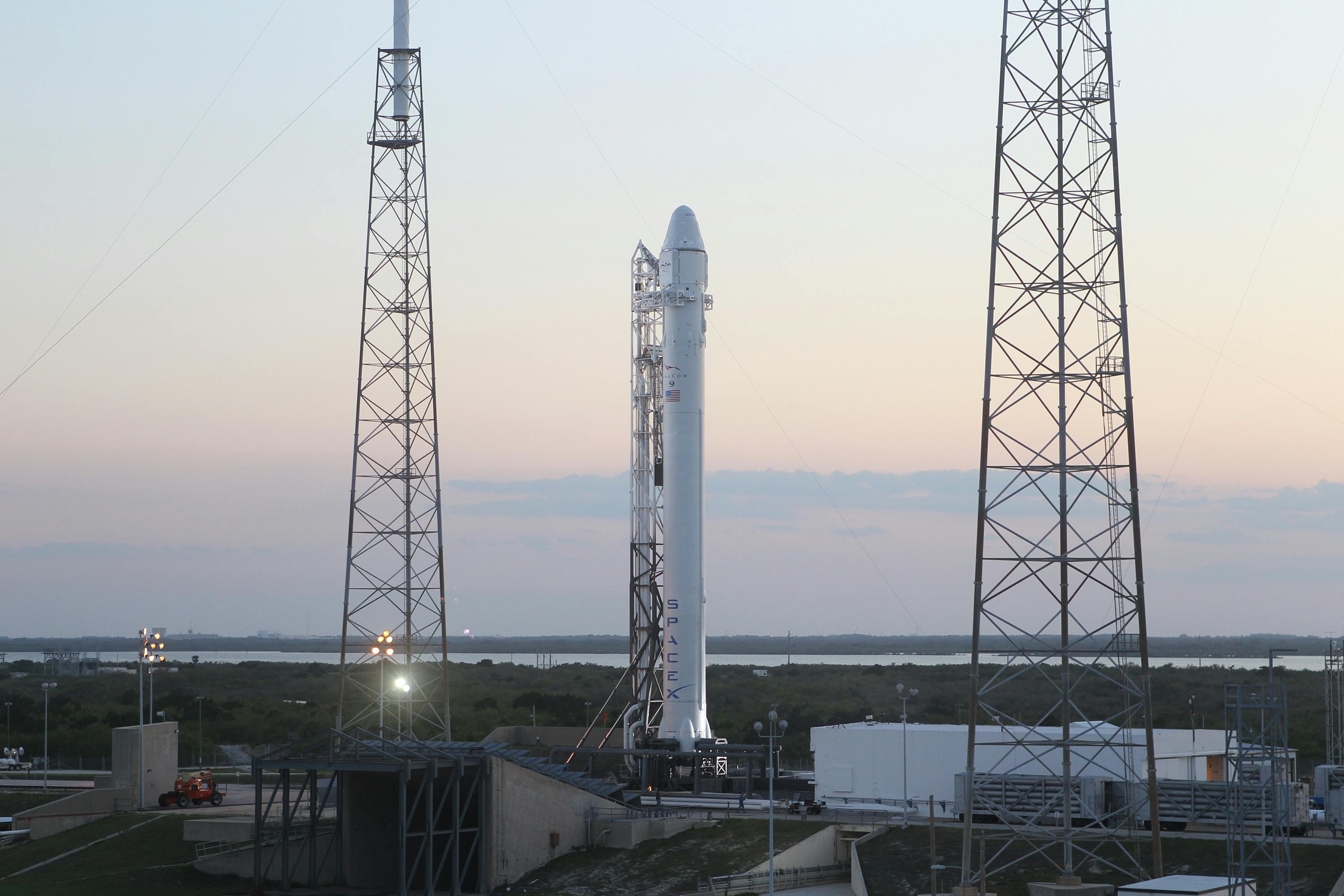
NASA plans first-ever medical evacuation from ISS using SpaceX Crew Dragon for Crew-11 astronaut. Starlink 6-96 mission scrubbed and rescheduled. Starbase Pad 1 tower and launch mount under review.
Artemis 2's four-person crew splashed down April 10 after first crewed lunar flyby since Apollo 17. Orion performance data critical for Artemis 3 south pole landing planning.