


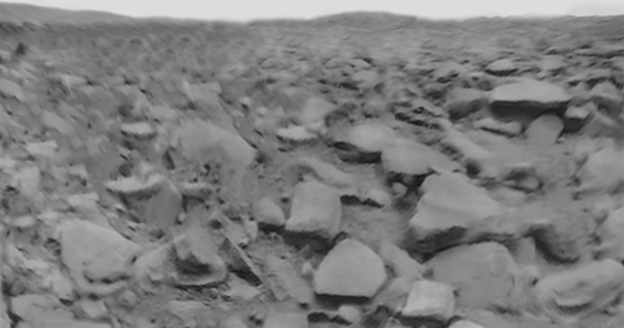
The Day We First Landed on Venus
On December 15, 1970, a battered Soviet probe accomplished something no spacecraft had done before - it survived landing on another world and lived to tell about it.


Launch Date
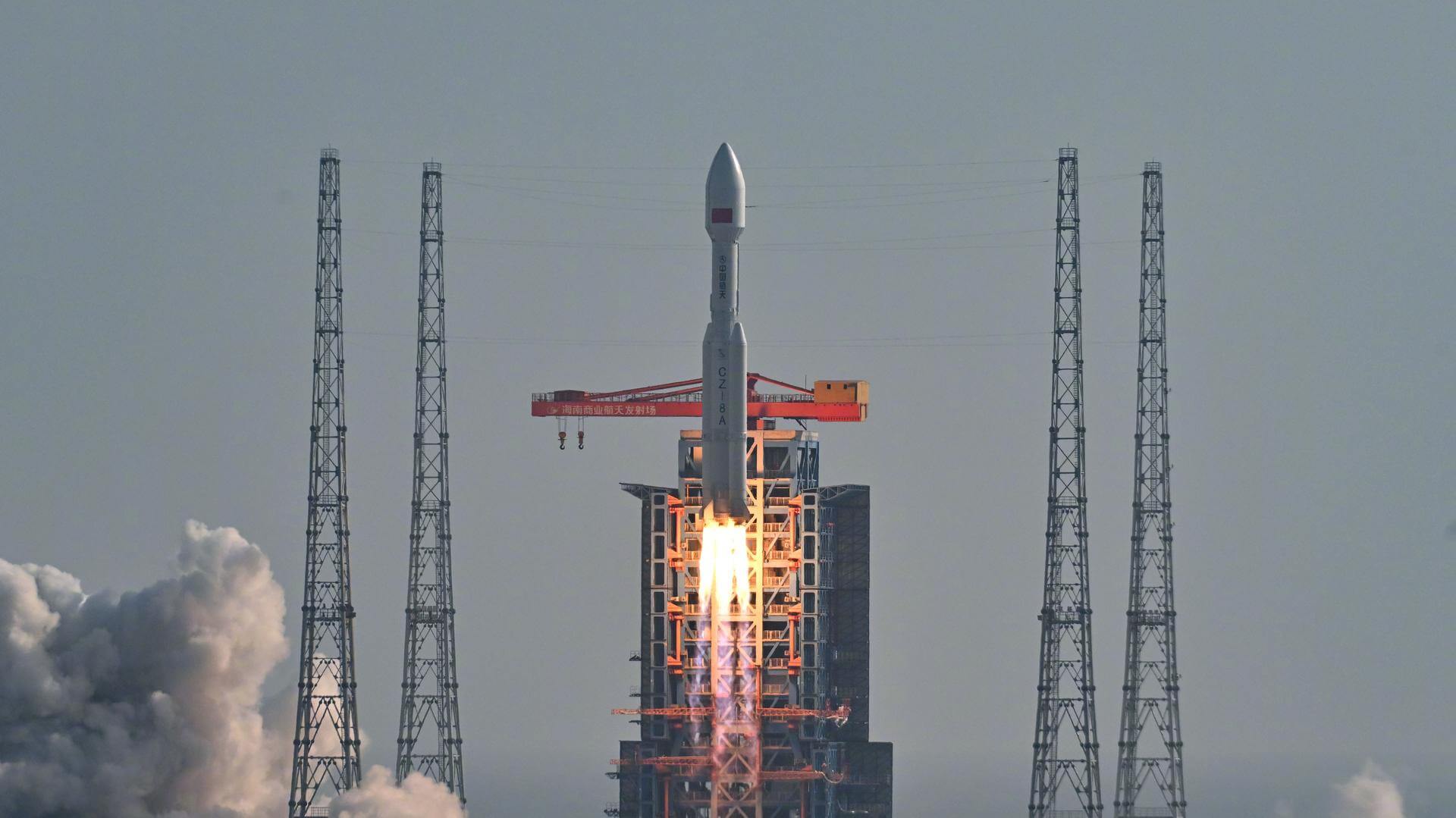
July 30, 2025
Launch Site
WSC
Launch Pad
LC1
Launch Vehicle
Chang Zheng 8A
NORAD ID
65044
International Designator
2025-162B
Epoch
Sun, 19 Jul 2026 20:39:36 GMT
Apogee
Calculating...
Perigee
Calculating...
Inclination
50.00°
Right Ascension
148.70°
Eccentricity
Calculating...
Argument of Perigee
352.65°
Period
108.33 min
Mean Motion
13.29 rev/day
Latitude
Calculating...
Longitude
Calculating...
Altitude
Calculating...
Velocity
Calculating...
Name
HULIANWANG DIGUI-41
Alternative Name
N/A
Type
Status
Owner
ZXW
Country
China
Constellation
N/A
Related Satellites
Major Events
N/A
1 65044U 25162B 26200.86084367 -.00000104 00000+0 42452-4 0 9993
2 65044 49.9994 148.6981 0000266 352.6477 7.4391 13.29327038 47700
Source: Celestrak
Apologies, there is no summary for this satellite yet. I am working to generate these for every object in the catalog, but it is going to take time.
Length
3.0
Diameter
1.0
Span
10.0
Dry Mass
800
Launch Mass
800
Shape
Box + 2 Pan
Radar Cross Section
Unknown
Visual Magnitude
Unknown
Color
Unknown
Material Composition
Unknown
Payload
Xingwang Digui 06-02
Purpose
Unknown
Mission
Unknown
Manufacturer
SECM
Life Expectancy
Unknown
Bus
Xingwang S
Configuration
Unknown
Motor
Unknown
Equipment
Unknown
Power System
Unknown
ADCS
Unknown
Transmitter Frequency
Unknown
Learn more about satellites and other related topics.
On December 15, 1970, a battered Soviet probe accomplished something no spacecraft had done before - it survived landing on another world and lived to tell about it.
SpaceX prepares for a historic Falcon 9 landing attempt in The Bahamas, while also contributing to FAA air traffic control modernization.
Today's brief highlights critical discussions in military space readiness, potential satellite 'dogfighting' scenarios, international defense collaborations, and a notable communications satellite launch.
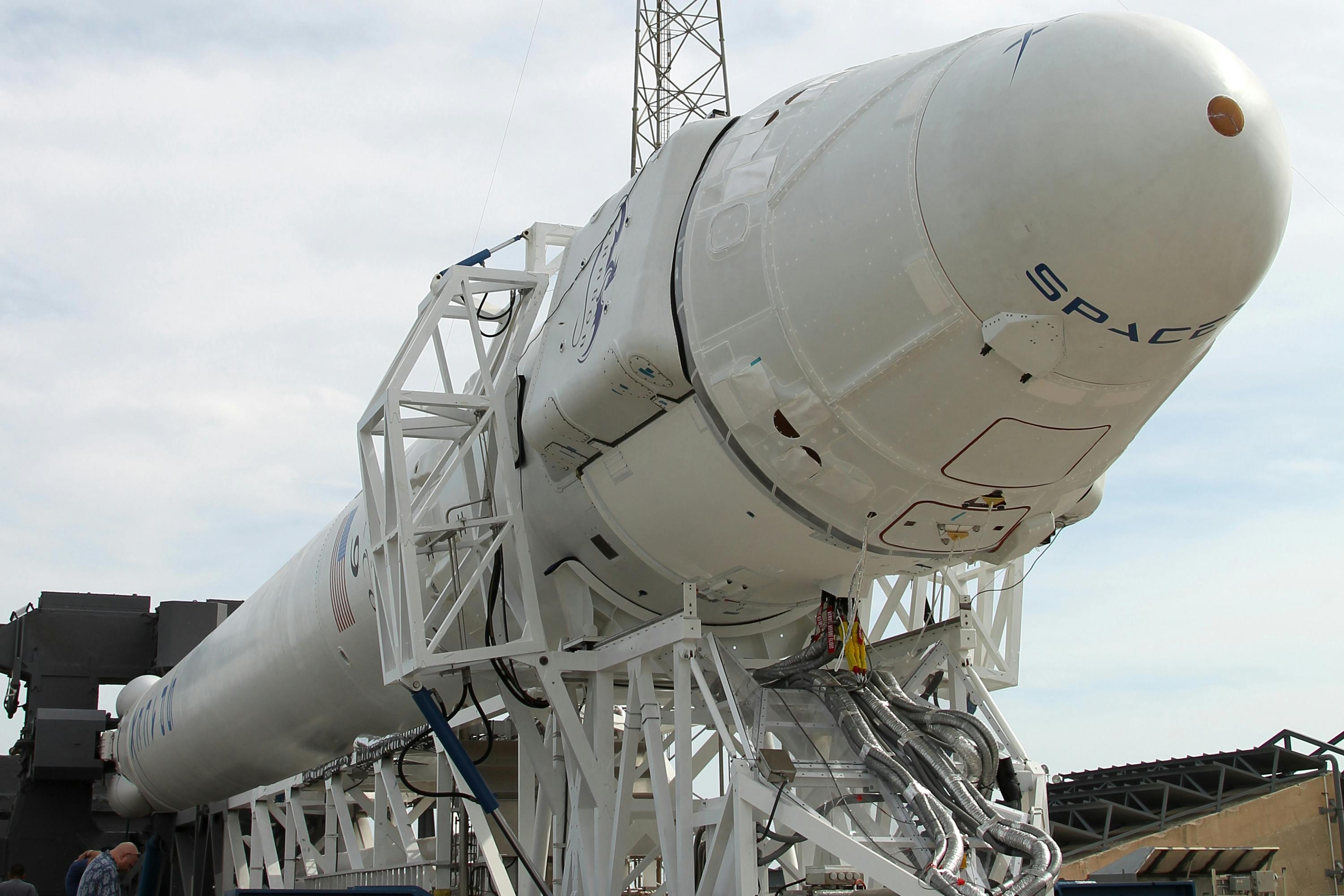
SpaceX progresses on Starship testing while Rocket Lab delays its Neutron rocket debut, potentially impacting the competitive landscape in space launches.
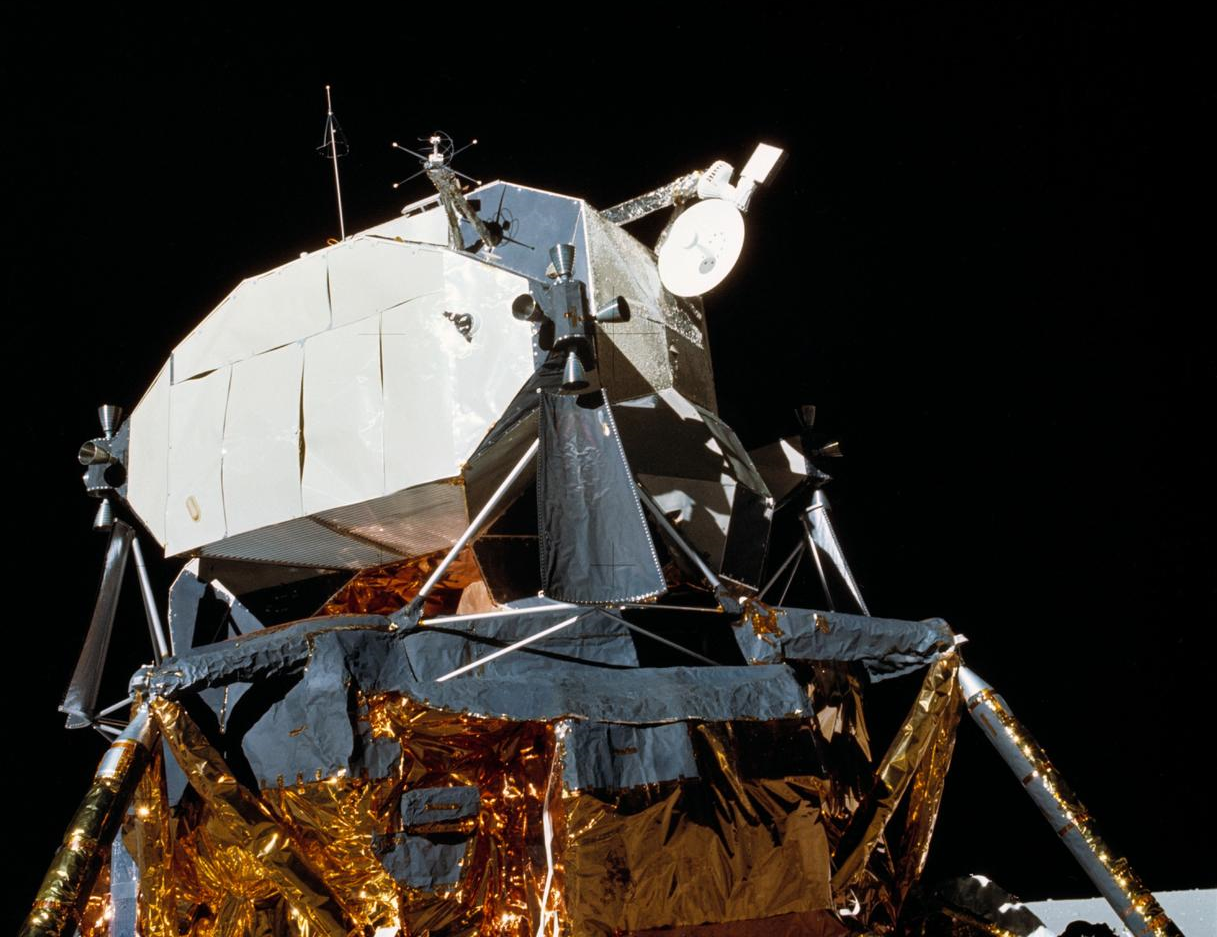
Six hours behind schedule, with a backup engine system shuddering in lunar orbit and mission controllers in Houston running out of options, Apollo 16 came within one meeting of being sent home without landing. The problem was a wobble in a gimbal. The solution was math done under pressure.

ESA and JAXA finalize collaboration for asteroid Apophis 2029 flyby at 32,000 km—closer than geostationary orbit. Historic near-Earth encounter being heavily observed.

SpaceX embarks on another milestone as it prepares to launch an advanced GPS satellite for the U.S. Space Force today, aiming for a record 170 launches this year.

Forty years ago today, Challenger lifted off LC-39A on a science mission that nobody outside Morton-Thiokol would call dangerous. Years later, after the orbiter and seven other astronauts were gone, investigators looked at the recovered boosters from STS-51B and realized the crew had come within a fraction of a second of dying first. This is the story of the launch that should have been a warning.