

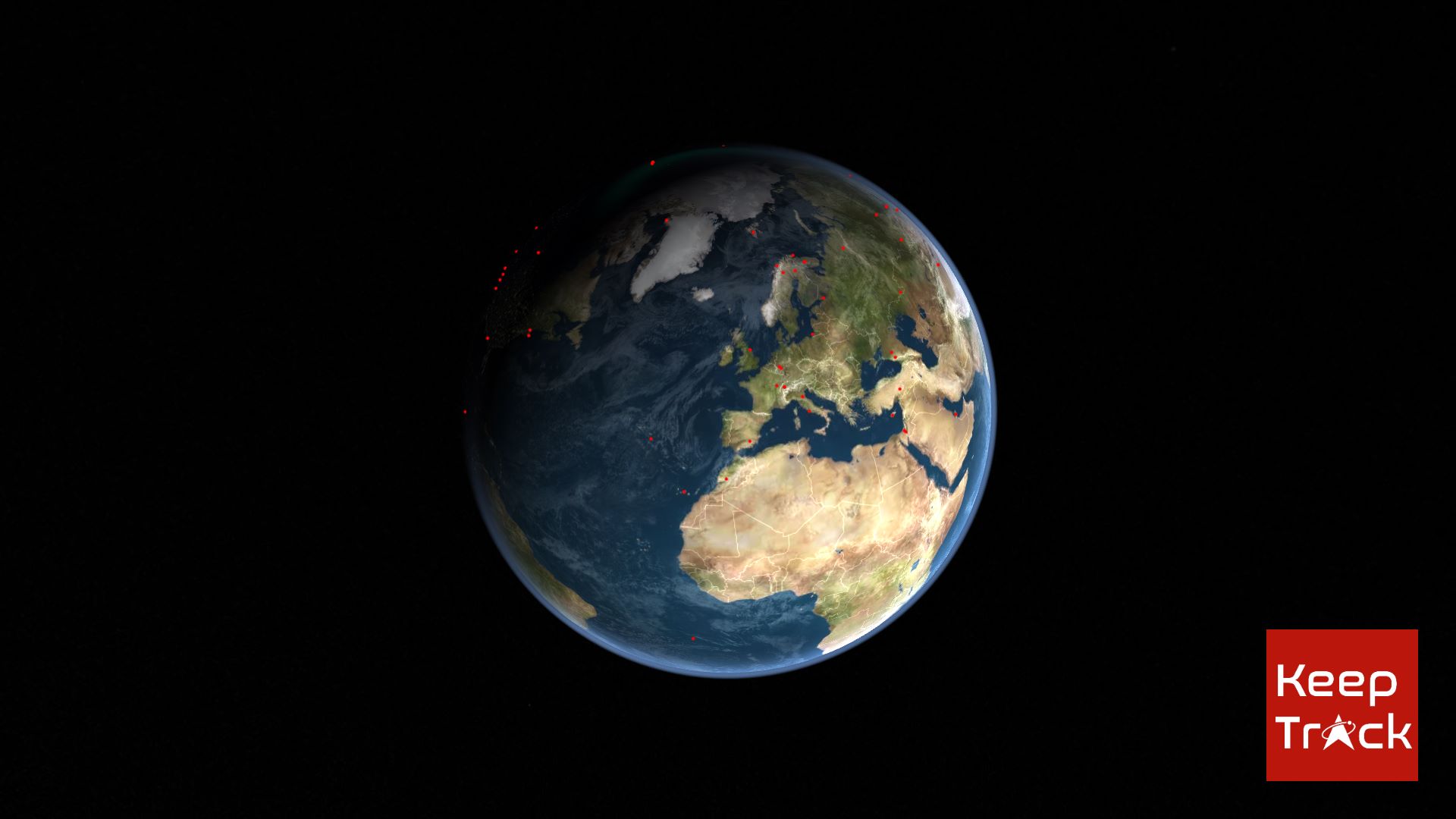
Space Situational Awareness (SSA)
How our ability to track and predict objects in orbit has become the foundation of space safety in an increasingly crowded cosmic neighborhood


Launch Date
May 11, 1973
Launch Site
Launch Pad
LC81/23
Launch Vehicle
Proton-K
NORAD ID
06498
International Designator
1973-026A
Decay Date
5/22/1973
Name
COSMOS 557
Alternative Name
Kosmos-557
Type
Status
Owner
TSKBEM
Country
USSR
Constellation
N/A
Related Satellites
Major Events
N/A
Apologies, there is no summary for this satellite yet. I am working to generate these for every object in the catalog, but it is going to take time.
Length
13.1
Diameter
4.2
Span
13.1
Dry Mass
18500
Launch Mass
18500
Shape
Step Cyl + 2 Pan
Radar Cross Section
Unknown
Visual Magnitude
Unknown
Color
Unknown
Material Composition
Unknown
Payload
DOS-3
Purpose
Unknown
Mission
Unknown
Manufacturer
ZIKH
Life Expectancy
Unknown
Bus
Almaz
Configuration
Unknown
Motor
KTDU-66
Equipment
Unknown
Power System
Unknown
ADCS
Unknown
Transmitter Frequency
Unknown
Learn more about satellites and other related topics.
How our ability to track and predict objects in orbit has become the foundation of space safety in an increasingly crowded cosmic neighborhood
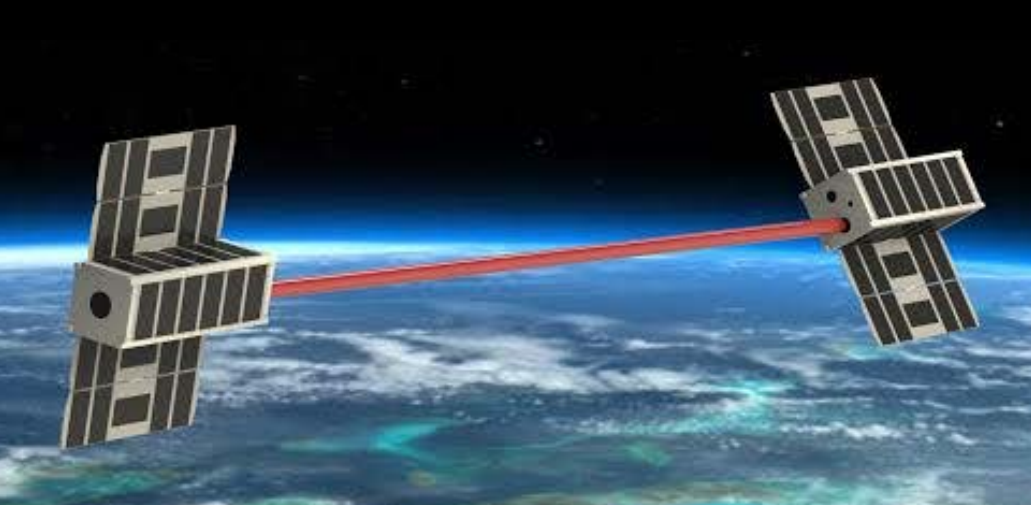
The satellite industry's biggest operators are betting on multi-orbit architectures that combine LEO, MEO, and GEO into unified networks. A San Francisco startup called Contrivian thinks they've overcomplicated the problem, and the physics might be on its side.
SpaceX's disk-shaped Starfall reentry vehicle debuts as the constellation hits 10,671 working satellites across low Earth orbit.

SpaceX launches dual lunar landers while Starship Flight 7 faces weather delay.

The White House wants to cut NASA's science budget nearly in half for the second year running. Administrator Jared Isaacman says it's enough. Congress already rejected this exact idea once.
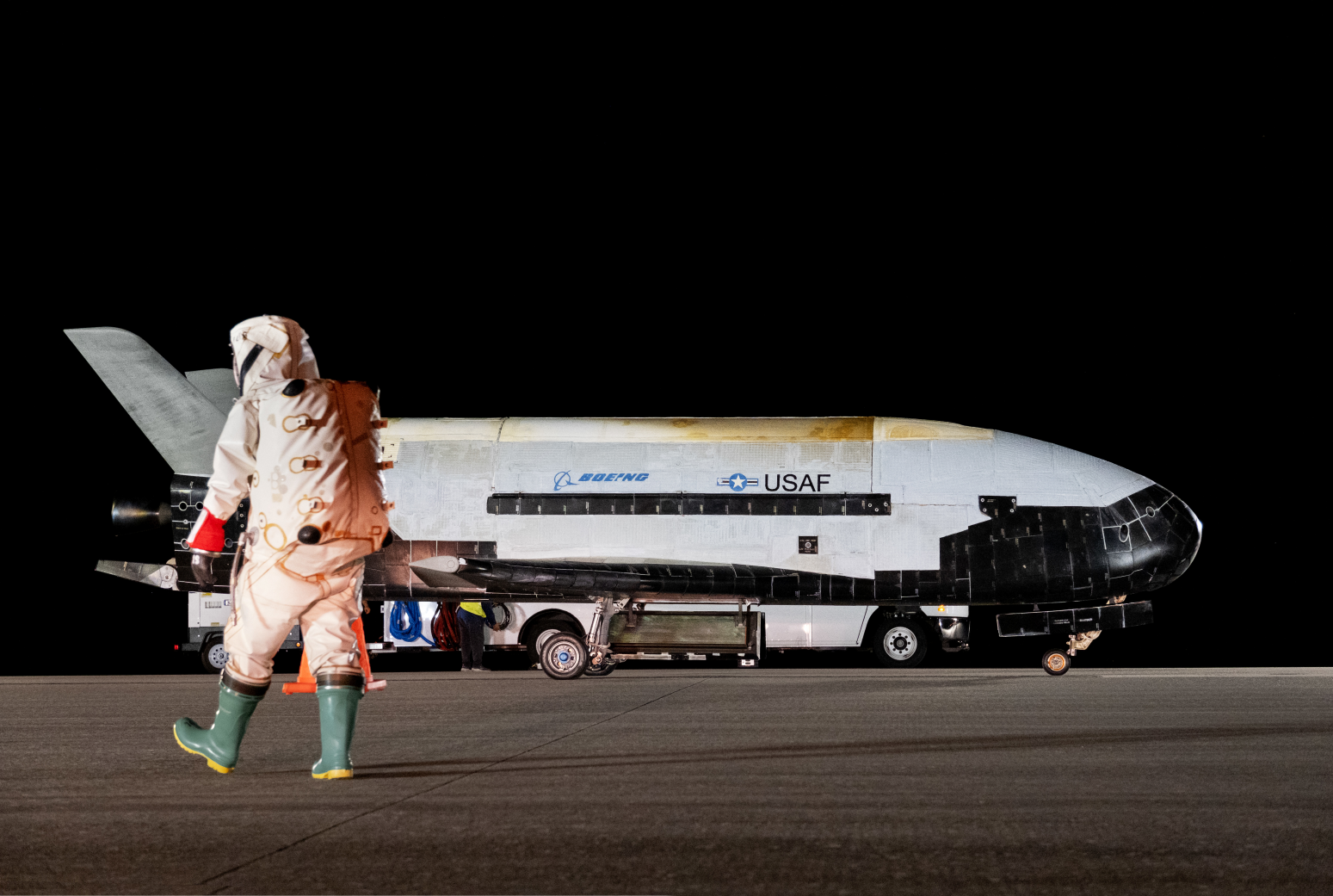
On April 22, 2010, an Atlas V lifted off from Cape Canaveral carrying a reusable robotic spaceplane so secret that the Air Force would not even confirm its mission duration. It came back 224 days later, lighter, quieter, and more operational than anyone outside Washington had expected. Fifteen years later, the X-37B is still flying, and the military still will not say what it does.
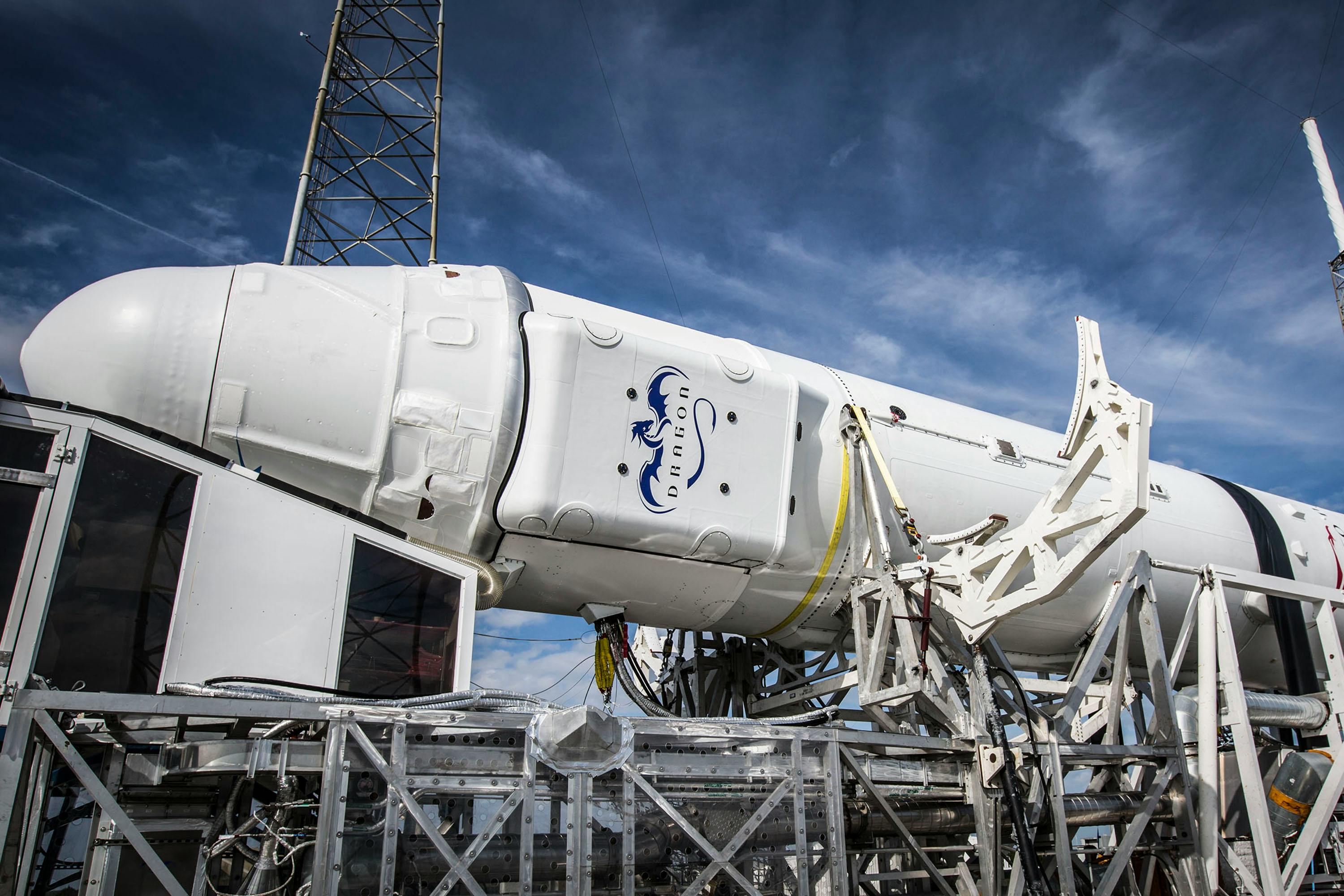
FAA documents expose SpaceX's Starfall reentry vehicle program, targeting in-space manufacturing support as the Starlink constellation holds 10,397 working satellites.

Today's Space Brief covers Blue Origin's historic all-female spaceflight, the selection of companies for nuclear microreactor development by DIU, and NATO's adoption of AI technology for military planning.