


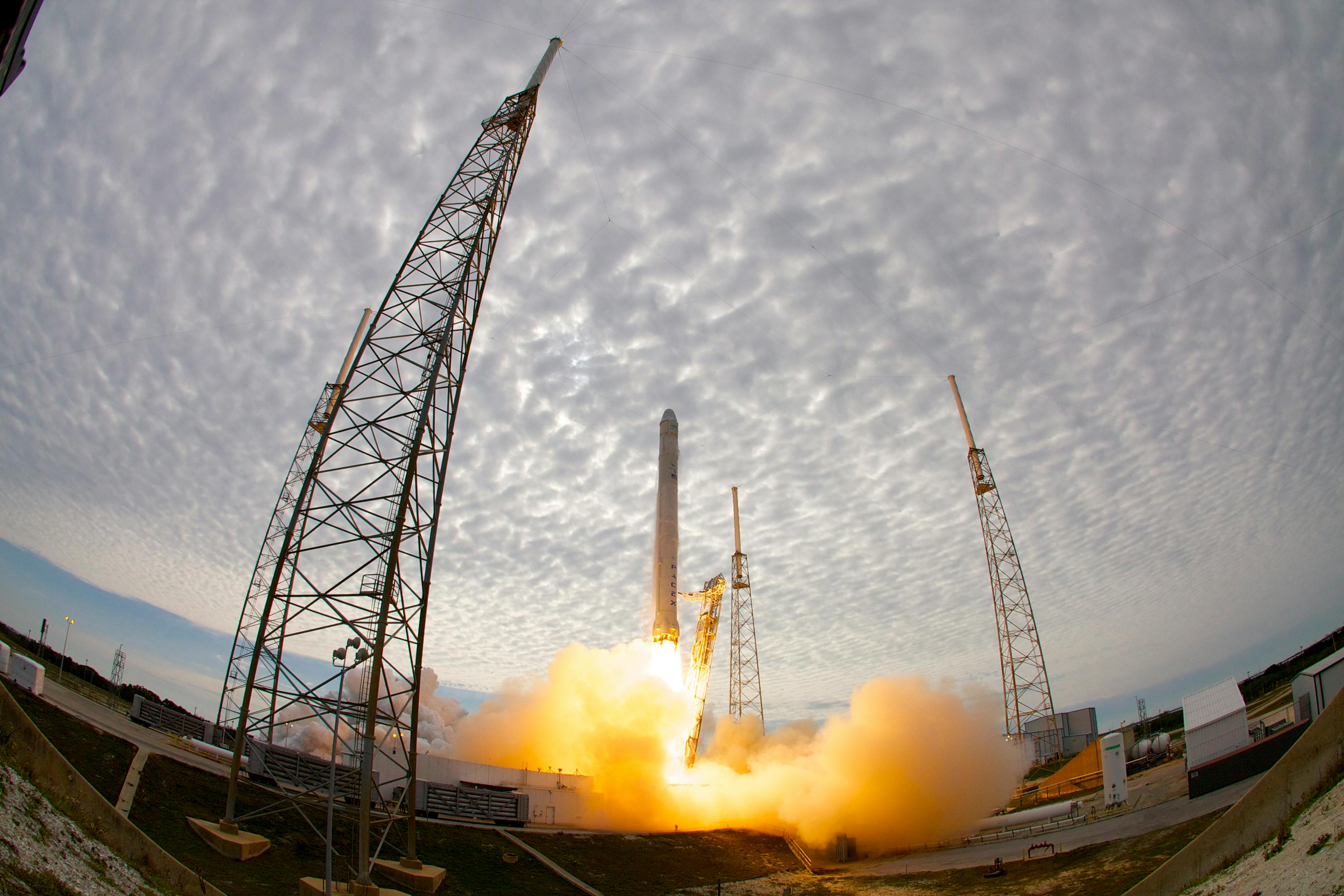
Starship V3 Debuts on Flight 12 May 20 | KeepTrack X Report
SpaceX's first Starship V3 launches May 20 on Flight 12, as Starlink's 10,354 active sats force a historic carrier alliance.



NORAD ID
64871
International Designator
2025-154C
Epoch
Sun, 19 Jul 2026 17:59:12 GMT
Apogee
Calculating...
Perigee
Calculating...
Inclination
97.67°
Right Ascension
263.78°
Eccentricity
Calculating...
Argument of Perigee
129.39°
Period
96.37 min
Mean Motion
14.94 rev/day
Latitude
Calculating...
Longitude
Calculating...
Altitude
Calculating...
Velocity
Calculating...
Name
EPIC ATHENA
Alternative Name
N/A
Type
Status
Owner
LARCN/STP
Country
United States
Constellation
N/A
Related Satellites
Major Events
N/A
1 64871U 25154C 26200.74945138 .00000528 00000+0 54482-4 0 9995
2 64871 97.6656 263.7830 0007836 129.3921 230.7994 14.94205140 53874
Source: Celestrak
Apologies, there is no summary for this satellite yet. I am working to generate these for every object in the catalog, but it is going to take time.
Length
0.5
Diameter
0.5
Span
0.5
Dry Mass
110
Launch Mass
110
Shape
Cyl + 2 pan
Radar Cross Section
Unknown
Visual Magnitude
Unknown
Color
Unknown
Material Composition
Unknown
Payload
ATHENA EPIC
Purpose
Unknown
Mission
Unknown
Manufacturer
NWURKS
Life Expectancy
Unknown
Bus
HiSat
Configuration
Unknown
Motor
Unknown
Equipment
Unknown
Power System
Unknown
ADCS
Unknown
Transmitter Frequency
Unknown
Learn more about satellites and other related topics.
SpaceX's first Starship V3 launches May 20 on Flight 12, as Starlink's 10,354 active sats force a historic carrier alliance.

Today's Space Brief covers pivotal updates in military space capabilities, defense acquisitions, the UK's nuclear enhancements, and Boeing's financial challenges.

Starlink satellite count April 2026: 10,191 working of 10,209 in orbit. SpaceX flew its 1,000th Starlink of 2026 on April 14, adding 29 more sats.

Space Force suspends all Vulcan launches pending solid rocket booster investigation. Rocket Lab scrubs HASTE hypersonic vehicle launch. Military space funding hits record highs.

Today's Space Brief covers a major partnership in space tech distribution, China's orbital refueling preparations under U.S. scrutiny, recent U.S. defense budget reveals, and an exciting hyperspectral imagery release from Xplore.

Europe's bid to break free from the US launch monopoly. How Sweden's Esrange Space Center is transforming access to space, enabling orbital launches, and strengthening strategic independence for the continent.
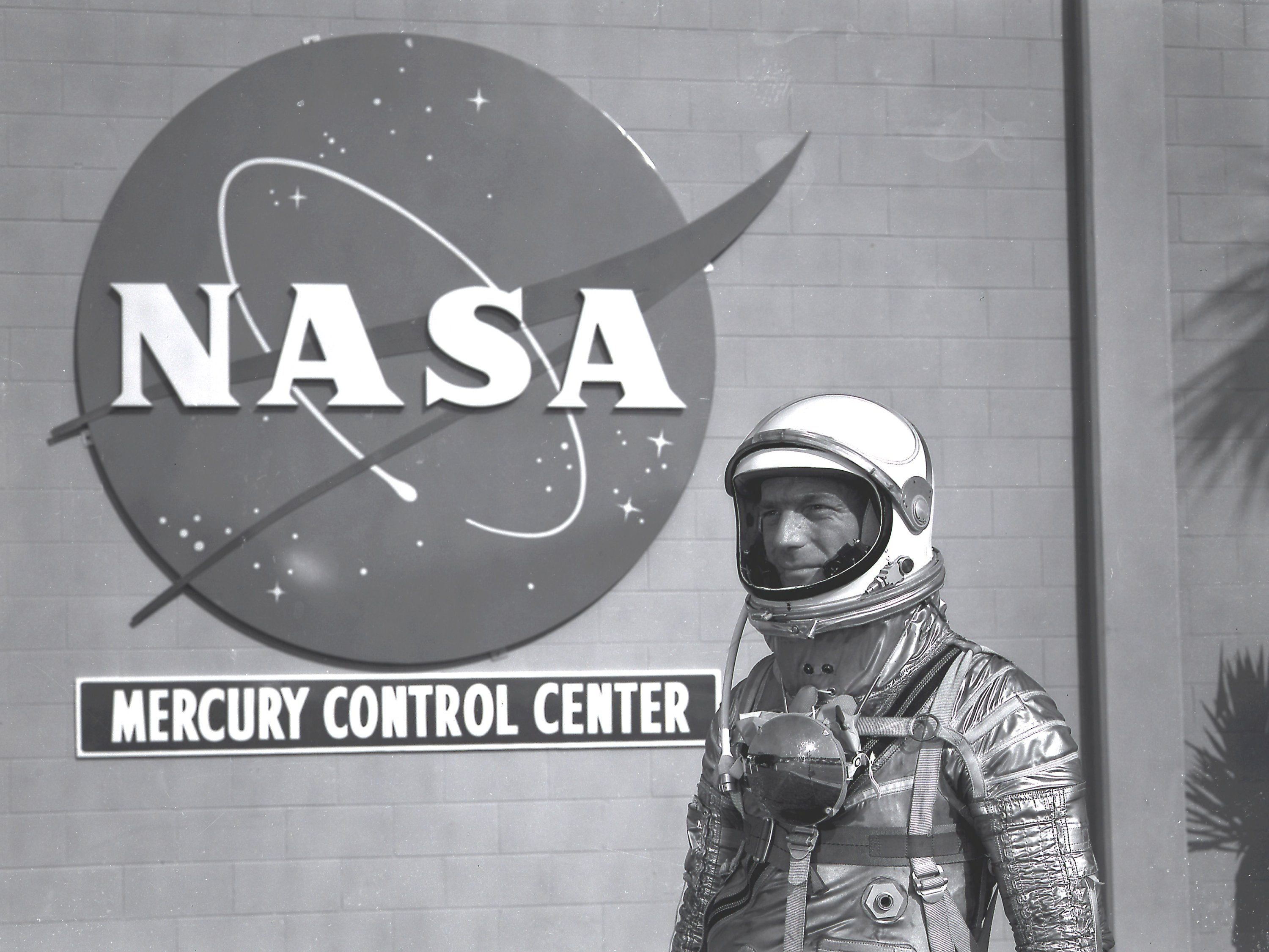
Exactly 64 years ago today, Scott Carpenter became the fourth American to orbit the Earth aboard Aurora 7. His five-hour flight produced new science, a tense reentry, and 39 minutes of silence in which the country wondered if it had just lost its astronaut.
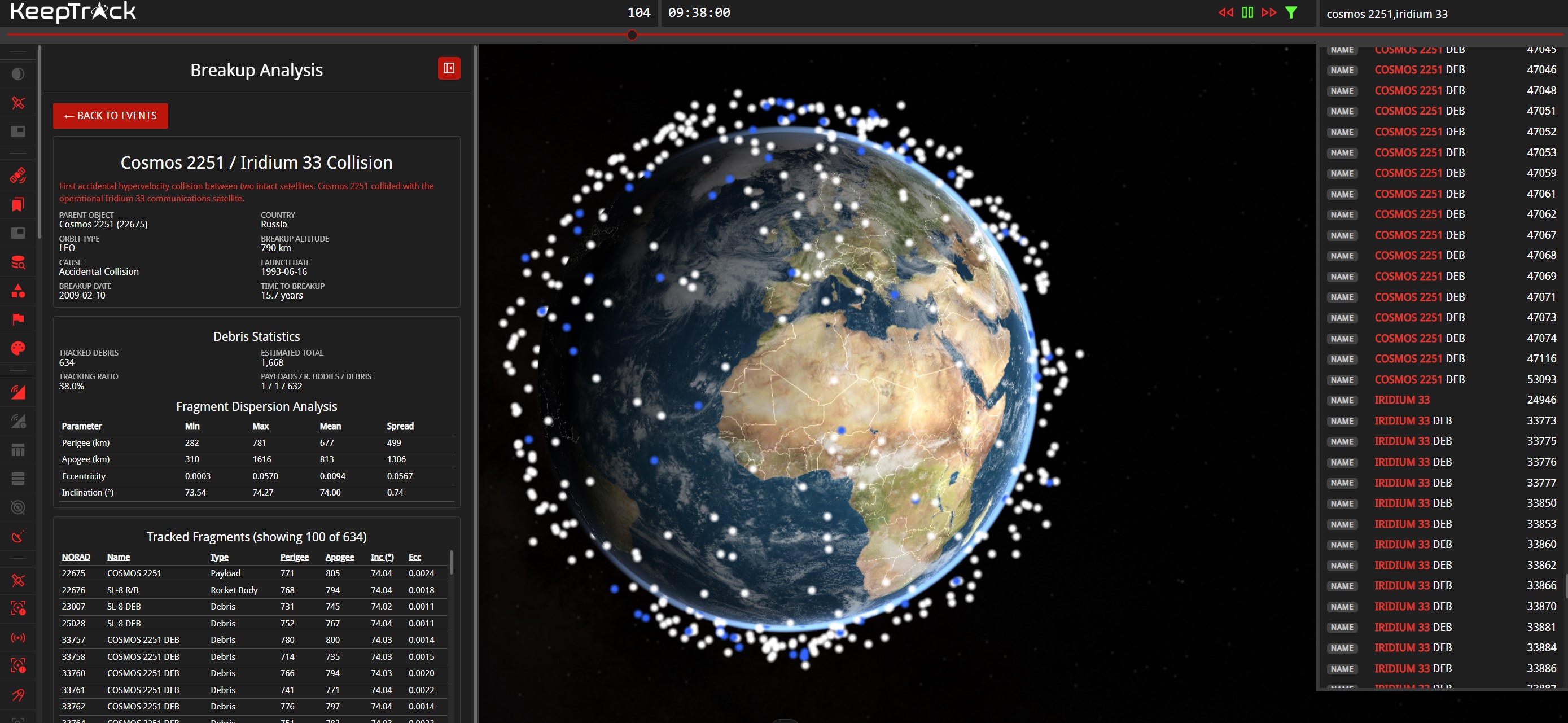
On February 10, 2009, an active Iridium communications satellite and a derelict Soviet military spacecraft slammed into each other 789 kilometers above Siberia. The collision produced more than 2,300 pieces of trackable debris that are still up there. Seventeen years later, the Iridium-Cosmos collision remains the event that made space debris a policy problem the world could no longer ignore.