


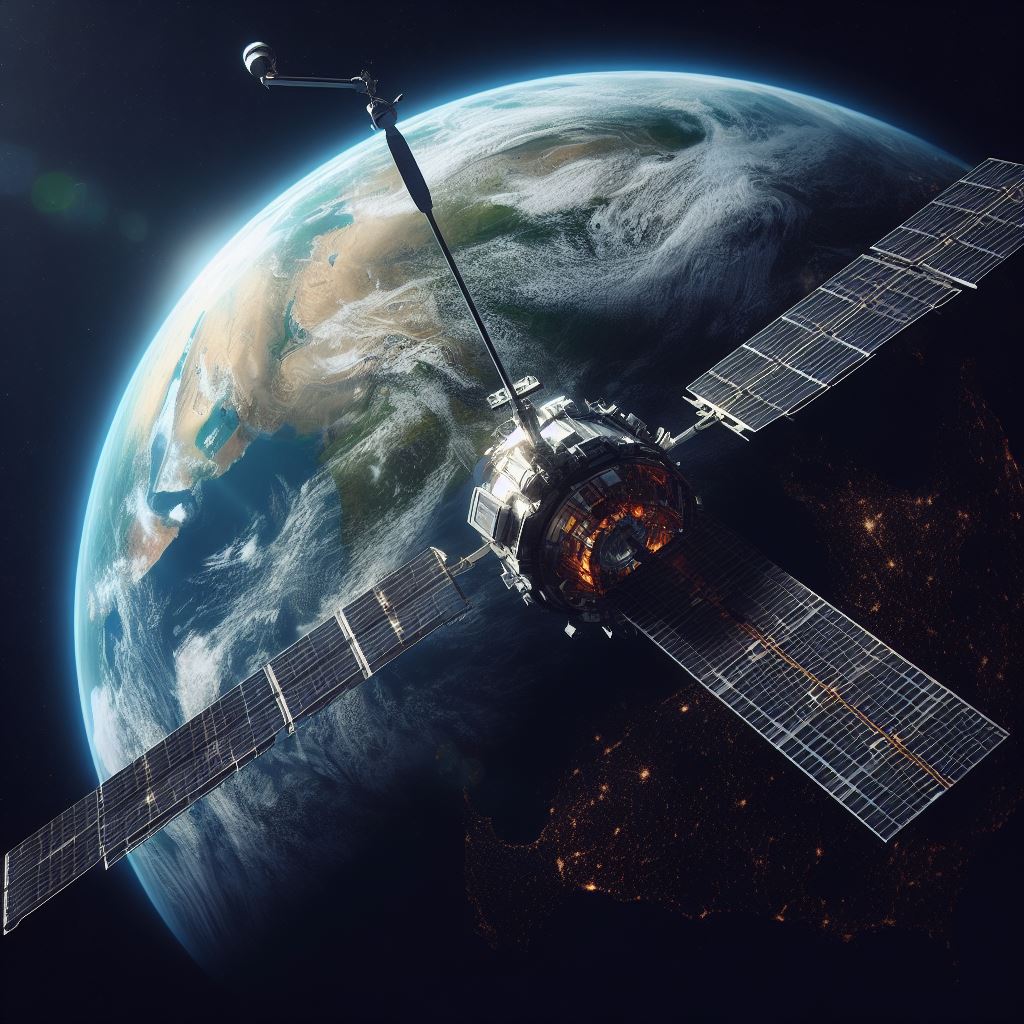
Satellites by Country
Explore a comprehensive breakdown of satellite counts by country, detailing the USA, Russia, China, and others.


Launch Date
July 16, 2025
Launch Site
Launch Pad
LC40
Launch Vehicle
NORAD ID
64836
International Designator
2025-151W
Epoch
Mon, 20 Jul 2026 00:52:02 GMT
Apogee
Calculating...
Perigee
Calculating...
Inclination
51.90°
Right Ascension
57.88°
Eccentricity
Calculating...
Argument of Perigee
111.16°
Period
97.30 min
Mean Motion
14.80 rev/day
Latitude
Calculating...
Longitude
Calculating...
Altitude
Calculating...
Velocity
Calculating...
Name
KUIPER-00091
Alternative Name
N/A
Type
Status
Owner
KUIP
Country
United States
Constellation
N/A
Related Satellites
Major Events
N/A
1 64836U 25151W 26201.03614074 .00001582 00000+0 23654-3 0 9995
2 64836 51.9021 57.8761 0000816 111.1625 248.9425 14.79931622 55146
Source: Celestrak
Apologies, there is no summary for this satellite yet. I am working to generate these for every object in the catalog, but it is going to take time.
Length
1.8
Diameter
0.7
Span
5.0
Dry Mass
490
Launch Mass
490
Shape
Box + 2 pan
Radar Cross Section
Unknown
Visual Magnitude
Unknown
Color
Unknown
Material Composition
Unknown
Payload
Kuiper KF01-21
Purpose
Unknown
Mission
Unknown
Manufacturer
KUIP
Life Expectancy
Unknown
Bus
Kuiper
Configuration
Unknown
Motor
Unknown
Equipment
Unknown
Power System
Unknown
ADCS
Unknown
Transmitter Frequency
Unknown
Learn more about satellites and other related topics.
Explore a comprehensive breakdown of satellite counts by country, detailing the USA, Russia, China, and others.
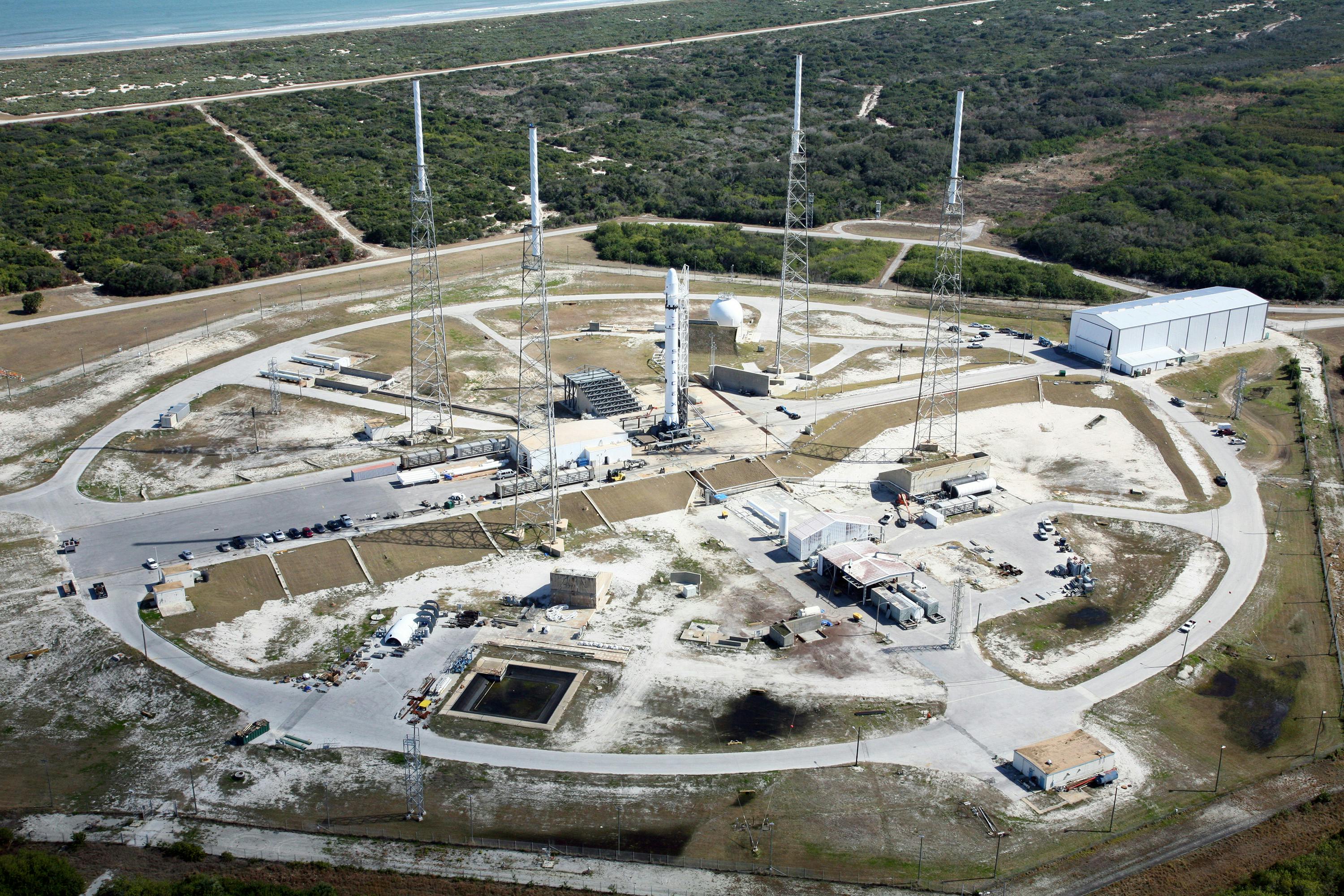
SpaceX successfully launched 29 new Starlink satellites today, further expanding its satellite internet constellation amidst growing competition in the space broadband market.

Today's briefs cover SpaceX landing a Falcon 9 in The Bahamas, first disabled astronaut prepped for a mission, and key company updates from Blue Origin and K2 Space.

SpaceX's Falcon 9 achieves a milestone with its 24th launch for Starlink, while competitive moves continue in the satellite internet market.

On May 4, 1989, Space Shuttle Atlantis lifted off from LC-39B carrying Magellan, NASA's first interplanetary mission since 1978. The eleven-year drought ended in a payload bay, and the radar that emerged would map ninety-eight percent of Venus through clouds that no camera could ever see through.
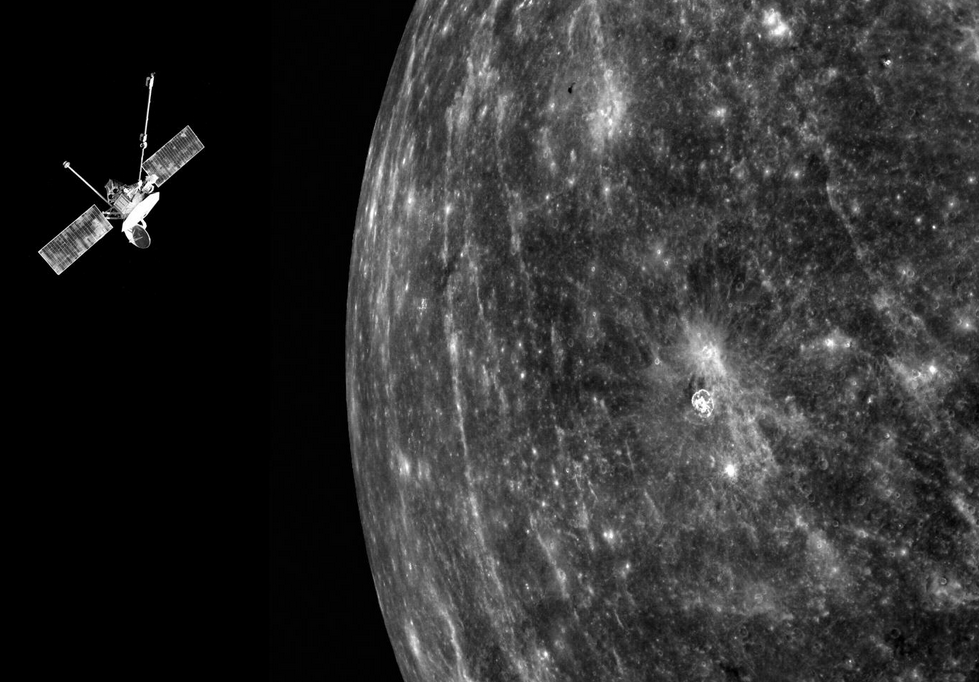
Fifty-one years ago, Mariner 10 revolutionized space exploration by executing the first-ever planetary gravity assist at Venus, pioneering a technique that would transform how we explore the solar system
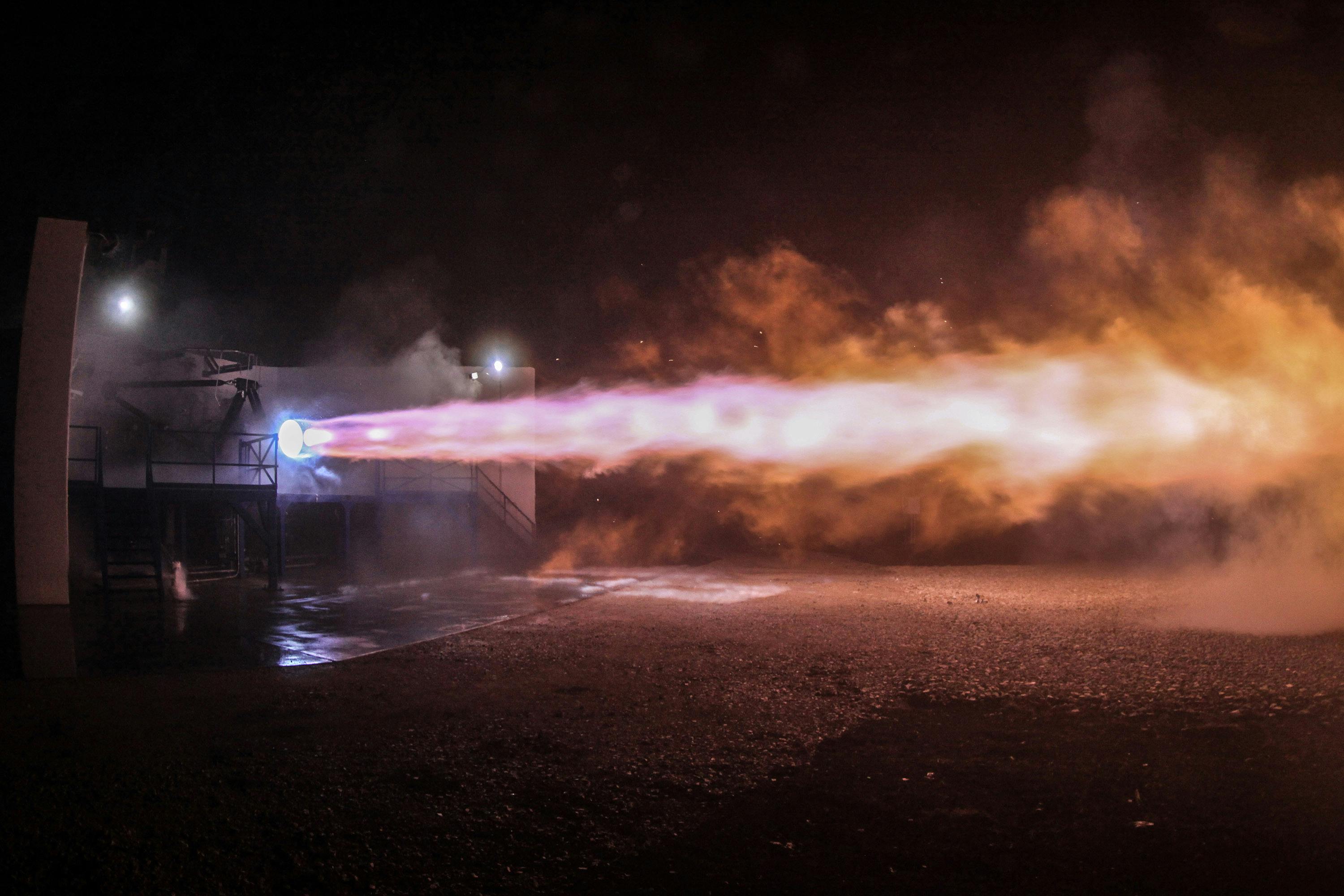
U.S. Space Force's Europe operations amidst Ukraine conflict, Maxar's new partnership, integration of military and commercial tech, and the Pentagon's new AI initiatives shape today's space discourse.
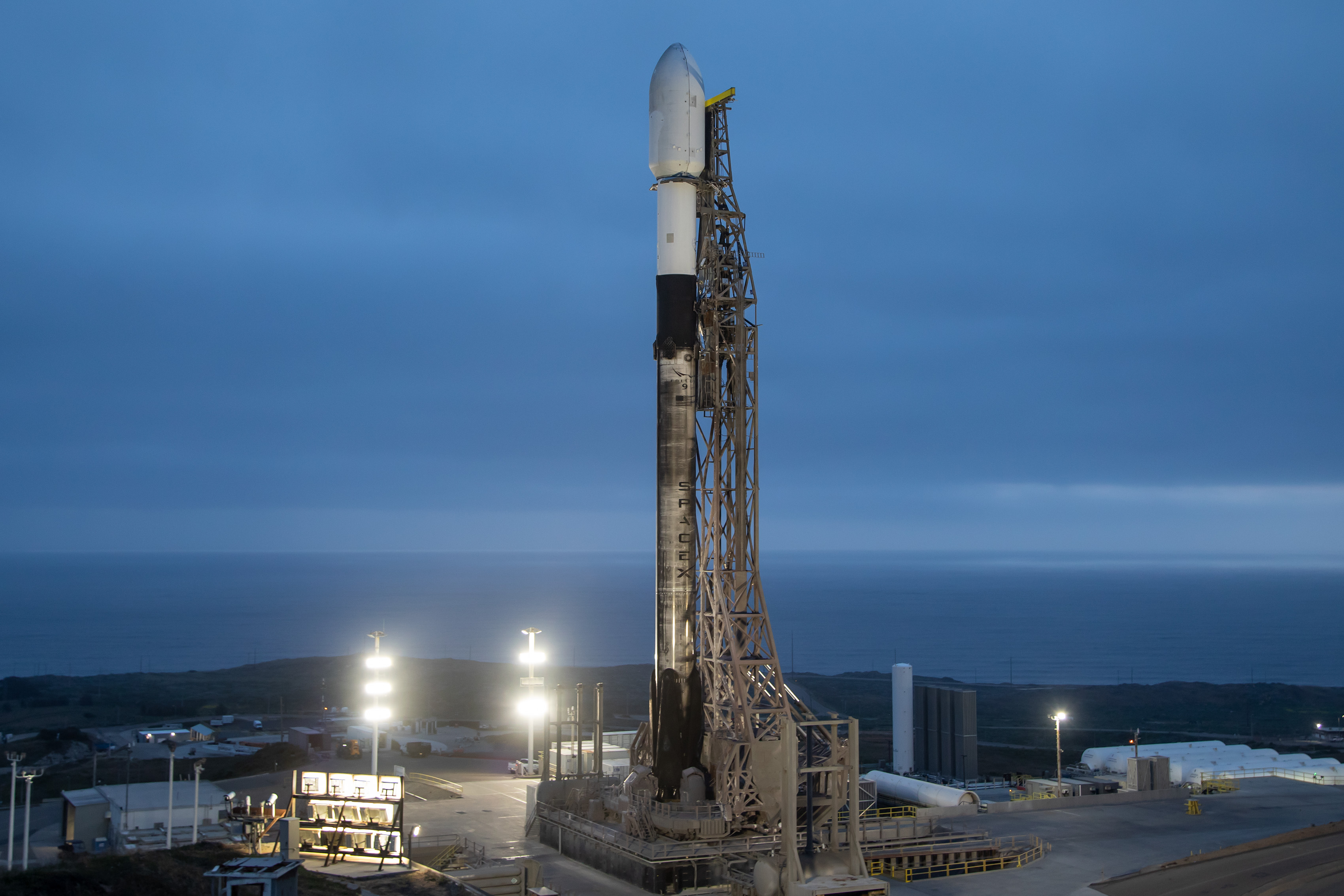
Firefly Aerospace launches return-to-flight Firefly Alpha on March 10 after Flight 6 anomaly. SpaceX also launches EchoStar 25 GEO satellite and multiple Starlink batches this week.