


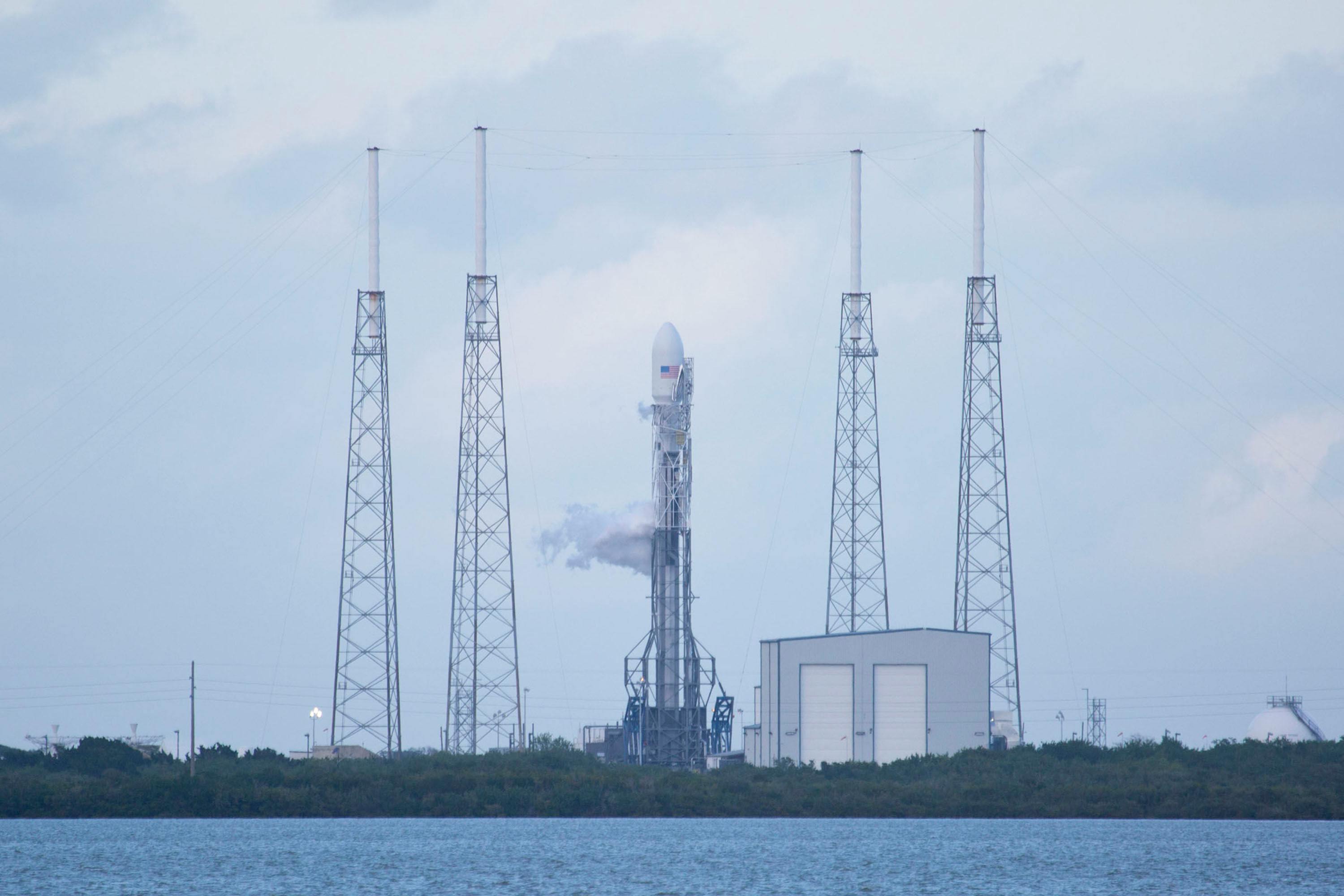
Starlink Satellite Count Hits 10,087, X Report 22 Mar 2026
How many Starlink satellites are in orbit in 2026? 10,087 working of 10,097 on orbit, 11,612 launched to date, per KeepTrack data.



Launch Date
July 2, 2025
Launch Site
Launch Pad
LC40
Launch Vehicle
NORAD ID
64739
International Designator
2025-144R
Epoch
Sun, 19 Jul 2026 10:51:45 GMT
Apogee
Calculating...
Perigee
Calculating...
Inclination
53.16°
Right Ascension
289.14°
Eccentricity
Calculating...
Argument of Perigee
90.89°
Period
94.10 min
Mean Motion
15.30 rev/day
Latitude
Calculating...
Longitude
Calculating...
Altitude
Calculating...
Velocity
Calculating...
Name
STARLINK-34471
Alternative Name
N/A
Type
Status
Owner
SPXS
Country
United States
Constellation
N/A
Related Satellites
Major Events
N/A
1 64739U 25144R 26200.45260462 .00014457 00000+0 49906-3 0 9995
2 64739 53.1588 289.1372 0001784 90.8852 269.2353 15.30215820 59826
Source: Celestrak
Length
0.3
Diameter
4.1
Span
29.0
Dry Mass
530
Launch Mass
575
Shape
Box + pan
Radar Cross Section
Unknown
Visual Magnitude
Unknown
Color
Unknown
Material Composition
Unknown
Payload
Starlink Group 10-25-16
Purpose
Unknown
Mission
Unknown
Manufacturer
SPXS
Life Expectancy
Unknown
Bus
Starlink V2MO
Configuration
Unknown
Motor
Unknown
Equipment
Unknown
Power System
Unknown
ADCS
Unknown
Transmitter Frequency
Unknown
Learn more about satellites and other related topics.
How many Starlink satellites are in orbit in 2026? 10,087 working of 10,097 on orbit, 11,612 launched to date, per KeepTrack data.

SpaceX's ongoing challenges with the Starship Flight 10 launch are prominent today, as weather and technical issues continue to push back the schedule. Meanwhile, successful cargo missions to the ISS highlight the company's ongoing commitment to space operations.
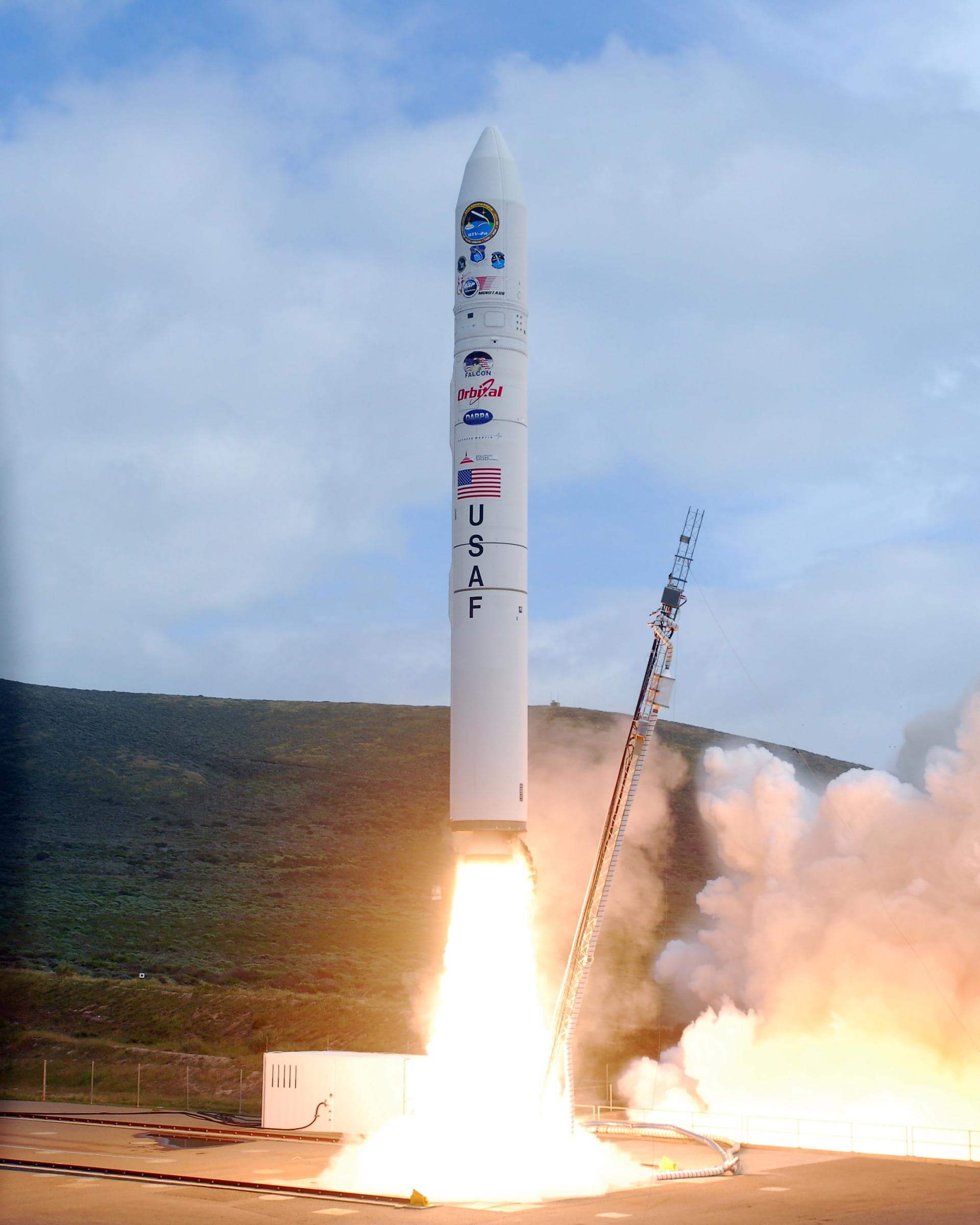
Today's brief covers strategic alignments in U.S. military space operations, a landmark missile defense program, and advances in secure satellite communications.
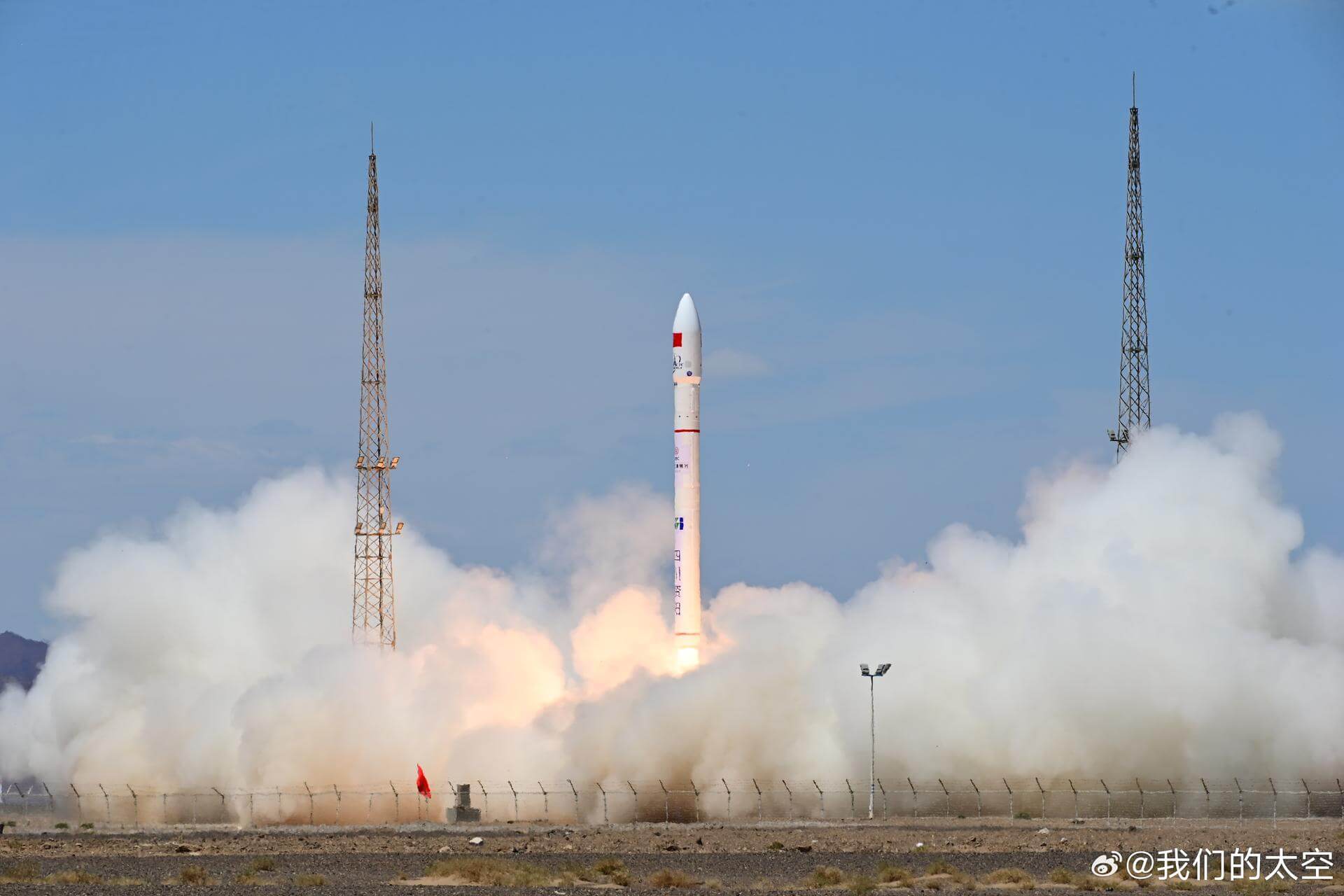
Today's brief covers developments in US military space initiatives, advancements in missile technology, and notable military contractor activities.

Today's briefing covers significant developments in international rocket designs, recent astronaut health updates, and advancements in supersonic flight technology.
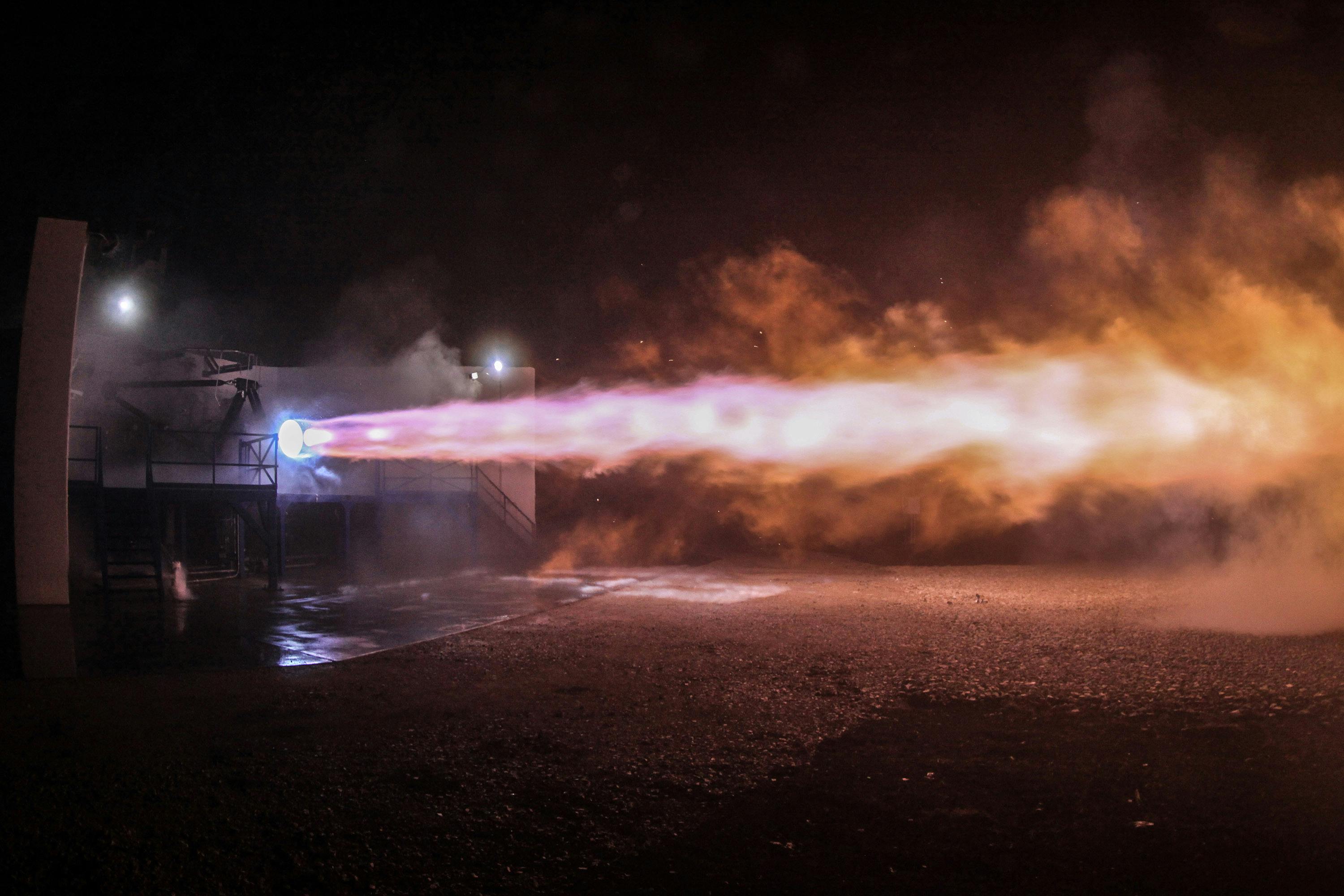
SpaceX gears up for a busy launch schedule with multiple missions, while its Starship program progresses with a successful Super Heavy test. Meanwhile, NASA's Artemis 2 faces delays, highlighting SpaceX's ongoing momentum in the space sector.

On May 4, 1989, Space Shuttle Atlantis lifted off from LC-39B carrying Magellan, NASA's first interplanetary mission since 1978. The eleven-year drought ended in a payload bay, and the radar that emerged would map ninety-eight percent of Venus through clouds that no camera could ever see through.
New experiments in space agriculture begin with Fram2 mission, a historic polar orbit flight, and a Starlink launch postponement.