


X Report 2 Oct 2025
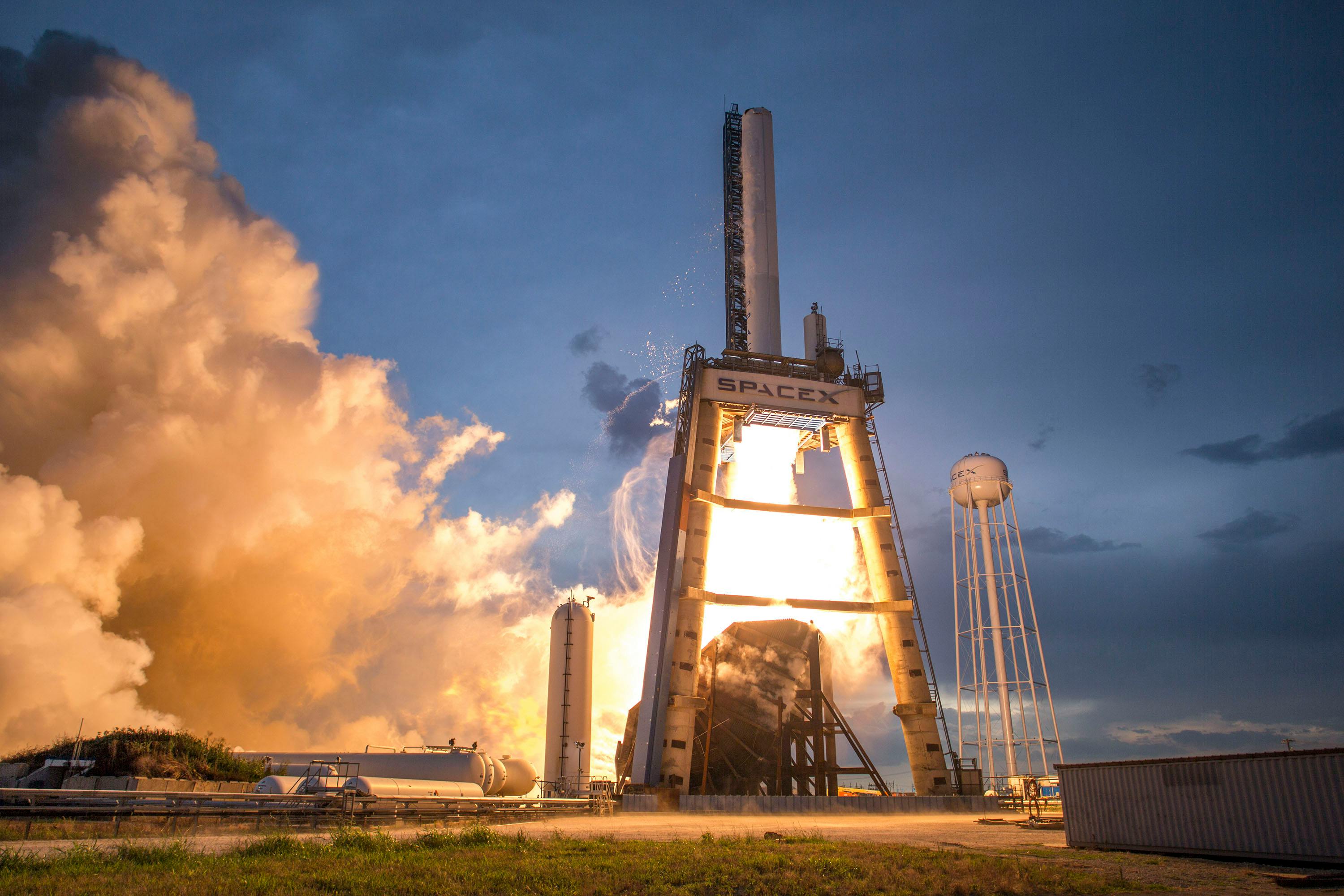
Today's briefing covers Starlink's role in disaster recovery in the Philippines, insights into the evolving direct-to-device market, and news of European plans for a reusable upper stage rocket inspired by SpaceX's Starship.


Launch Date
June 23, 2025
Launch Site
Launch Pad
SLC41
Launch Vehicle
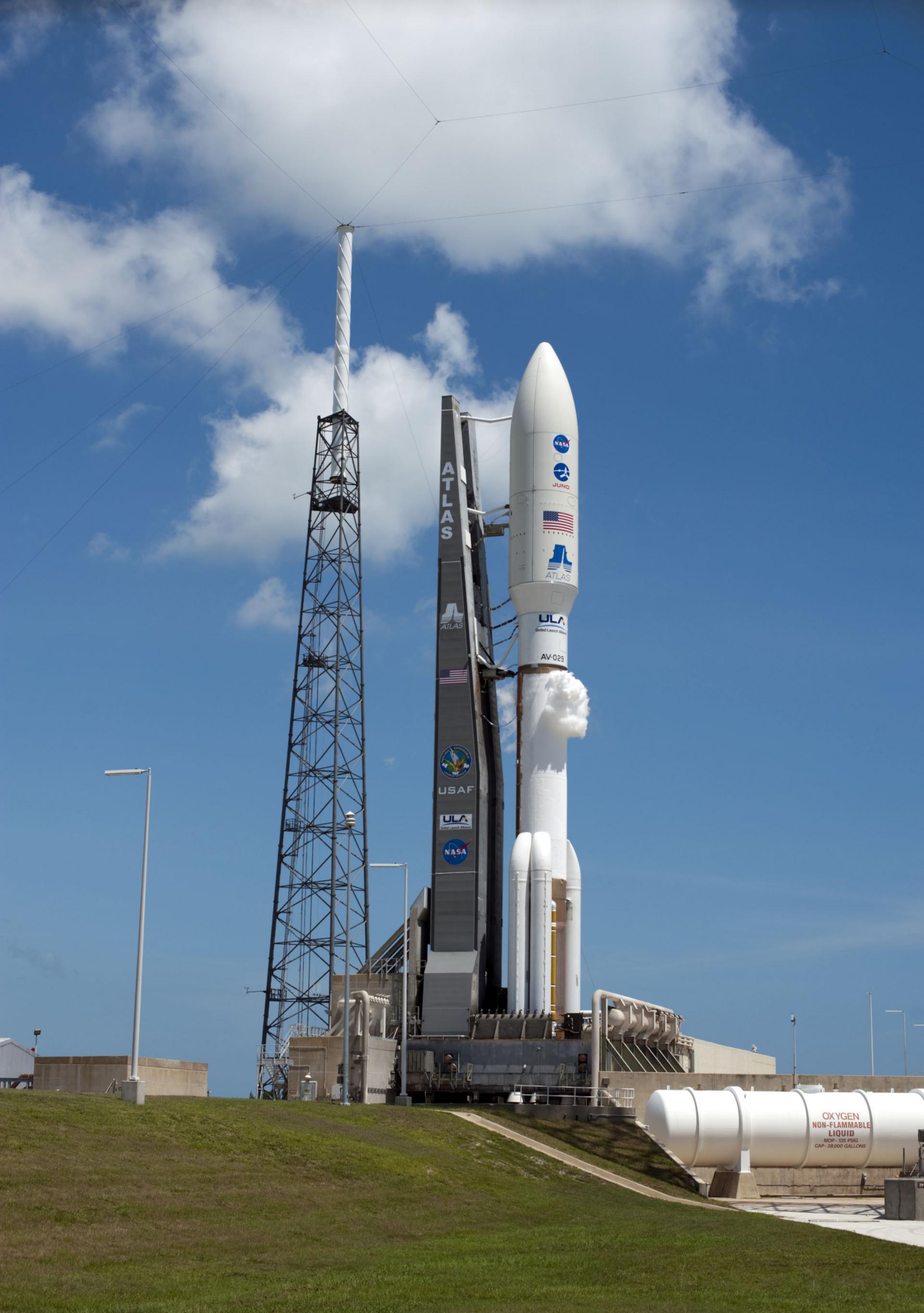
Atlas V 551
NORAD ID
64521
International Designator
2025-134X
Epoch
Sun, 19 Jul 2026 04:24:45 GMT
Apogee
Calculating...
Perigee
Calculating...
Inclination
51.90°
Right Ascension
6.63°
Eccentricity
Calculating...
Argument of Perigee
125.84°
Period
97.30 min
Mean Motion
14.80 rev/day
Latitude
Calculating...
Longitude
Calculating...
Altitude
Calculating...
Velocity
Calculating...
Name
KUIPER-00061
Alternative Name
N/A
Type
Status
Owner
KUIP
Country
United States
Constellation
N/A
Related Satellites
Major Events
N/A
1 64521U 25134X 26200.18385546 .00001692 00000+0 25083-3 0 9991
2 64521 51.9027 6.6334 0000802 125.8365 234.2672 14.79935173 59601
Source: Celestrak
Apologies, there is no summary for this satellite yet. I am working to generate these for every object in the catalog, but it is going to take time.
Length
1.8
Diameter
0.7
Span
5.0
Dry Mass
490
Launch Mass
490
Shape
Box + 2 pan
Radar Cross Section
Unknown
Visual Magnitude
Unknown
Color
Unknown
Material Composition
Unknown
Payload
Kuiper KA02-22
Purpose
Unknown
Mission
Unknown
Manufacturer
KUIP
Life Expectancy
Unknown
Bus
Kuiper
Configuration
Unknown
Motor
Unknown
Equipment
Unknown
Power System
Unknown
ADCS
Unknown
Transmitter Frequency
Unknown
Learn more about satellites and other related topics.
Today's briefing covers Starlink's role in disaster recovery in the Philippines, insights into the evolving direct-to-device market, and news of European plans for a reusable upper stage rocket inspired by SpaceX's Starship.
Today's highlights include Firefly's acquisition of SciTec, DARPA's vision for a moon economy, and ESA's new deep space antenna in Australia. Stay updated on the latest in space intelligence and defense technology transformations, plus noteworthy rogue planet phenomena.
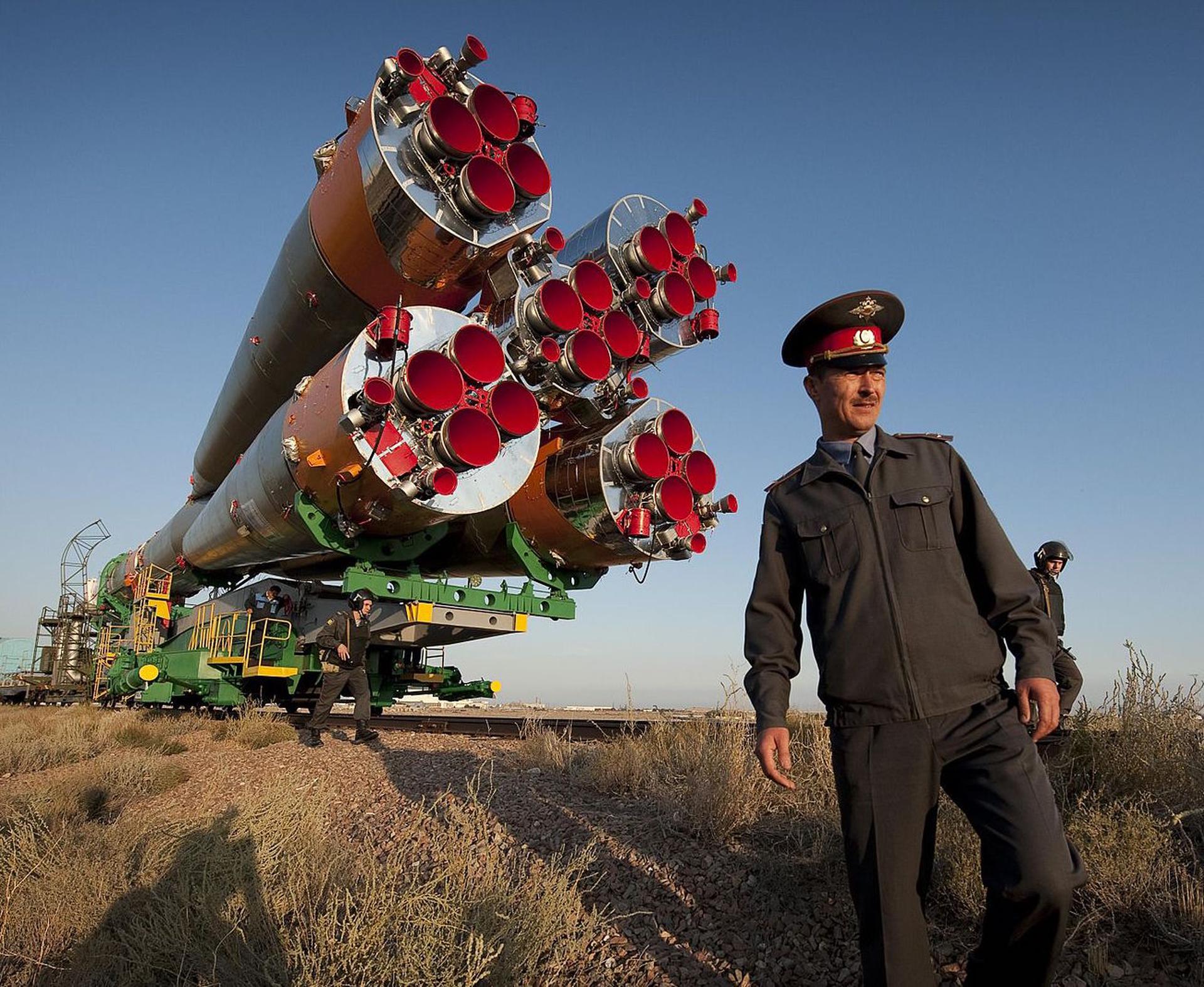
Long March 2C launches four PIESAT-2 radar satellites, Gilmour Space secures Australia's first orbital launch permit, NASA extends ISS cargo contracts through 2030, ESA and Arianespace face industry crossroads.

Today's Space Brief highlights the U.S. Air Force's $48 million investment in testing reentry capsules, a Pentagon-backed GPS alternative, and the Space Force's quest for funding autonomy.

Sixty-three years ago, John Glenn became the first American to orbit Earth, piloting Friendship 7 through three historic orbits that transformed the Space Race
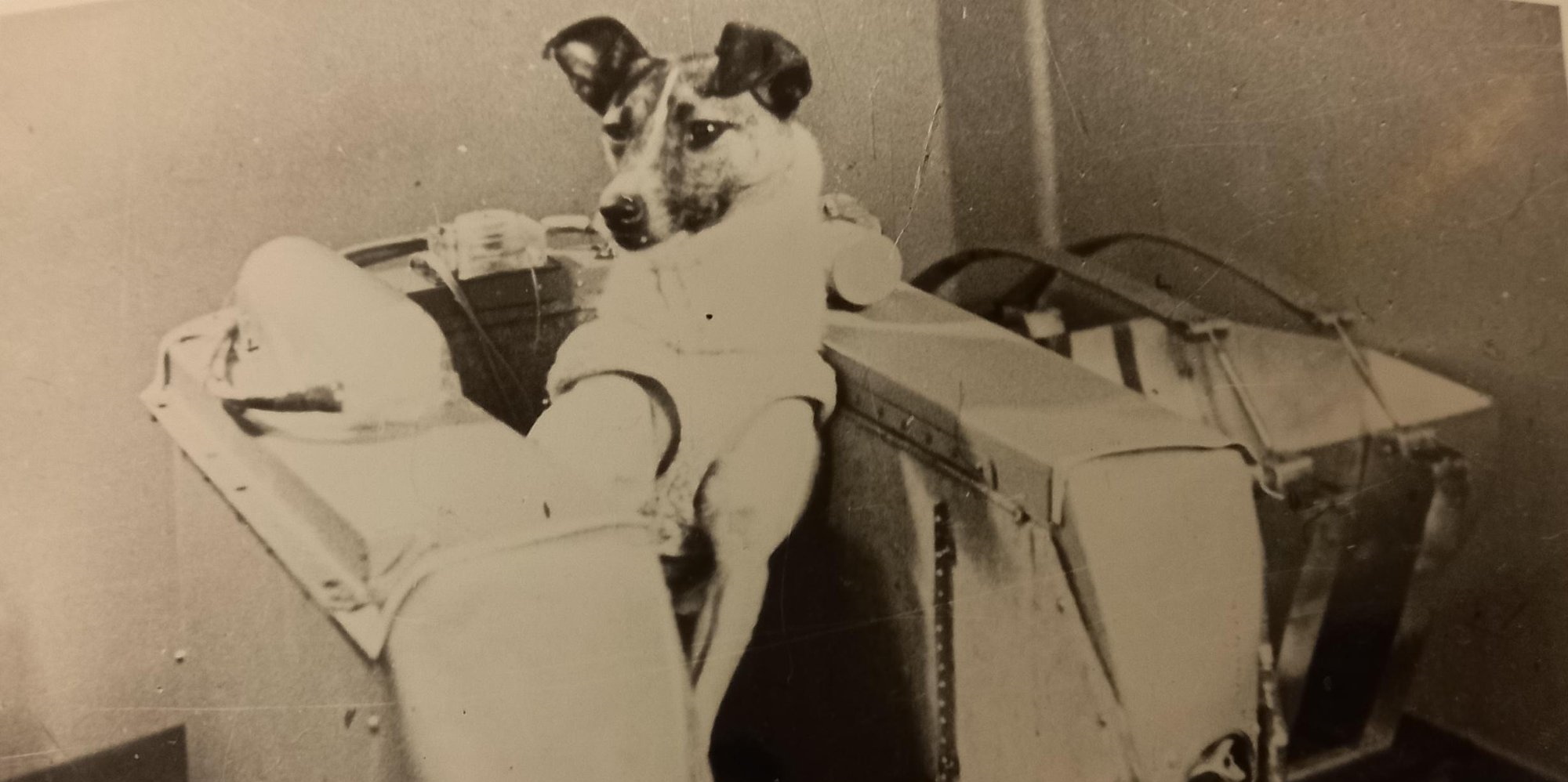
On April 14, 1958, Sputnik 2 burned up over the North Atlantic, carrying the remains of a stray dog from Moscow who had been dead for five months. The Soviet Union told the world she survived for days. It took forty-five years for the truth to come out.

ULA Vulcan faces scrutiny after solid booster anomaly on USSF-87 mission. ThinKom wins portable satellite ground station contract. Space Force starts Project Hecate for GPS past 2040.
Today's Space Brief covers major developments including the public debut of Voyager Technologies, advancements in defense by Sierra Space, and Pentagon's mega-constellation challenges. Also featured are new software selections by the Space Force and legislative actions on acquisition pilots.