


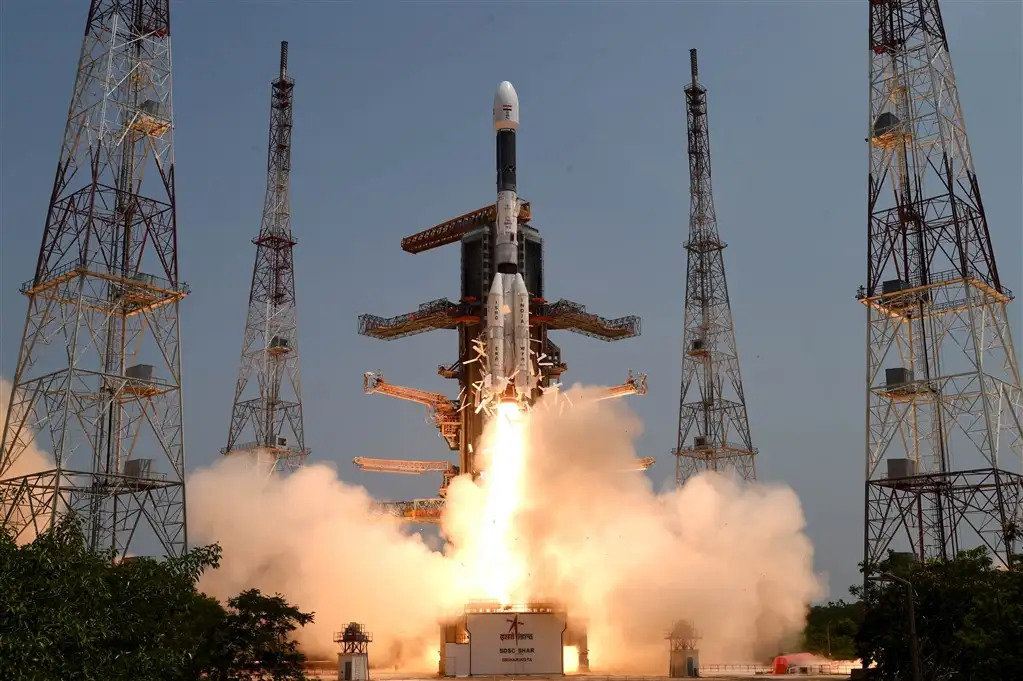
Space Brief 15 Jan 2025
Focus on Varda's second mission launch, new U.S. Defense Department tool for satellite anomaly investigation, and a detailed Satellite Spotlight on CELESTIS 21/Varisat 1C.



NORAD ID
64414
International Designator
2025-129C
Epoch
Mon, 20 Jul 2026 02:00:51 GMT
Apogee
Calculating...
Perigee
Calculating...
Inclination
70.00°
Right Ascension
100.84°
Eccentricity
Calculating...
Argument of Perigee
266.08°
Period
96.11 min
Mean Motion
14.98 rev/day
Latitude
Calculating...
Longitude
Calculating...
Altitude
Calculating...
Velocity
Calculating...
Name
STARLINK-34225
Alternative Name
N/A
Type
Status
Owner
SPXS
Country
United States
Constellation
N/A
Related Satellites
Major Events
N/A
1 64414U 25129C 26201.08392400 -.00001714 00000+0 -13589-3 0 9998
2 64414 70.0002 100.8419 0002531 266.0822 94.0047 14.98322868 61114
Source: Celestrak
Length
0.3
Diameter
4.1
Span
29.0
Dry Mass
530
Launch Mass
575
Shape
Box + pan
Radar Cross Section
Unknown
Visual Magnitude
Unknown
Color
Unknown
Material Composition
Unknown
Payload
Starlink Group 15-9-03
Purpose
Unknown
Mission
Unknown
Manufacturer
SPXS
Life Expectancy
Unknown
Bus
Starlink V2MO
Configuration
Unknown
Motor
Unknown
Equipment
Unknown
Power System
Unknown
ADCS
Unknown
Transmitter Frequency
Unknown
Learn more about satellites and other related topics.
Focus on Varda's second mission launch, new U.S. Defense Department tool for satellite anomaly investigation, and a detailed Satellite Spotlight on CELESTIS 21/Varisat 1C.
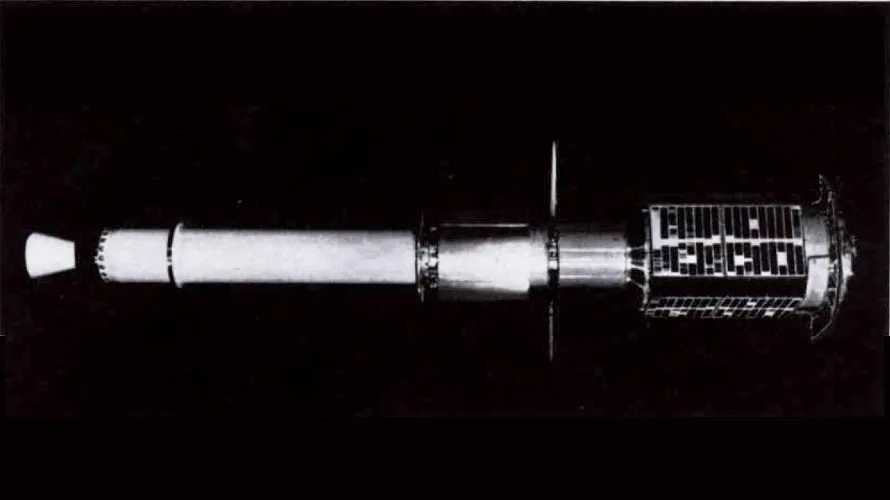
On April 27, 1961, a Scout rocket lifted a 37-kilogram NASA satellite into orbit from Wallops Island carrying the first serious instrument for detecting cosmic gamma rays. Explorer 11 operated for seven months before its tape recorder failed. In that time it registered 22 gamma-ray photons - a pitiful number by modern standards, but enough to launch an entire branch of astronomy.
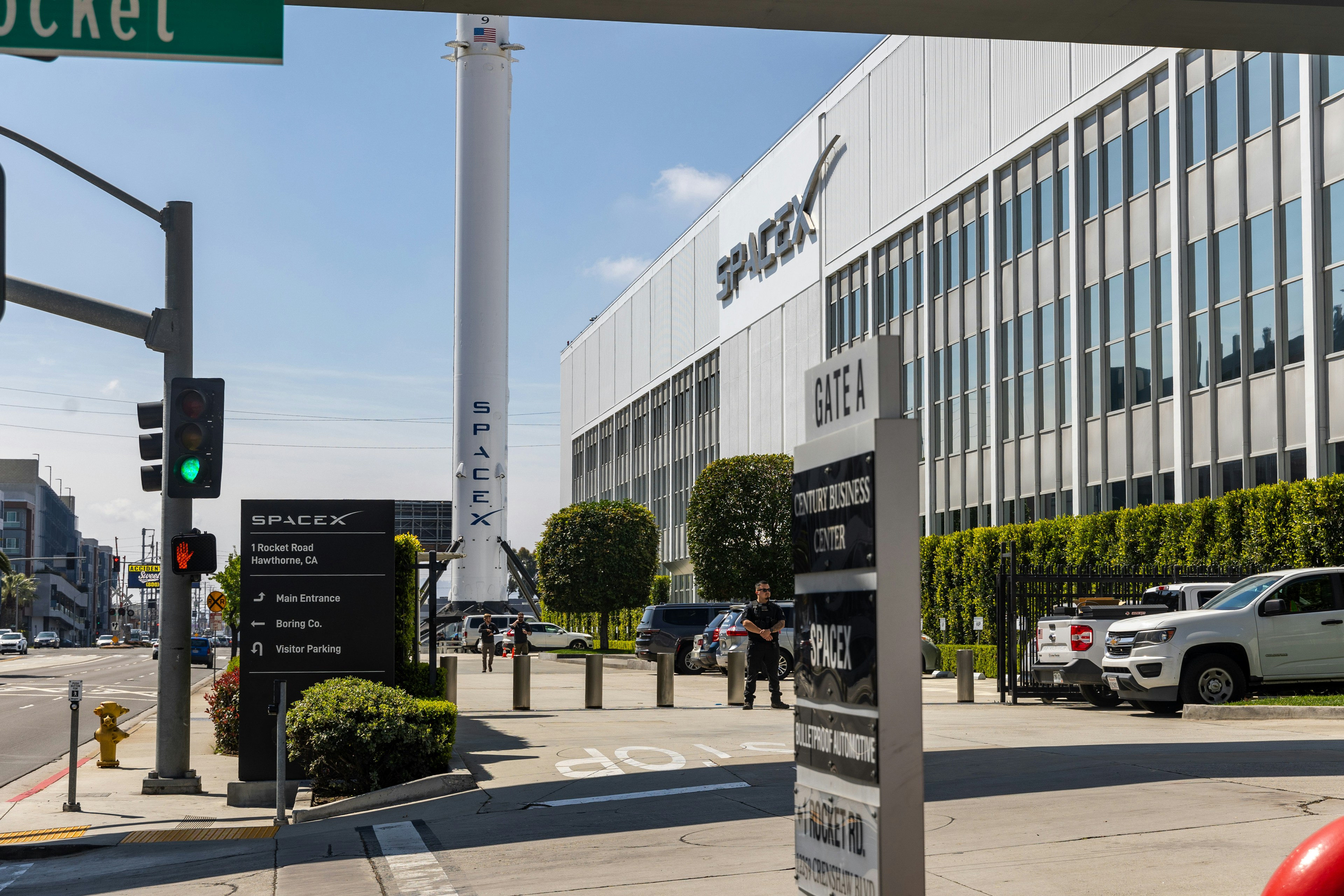
How many Starlink satellites are in orbit in 2026? SpaceX passed 10,000 after the Starlink 17-24 launch, with 10,020 in orbit and 11,529 launched.

Today's brief covers the recent surge in SpaceX launches, Eutelsat's resolution of a OneWeb software issue, and various strategic previews for U.S. military branches in 2025.
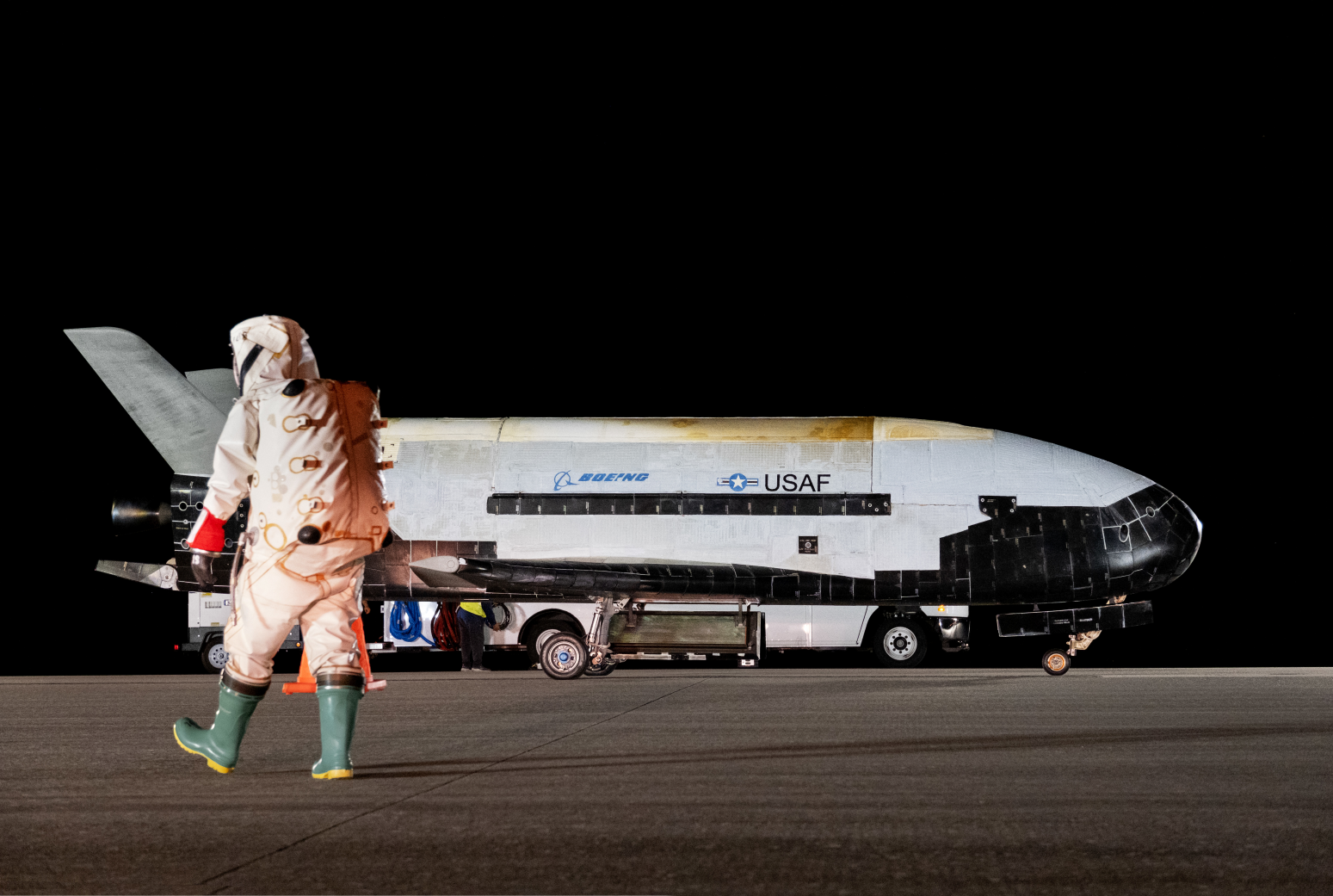
On April 22, 2010, an Atlas V lifted off from Cape Canaveral carrying a reusable robotic spaceplane so secret that the Air Force would not even confirm its mission duration. It came back 224 days later, lighter, quieter, and more operational than anyone outside Washington had expected. Fifteen years later, the X-37B is still flying, and the military still will not say what it does.
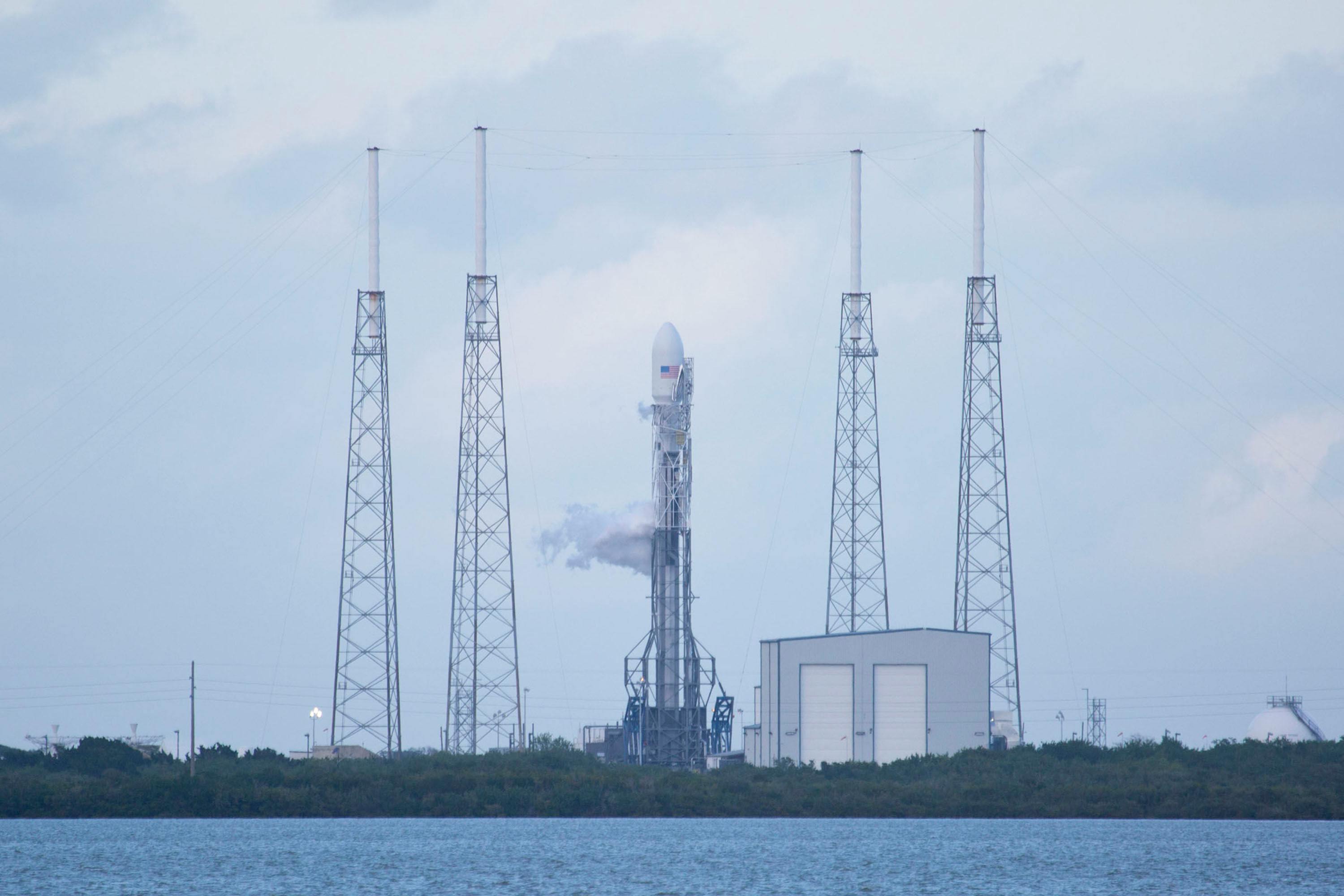
SpaceX prepares to launch 27 Starlink satellites in its first mission since the recent Starship explosion, while the FAA investigates debris reports from the failed test flight.

SpaceX continues its rapid launch cadence by deploying 28 Starlink satellites while expanding its service with collaborations such as United Airlines and Entel in Chile.

Today's Space Brief covers SpaceX's recent launch for OneWeb, advances in remote-control robots for lunar missions, the power loss of Intelsat 33e, and developments in inflatable space habitats.