


X Report 28 Apr 2025
SpaceX marks a milestone with its 250th Starlink mission, continuing to expand its broadband satellite network.



Launch Date
April 29, 2025
Launch Site
Launch Pad
LC40
Launch Vehicle
NORAD ID
63760
International Designator
2025-089K
Epoch
Sun, 19 Jul 2026 01:53:44 GMT
Apogee
Calculating...
Perigee
Calculating...
Inclination
43.00°
Right Ascension
219.91°
Eccentricity
Calculating...
Argument of Perigee
291.75°
Period
91.66 min
Mean Motion
15.71 rev/day
Latitude
Calculating...
Longitude
Calculating...
Altitude
Calculating...
Velocity
Calculating...
Name
STARLINK-11701
Alternative Name
N/A
Type
Status
Owner
SPXS
Country
United States
Constellation
N/A
Related Satellites
Major Events
N/A
1 63760U 25089K 26200.07899198 .00121120 00000+0 92908-3 0 9994
2 63760 42.9990 219.9106 0005540 291.7457 68.2821 15.70942821 70805
Source: Celestrak
Length
0.3
Diameter
4.1
Span
29.0
Dry Mass
910
Launch Mass
960
Shape
Box + pan
Radar Cross Section
Unknown
Visual Magnitude
Unknown
Color
Unknown
Material Composition
Unknown
Payload
Starlink Group 12-10-10
Purpose
Unknown
Mission
Unknown
Manufacturer
SPXS
Life Expectancy
Unknown
Bus
Starlink V2MD
Configuration
Unknown
Motor
Unknown
Equipment
Unknown
Power System
Unknown
ADCS
Unknown
Transmitter Frequency
Unknown
Learn more about satellites and other related topics.
SpaceX marks a milestone with its 250th Starlink mission, continuing to expand its broadband satellite network.

Key highlights on China's reusable rocket developments, U.S. military's Tranche 1 satellite launch, Space Force's weapons acquisition strategies, and more.

Forty years ago today, the USSR launched a 20-ton aluminum cylinder into low Earth orbit and called it 'Peace.' Over the next 15 years, Mir would host 104 people from 12 countries, survive a fire and a collision, and quietly teach humanity how to live in space.
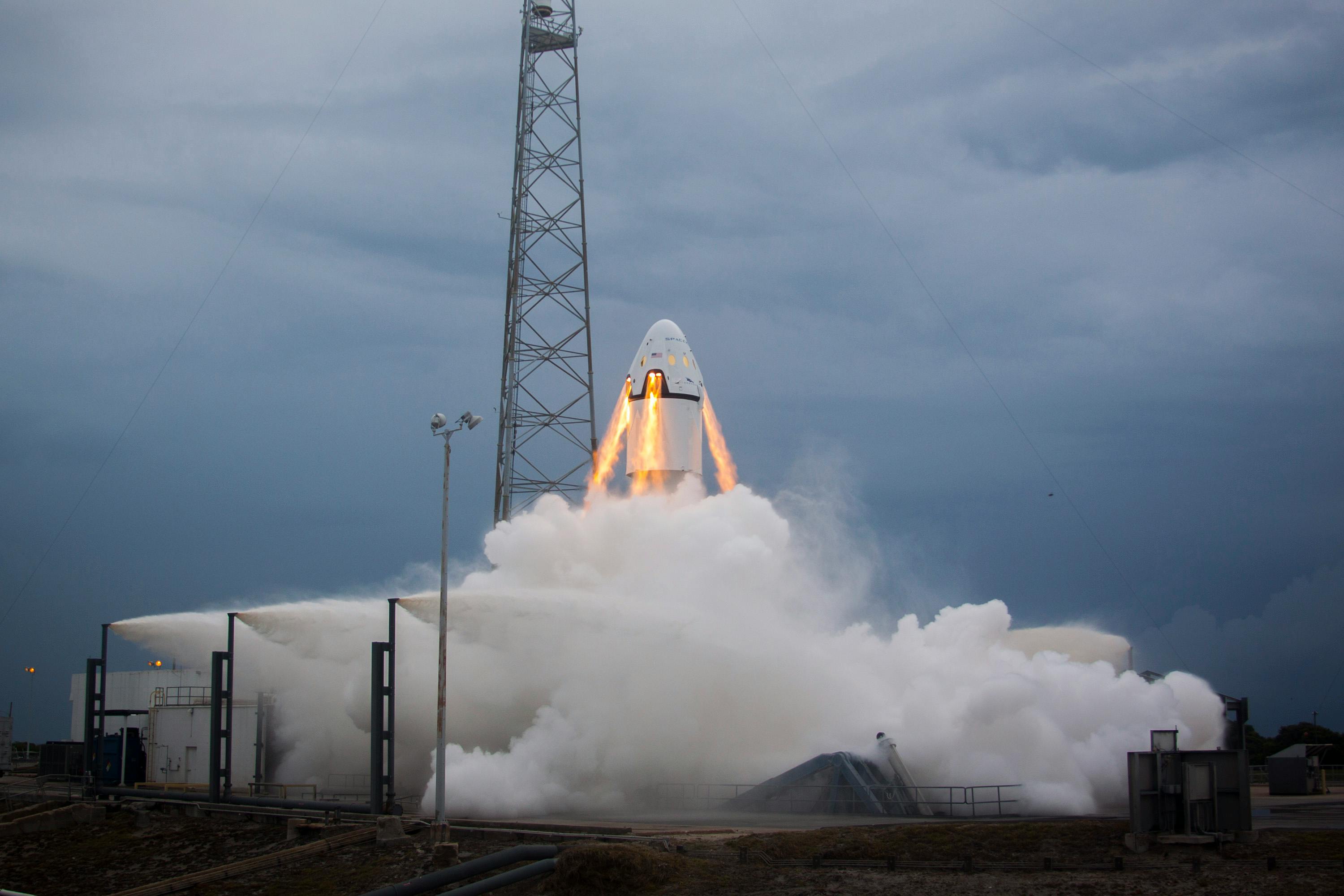
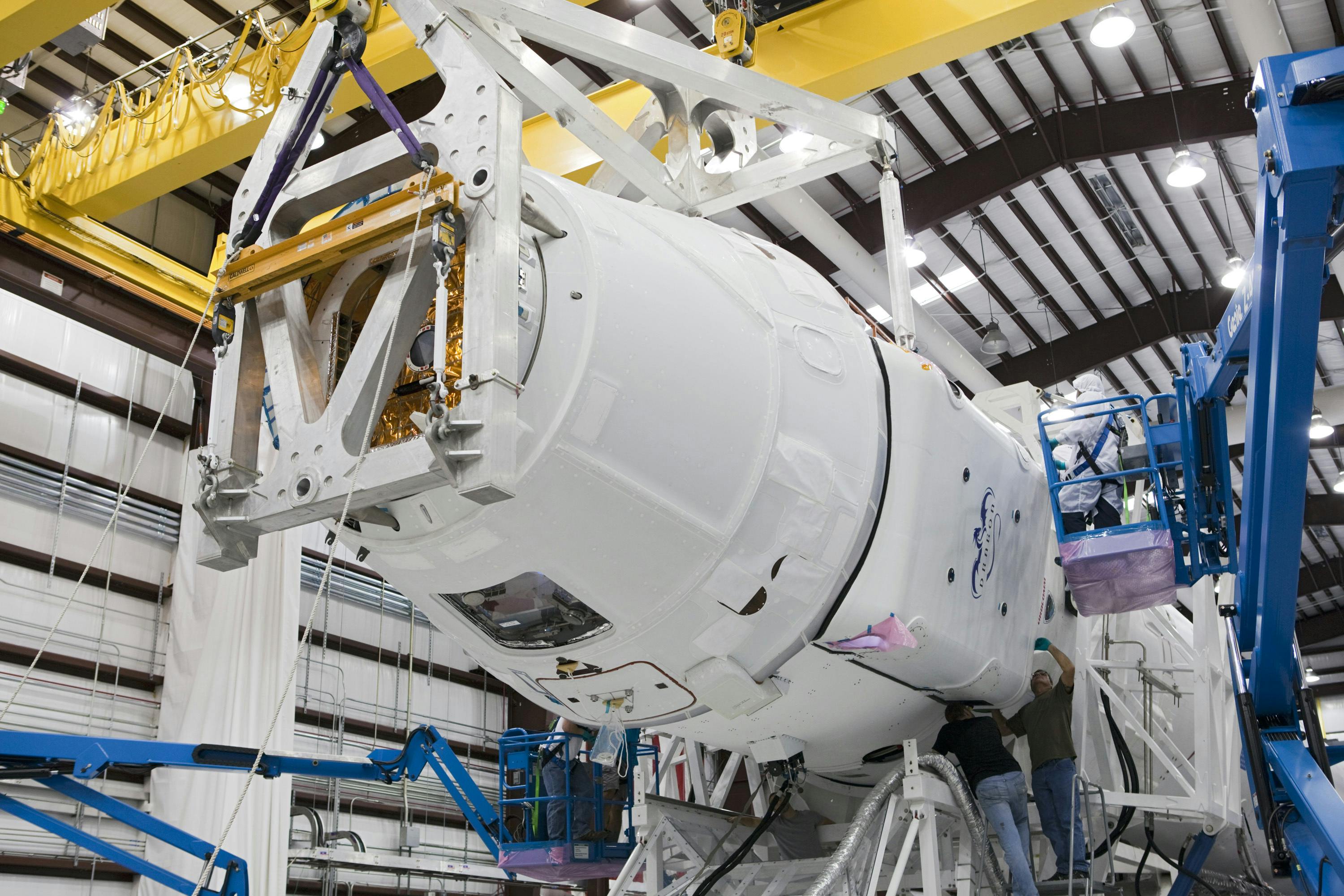
Exciting advancements from SpaceX's Fram2 mission and the pivotal role of biotech in space exploration.
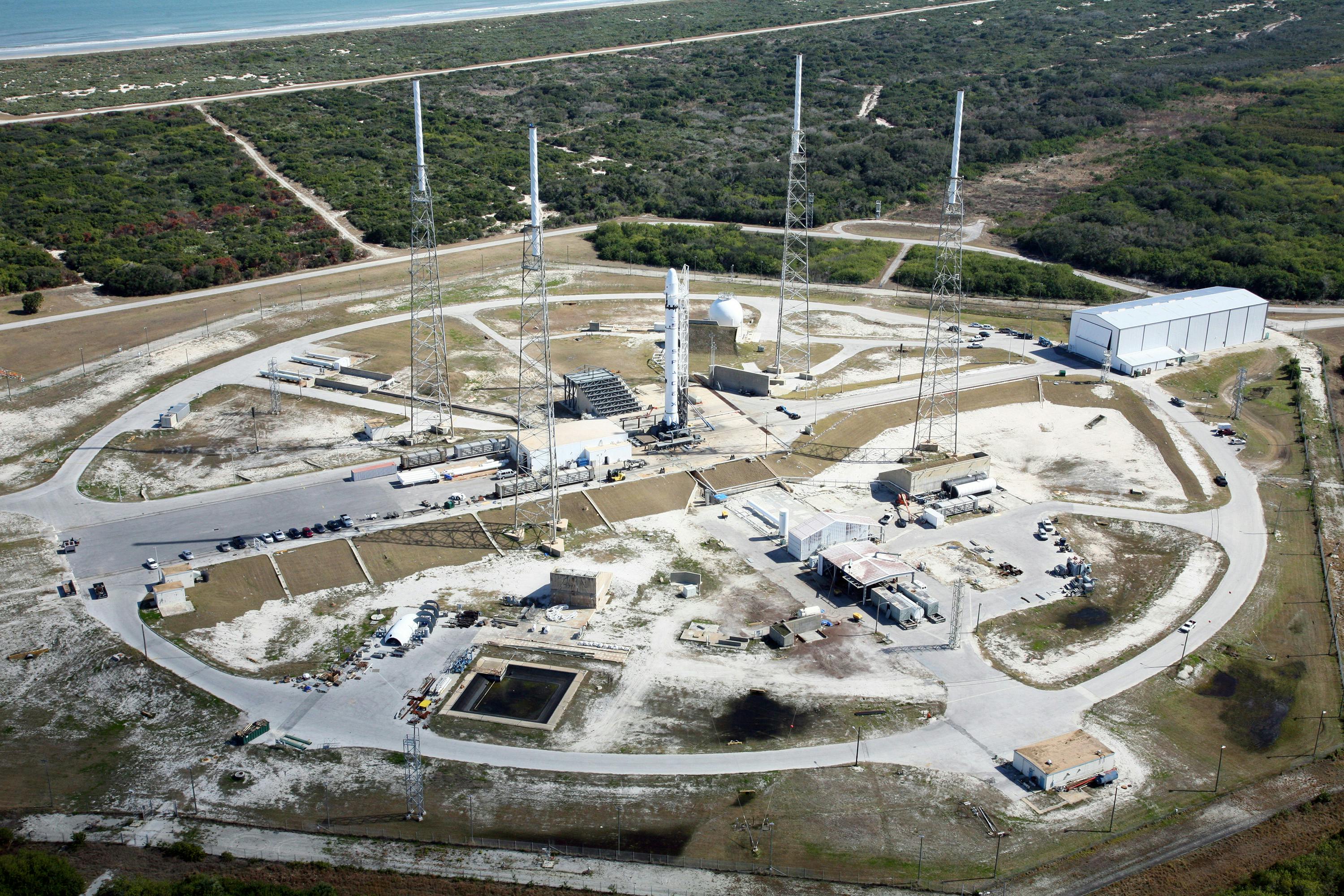
The FAA has approved an increase in Falcon 9 launches while reviewing the environmental impacts of Starship launches in Florida, amidst growing community concerns on noise and other issues related to the Starship program.
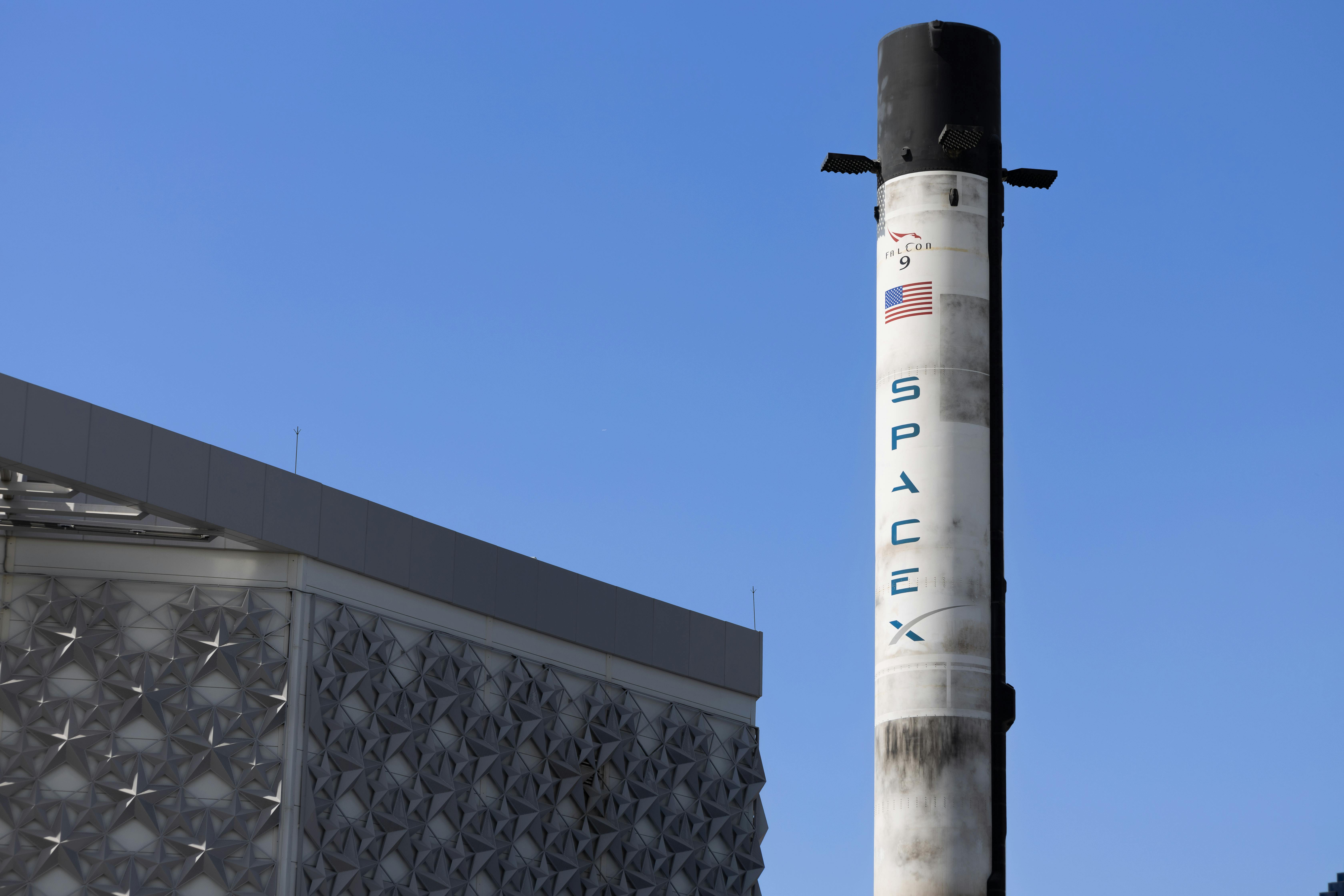
SpaceX experiences significant setbacks with Starship after Ship 36 explodes during static fire preparations, while Eutelsat secures funding to bolster competition against Starlink.
Today's Space Brief highlights a SpaceX launch of Starlink satellites, international efforts to tackle space debris, and innovative lunar power solutions from China.
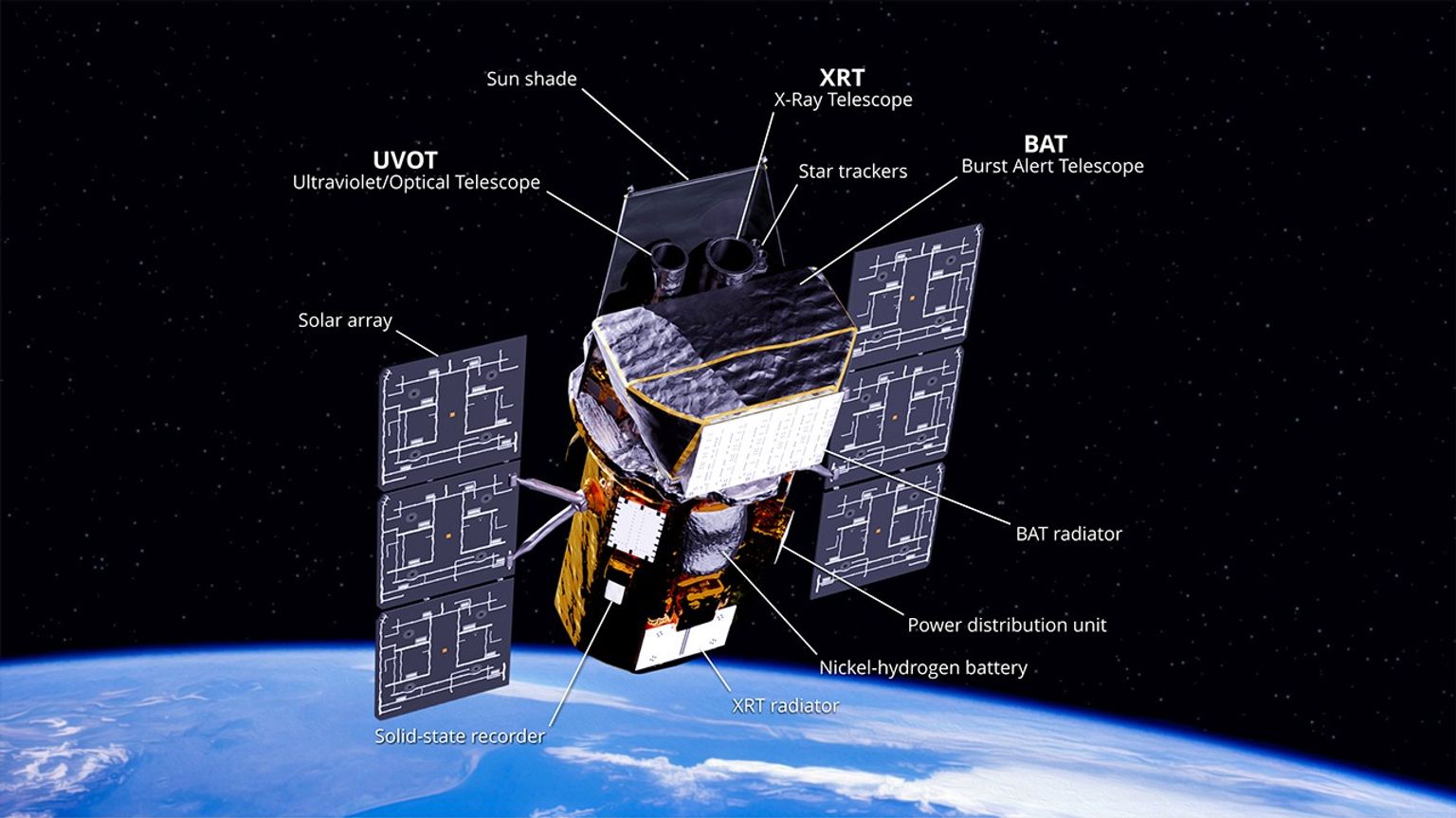
Designed for a two-year mission to catch gamma-ray bursts in the act, Swift is now 21 years old, slowly falling out of the sky, and the subject of an unprecedented private rescue mission. Nobody planned for it to be this hard to let go.