


Space Brief 26 Apr 2025
Today's brief covers major developments including the introduction of BAHA drones, increased defense spending by Estonia, and consequential announcements on military budgets impacting space-related activities.


Launch Date
April 20, 2025
Launch Site
AFWTR
Launch Pad
Unknown
Launch Vehicle
Unknown
NORAD ID
63625
International Designator
N/A
Decay Date
Unknown
Name
USA 542
Alternative Name
N/A
Type
Status
Owner
NROC
Country
United States
Constellation
N/A
Related Satellites
Major Events
N/A
Apologies, there is no summary for this satellite yet. I am working to generate these for every object in the catalog, but it is going to take time.
Length
0.3
Diameter
4.1
Span
29.0
Dry Mass
750
Launch Mass
800
Shape
Box + pan
Radar Cross Section
Unknown
Visual Magnitude
Unknown
Color
Unknown
Material Composition
Unknown
Payload
Starshield 9-20
Purpose
Unknown
Mission
Unknown
Manufacturer
SPXS
Life Expectancy
Unknown
Bus
Starshield
Configuration
Unknown
Motor
Unknown
Equipment
Unknown
Power System
Unknown
ADCS
Unknown
Transmitter Frequency
Unknown
Learn more about satellites and other related topics.
Today's brief covers major developments including the introduction of BAHA drones, increased defense spending by Estonia, and consequential announcements on military budgets impacting space-related activities.
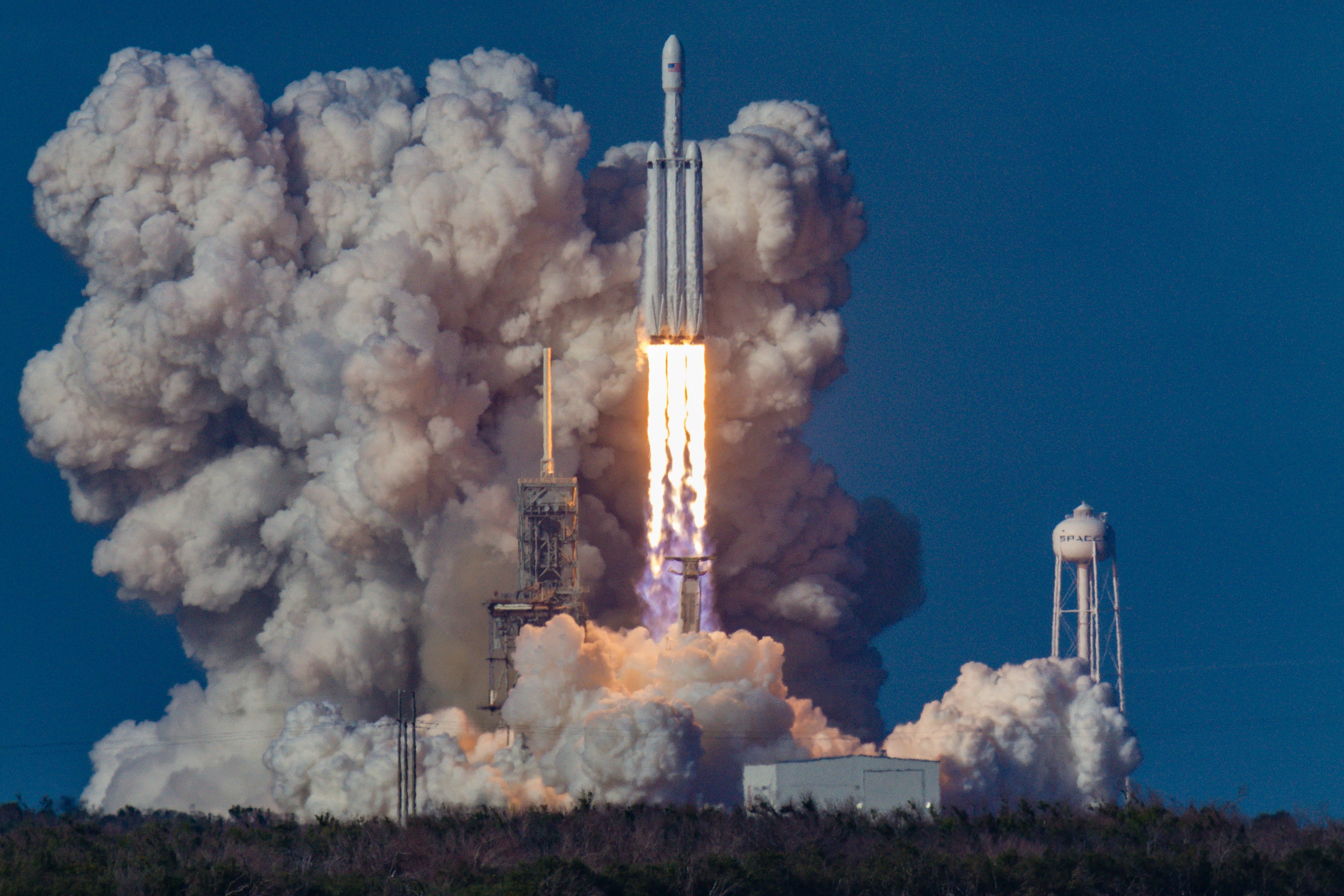
SpaceX achieves a remarkable milestone with its 50th Falcon 9 launch of 2025, while Starlink continues to expand, facing competition from China's megaconstellation efforts.
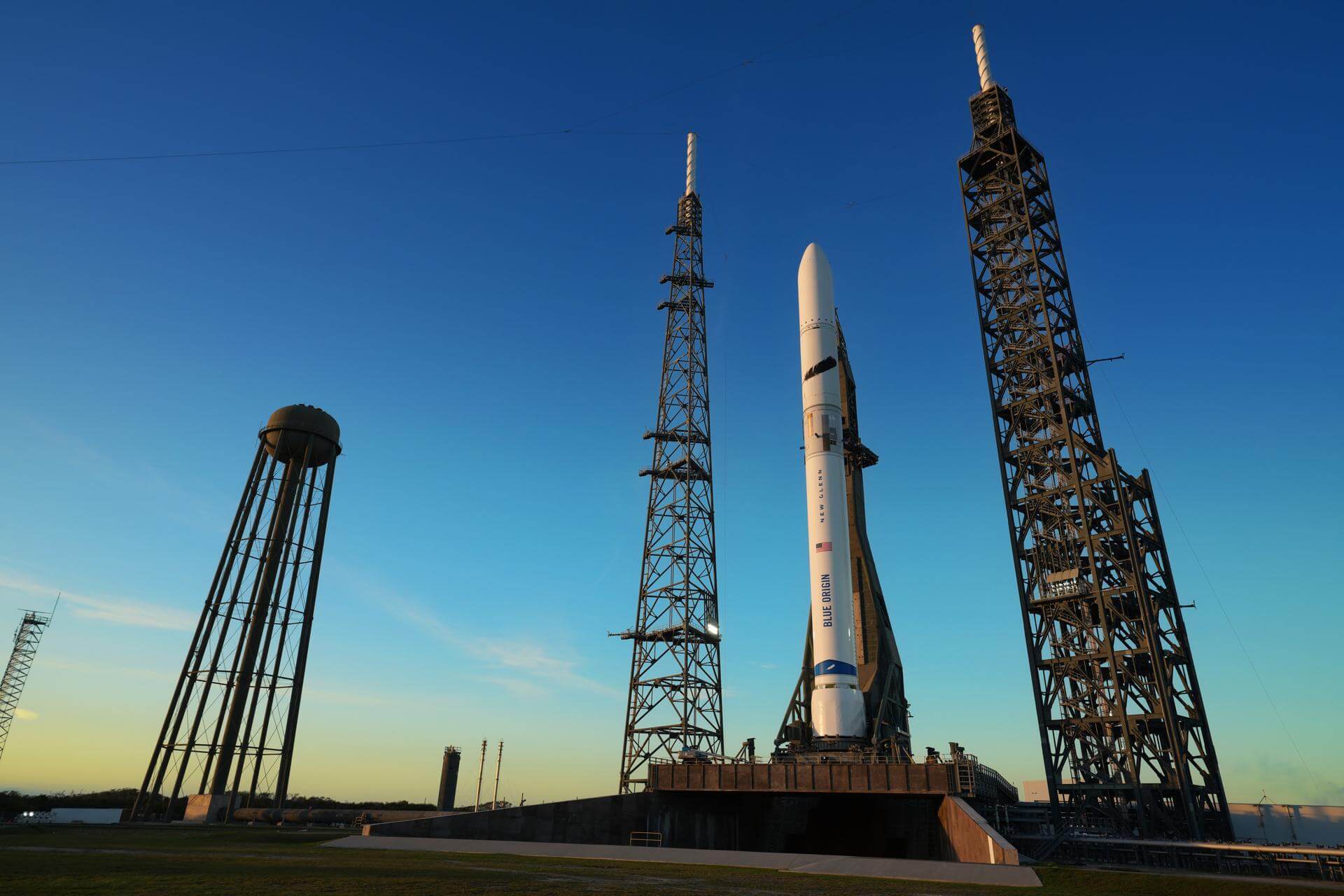
Today's briefing covers India's military communications satellite launch, SpaceX's Starlink mission milestone, Latvia's agreement to the Artemis Accords, and more significant updates in space technology and satellite launches.
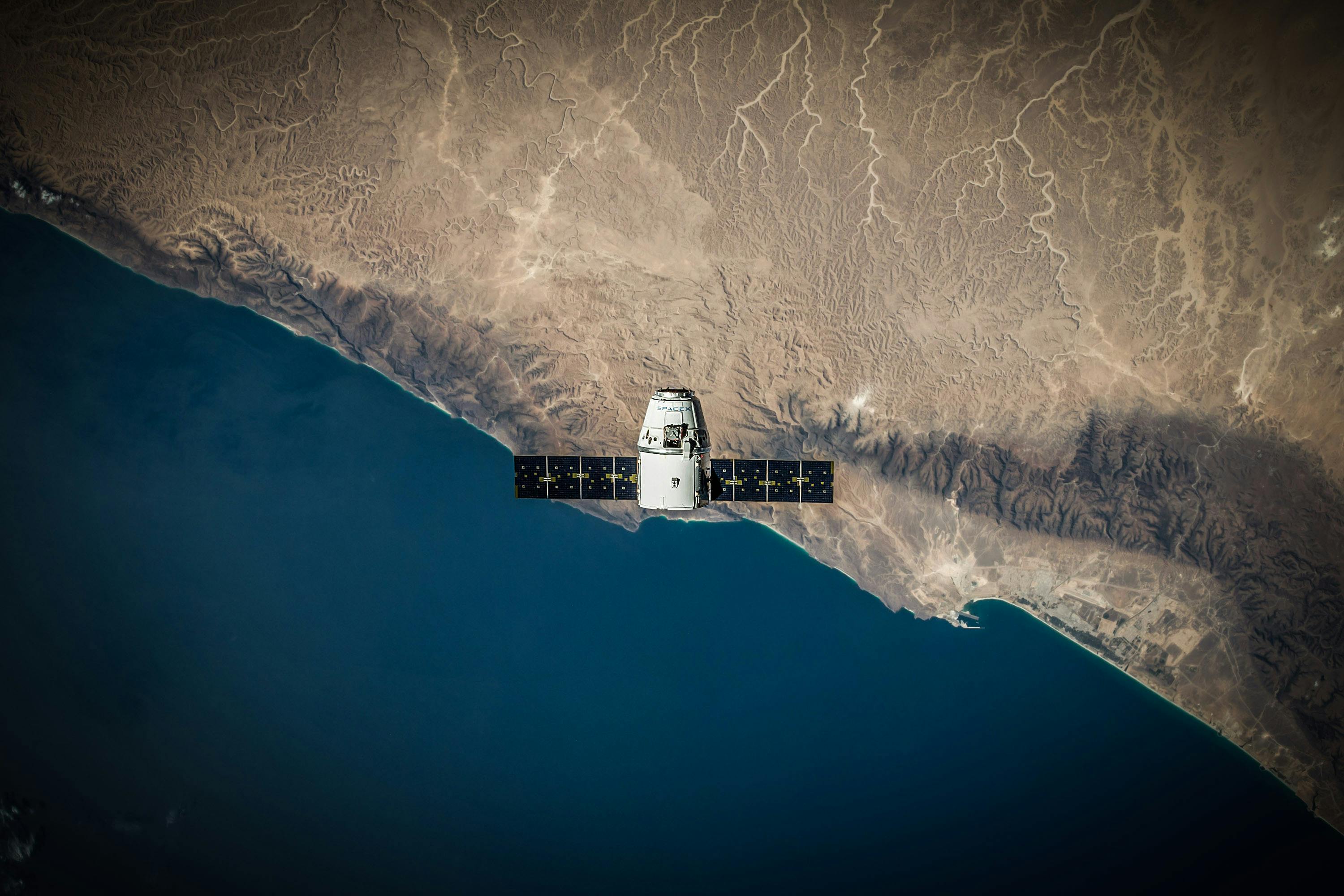
SpaceX gears up for multiple Falcon 9 launches, amidst challenges from Project Kuiper and environmental concerns.

Today's highlights include SpaceX's dual Starlink launches, NASA's progress on the Dragonfly mission to Titan, and delays in Starlink's Indian market entry.
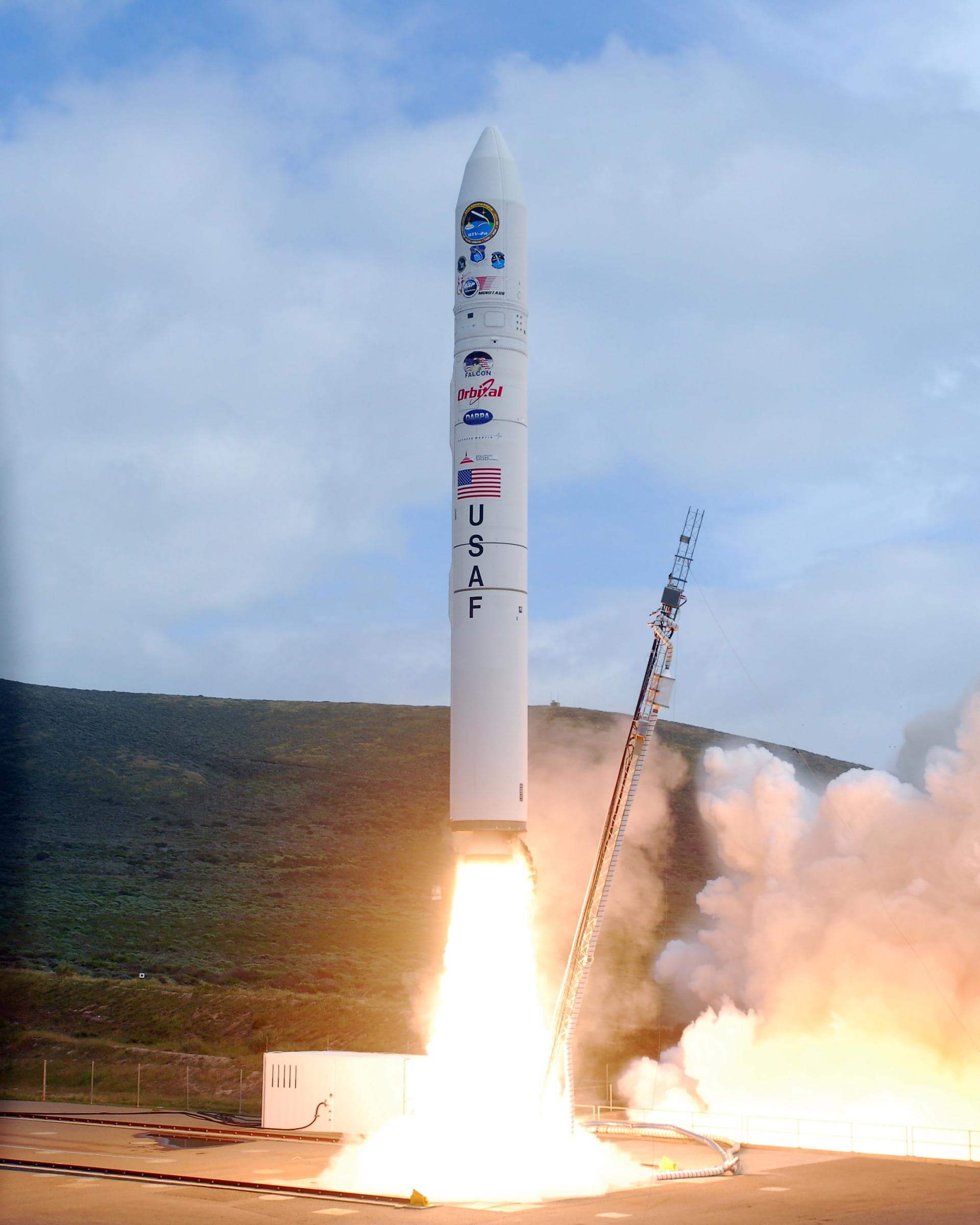
Today's brief covers crucial developments in satellite technology and operations, including new Starlink launches, groundbreaking satellite data on flood waves, and pivotal changes in South African telecom policy driven by Starlink.
Russia's Volna Kupol Garant electronic warfare system was purpose-built to jam Starlink. It costs around $1.5 million per unit, covers just 20 square kilometers, and can only target one satellite at a time. Ukraine has been finding and destroying them within days of deployment.

Space Force commits to operational space tugs and on-orbit refueling by 2030. New capabilities will complicate conjunction analysis for GEO and MEO satellite tracking.