


X Report 7 May 2025
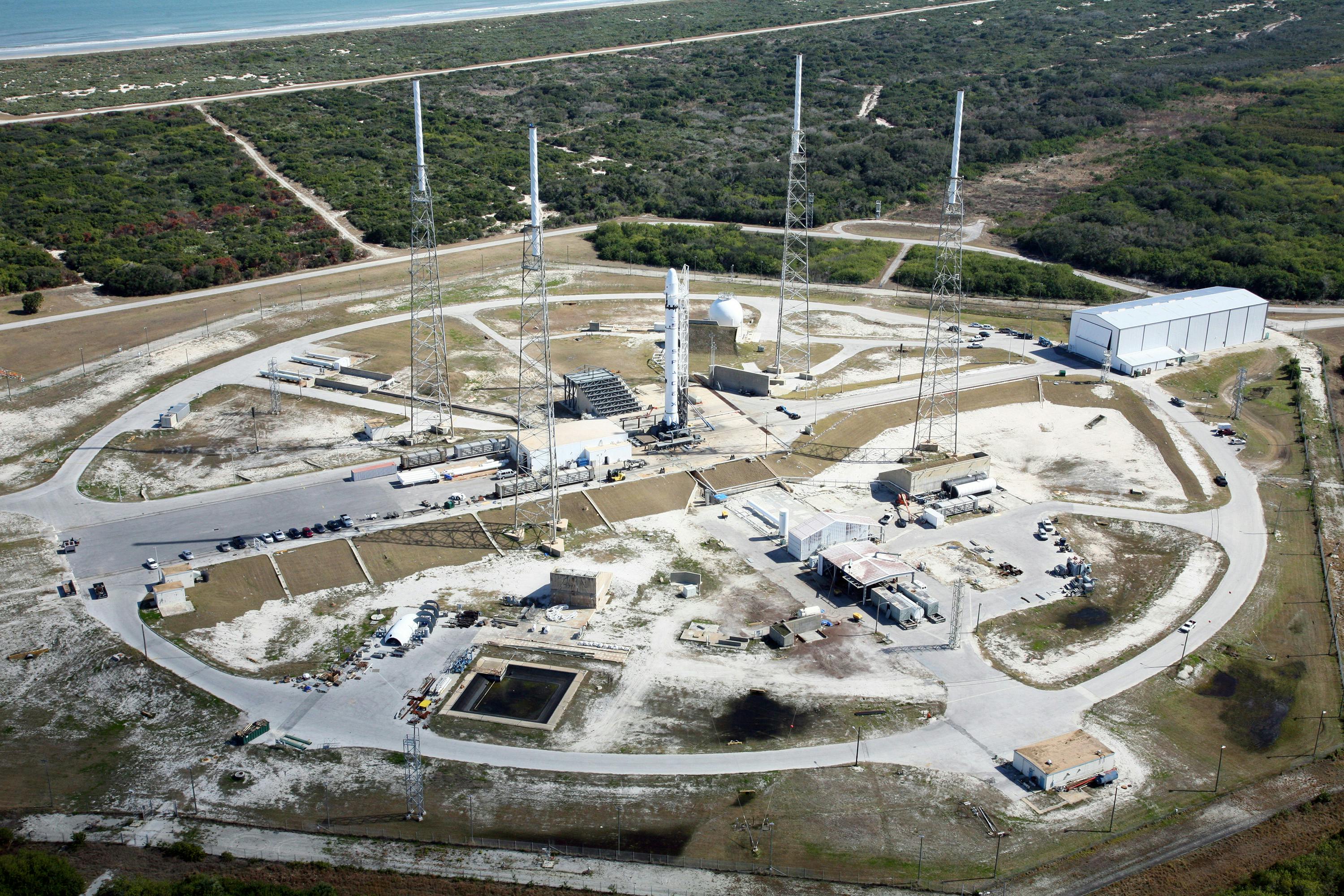
SpaceX achieves significant milestones with a successful Falcon 9 launch carrying 28 Starlink satellites and receives FAA approval for increased Starship launches, amidst challenges posed by India's new satellite regulations.



Launch Date
February 18, 2025
Launch Site
Launch Pad
LC40
Launch Vehicle
NORAD ID
63034
International Designator
2025-034F
Epoch
Sun, 19 Jul 2026 17:18:52 GMT
Apogee
Calculating...
Perigee
Calculating...
Inclination
53.16°
Right Ascension
3.99°
Eccentricity
Calculating...
Argument of Perigee
89.88°
Period
94.01 min
Mean Motion
15.32 rev/day
Latitude
Calculating...
Longitude
Calculating...
Altitude
Calculating...
Velocity
Calculating...
Name
STARLINK-32830
Alternative Name
N/A
Type
Status
Owner
SPXS
Country
United States
Constellation
N/A
Related Satellites
Major Events
N/A
1 63034U 25034F 26200.72144029 -.00024169 00000+0 -76921-3 0 9990
2 63034 53.1614 3.9889 0001818 89.8808 270.2402 15.31712900 79310
Source: Celestrak
Length
0.3
Diameter
4.1
Span
29.0
Dry Mass
700
Launch Mass
730
Shape
Box + pan
Radar Cross Section
Unknown
Visual Magnitude
Unknown
Color
Unknown
Material Composition
Unknown
Payload
Starlink Group 10-12-06
Purpose
Unknown
Mission
Unknown
Manufacturer
SPXS
Life Expectancy
Unknown
Bus
Starlink V2M
Configuration
Unknown
Motor
Unknown
Equipment
Unknown
Power System
Unknown
ADCS
Unknown
Transmitter Frequency
Unknown
Learn more about satellites and other related topics.
SpaceX achieves significant milestones with a successful Falcon 9 launch carrying 28 Starlink satellites and receives FAA approval for increased Starship launches, amidst challenges posed by India's new satellite regulations.

Space Force shifts GPS III satellite launch from ULA's Vulcan to SpaceX Falcon 9 due to persistent solid rocket booster issues. Critical navigation asset reassignment signals operational consequences.
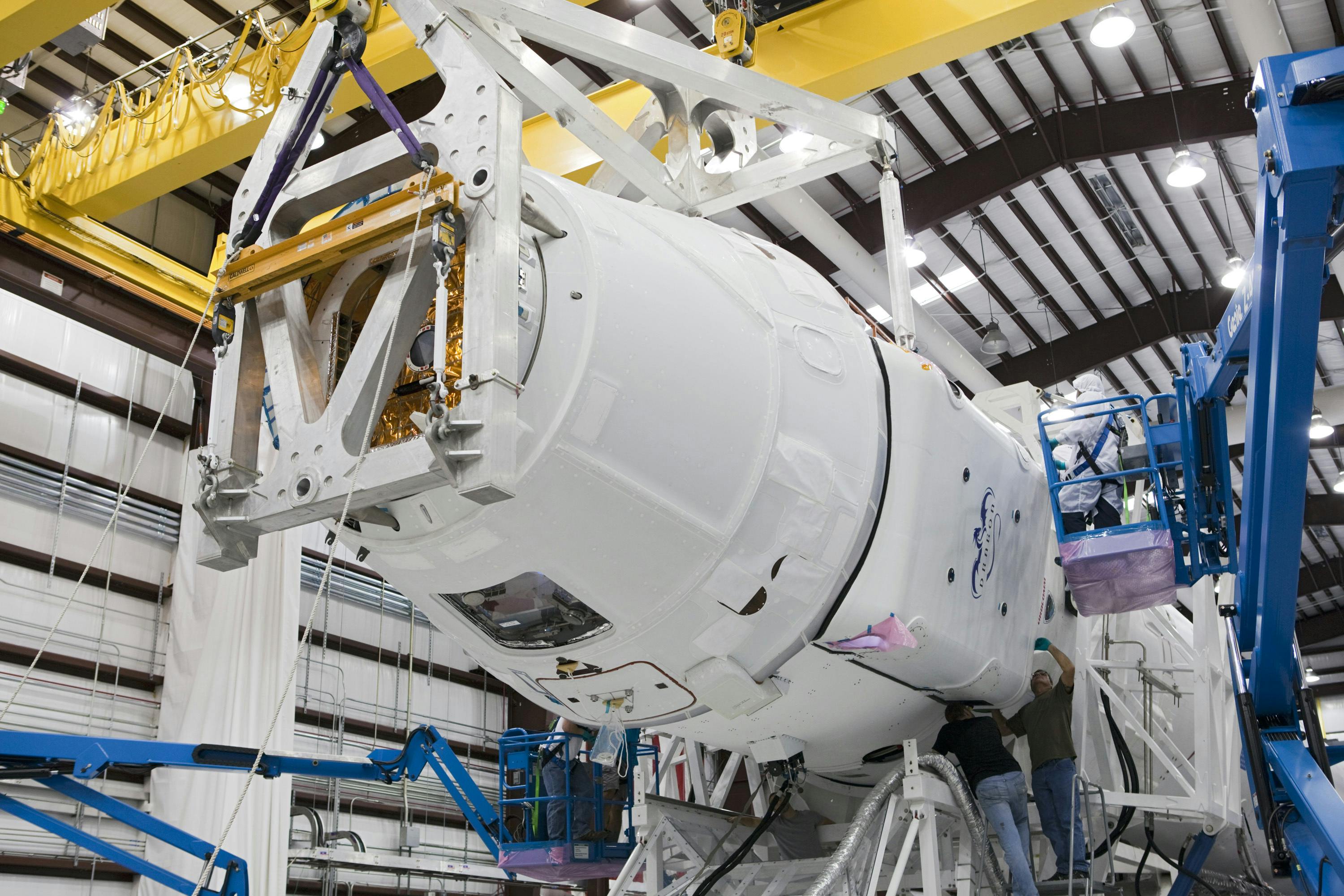
SpaceX prepares for its 100th Starlink launch while refining its lunar lander design for NASA's Artemis program amidst calls for architectural changes.

Over 27,000 high-speed pieces of space junk now threaten vital satellites, requiring sophisticated tracking and urgent innovation of orbital debris removal methods like harpoons and nets.
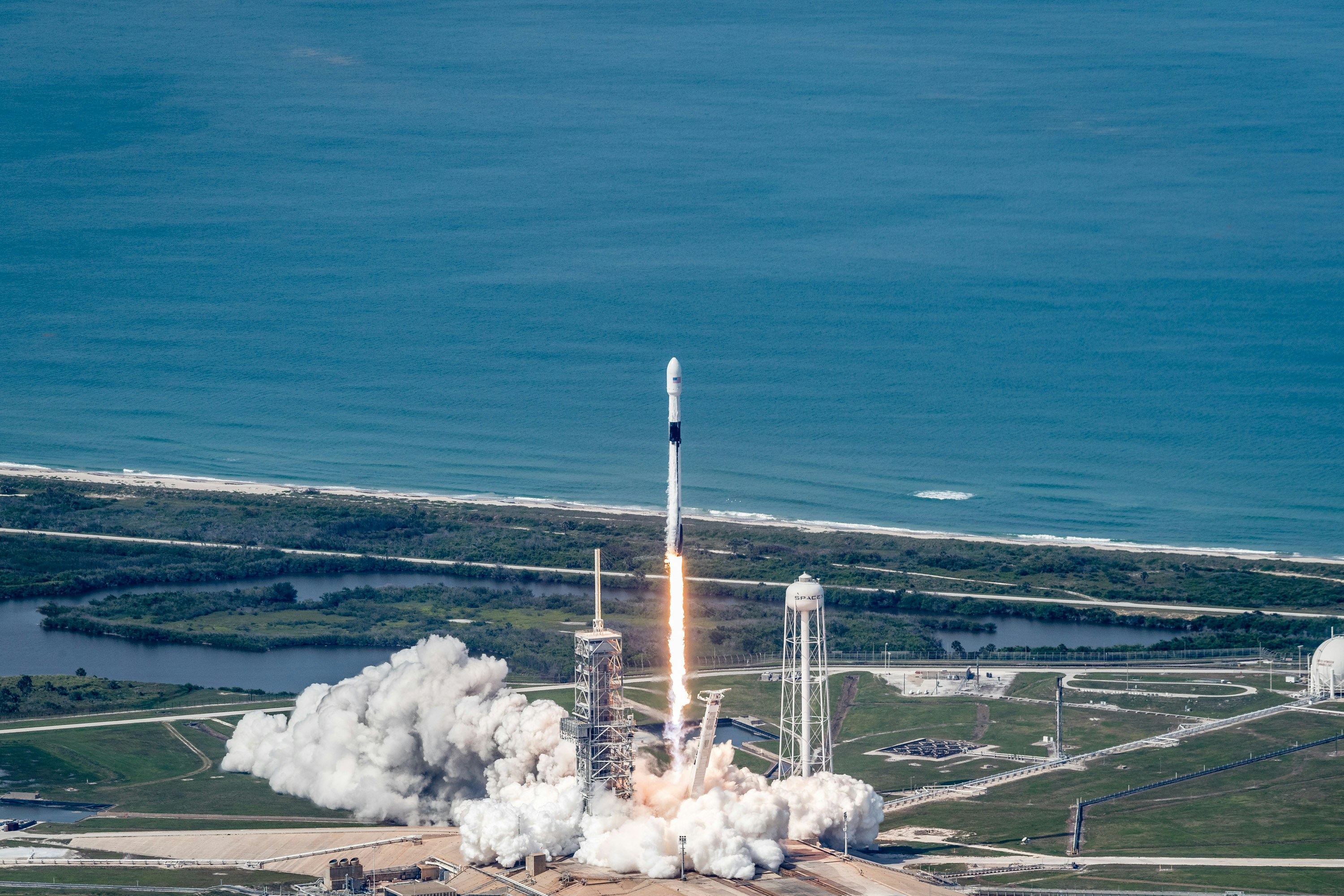
Starship receives FAA approval for its next test flight, while SpaceX prepares to launch more Starlink satellites amidst reaching 5 million subscribers.

SpaceX successfully launched NASA's TRACERS mission while Starlink faced a brief global outage, affecting users worldwide.
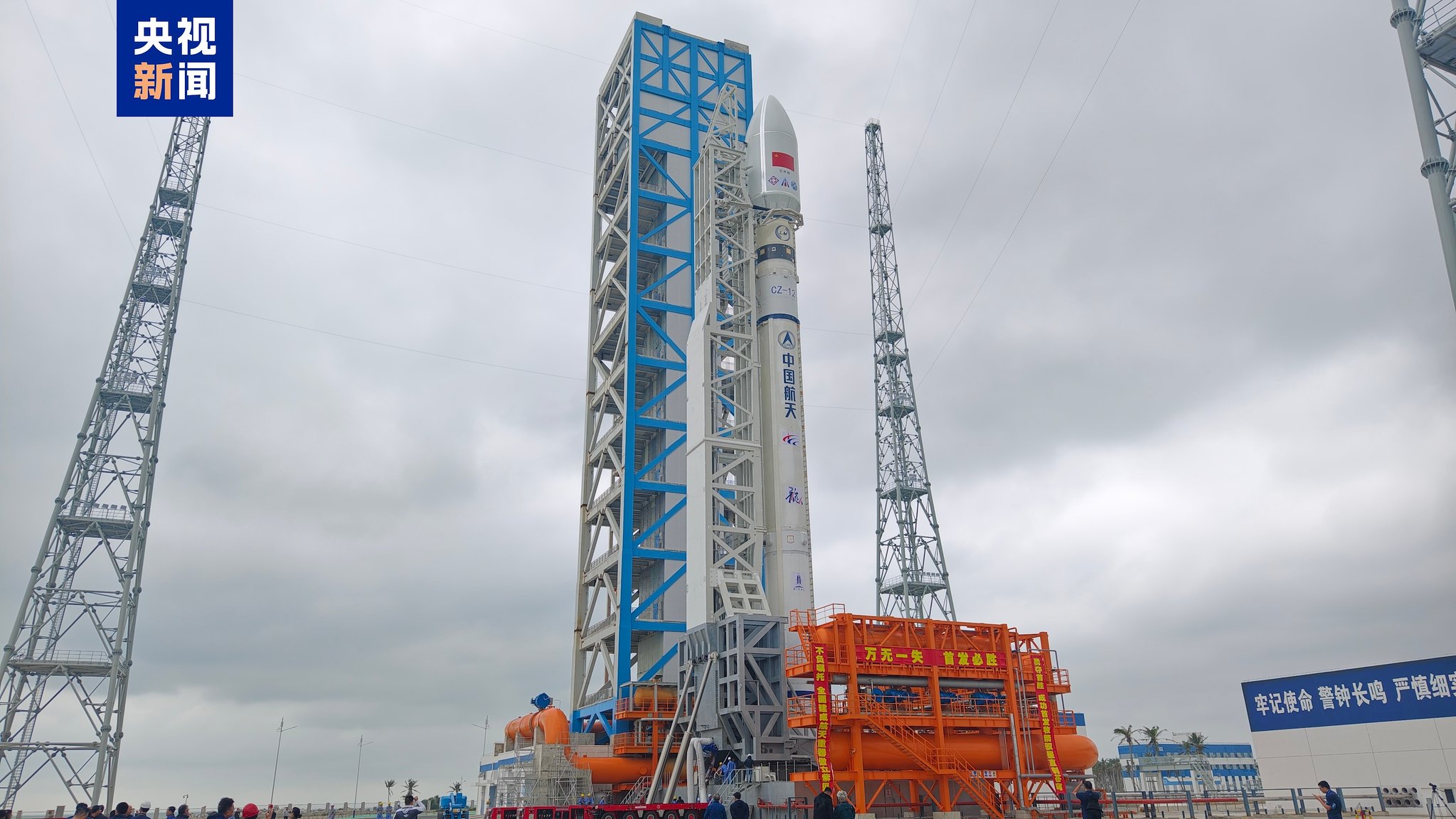
Today's edition covers significant military space developments, including DIU tech consolidation discussions, NDAA budget expansions, and new military commands.
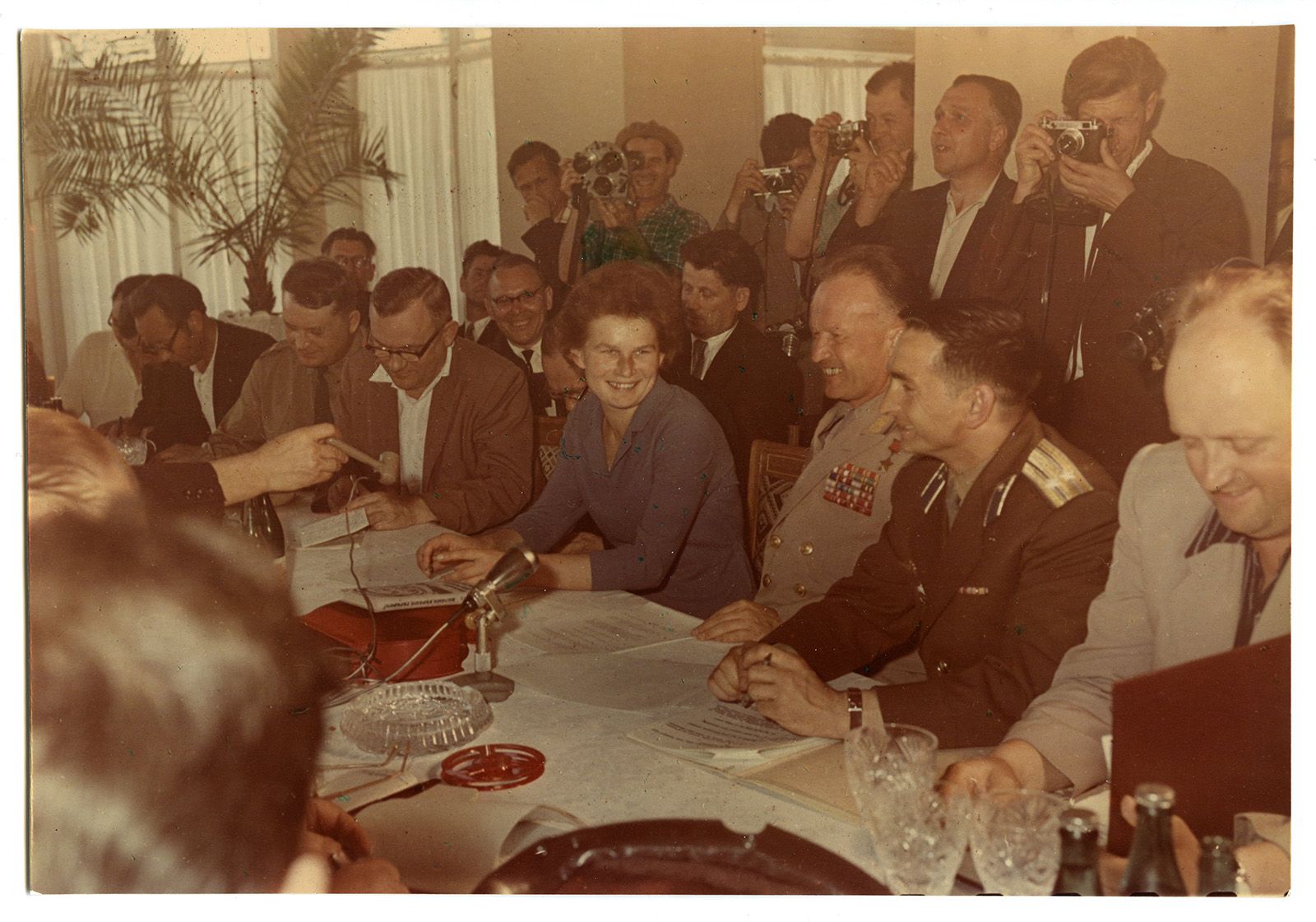
On 16 June 1963, a 26-year-old former textile worker named Valentina Tereshkova launched aboard Vostok 6 and spent nearly three days alone in orbit. She flew 48 times around the Earth, longer than every American astronaut combined, and spotted a dangerous flaw in her descent program that ground controllers had missed.