


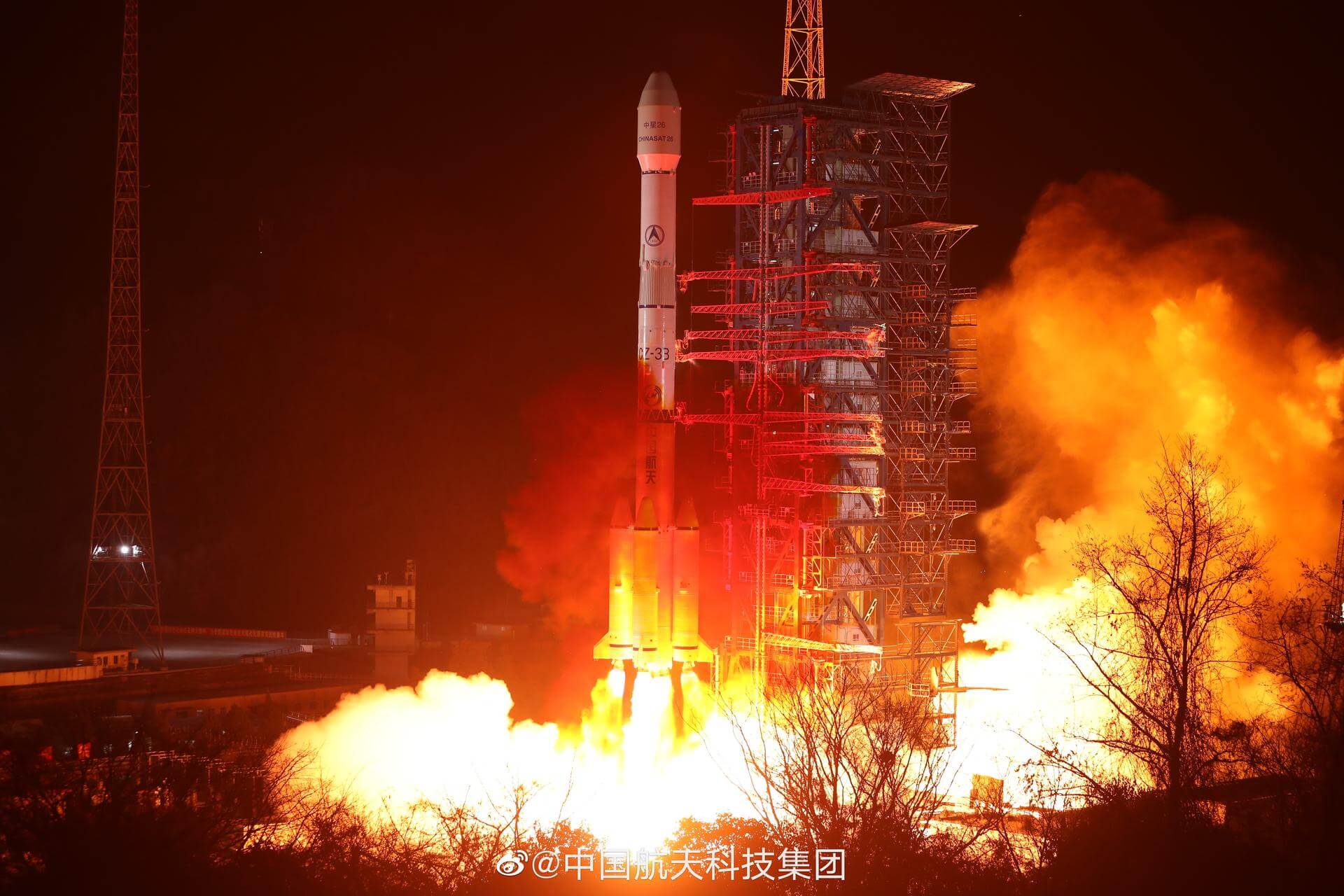
Space Brief 5 Dec 2025
Focusing on military satellite initiatives, defense strategies, and advancements in air and cyber capabilities



Launch Date
February 11, 2025
Launch Site
Launch Pad
LC40
Launch Vehicle
NORAD ID
62993
International Designator
2025-031N
Epoch
Sun, 19 Jul 2026 15:21:44 GMT
Apogee
Calculating...
Perigee
Calculating...
Inclination
43.00°
Right Ascension
286.21°
Eccentricity
Calculating...
Argument of Perigee
283.50°
Period
91.67 min
Mean Motion
15.71 rev/day
Latitude
Calculating...
Longitude
Calculating...
Altitude
Calculating...
Velocity
Calculating...
Name
STARLINK-11576
Alternative Name
N/A
Type
Status
Owner
SPXS
Country
United States
Constellation
N/A
Related Satellites
Major Events
N/A
1 62993U 25031N 26200.64009450 .00096608 00000+0 74703-3 0 9990
2 62993 43.0011 286.2072 0002119 283.4970 76.5662 15.70859158 83487
Source: Celestrak
Length
0.3
Diameter
4.1
Span
29.0
Dry Mass
910
Launch Mass
960
Shape
Box + pan
Radar Cross Section
Unknown
Visual Magnitude
Unknown
Color
Unknown
Material Composition
Unknown
Payload
Starlink Group 12-18-13
Purpose
Unknown
Mission
Unknown
Manufacturer
SPXS
Life Expectancy
Unknown
Bus
Starlink V2MD
Configuration
Unknown
Motor
Unknown
Equipment
Unknown
Power System
Unknown
ADCS
Unknown
Transmitter Frequency
Unknown
Learn more about satellites and other related topics.
Focusing on military satellite initiatives, defense strategies, and advancements in air and cyber capabilities
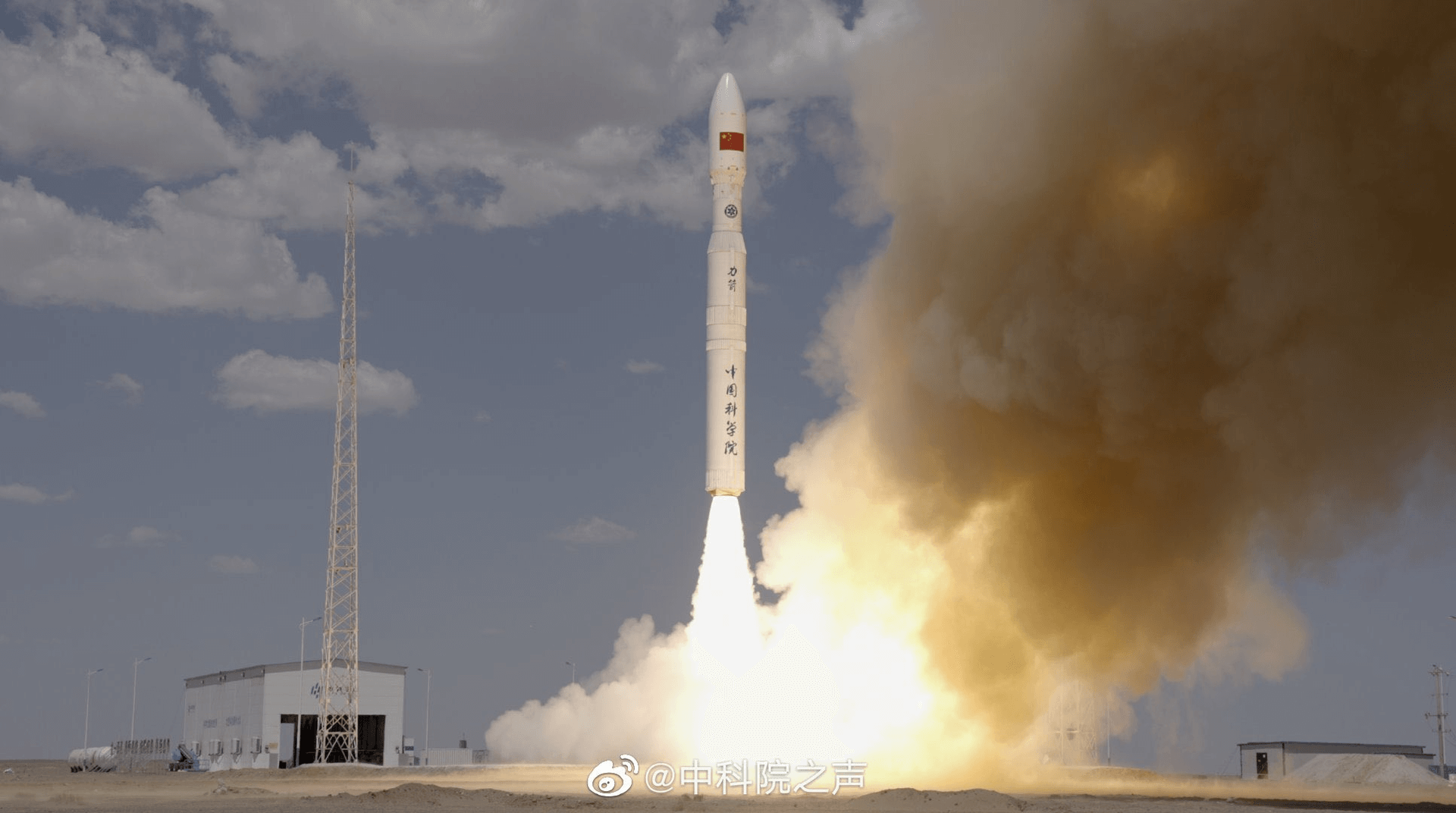
Today's brief highlights a nuclear battery startup's funding boost, advisory board additions in the space sector, and key military updates impacting space operations.

Today's edition highlights the operational deployment of HawkEye 360's Cluster 12, Shandong's record satellite launch, Planet Labs' latest imaging achievements, SpaceX's Starlink launches, and more.
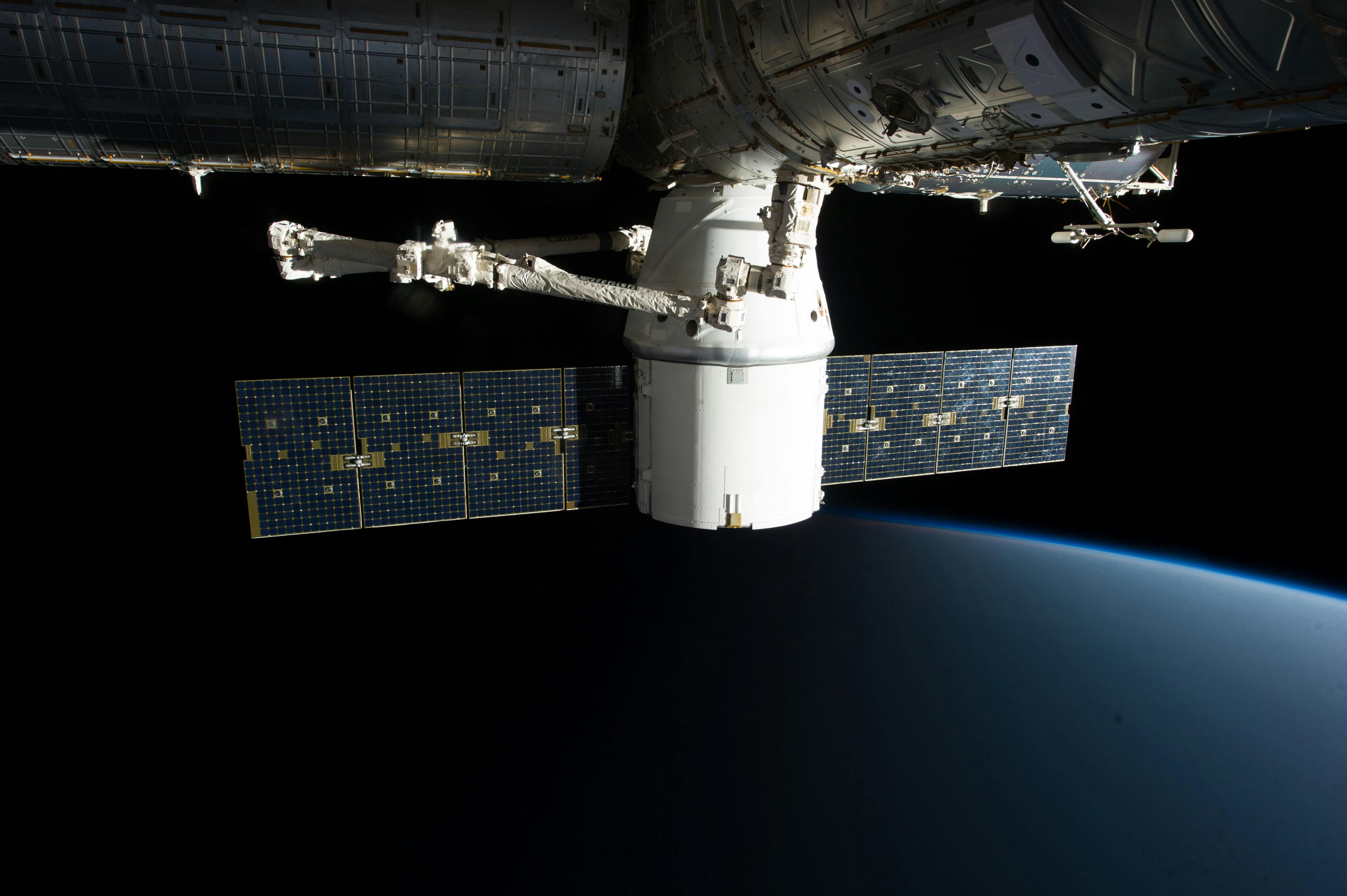
SpaceX acquires Cursor AI maker Anysphere for $60B in its first post-IPO deal, as Falcon 9 lofts 3 Block 2 BlueBird satellites for AST SpaceMobile.
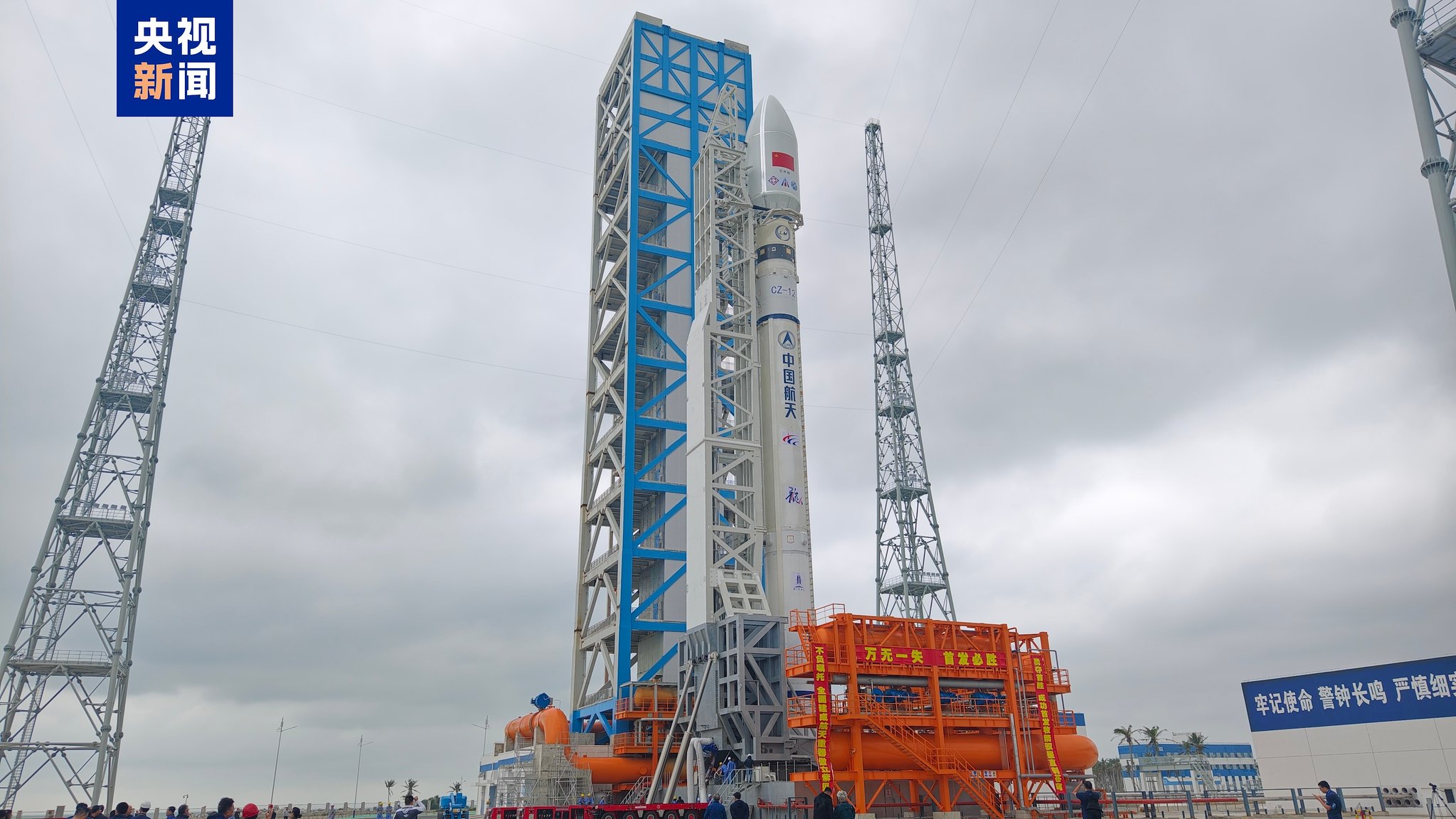
Trump seeks Musk's help to restore internet in Iran via Starlink. China files for 200,000-satellite constellation. Sweden allocates $1.6B for air defense and $140M for space capabilities.
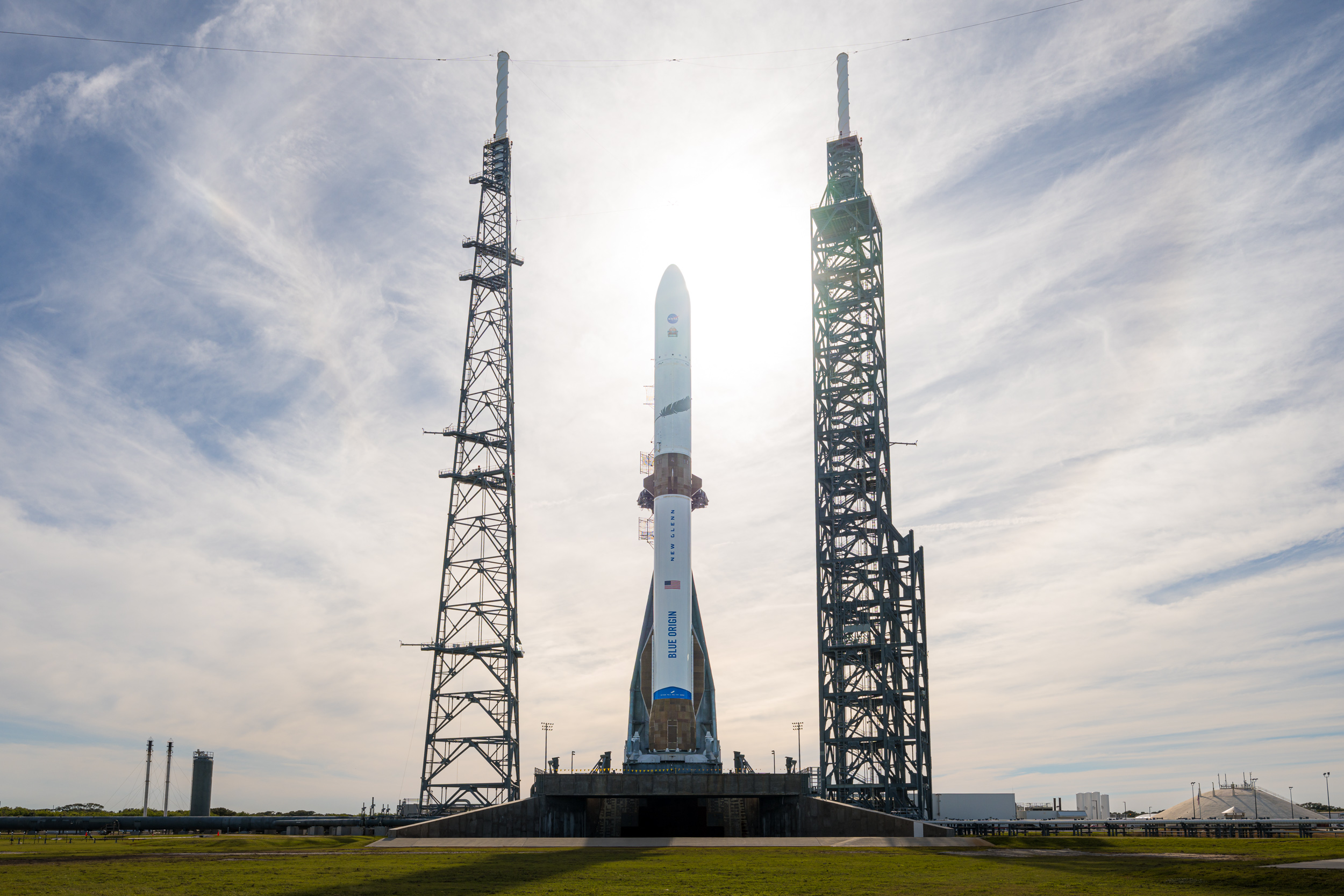
Artemis 2 astronauts completed first crewed lunar flyby since Apollo 17, traveling 690,000 miles aboard Orion. Four crew validated deep-space systems.
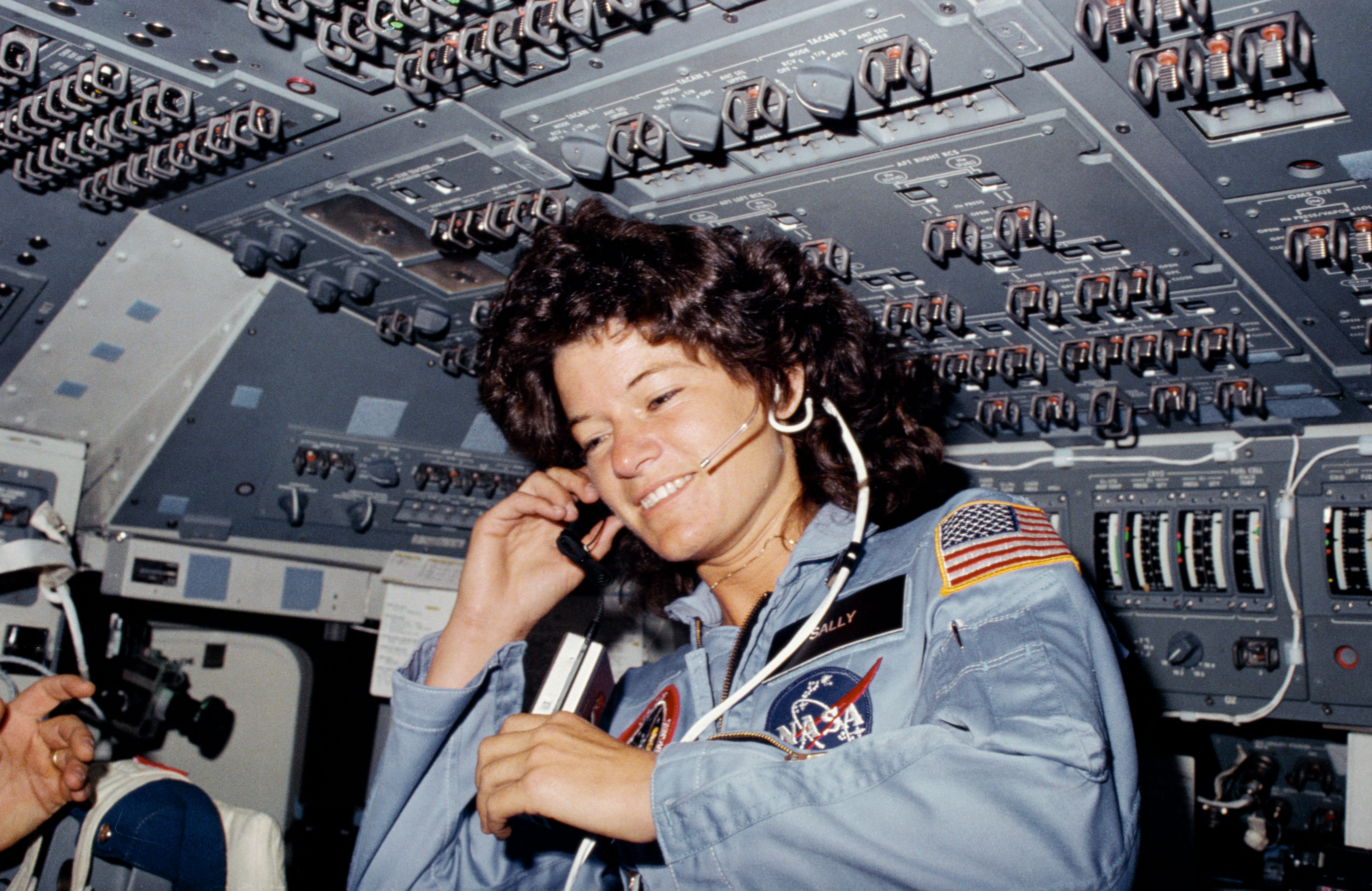
At 7:33 on the morning of 18 June 1983, a 32-year-old astrophysicist named Sally Ride rode Challenger off Pad 39A and became the first American woman in space. She got there two decades after the Soviets, and only after months of being asked whether spaceflight would damage her reproductive organs and whether she planned to cry.
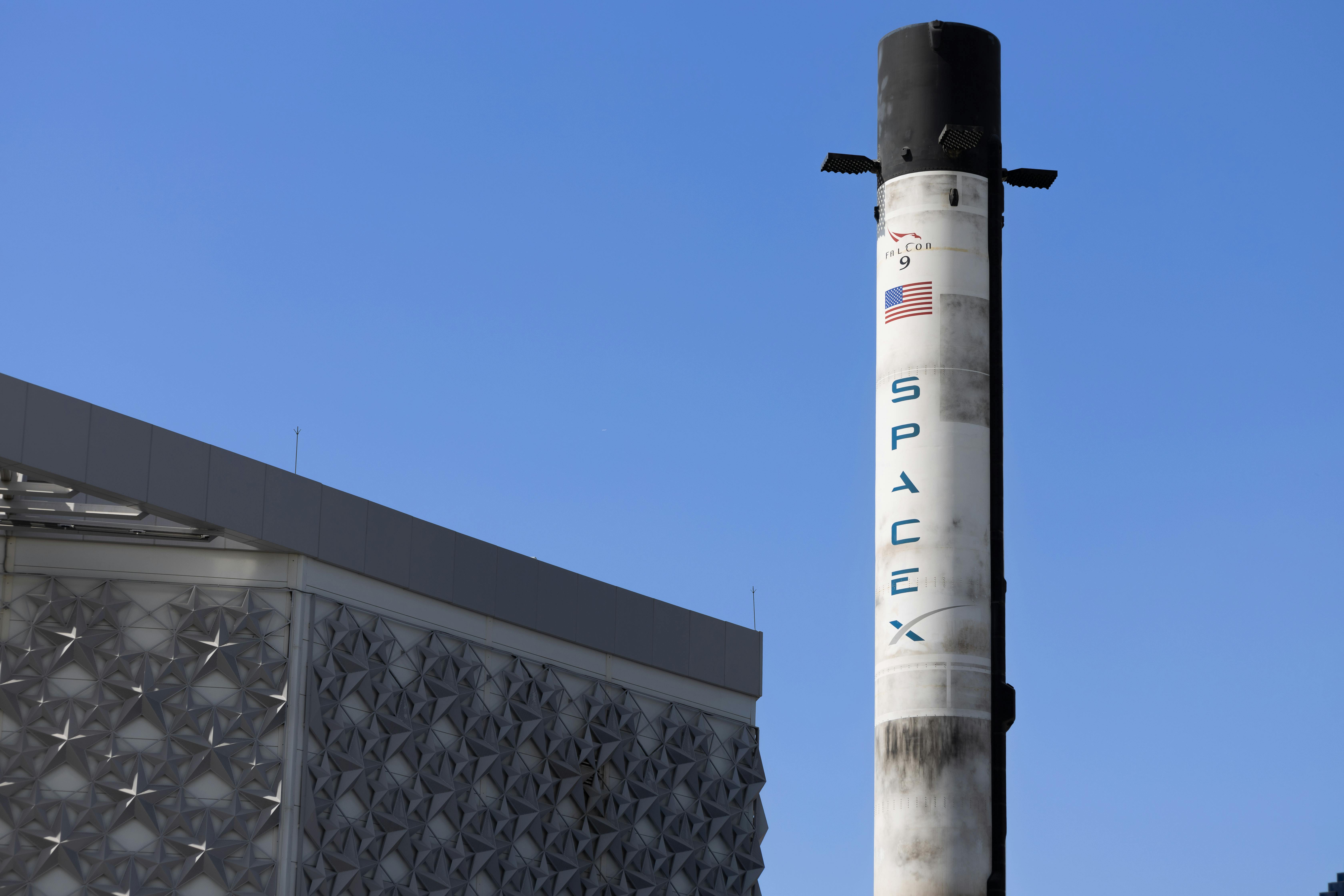
Today's brief highlights the upcoming X-37B military spaceplane launch, ongoing partnerships to protect radio astronomy, and West Virginia's minimal allocation of broadband subsidies to satellite providers like SpaceX.