


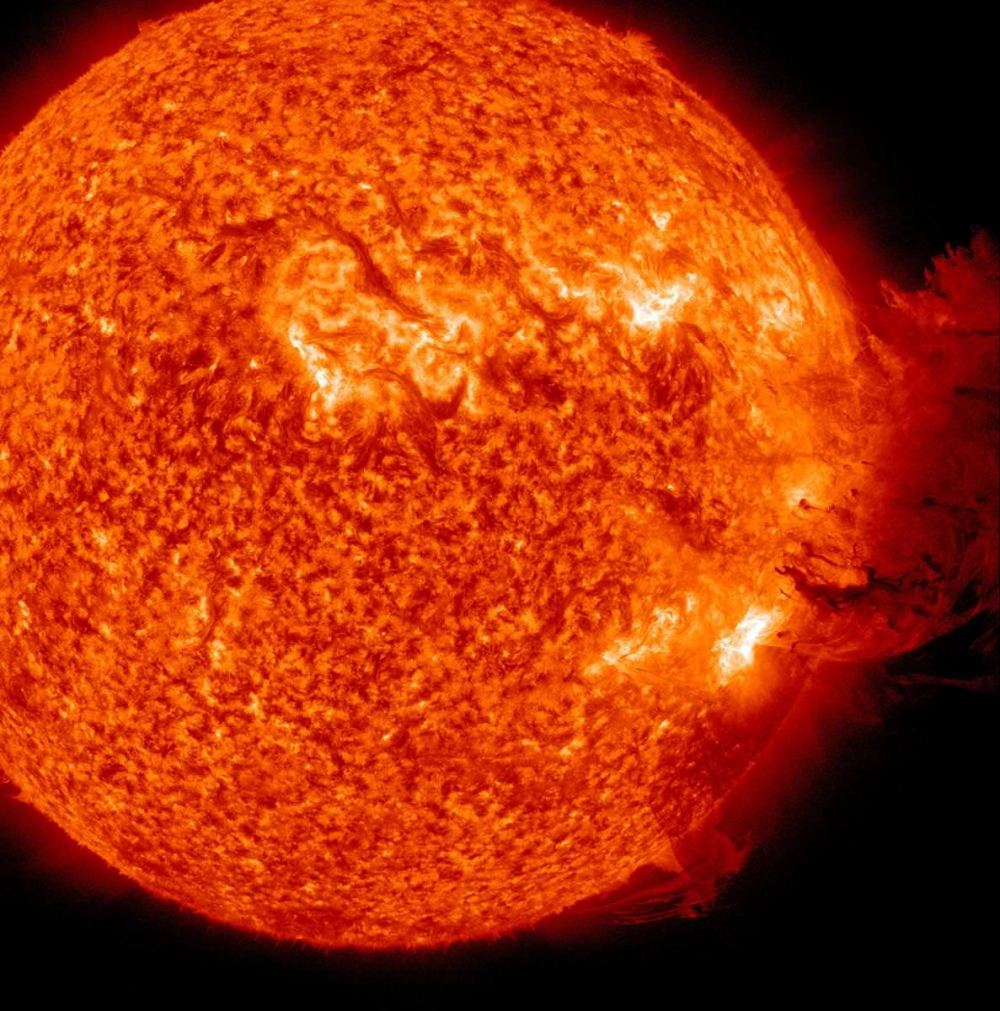
The Day Humanity Gained New Eyes on the Sun
Fifteen years ago, NASA launched its most advanced solar observatory, revolutionizing our understanding of our star and transforming space weather prediction


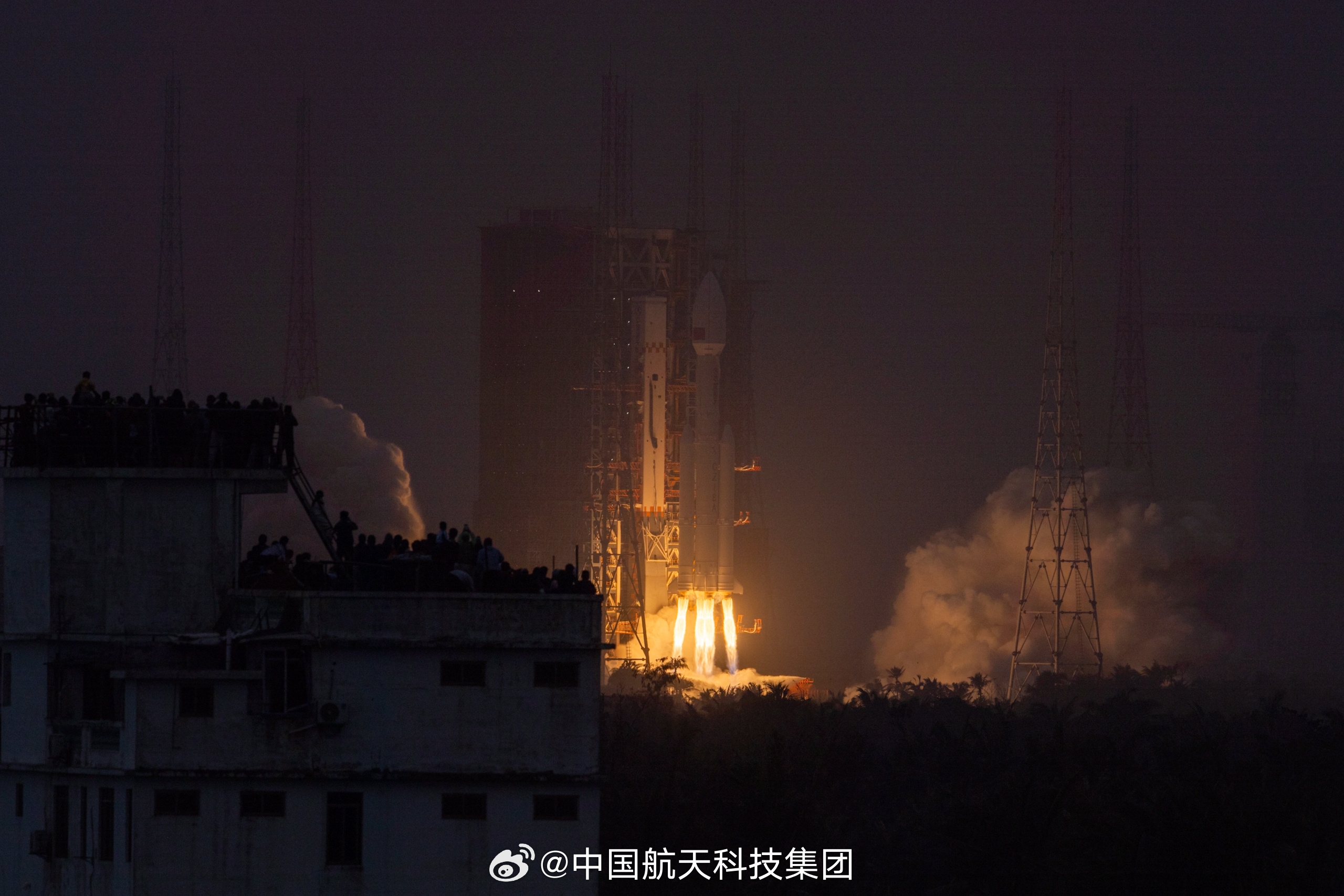
Launch Date
February 11, 2025
Launch Site
WSC
Launch Pad
LC201
Launch Vehicle
Chang Zheng 8A
NORAD ID
62972
International Designator
2025-030B
Epoch
Sun, 19 Jul 2026 19:06:52 GMT
Apogee
Calculating...
Perigee
Calculating...
Inclination
50.00°
Right Ascension
119.00°
Eccentricity
Calculating...
Argument of Perigee
286.10°
Period
108.33 min
Mean Motion
13.29 rev/day
Latitude
Calculating...
Longitude
Calculating...
Altitude
Calculating...
Velocity
Calculating...
Name
HULIANWANG DIGUI-12
Alternative Name
N/A
Type
Status
Owner
ZXW
Country
China
Constellation
N/A
Related Satellites
Major Events
N/A
1 62972U 25030B 26200.79644524 -.00000100 00000+0 51916-4 0 9994
2 62972 50.0020 118.9956 0000887 286.1019 73.9756 13.29322469 70199
Source: Celestrak
Apologies, there is no summary for this satellite yet. I am working to generate these for every object in the catalog, but it is going to take time.
Length
3.0
Diameter
1.0
Span
10.0
Dry Mass
700
Launch Mass
700
Shape
Box + 2 Pan
Radar Cross Section
Unknown
Visual Magnitude
Unknown
Color
Unknown
Material Composition
Unknown
Payload
Xingwang Digui 02-02
Purpose
Unknown
Mission
Unknown
Manufacturer
CAST
Life Expectancy
Unknown
Bus
Xingwang C
Configuration
Unknown
Motor
Unknown
Equipment
Unknown
Power System
Unknown
ADCS
Unknown
Transmitter Frequency
Unknown
Learn more about satellites and other related topics.
Fifteen years ago, NASA launched its most advanced solar observatory, revolutionizing our understanding of our star and transforming space weather prediction
Highlights of the day include the Polaris Dawn mission's splashdown, advances in space traffic management, and intriguing astronomy insights from the cloud's edge.
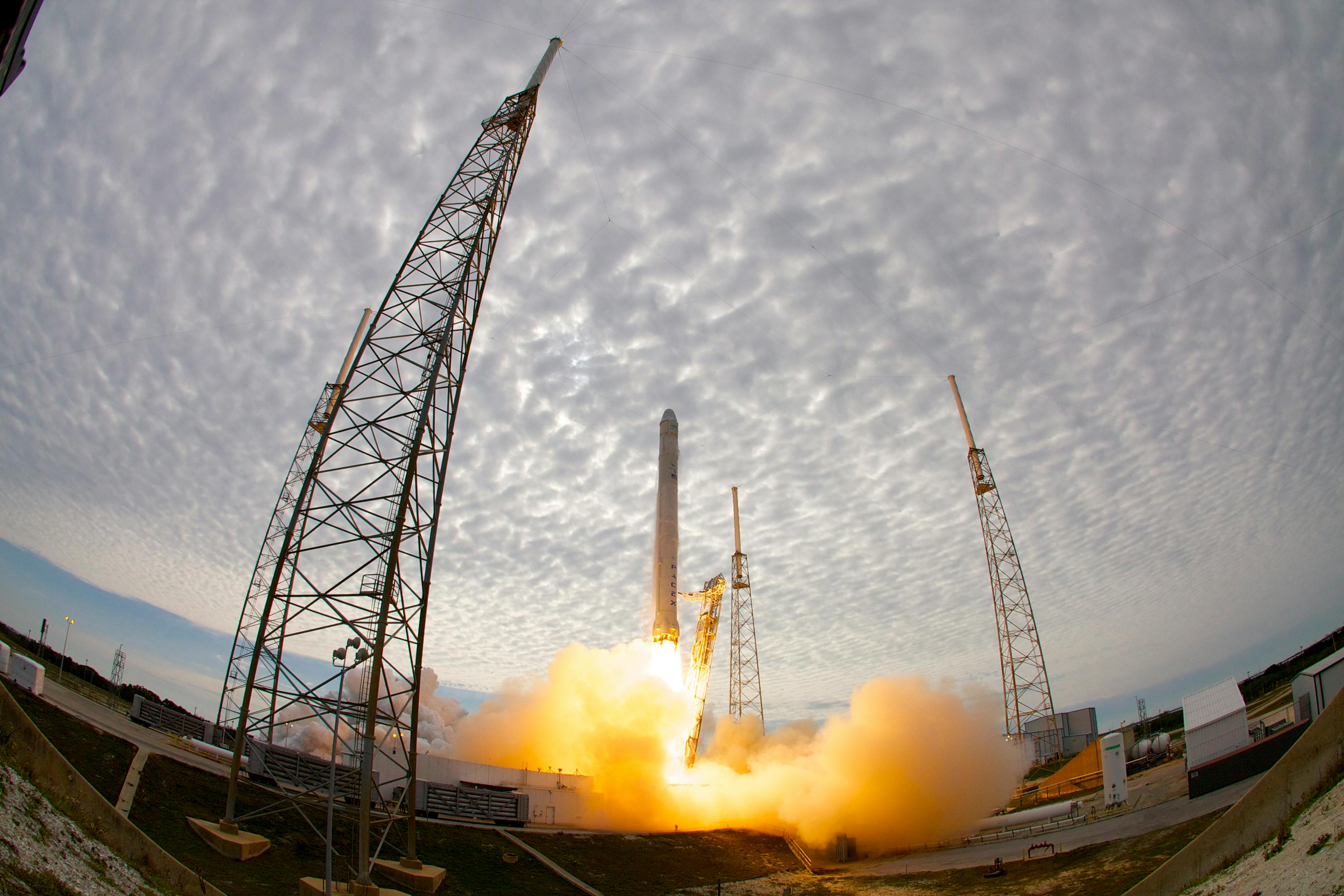
Crew-11 astronauts splashdown off California in first-ever ISS medical evacuation. SpaceX sets pad turnaround record at Cape Canaveral with Starlink 6-98 deploying 29 satellites.

SpaceX launched Starlink batches from Vandenberg and Cape Canaveral within 48 hours, pushing the active constellation toward 10,000 operational satellites.

Today's brief covers advances in satellite docking technology, challenges faced by space companies with government navigation, and China's leap in space autonomy through AI developments.
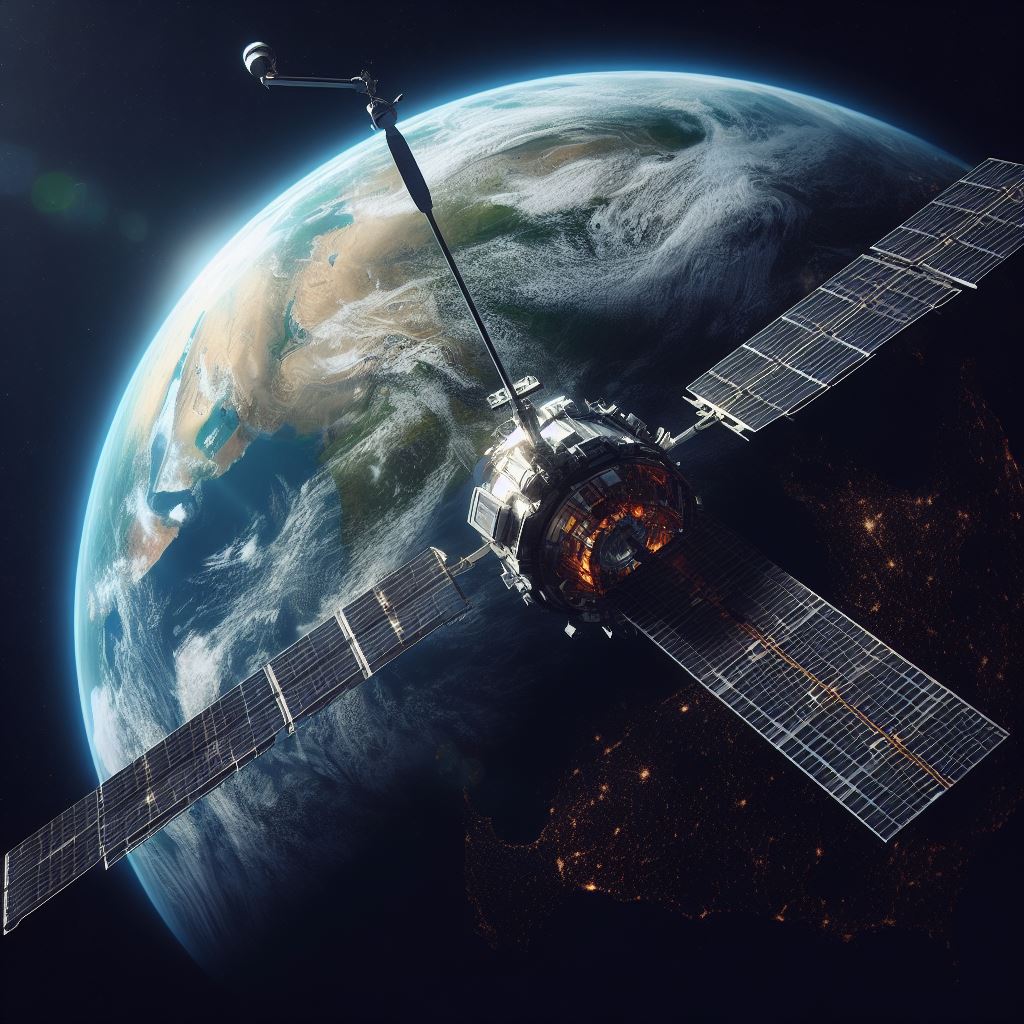
Explore a comprehensive breakdown of satellite counts by country, detailing the USA, Russia, China, and others.
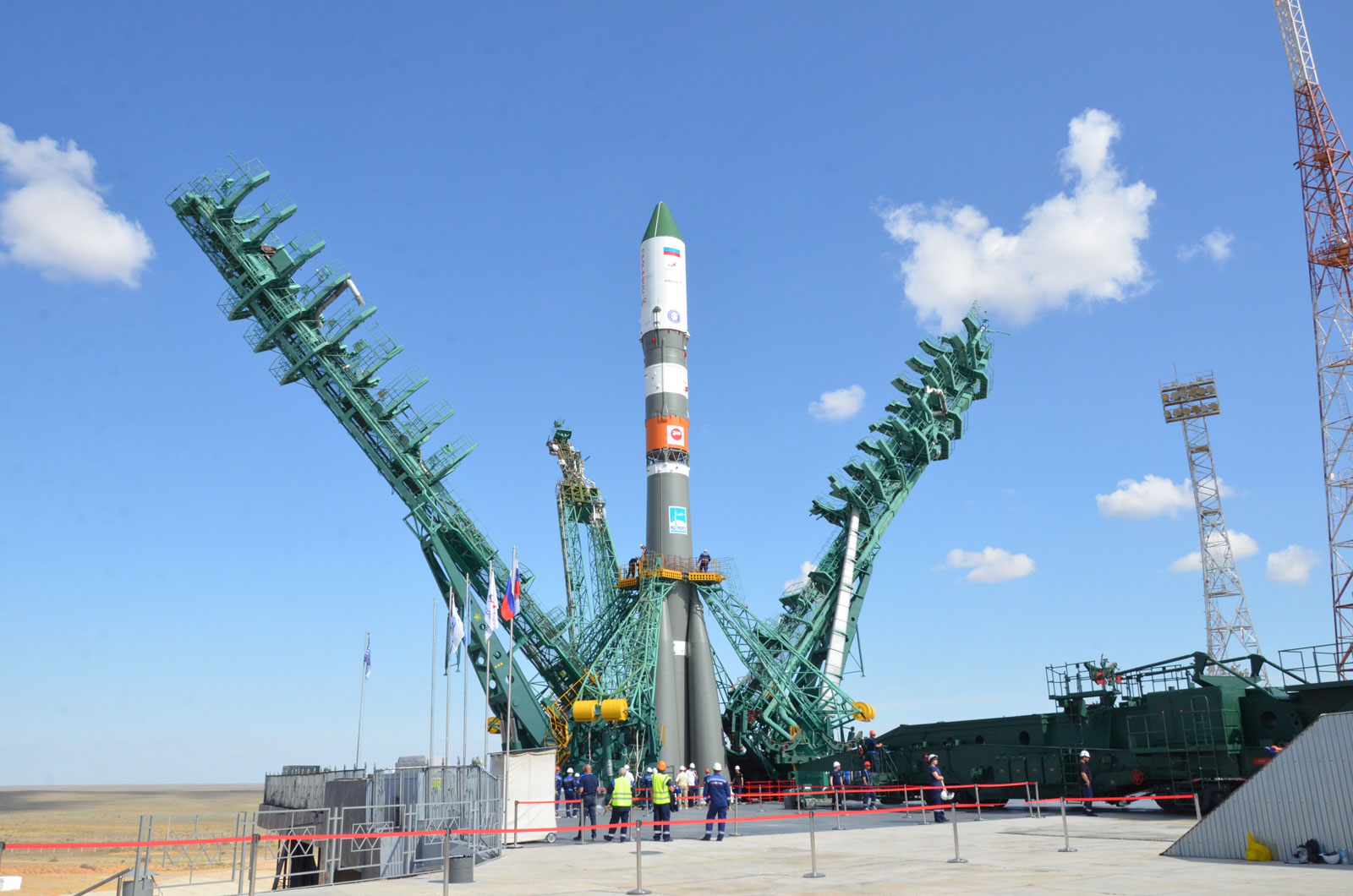
Today's brief highlights significant shifts in military space spending due to the Golden Dome program, the U.S. Space Force's advancements in tactical satellite communications, and NASA's race to nuclear power in space.
Key developments in the space sector include new partnerships for satellite surveillance, strategic shifts from the Defense Department impacting weather forecasting, and the Space Force's focus on agile satellite technologies.