


Space Brief 27 Oct 2024
Today's brief covers SpaceX's latest Starlink launch, updates on Crew-8's return, and preparations for the SLS Artemis II mission.


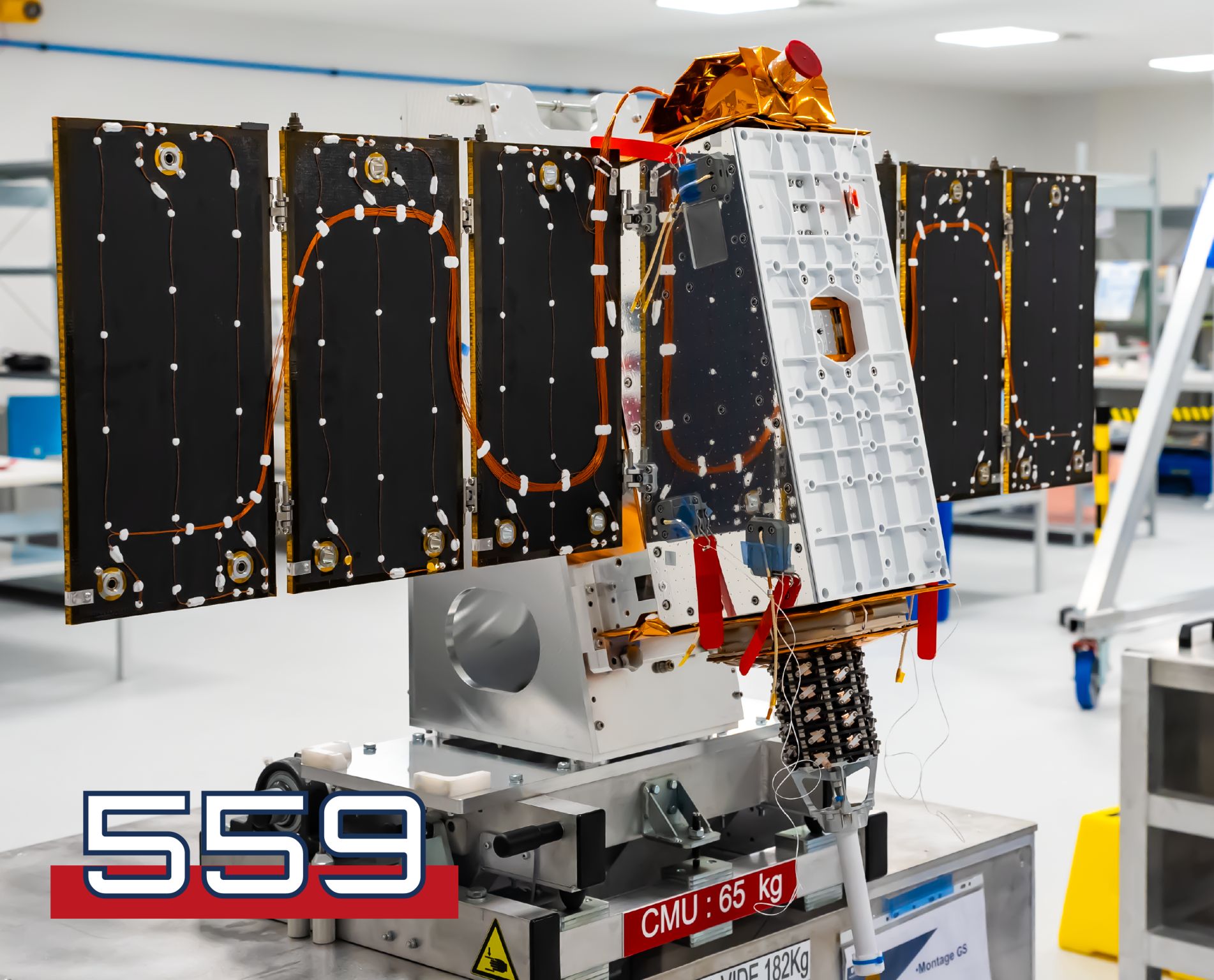
Launch Date
February 8, 2025
Launch Site
Rocket Lab Launch Complex 1
Launch Pad
Pad A
Launch Vehicle
Electron
NORAD ID
62929
International Designator
2025-028B
Epoch
Sun, 19 Jul 2026 17:08:39 GMT
Apogee
Calculating...
Perigee
Calculating...
Inclination
98.12°
Right Ascension
255.14°
Eccentricity
Calculating...
Argument of Perigee
147.88°
Period
97.73 min
Mean Motion
14.73 rev/day
Latitude
Calculating...
Longitude
Calculating...
Altitude
Calculating...
Velocity
Calculating...
Name
Kinéis B
Alternative Name
N/A
Type
Status
Owner
Kinéis
Country
France
Constellation
Kinéis
Related Satellites
Major Events
Part of the fourth launch of the Kinéis constellation, adding 5 satellites to enhance global IoT and AIS coverage.
1 62929U 25028B 26200.71435020 .00000656 00000+0 10900-3 0 9996
2 62929 98.1226 255.1422 0004563 147.8828 212.2658 14.73435996 77400
Source: Celestrak
Length
0.2
Diameter
0.2
Span
1.6
Dry Mass
28
Launch Mass
28
Shape
Rectangular with deployable solar panels
Radar Cross Section
0.1
Visual Magnitude
7
Color
Silver and gold
Material Composition
Aluminum structure with composite materials
Payload
IoT communication payload and AIS receiver
Purpose
Unknown
Mission
To provide global Internet-of-Things (IoT) connectivity and support maritime tracking via AIS
Manufacturer
Hemeria
Life Expectancy
8 years
Bus
16U CubeSat
Configuration
Kinéis
Motor
Unknown
Equipment
IoT communication payload and AIS receiver
Power System
Six solar panels generating 140W of power.
ADCS
3-axis stabilization
Transmitter Frequency
UHF around 401 MHz for IoT devices, S-band for communication with ground stations.
Learn more about satellites and other related topics.
Today's brief covers SpaceX's latest Starlink launch, updates on Crew-8's return, and preparations for the SLS Artemis II mission.
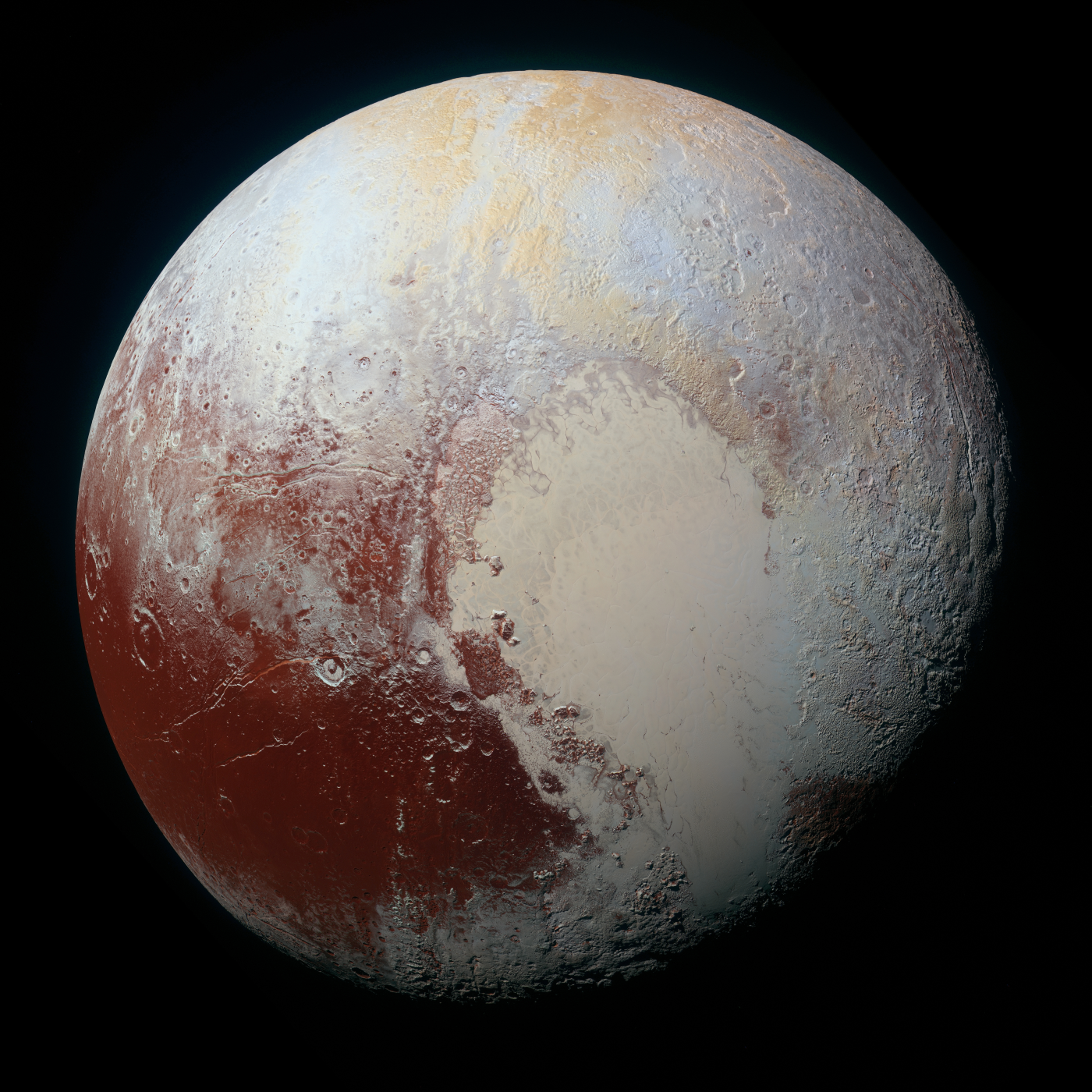
Ninety-five years ago, a 24-year-old astronomer with no college degree made one of astronomy's most remarkable discoveries, finding a new planet that would challenge our understanding of the solar system

SpaceX gears up for significant 2026 launches while a Starlink satellite anomaly provides insights into its operations.

Falcon Heavy flew for the first time in eighteen months on April 29, 2026, expending its center core to push Viasat's final ViaSat-3 satellite toward geostationary orbit. The mission is a flagship rocket doing what only it can still do, for an operator betting six tons of high-throughput hardware on a market Starlink is rapidly redefining.

Today's brief covers NASA's collaboration with India for a new Earth-tracking satellite, China's expansion of its satellite internet network, and a groundbreaking cosmic shield for solar cells. Also highlighted are EchoStar's ambitious satellite order and Roscosmos' recent diplomatic moves.

Today's brief covers developments in space traffic management, the X-37B spaceplane's upcoming mission, and satellite interference with radio telescopes.
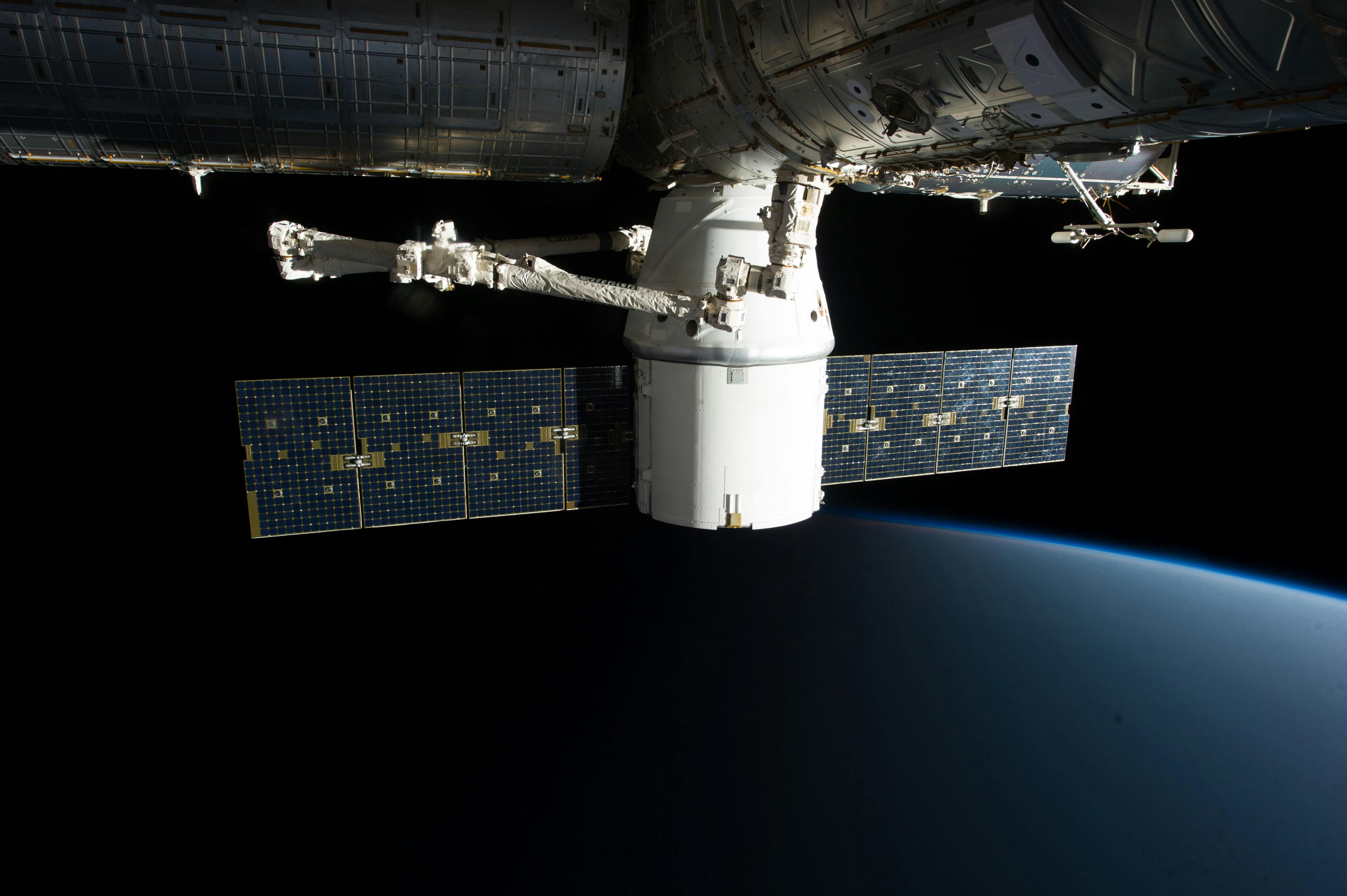
SpaceX's 100th Falcon 9 mission successfully launched 24 Starlink satellites, continuing to expand its broadband constellation.
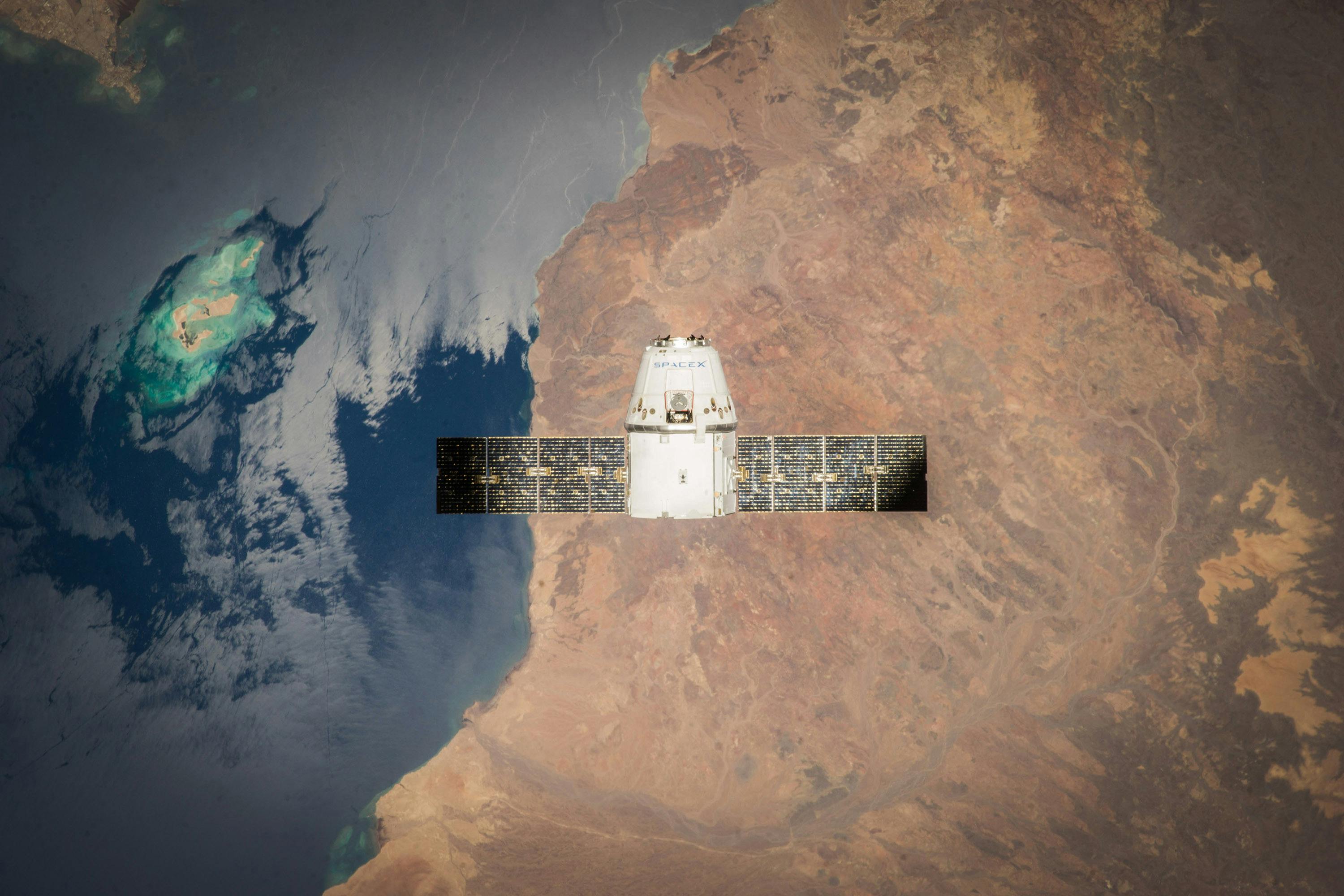
Wall Street analyst Dan Ives predicts a Tesla-SpaceX merger by 2027, while a quantum magnetometer launches March 30 on Falcon 9 rideshare.