


X Report 9 Dec 2024
SpaceX's latest Starlink satellite launch boosts their constellation and Starship development progresses steadily.


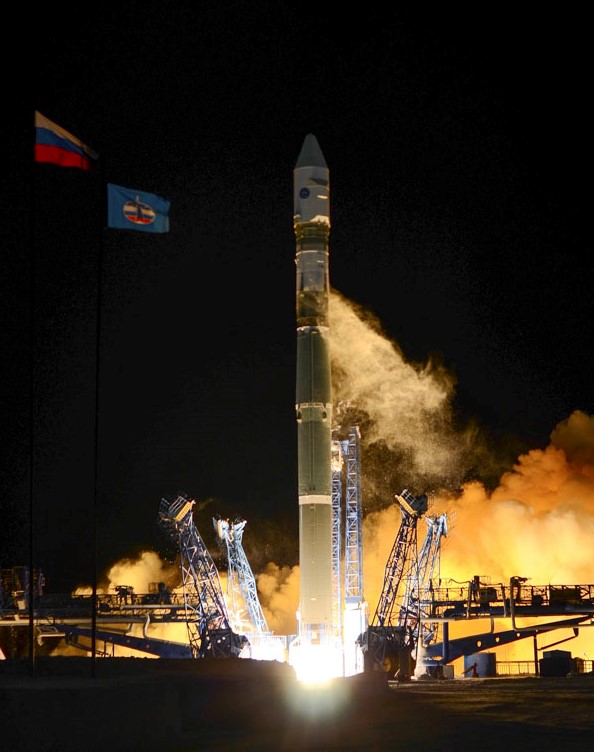
Launch Date
February 5, 2025
Launch Site
Plesetsk Cosmodrome
Launch Pad
Site 43/4
Launch Vehicle
Soyuz 2.1v/Volga
NORAD ID
62904
International Designator
2025-026C
Epoch
Sat, 18 Jul 2026 19:29:55 GMT
Apogee
Calculating...
Perigee
Calculating...
Inclination
81.99°
Right Ascension
42.22°
Eccentricity
Calculating...
Argument of Perigee
318.48°
Period
96.32 min
Mean Motion
14.95 rev/day
Latitude
Calculating...
Longitude
Calculating...
Altitude
Calculating...
Velocity
Calculating...
Name
COSMOS 2583
Alternative Name
N/A
Type
Status
Owner
Russian Ministry of Defence
Country
Russia
Constellation
N/A
Related Satellites
Major Events
N/A
1 62904U 25026C 26199.81244817 .00000805 00000+0 71362-4 0 9993
2 62904 81.9943 42.2230 0009257 318.4806 41.5709 14.95065129 78927
Source: Celestrak
Length
3.0
Diameter
1.3
Span
3.0
Dry Mass
500
Launch Mass
500
Shape
Cyl + 2 Pan
Radar Cross Section
Unknown
Visual Magnitude
Unknown
Color
Unknown
Material Composition
Unknown
Payload
MKA B3
Purpose
Unknown
Mission
Classified military mission
Manufacturer
VNIIEMI
Life Expectancy
Unknown
Bus
EMKA
Configuration
Unknown
Motor
Unknown
Equipment
Unknown
Power System
Unknown
ADCS
Unknown
Transmitter Frequency
Unknown
Learn more about satellites and other related topics.
SpaceX's latest Starlink satellite launch boosts their constellation and Starship development progresses steadily.
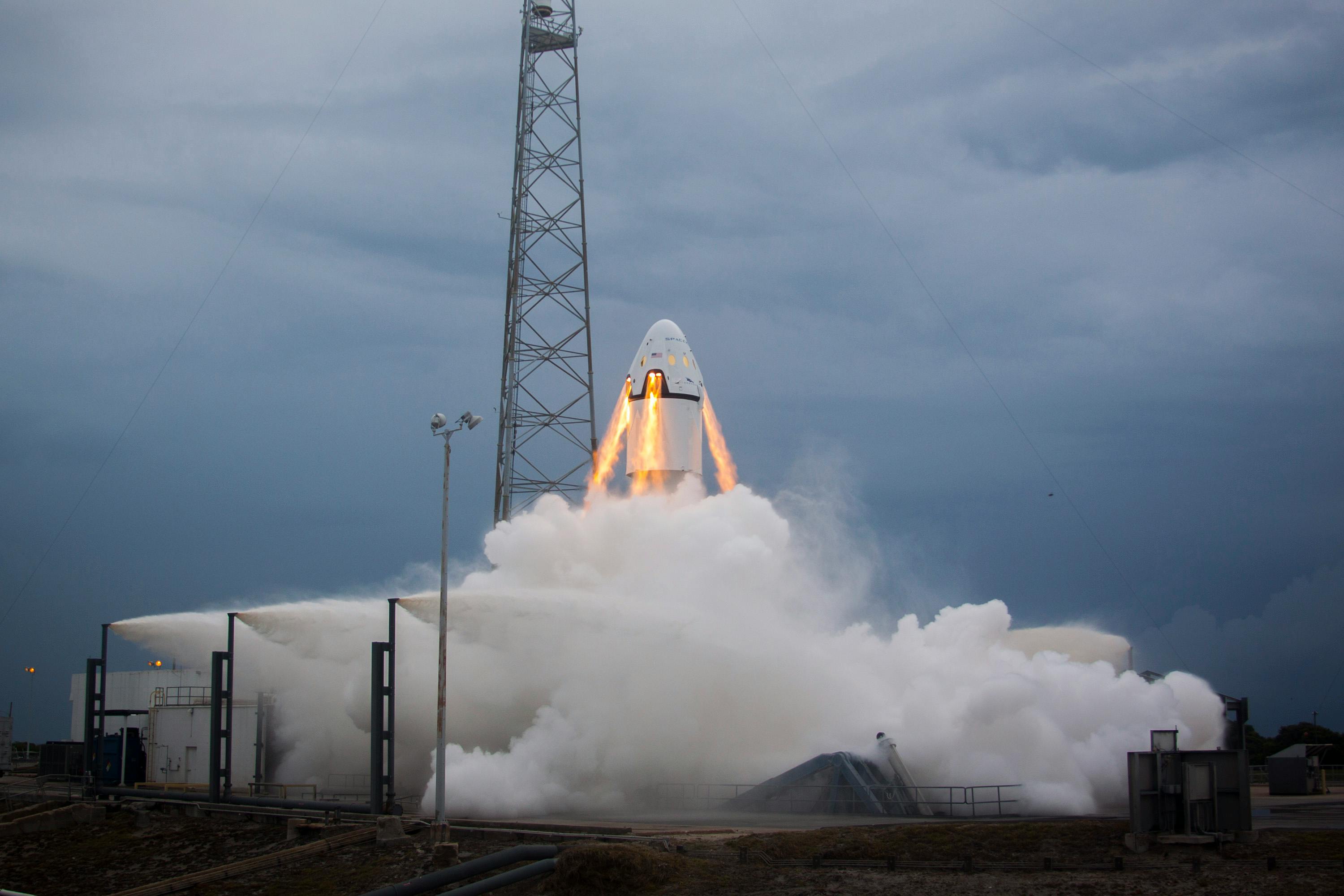
SpaceX successfully launched 28 Starlink satellites while returning to form with Starship testing at Starbase. Meanwhile, preparations for upcoming launches are underway.
Today's brief covers China's latest experimental launch to GEO and new commercial satellites, insights from hyperspectral imagery on underground structures, and the Space Force's material testing for Mars missions.
Today's Space Brief covers major developments in Pentagon procurement methods, strategic satellite intelligence advancements, and increasing interest in drone technology within the defense sector.
Highlights include China's recent satellite launch, advancements in nuclear propulsion, non-kinetic tech developments for maritime defense, SpaceX's direct-to-device spectrum tests, and maneuvering satellites for Space Force missions.

SpaceX gears up for a series of launches, including Starlink deployments, lunar missions, and updates on the Starship program.
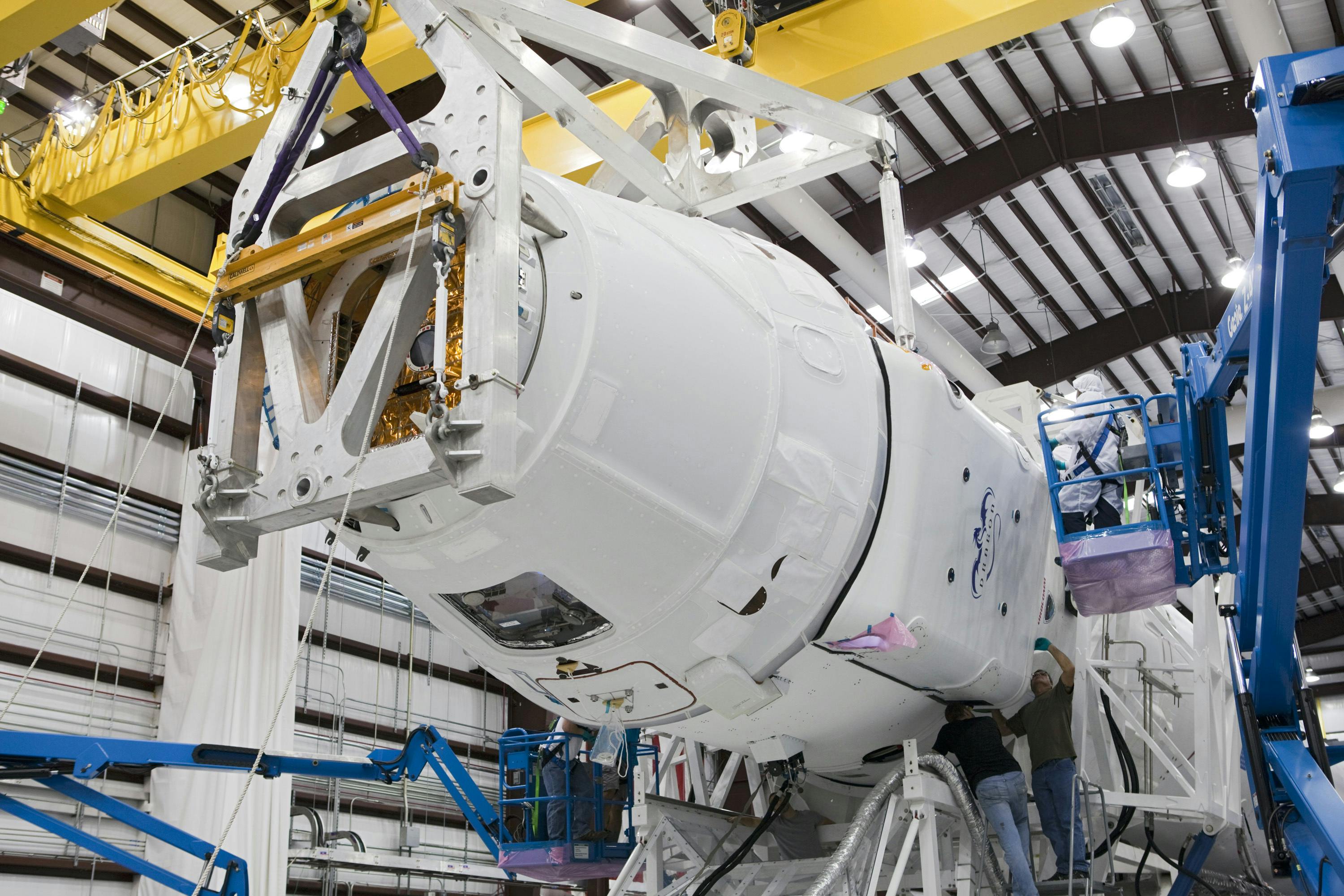
SpaceX prepares for its 100th Starlink launch while refining its lunar lander design for NASA's Artemis program amidst calls for architectural changes.

Space Force commits to operational space tugs and on-orbit refueling by 2030. New capabilities will complicate conjunction analysis for GEO and MEO satellite tracking.