STARLINK-32808 (62863)

COSPAR: 2025-022K | Alt Name: Starlink 32808

Image
STARLINK-32808 Satellite Image
Additional Sources
Launch Details

Launch Date

February 1, 2025

Launch Site

AFWTR

Launch Pad

SLC4E

Launch Vehicle

Falcon 9

Orbital Elements

NORAD ID

62863

International Designator

2025-022K

Epoch

Sun, 19 Jul 2026 19:20:39 GMT

Apogee

Calculating...

Perigee

Calculating...

Inclination

53.16°

Right Ascension

234.82°

Eccentricity

Calculating...

Argument of Perigee

61.54°

Period

93.85 min

Mean Motion

15.34 rev/day

Latitude

Calculating...

Longitude

Calculating...

Altitude

Calculating...

Velocity

Calculating...

Polar Plot
3D Visualization
Basic Satellite Info

Name

STARLINK-32808

Alternative Name

Starlink 32808

Type

Payload

Status

Operational

Owner

SPXS

Country

United States

Constellation

N/A

Related Satellites

Major Events

N/A

Latest TLEs
1 62863U 25022K   26200.80601514  .00008666  00000+0  26734-3 0  9991
2 62863  53.1571 234.8171 0000994  61.5403 298.5700 15.34396568 82142

Source: Celestrak

Summary
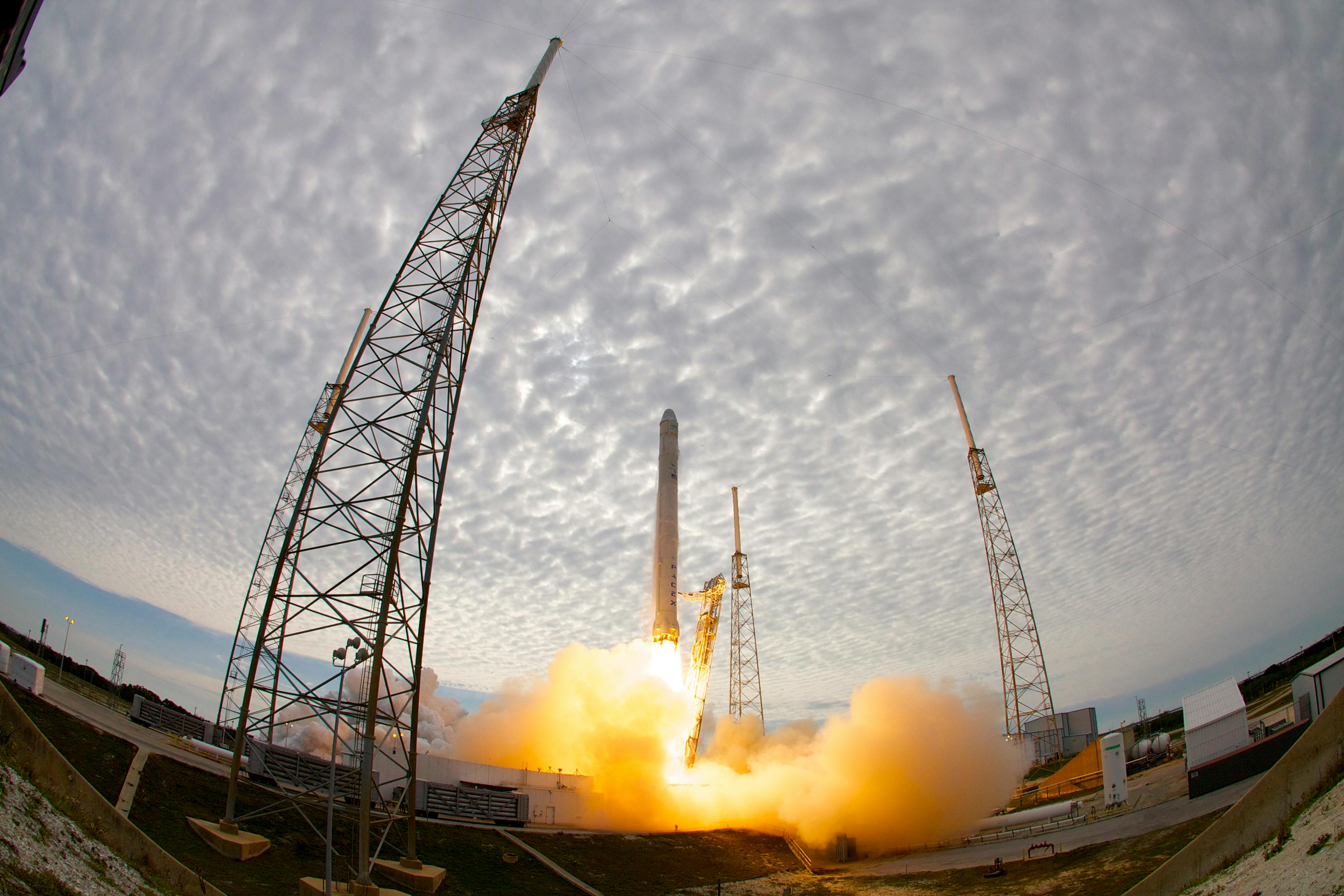
The STARLINK-32808 satellite, also known as Starlink 32808, is a member of SpaceX's Starlink V2M series launched on February 1, 2025, from AFWTR (Cape Canaveral Space Force Station). With dimensions including a length of 0.3 meters, diameter of 4.1 meters, and span of 29 meters, it has a dry mass of 700 kilograms and a launch mass of 730 kilograms. The satellite is part of the Starlink Group 11-4-10 payload mission and was manufactured by SpaceX (SPXS). Its shape consists of a box with a pan configuration.

Starlink is a satellite constellation developed by SpaceX with the aim of providing global broadband internet coverage. Thousands of small satellites are deployed in low Earth orbit (LEO), enabling high-speed internet access even in remote areas. However, the rapid increase in satellites raises concerns about space debris and the potential for collisions, which can lead to further debris creation and endanger other spacecraft. Additionally, the sheer number of Starlink satellites can affect astronomical observations by increasing light pollution. Proper deorbiting plans and international coordination are essential to mitigate these challenges and ensure long-term sustainability in space.
Physical Characteristics

Length

0.3

Diameter

4.1

Span

29

Dry Mass

700

Launch Mass

730

Shape

Box + pan

Radar Cross Section

Unknown

Visual Magnitude

Unknown

Color

Unknown

Material Composition

Unknown

Technical Details

Payload

Starlink Group 11-4-10

Purpose

Unknown

Mission

Unknown

Manufacturer

SPXS

Life Expectancy

Unknown

Bus

Starlink V2M

Configuration

Unknown

Motor

Unknown

Equipment

Unknown

Power System

Unknown

ADCS

Unknown

Transmitter Frequency

Unknown

Map
This tool will help you track the satellite's position and predict its upcoming passes over your location. Simply input the coordinates or click the geolocation button to get started.
Next Pass
Azimuth Elevation Time (Local)
Start Azimuth
Max Elevation
Stop Azimuth
Time Until
Pass Duration

Satellite Articles

View All Posts »

Learn more about satellites and other related topics.

Besxar Semiconductor Pods Launch on Starlink 10-50 | KeepTrack Space Brief

Besxar Semiconductor Pods Launch on Starlink 10-50 | KeepTrack Space Brief

SpaceX Falcon 9 launches Starlink 10-50 with two Besxar semiconductor manufacturing test pods. In-space fabrication experiment explores cost reduction for commercial payloads.


The Kessler Syndrome

The Kessler Syndrome

The Kessler Syndrome threatens humanity's future in space as cascading satellite collisions create exponential debris growth. With 36,000+ tracked objects and recent incidents accelerating risks, we face a critical juncture: implement solutions now or potentially lose access to low Earth orbit forever.

DAF Space Restructure Announced Within Days, PAE Leaders Named | KeepTrack Space Brief

DAF Space Restructure Announced Within Days, PAE Leaders Named | KeepTrack Space Brief

Department of Air Force announces finalized Program Acquisition Executive structure within days, reshaping oversight of GPS, SBIRS, and Protected Tactical Satcom systems.

US Military Likely Jamming Iran Satellite Comms | KeepTrack Space Brief

US Military Likely Jamming Iran Satellite Comms | KeepTrack Space Brief

US military praised for space operations against Iran assessed as jamming or spoofing satellite communications. Electronic warfare effects invisible to orbital tracking data.

Space Brief 29 Sep 2025

Space Brief 29 Sep 2025

Today's Space Brief discusses significant military satellite launches, groundbreaking agreements for lunar nuclear power, and Italy's satellite strategy dilemma. Additionally, we cover the Dream Chaser's upcoming demonstration flight and new Pentagon contracts for rocket motor production.

Space Brief 9 Dec 2025

Space Brief 9 Dec 2025

Today's edition covers significant military space developments, including DIU tech consolidation discussions, NDAA budget expansions, and new military commands.

Starship V3 Debuts on Flight 12 May 20 | KeepTrack X Report

Starship V3 Debuts on Flight 12 May 20 | KeepTrack X Report

SpaceX's first Starship V3 launches May 20 on Flight 12, as Starlink's 10,354 active sats force a historic carrier alliance.

Space Brief 29 Apr 2025

Space Brief 29 Apr 2025

Today's space brief covers significant advancements in military counter-drone capabilities, workforce challenges in the Navy related to DOGE budget cuts, and highlights Germany's rise in defense spending. We also shine a spotlight on the communications satellite INTELSAT 901.