


Space Brief 22 Nov 2025
Today's brief covers Blue Origin's national security mission, a new missile interceptor project by Space Force, developments with Starship boosters, and more.


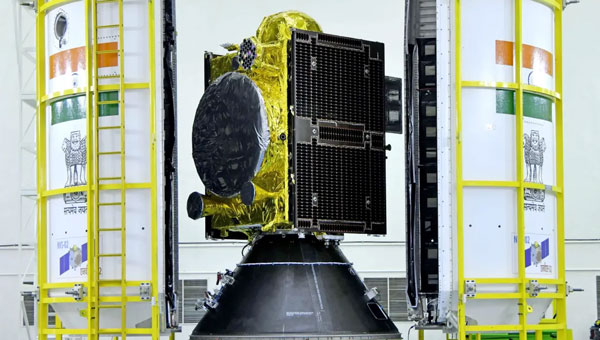
Launch Date
January 29, 2025
Launch Site
Satish Dhawan Space Centre
Launch Pad
Second Launch Pad (SLP)
Launch Vehicle
GSLV-F15
NORAD ID
62850
International Designator
2025-020A
Epoch
Sun, 19 Jul 2026 09:08:09 GMT
Apogee
Calculating...
Perigee
Calculating...
Inclination
20.61°
Right Ascension
247.49°
Eccentricity
Calculating...
Argument of Perigee
170.42°
Period
660.46 min
Mean Motion
2.18 rev/day
Latitude
Calculating...
Longitude
Calculating...
Altitude
Calculating...
Velocity
Calculating...
Name
NVS-02 (IRNSS-1K)
Alternative Name
NVS-02
Type
Status
Owner
Indian Space Research Organisation (ISRO)
Country
India
Constellation
NavIC (Navigation with Indian Constellation)
Related Satellites
Major Events
Post-launch, the satellite experienced a propulsion system anomaly that prevented it from reaching its designated orbital slot. ISRO is exploring alternative mission strategies to utilize the satellite in its current elliptical orbit.
1 62850U 25020A 26200.38066440 .00000069 00000+0 17646-3 0 9992
2 62850 20.6082 247.4868 7350578 170.4157 221.5747 02.18029960 11681
Source: Celestrak
Length
2.4
Diameter
1.6
Span
9.5
Dry Mass
1000
Launch Mass
2250
Shape
Box with two solar panels
Radar Cross Section
0.5
Visual Magnitude
5.5
Color
Silver with white thermal blankets
Material Composition
The satellite structure is primarily composed of aluminum and composite materials to ensure strength and minimize weight.
Payload
Navigation payloads in L1, L5, and S bands; ranging payload in C-band.
Purpose
Unknown
Mission
Enhance India's regional navigation capabilities by providing accurate Position, Velocity, and Timing (PVT) services through the NavIC system.
Manufacturer
ISRO Satellite Centre
Life Expectancy
Designed for a mission life of over 12 years.
Bus
I-2K
Configuration
Navigation Satellite
Motor
Liquid Apogee Motor (LAM)
Equipment
Advanced navigation payloads operating in L1, L5, and S bands; ranging payload in C-band; Rubidium Atomic Frequency Standard (RAFS) for precise timekeeping.
Power System
Two solar arrays generating up to 3 kW of power.
ADCS
Three-axis stabilized
Transmitter Frequency
L1, L5, S bands
Learn more about satellites and other related topics.
Today's brief covers Blue Origin's national security mission, a new missile interceptor project by Space Force, developments with Starship boosters, and more.

Today's highlights include ExoMars' successful parachute test, developments in military satellite systems, and leadership changes at NASA Goddard.
Discover the latest developments in hypersonic missile production, defense innovation strategies, and satellite infrastructure resilience impacting military operations.
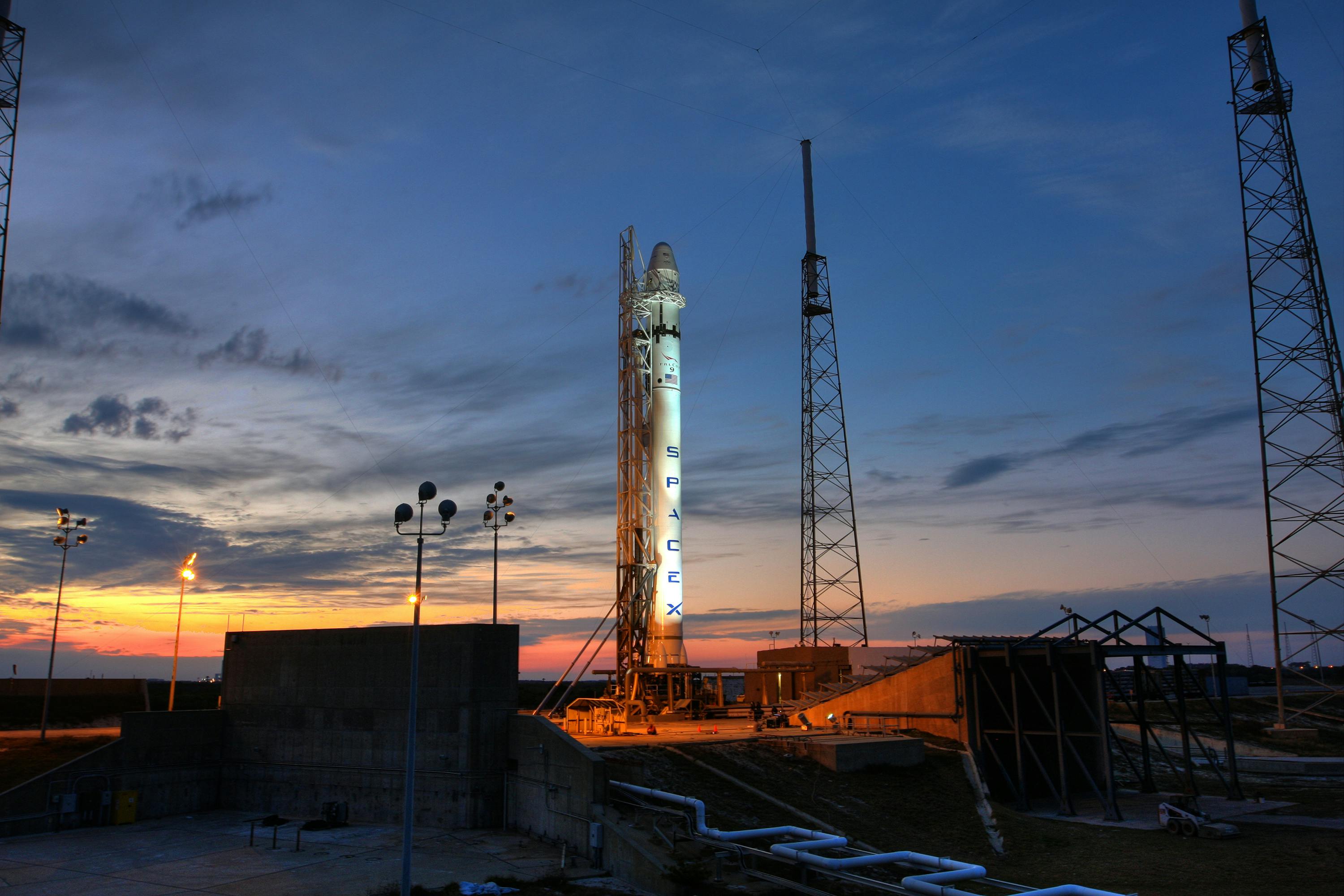
SpaceX shifts launch priorities to Vandenberg as Falcon 9 era winds down, while Anthropic signs orbital data center deal with the company.
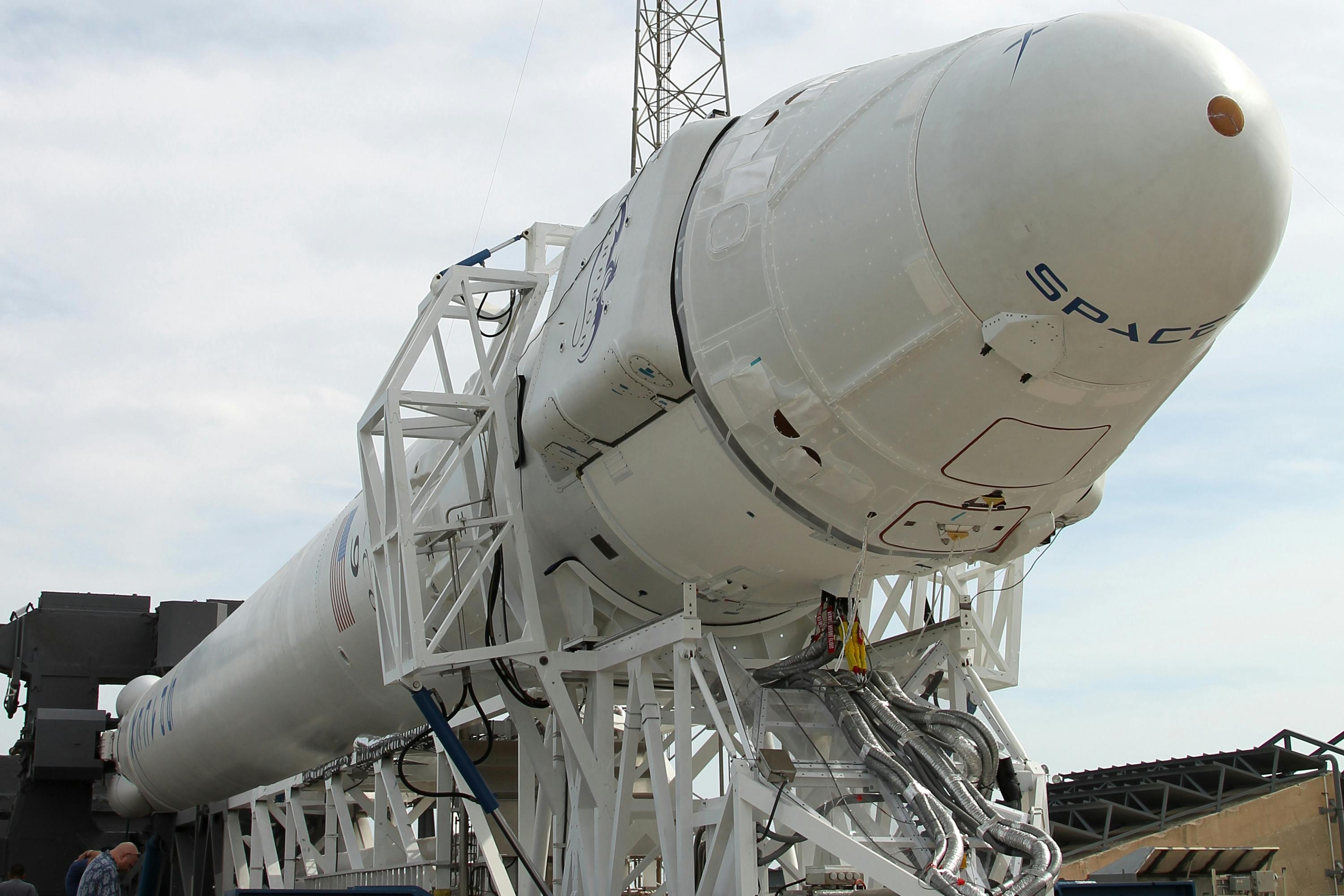
SpaceX launches more Starlink satellites as Starship prepares for full stack testing, amidst Musk's new governmental role.
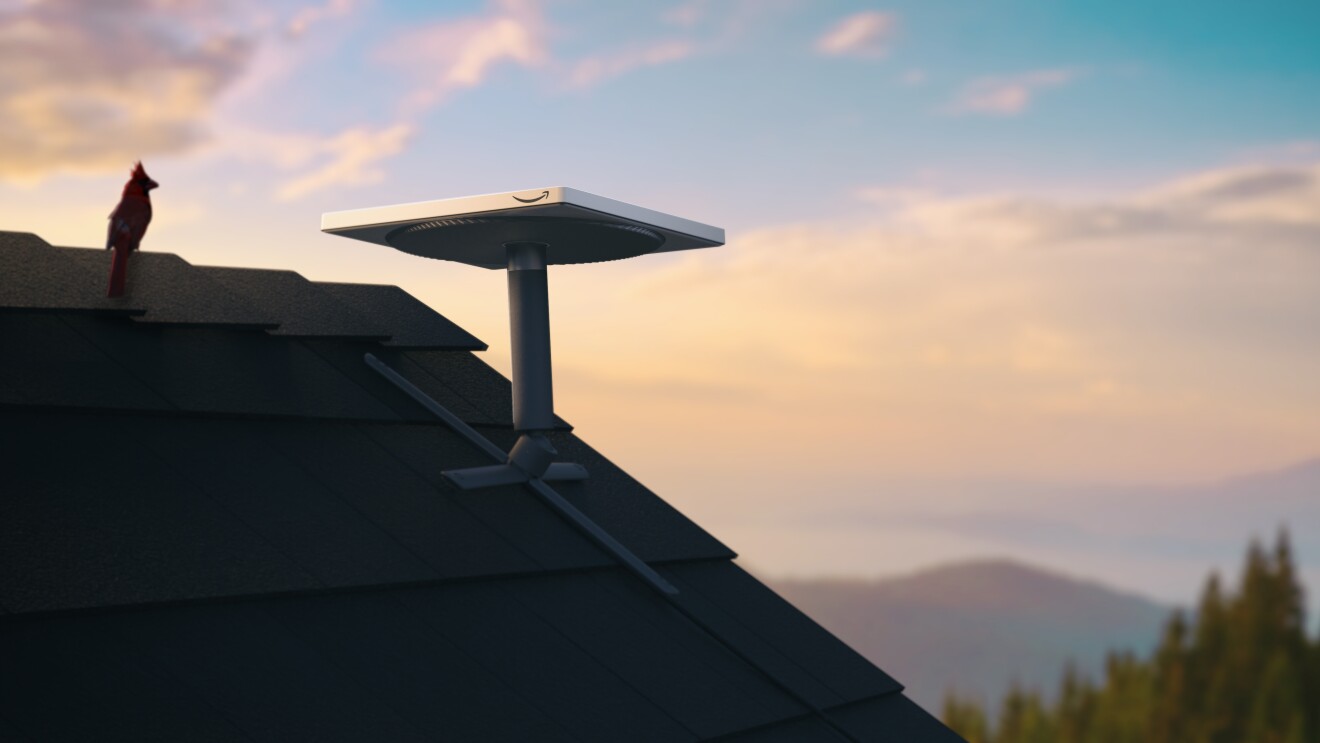
Discover the latest developments in space defense, innovative satellite technologies, nuclear advancements in space travel, and strategic military updates.
Key space events for today include potential changes in US space policy involving SpaceX, uncertainties regarding NASA's Starliner, and China's new steps in asteroid exploration.
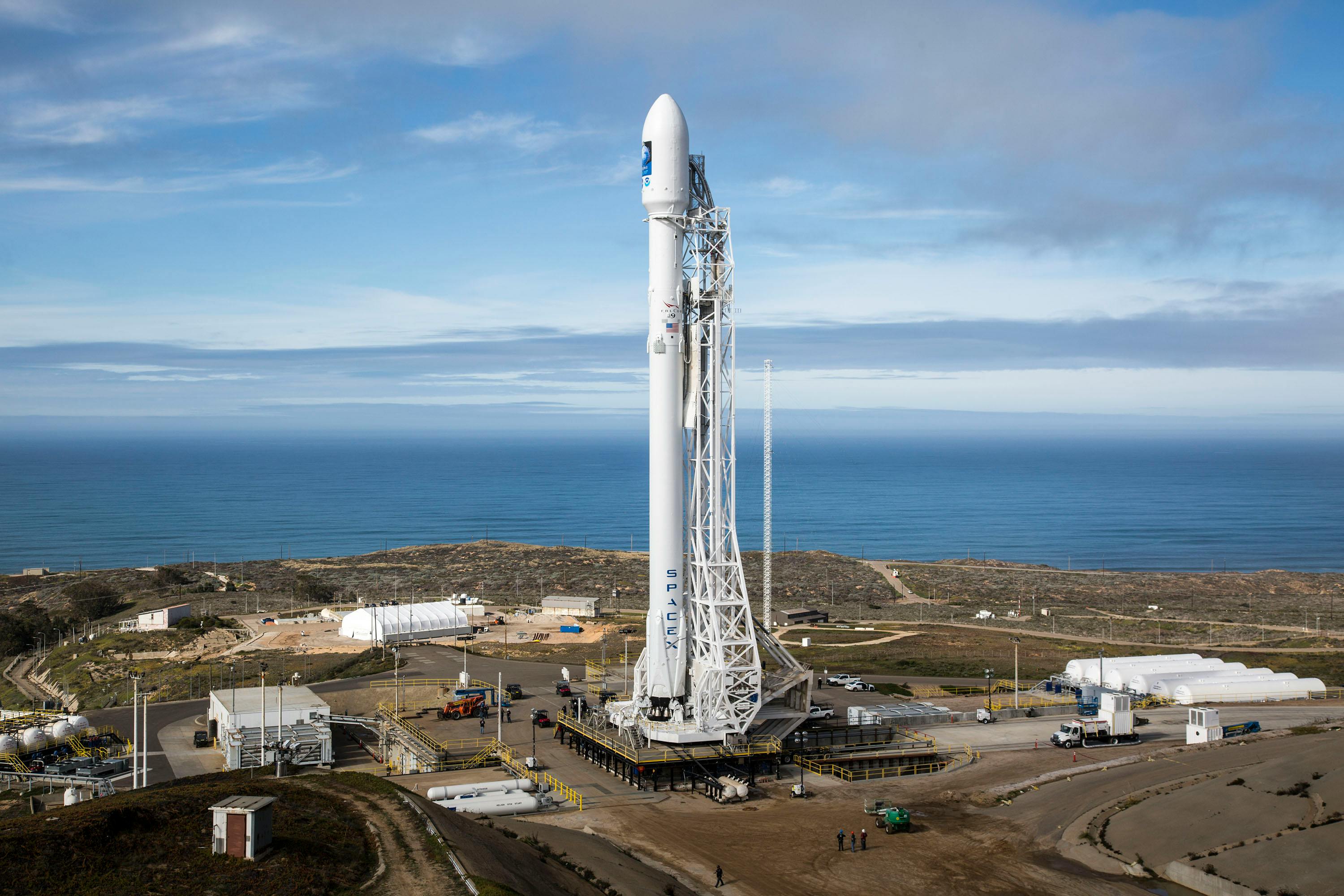
SpaceX readies Starlink 17-32 launch of 25 satellites from Vandenberg. Orbital data center economics draw attention from Musk and Bezos. 9,614 Starlink sats on orbit.