


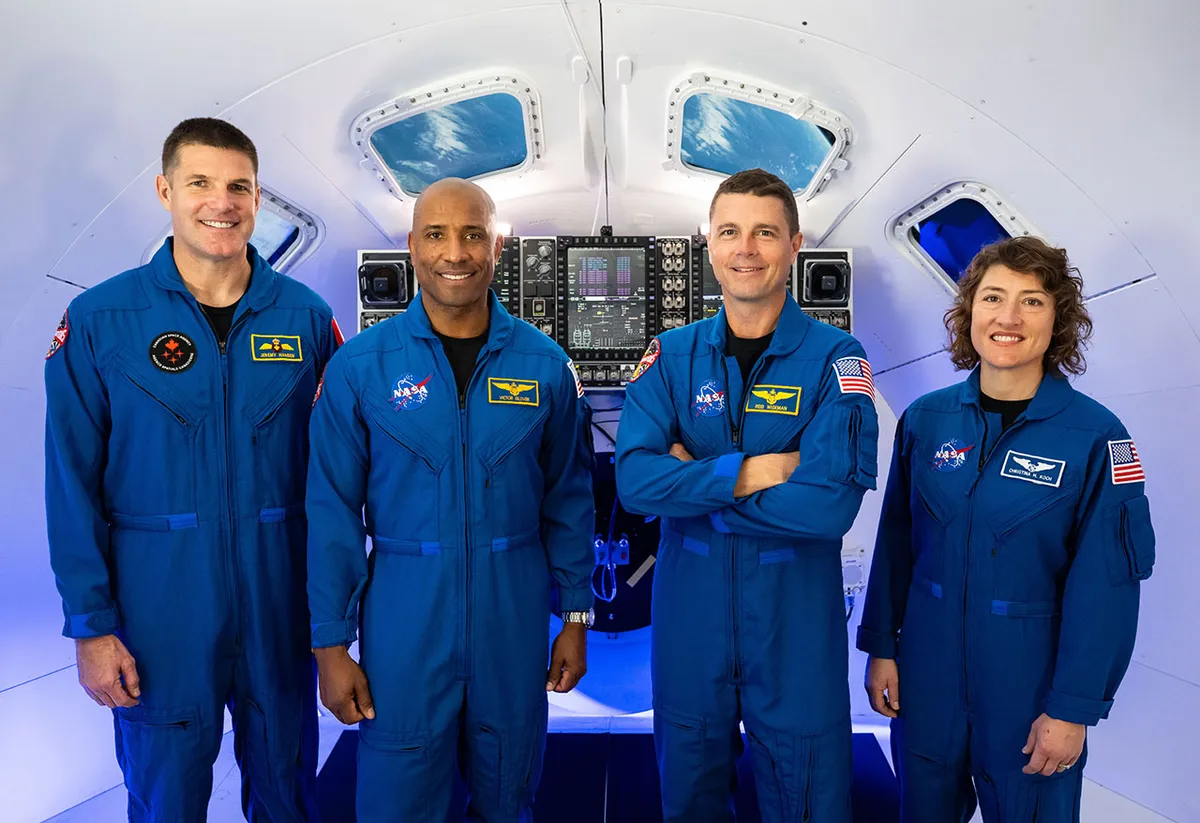
Artemis II
Four astronauts, a patched-together heat shield, and a $50 billion question: whether NASA can still send humans beyond low Earth orbit. Tomorrow, we find out.


![STARLINK-11546 [DTC] Satellite Image](/images/sat/starlink.jpg)
Launch Date
January 27, 2025
Launch Site
Launch Pad
LC40
Launch Vehicle
NORAD ID
62835
International Designator
2025-019G
Epoch
Sun, 19 Jul 2026 19:23:37 GMT
Apogee
Calculating...
Perigee
Calculating...
Inclination
43.00°
Right Ascension
230.15°
Eccentricity
Calculating...
Argument of Perigee
292.80°
Period
91.67 min
Mean Motion
15.71 rev/day
Latitude
Calculating...
Longitude
Calculating...
Altitude
Calculating...
Velocity
Calculating...
Name
STARLINK-11546 [DTC]
Alternative Name
Starlink 11546
Type
Status
Owner
SPXS
Country
United States
Constellation
N/A
Related Satellites
Major Events
N/A
1 62835U 25019G 26200.80807324 .00096204 00000+0 74422-3 0 9995
2 62835 42.9982 230.1457 0000565 292.7953 67.2855 15.70851994 84650
Source: Celestrak
Length
0.3
Diameter
4.1
Span
29
Dry Mass
700
Launch Mass
730
Shape
Box + pan
Radar Cross Section
Unknown
Visual Magnitude
Unknown
Color
Unknown
Material Composition
Unknown
Payload
Starlink Group 12-7-07
Purpose
Unknown
Mission
Unknown
Manufacturer
SPXS
Life Expectancy
Unknown
Bus
Starlink V2M
Configuration
Unknown
Motor
Unknown
Equipment
Unknown
Power System
Unknown
ADCS
Unknown
Transmitter Frequency
Unknown
Learn more about satellites and other related topics.
Four astronauts, a patched-together heat shield, and a $50 billion question: whether NASA can still send humans beyond low Earth orbit. Tomorrow, we find out.
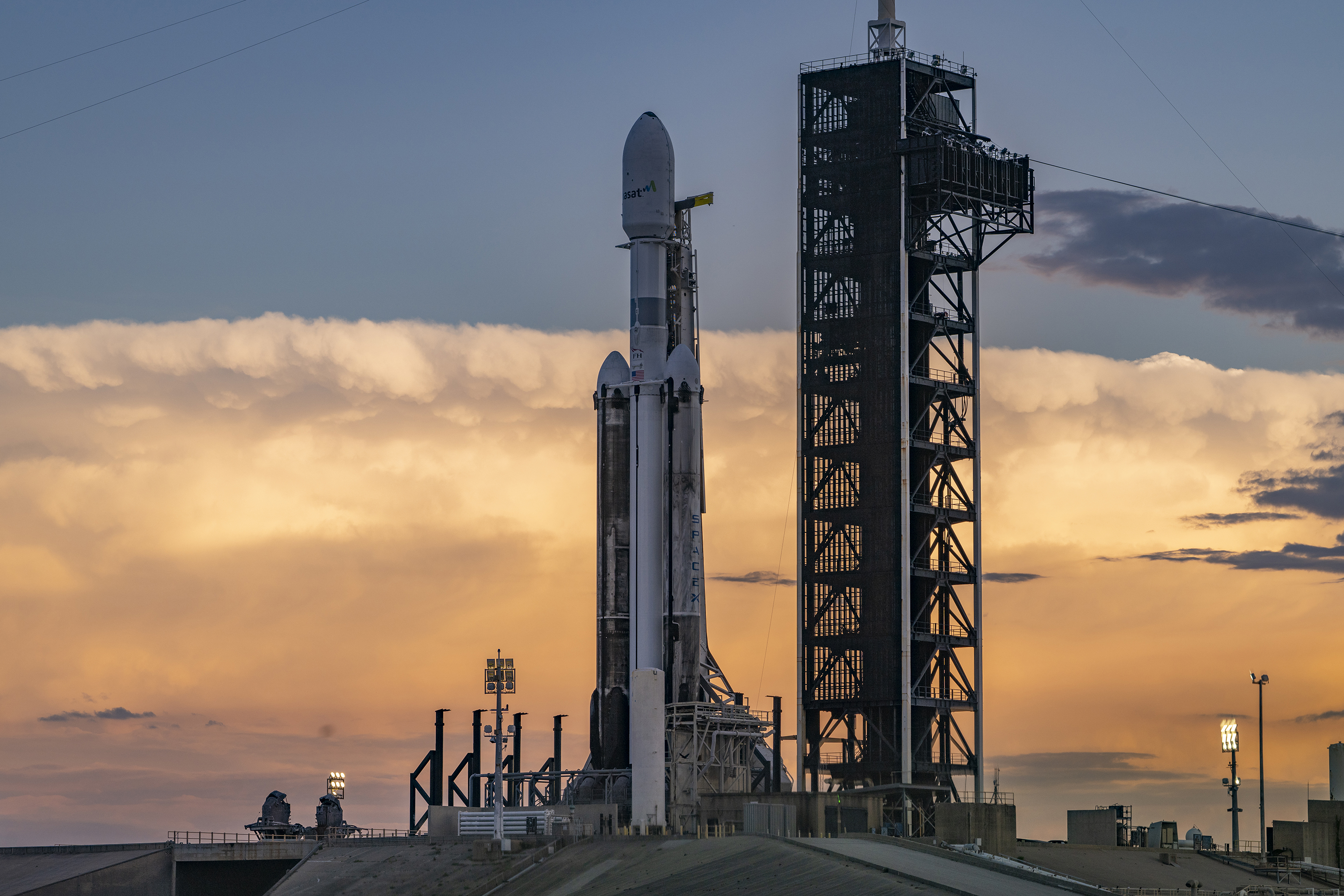
ULA's Atlas V deployed 29 Amazon Kuiper LEO satellites on April 27. Falcon Heavy returns this week with ViaSat-3 F3. Six orbital launches scheduled across three continents.
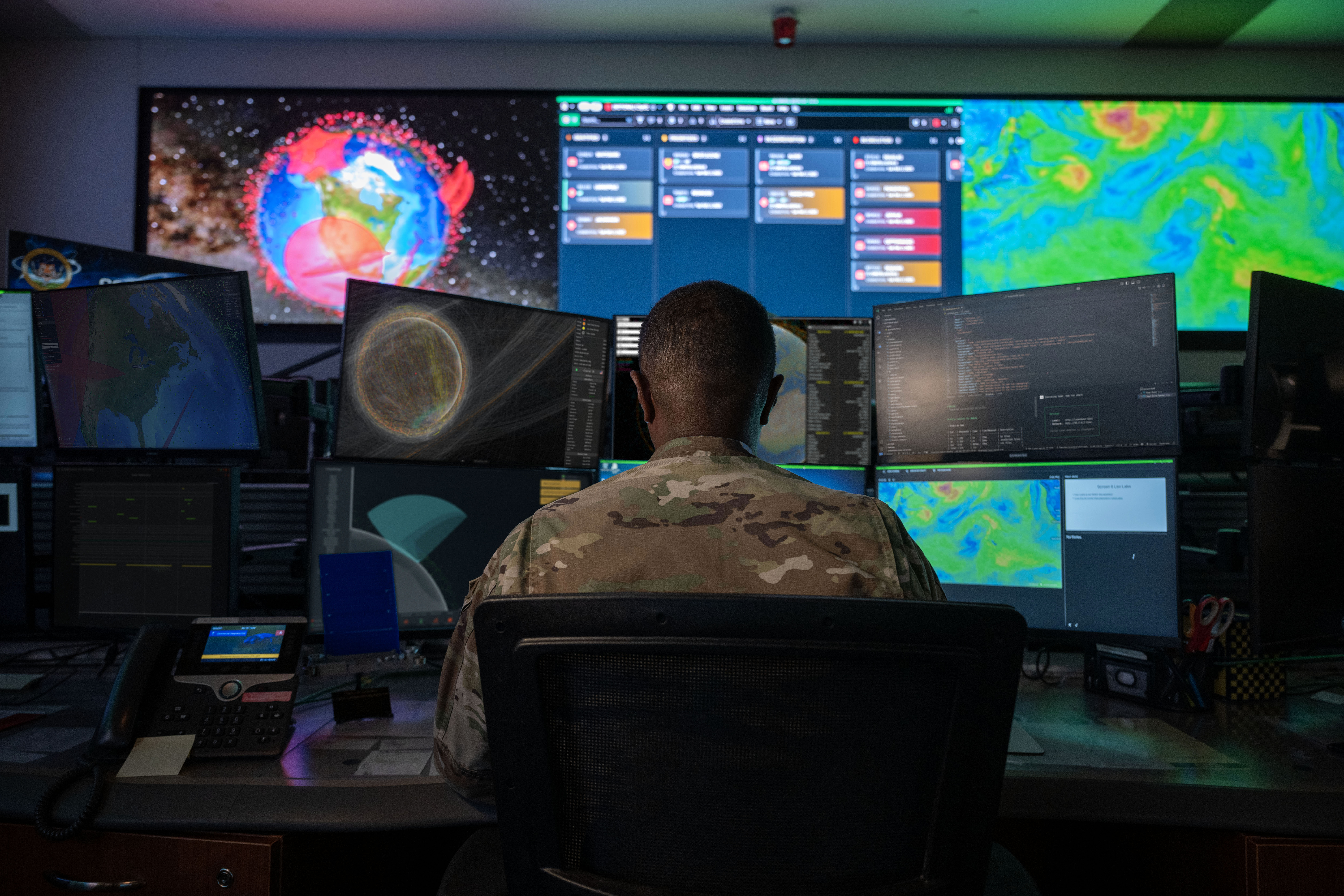
Pentagon gives Anthropic Friday deadline to loosen military AI policy. Space Force keeps Vulcan grounded over booster issue. Funding boost speeds missile-tracking satellites.

SpaceX wins a $4.16B US Space Force contract for an airborne threat tracking satellite network. Starlink holds 10,413 satellites in orbit, 10,397 working.
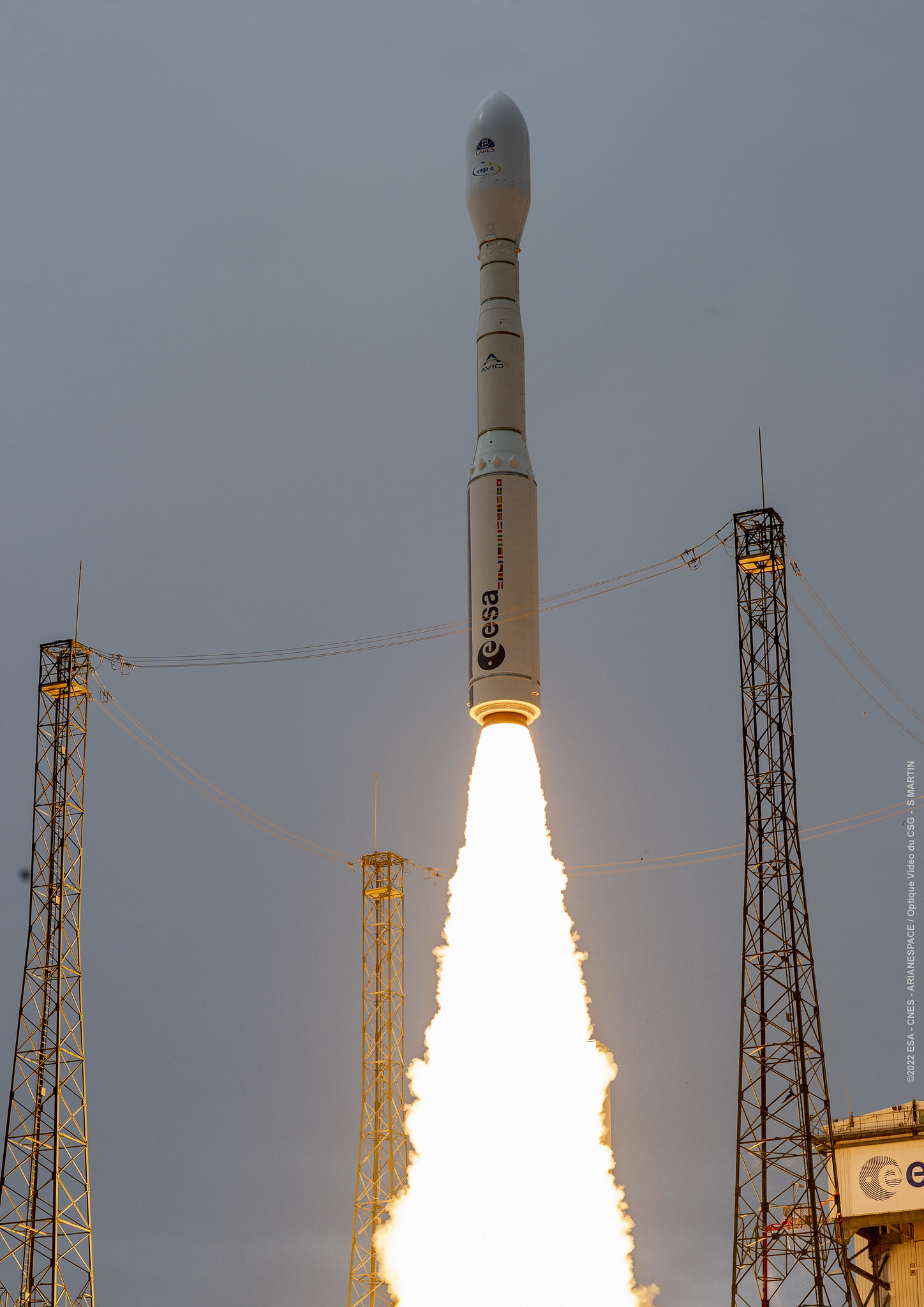
Highlights include significant advances in satellite refueling experiments, a key design milestone for missile defense, and a feature on the satellite Cosmos 2246.

SpaceX gains regulatory approval for a new Starship test flight, further expands its role in U.S. defense, and successfully launches 26 additional Starlink satellites. United Airlines also rolls out Starlink Wi-Fi on its flights.
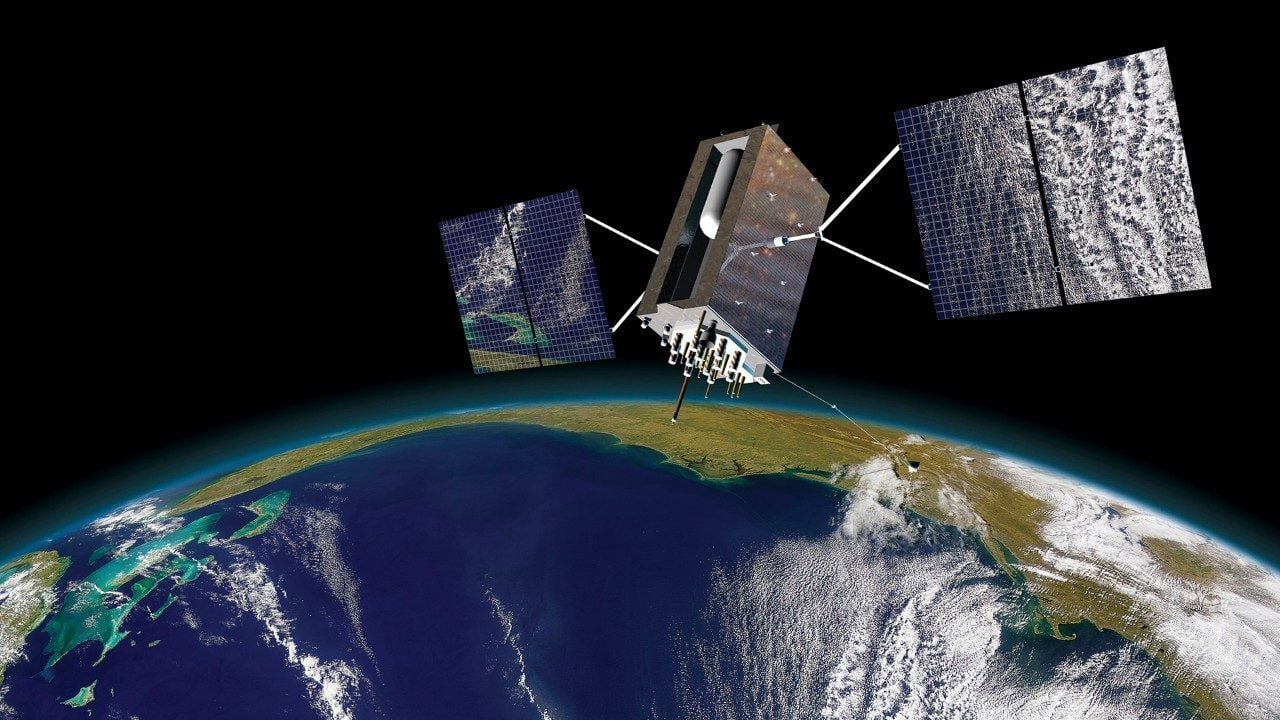
On April 17, 2026, the U.S. Space Force officially cancelled the Next Generation Operational Control System after sixteen years of development, cost overruns, and testing failures. The $8 billion program was supposed to unlock the military's encrypted GPS signal. Instead, the satellites are flying with capabilities the ground can't command.

SpaceX safely returns Crew-9 from ISS, launches new Starlink satellites, and showcases its satellite kit production capabilities.