


10,374 Starlink Satellites in Orbit, X Report 6 May 2026
Starlink satellites in orbit May 2026: 10,374, with 10,358 working. Mission 17-29 lifts 24 more from Vandenberg and a satellite films the Starlink train.



NORAD ID
62816
International Designator
2025-018L
Epoch
Sun, 19 Jul 2026 23:23:51 GMT
Apogee
Calculating...
Perigee
Calculating...
Inclination
53.16°
Right Ascension
54.31°
Eccentricity
Calculating...
Argument of Perigee
90.19°
Period
93.85 min
Mean Motion
15.34 rev/day
Latitude
Calculating...
Longitude
Calculating...
Altitude
Calculating...
Velocity
Calculating...
Name
STARLINK-32854
Alternative Name
Starlink 32854
Type
Status
Owner
SPXS
Country
United States
Constellation
N/A
Related Satellites
Major Events
N/A
1 62816U 25018L 26200.97490125 .00003870 00000+0 12566-3 0 9996
2 62816 53.1610 54.3139 0001665 90.1891 269.9303 15.34385926 83427
Source: Celestrak
Length
0.3
Diameter
4.1
Span
29
Dry Mass
700
Launch Mass
730
Shape
Box + pan
Radar Cross Section
Unknown
Visual Magnitude
Unknown
Color
Unknown
Material Composition
Unknown
Payload
Starlink Group 11-6-11
Purpose
Unknown
Mission
Unknown
Manufacturer
SPXS
Life Expectancy
Unknown
Bus
Starlink V2M
Configuration
Unknown
Motor
Unknown
Equipment
Unknown
Power System
Unknown
ADCS
Unknown
Transmitter Frequency
Unknown
Learn more about satellites and other related topics.
Starlink satellites in orbit May 2026: 10,374, with 10,358 working. Mission 17-29 lifts 24 more from Vandenberg and a satellite films the Starlink train.

Discover today's fascinating space events, from exceptional aurora displays to potential exomoon formations, alongside intriguing satellite insights.
Rocket Lab to acquire Iridium's 66-satellite LEO constellation for end-to-end vertical integration. Deal includes spacecraft manufacturing, launch, and on-orbit operations control.

China hits record 92 orbital launches in 2025. Vandenberg opens new launch site for providers. Former ULA CEO Tory Bruno joins Blue Origin for national security projects.
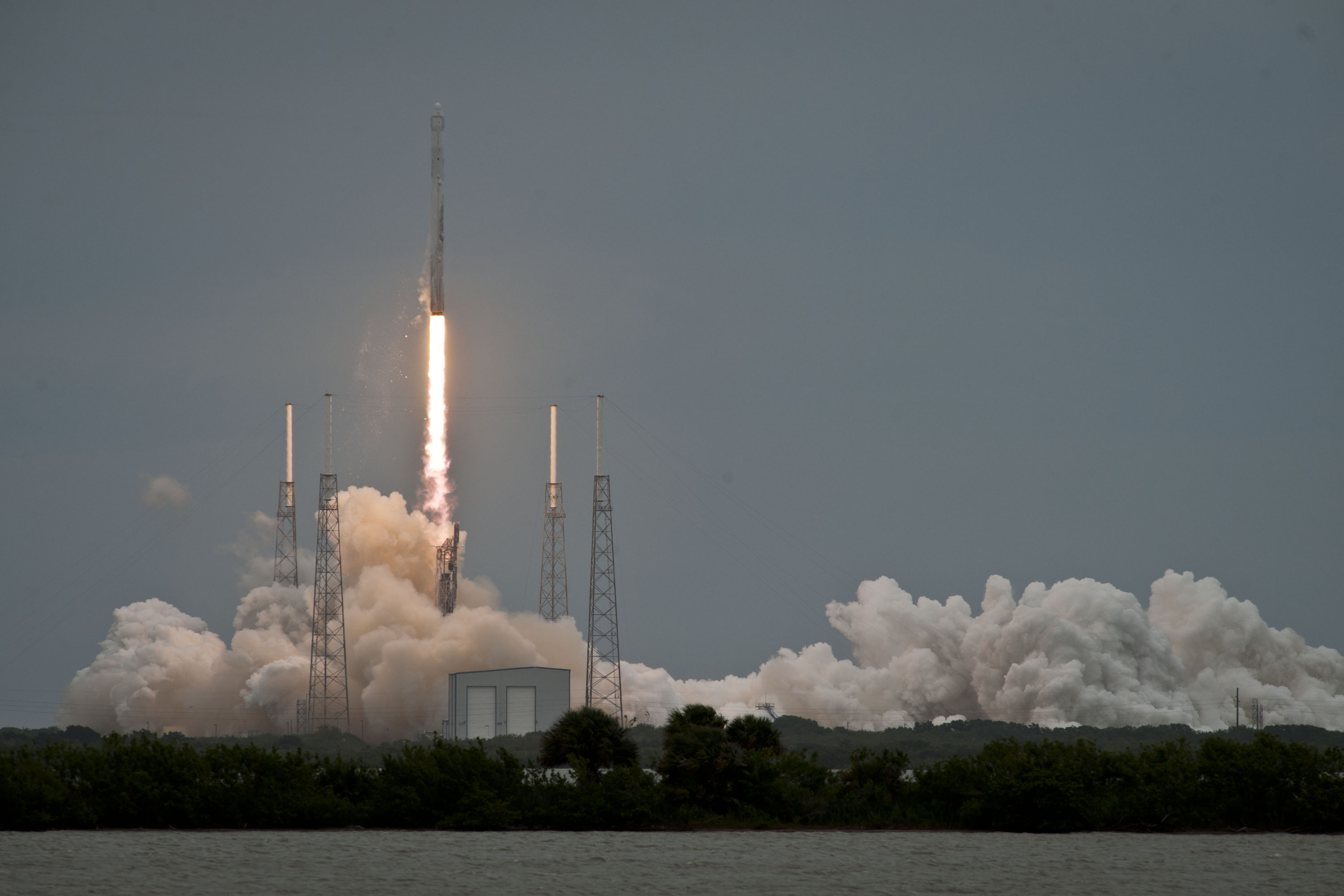
On April 18, 2014, a Falcon 9 first stage did something no orbital rocket had ever done before. It fired its engines on the way down, steered itself through the atmosphere using grid fins that did not yet exist, and touched the Atlantic Ocean softly enough to survive the impact. Nobody recovered it. The data was the whole point.
NASA delays Artemis 2 for SLS upper stage fix and pad rollback. SpaceX Falcon 9 booster shatters reuse record with 33rd flight. Tory Bruno joins Blue Origin for defense work.
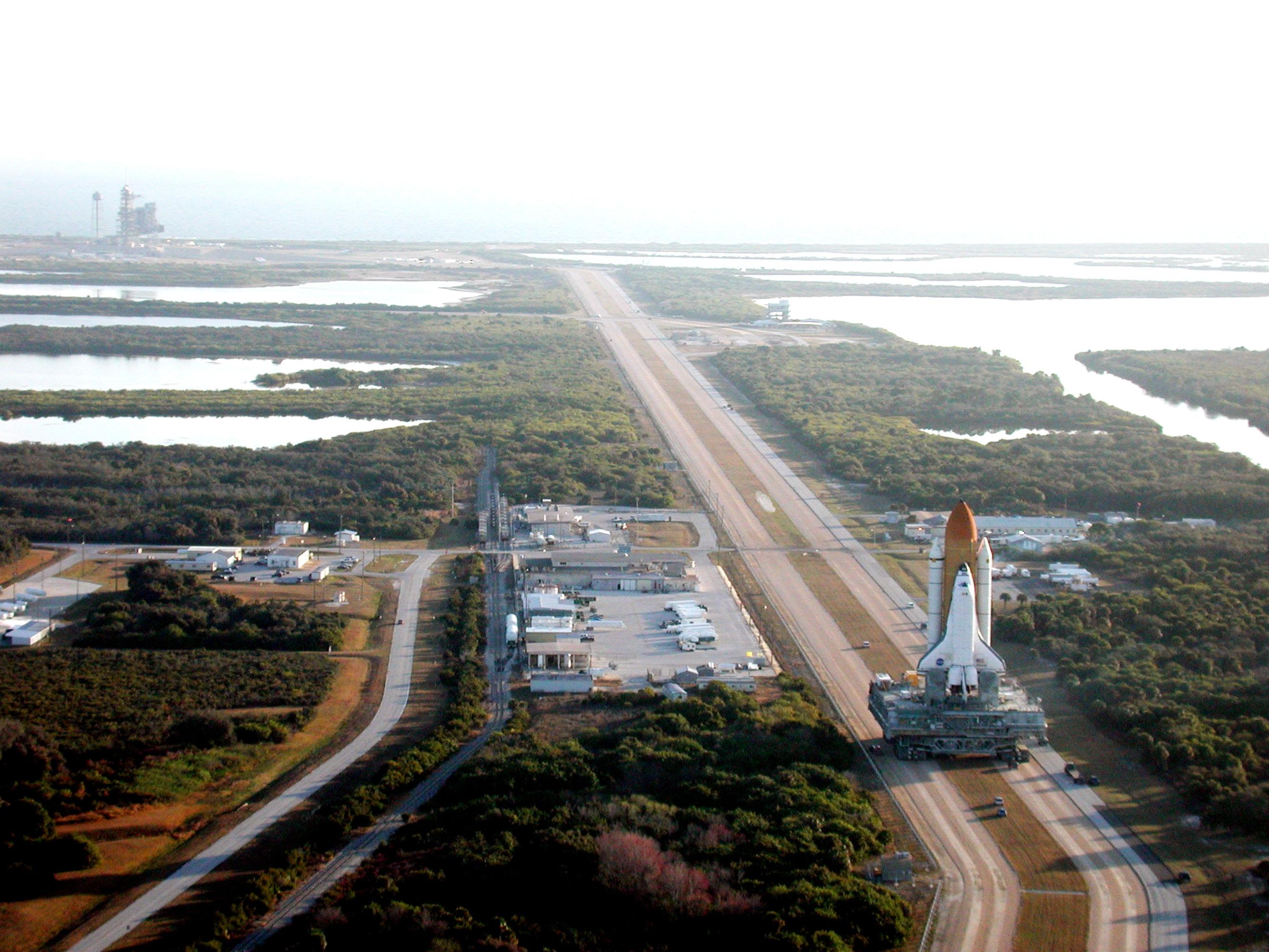
Twenty-four years ago, two spacewalking astronauts battled an ammonia leak while installing the U.S. Laboratory module Destiny, transforming the International Space Station from a construction site to a world-class research facility
Today's brief highlights the need for better space debris management, multiple SpaceX Starlink launches, and NASA's upcoming lunar cargo delivery plans.