


Space Brief 16 Nov 2024
Today's highlights include ABL Space shifting its focus to missile defense, Intuitive Machines advocating for Artemis infrastructure reforms, and more updates from space and defense sectors.


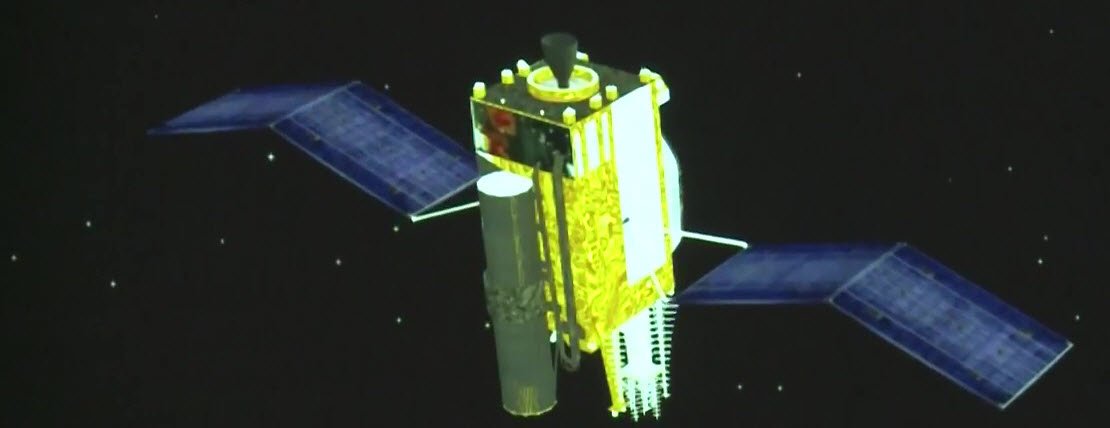
Launch Date
January 23, 2025
Launch Site
Xichang Satellite Launch Center
Launch Pad
XSC -
Launch Vehicle
NORAD ID
62804
International Designator
2025-017A
Epoch
Sun, 19 Jul 2026 20:44:11 GMT
Apogee
Calculating...
Perigee
Calculating...
Inclination
0.71°
Right Ascension
298.14°
Eccentricity
Calculating...
Argument of Perigee
305.18°
Period
1436.13 min
Mean Motion
1.00 rev/day
Latitude
Calculating...
Longitude
Calculating...
Altitude
Calculating...
Velocity
Calculating...
Name
TJS-14
Alternative Name
Tongxin Jishu Shiyan 14
Type
Status
Owner
People's Liberation Army Strategic Support Force (PLA SSF)
Country
China
Constellation
TJS (Tongxin Jishu Shiyan) Series
Related Satellites
Major Events
Launched on 2025-01-23; reached geostationary orbit; commenced operations.
1 62804U 25017A 26200.86402154 .00000112 00000+0 00000+0 0 9997
2 62804 0.7104 298.1354 0001909 305.1791 23.7474 01.00269543 5597
Source: Celestrak
Length
5
Diameter
2.5
Span
30
Dry Mass
2500
Launch Mass
5000
Shape
Box with two panels
Radar Cross Section
Unknown
Visual Magnitude
Unknown
Color
Silver (aluminum-clad)
Material Composition
The satellite's structure is primarily composed of aluminum and magnesium alloys.
Payload
Classified
Purpose
Unknown
Mission
Believed to be a communication technology experiment satellite, possibly serving military purposes such as missile warning or signals intelligence.
Manufacturer
Shanghai Institute of Satellite Engineering (SISE)
Life Expectancy
Unknown
Bus
FY-4
Configuration
Unknown
Motor
LAE
Equipment
Unknown
Power System
Unknown
ADCS
Three-axis stabilization
Transmitter Frequency
Specific transmitter frequencies for TJS-14 have not been publicly disclosed.
Learn more about satellites and other related topics.
Today's highlights include ABL Space shifting its focus to missile defense, Intuitive Machines advocating for Artemis infrastructure reforms, and more updates from space and defense sectors.

China expands its classified satellite series, Space Force advances cloud-based ground station marketplaces, and the Pentagon grows its satellite network partner list. Highlighting new roles for sensor technology in tracking space debris.
Today's briefing covers Starlink's role in disaster recovery in the Philippines, insights into the evolving direct-to-device market, and news of European plans for a reusable upper stage rocket inspired by SpaceX's Starship.

On February 2, 1909, Robert Goddard made a revolutionary breakthrough in his notebook: liquid oxygen and liquid hydrogen could achieve 50% efficiency in converting heat energy to kinetic energy for rocket propulsion

Space Force projects 25 additional high-energy missions in 2027–2029 window, straining capacity at Vulcan and Falcon Heavy. Capacity constraints will drive military-NASA prioritization debates.

SpaceX successfully launched 28 Starlink satellites on October 7, further expanding its broadband constellation while hosting an active launch schedule this week.
Starship developments continue to capture attention alongside Starlink's latest deployment milestones.
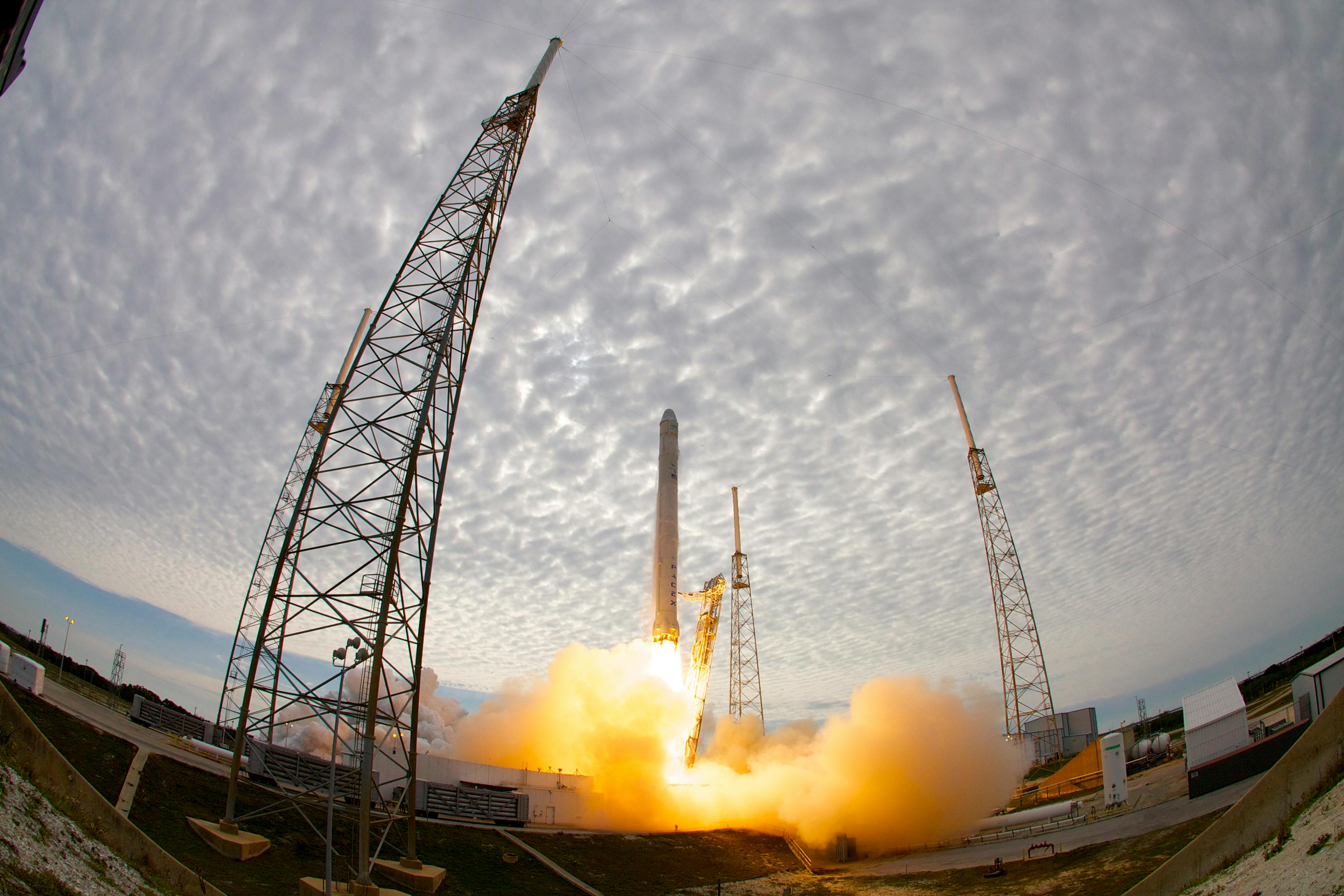
SpaceX conducts another Starship test flight, with high-profile audience; SEOPS secures Falcon 9 for rideshare mission; Ontario partners with Starlink for rural connectivity.