STARLINK-33575 (62760)

COSPAR: 2025-015C | Alt Name: Starlink 33575

Image
STARLINK-33575 Satellite Image
Additional Sources
Launch Details

Launch Date

January 21, 2025

Launch Site

AFWTR

Launch Pad

SLC4E

Launch Vehicle

Falcon 9

Orbital Elements

NORAD ID

62760

International Designator

2025-015C

Epoch

Mon, 20 Jul 2026 00:46:23 GMT

Apogee

Calculating...

Perigee

Calculating...

Inclination

53.16°

Right Ascension

65.57°

Eccentricity

Calculating...

Argument of Perigee

90.94°

Period

93.85 min

Mean Motion

15.34 rev/day

Latitude

Calculating...

Longitude

Calculating...

Altitude

Calculating...

Velocity

Calculating...

Polar Plot
3D Visualization
Basic Satellite Info

Name

STARLINK-33575

Alternative Name

Starlink 33575

Type

Payload

Status

Operational

Owner

SPXS

Country

United States

Constellation

N/A

Related Satellites

Major Events

N/A

Latest TLEs
1 62760U 25015C   26201.03221321  .00011714  00000+0  35726-3 0  9998
2 62760  53.1584  65.5665 0001155  90.9397 269.1738 15.34401909 84016

Source: Celestrak

Summary
The STARLINK-33575 satellite, also known as Starlink 33575, is a component of the Starlink V2MO series launched on January 21, 2025, from Space Launch Complex 4E at Vandenberg Air Force Base using a Falcon 9 launch vehicle. The spacecraft has dimensions of 0.3 meters in length and 4.1 meters in diameter with a span of 29 meters. It was manufactured by SpaceX (SPXS) and had a dry mass of 530 kilograms, with an initial launch mass of 575 kilograms. The satellite is part of the Starlink Group 11-8-03 payload and has a shape described as "Box + pan." Ownership is attributed to SpaceX.

Starlink is a satellite constellation developed by SpaceX with the aim of providing global broadband internet coverage. Thousands of small satellites are deployed in low Earth orbit (LEO), enabling high-speed internet access even in remote areas. However, the rapid increase in satellites raises concerns about space debris and the potential for collisions, which can lead to further debris creation and endanger other spacecraft. Additionally, the sheer number of Starlink satellites can affect astronomical observations by increasing light pollution. Proper deorbiting plans and international coordination are essential to mitigate these challenges and ensure long-term sustainability in space.
Physical Characteristics

Length

0.3

Diameter

4.1

Span

29

Dry Mass

530

Launch Mass

575

Shape

Box + pan

Radar Cross Section

Unknown

Visual Magnitude

Unknown

Color

Unknown

Material Composition

Unknown

Technical Details

Payload

Starlink Group 11-8-03

Purpose

Unknown

Mission

Unknown

Manufacturer

SPXS

Life Expectancy

Unknown

Bus

Starlink V2MO

Configuration

Unknown

Motor

Unknown

Equipment

Unknown

Power System

Unknown

ADCS

Unknown

Transmitter Frequency

Unknown

Map
This tool will help you track the satellite's position and predict its upcoming passes over your location. Simply input the coordinates or click the geolocation button to get started.
Next Pass
Azimuth Elevation Time (Local)
Start Azimuth
Max Elevation
Stop Azimuth
Time Until
Pass Duration

Satellite Articles

View All Posts »

Learn more about satellites and other related topics.

X Report 17 Feb 2025

X Report 17 Feb 2025

Key insights on Starship development challenges and latest Starlink satellite status.

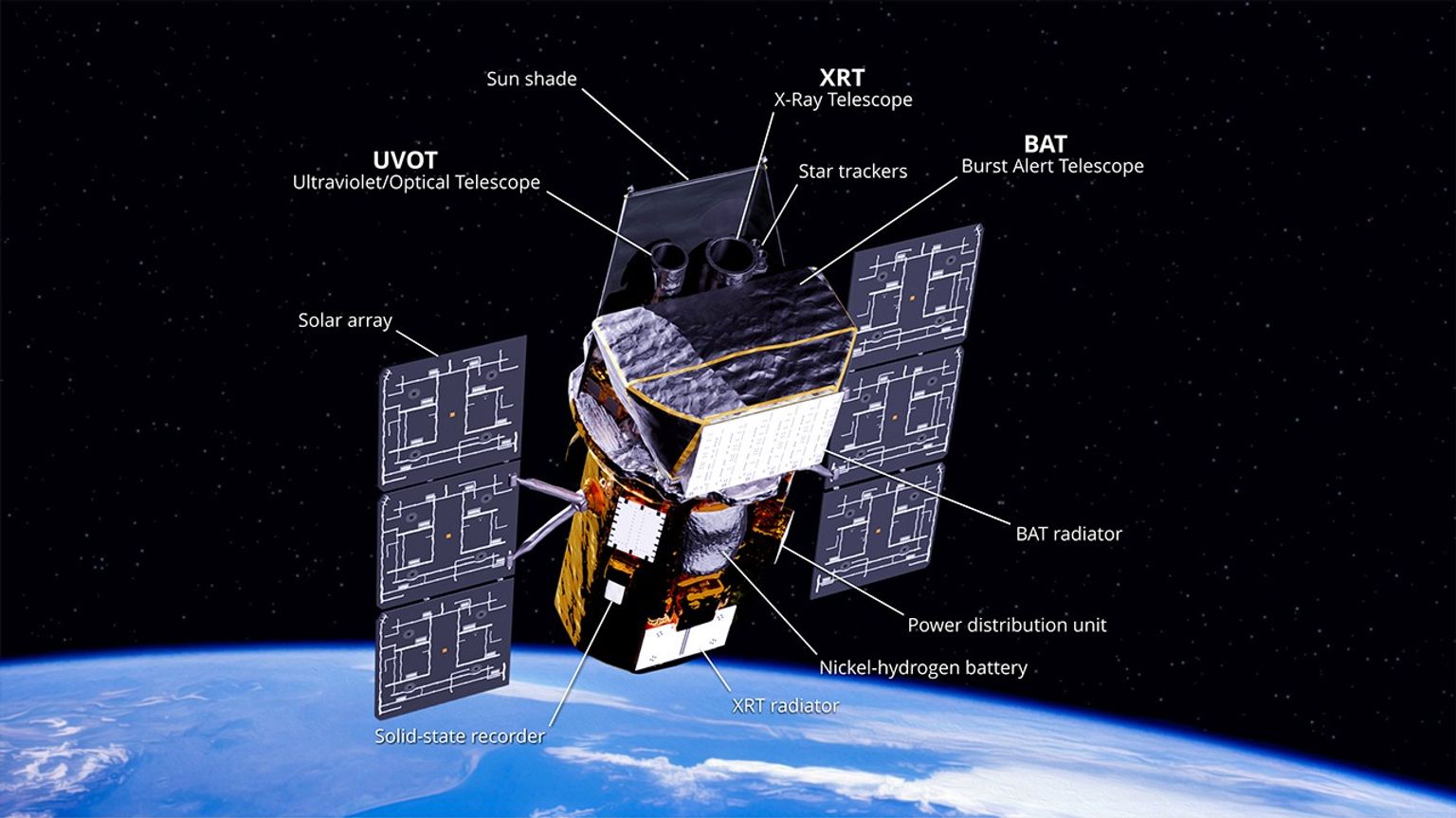
Neil Gehrels Swift Observatory

Neil Gehrels Swift Observatory

Designed for a two-year mission to catch gamma-ray bursts in the act, Swift is now 21 years old, slowly falling out of the sky, and the subject of an unprecedented private rescue mission. Nobody planned for it to be this hard to let go.
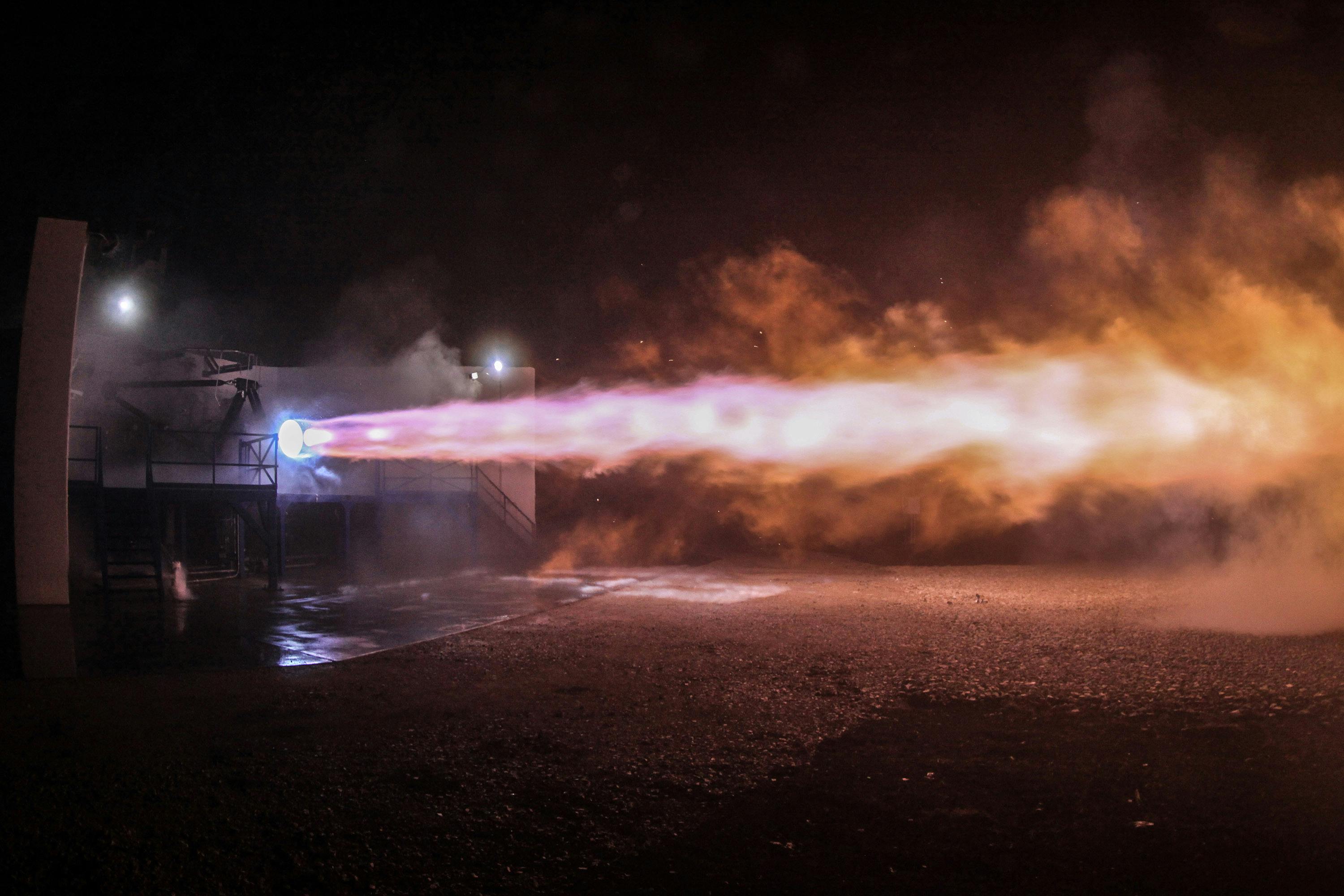
X Report 11 Dec 2025

X Report 11 Dec 2025

SpaceX has confirmed plans for an IPO and successfully launched multiple batches of Starlink satellites, advancing its mission for global internet coverage.

Falcon 9 to Lift Cygnus as Artemis II Hits Midpoint | KeepTrack X Report

Falcon 9 to Lift Cygnus as Artemis II Hits Midpoint | KeepTrack X Report

Falcon 9 targets ISS Cygnus resupply as Artemis II reaches its halfway mark and SpaceX HLS commitment draws NASA praise.
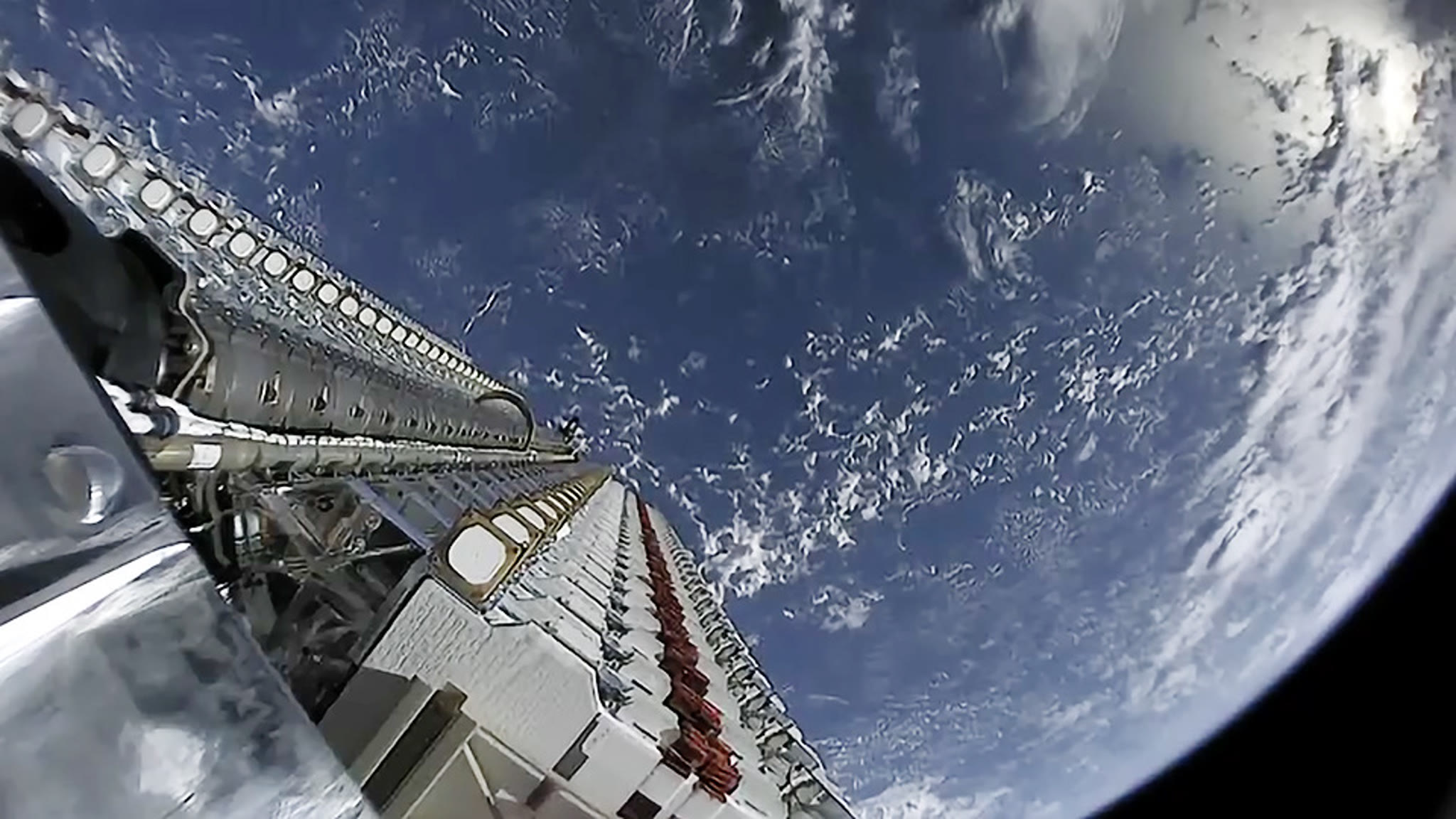
The 300,000 Swerves Keeping Low Earth Orbit From Crashing

The 300,000 Swerves Keeping Low Earth Orbit From Crashing

Starlink satellites fired their thrusters to dodge a collision roughly 300,000 times in 2025, about 822 times a day. Behind that number is a fragile, half-automated system of warnings, probabilities, and judgment calls that decides which close approaches are worth a maneuver and which are just noise.
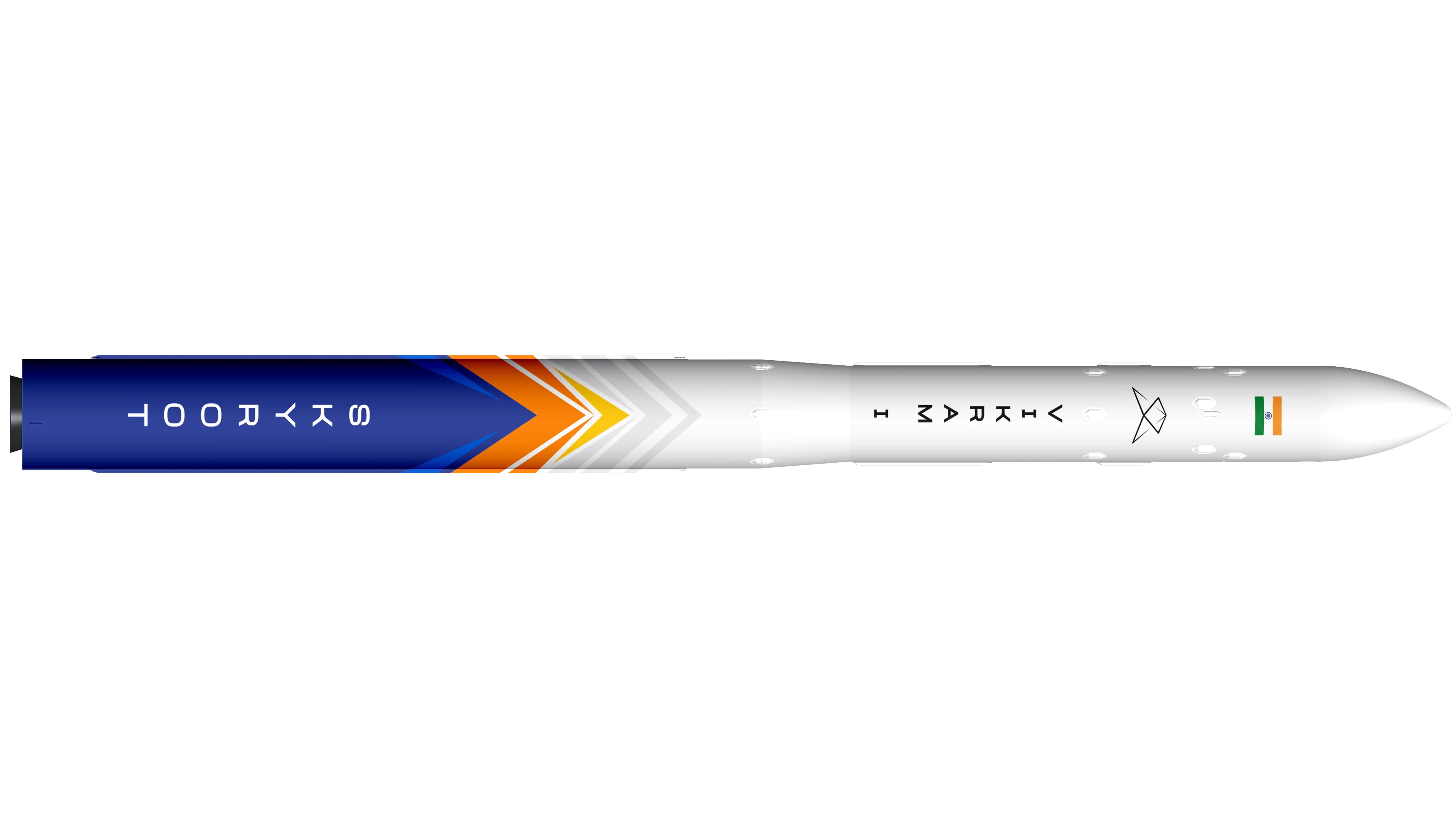
81 Payloads Deployed to SSO; Long March 10B & Vikram-I Debut This Week | KeepTrack Space Brief

81 Payloads Deployed to SSO; Long March 10B & Vikram-I Debut This Week | KeepTrack Space Brief

SpaceX rideshare Falcon 9 deployed 81 payloads including military tech demos to sun-synchronous orbit. China's Long March 10B and India's Vikram-I both debut this week among 6 scheduled launches.
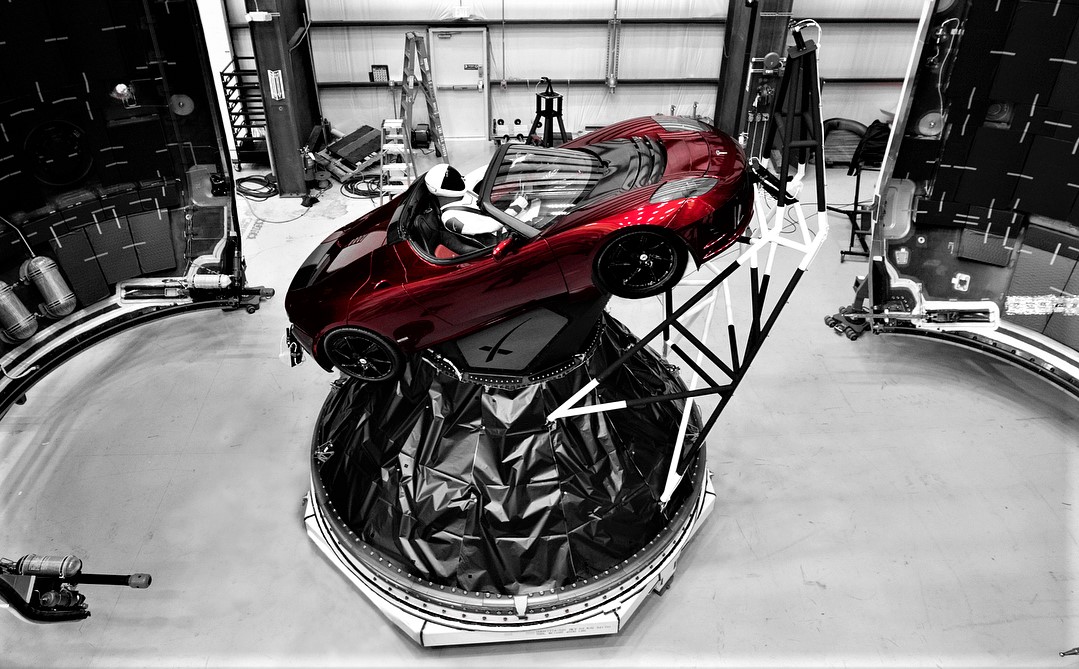
The Day a Car Started Its Journey to the Stars

The Day a Car Started Its Journey to the Stars

Seven years ago, SpaceX revolutionized spaceflight by launching the most powerful operational rocket in the world, carrying with it a cherry-red Tesla Roadster that captured global imagination

Starlink Restrictions Disrupt Russian Battlefield Communications | KeepTrack Space Brief

Starlink Restrictions Disrupt Russian Battlefield Communications | KeepTrack Space Brief

Starlink restrictions reportedly hit Moscow's drone coordination and frontline comms. SpaceX and xAI enter Pentagon's $100M drone contest. Sentinel ICBM to clear key review this year.