STARLINK-32763 (62750)

COSPAR: 2025-014R | Alt Name: Starlink 32763

Image
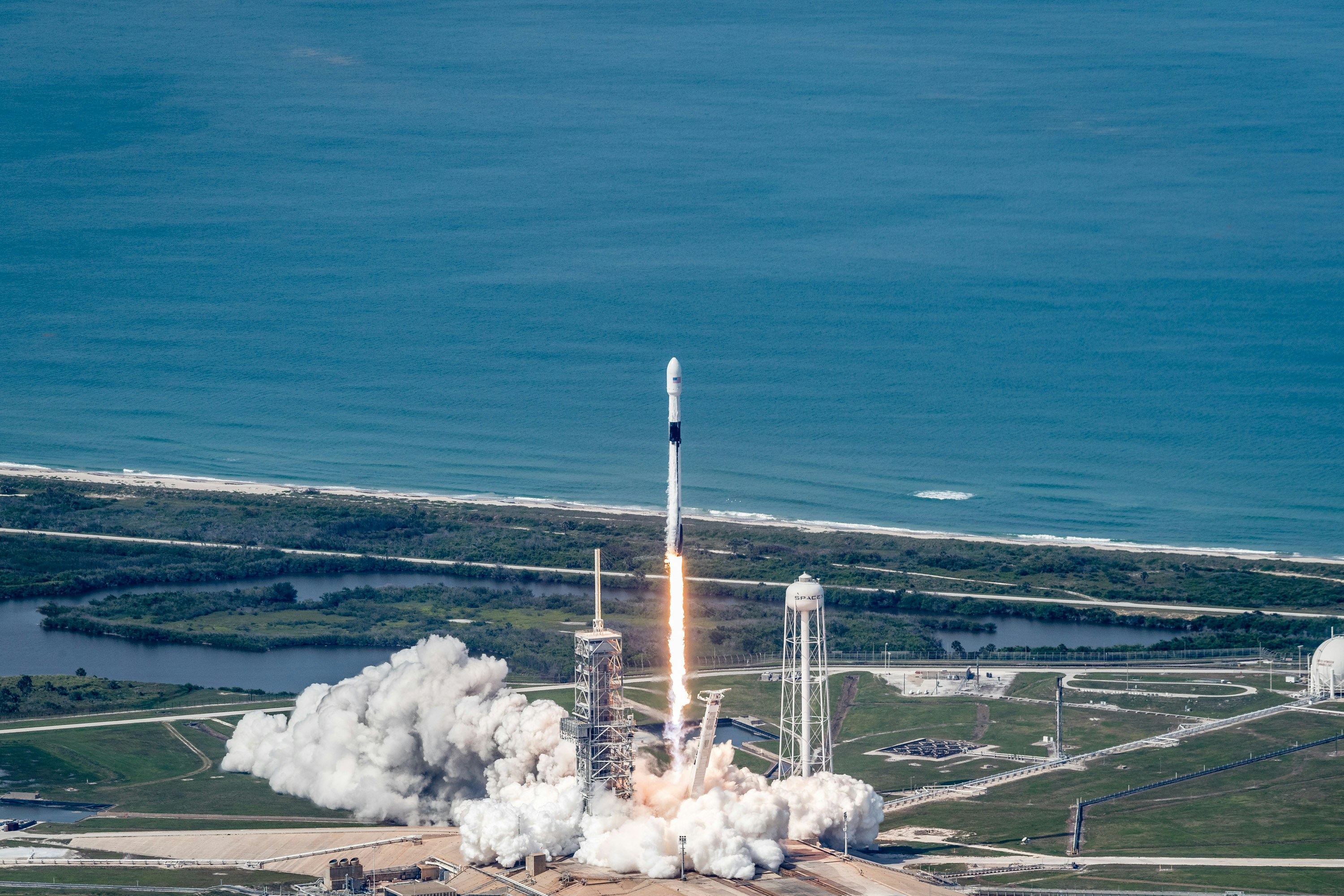
STARLINK-32763 Satellite Image
Additional Sources
Launch Details

Launch Date

January 21, 2025

Launch Pad

LC39A

Launch Vehicle

Falcon 9

Orbital Elements

NORAD ID

62750

International Designator

2025-014R

Epoch

Sun, 19 Jul 2026 20:35:40 GMT

Apogee

Calculating...

Perigee

Calculating...

Inclination

43.00°

Right Ascension

127.72°

Eccentricity

Calculating...

Argument of Perigee

246.69°

Period

94.27 min

Mean Motion

15.28 rev/day

Latitude

Calculating...

Longitude

Calculating...

Altitude

Calculating...

Velocity

Calculating...

Polar Plot
3D Visualization
Basic Satellite Info

Name

STARLINK-32763

Alternative Name

Starlink 32763

Type

Payload

Status

Operational

Owner

SPXS

Country

United States

Constellation

N/A

Related Satellites

Major Events

N/A

Latest TLEs
1 62750U 25014R   26200.85811113  .00008167  00000+0  30586-3 0  9996
2 62750  43.0005 127.7245 0001137 246.6889 113.3843 15.27592324 83472

Source: Celestrak

Summary
The satellite named STARLINK-32763 (OBJECT_ID: 2025-014R) is a Starlink V2M spacecraft operated by SpaceX (SPXS). It was launched on January 21, 2025, from LC39A at the AFETR launch site using a Falcon 9 rocket. The satellite has dimensions of 0.3 meters in length and 4.1 meters in diameter with a span of 29 meters, indicating large solar panels or antennas. Its dry mass is 700 kg, while its launch mass was 730 kg. The shape of the satellite is described as "Box + pan." It belongs to the Starlink Group 13-1-16 payload and is part of SpaceX's constellation mission.

Starlink is a satellite constellation developed by SpaceX with the aim of providing global broadband internet coverage. Thousands of small satellites are deployed in low Earth orbit (LEO), enabling high-speed internet access even in remote areas. However, the rapid increase in satellites raises concerns about space debris and the potential for collisions, which can lead to further debris creation and endanger other spacecraft. Additionally, the sheer number of Starlink satellites can affect astronomical observations by increasing light pollution. Proper deorbiting plans and international coordination are essential to mitigate these challenges and ensure long-term sustainability in space.
Physical Characteristics

Length

0.3

Diameter

4.1

Span

29

Dry Mass

700

Launch Mass

730

Shape

Box + pan

Radar Cross Section

Unknown

Visual Magnitude

Unknown

Color

Unknown

Material Composition

Unknown

Technical Details

Payload

Starlink Group 13-1-16

Purpose

Unknown

Mission

Unknown

Manufacturer

SPXS

Life Expectancy

Unknown

Bus

Starlink V2M

Configuration

Unknown

Motor

Unknown

Equipment

Unknown

Power System

Unknown

ADCS

Unknown

Transmitter Frequency

Unknown

Map
This tool will help you track the satellite's position and predict its upcoming passes over your location. Simply input the coordinates or click the geolocation button to get started.
Next Pass
Azimuth Elevation Time (Local)
Start Azimuth
Max Elevation
Stop Azimuth
Time Until
Pass Duration

Satellite Articles

View All Posts »

Learn more about satellites and other related topics.

Artemis II Rolls Out to Pad 39B, China Hit by Dual Launch Failures | KeepTrack Space Brief

Artemis II Rolls Out to Pad 39B, China Hit by Dual Launch Failures | KeepTrack Space Brief

Artemis II SLS/Orion rolls to Launch Complex 39B for first crewed lunar mission since 1972. China suffers dual launch failures on the same day. SpainSat NG 2 declared total loss from debris strike.
The Day Two Satellites Said Hello at 26,000 Miles Per Hour

The Day Two Satellites Said Hello at 26,000 Miles Per Hour

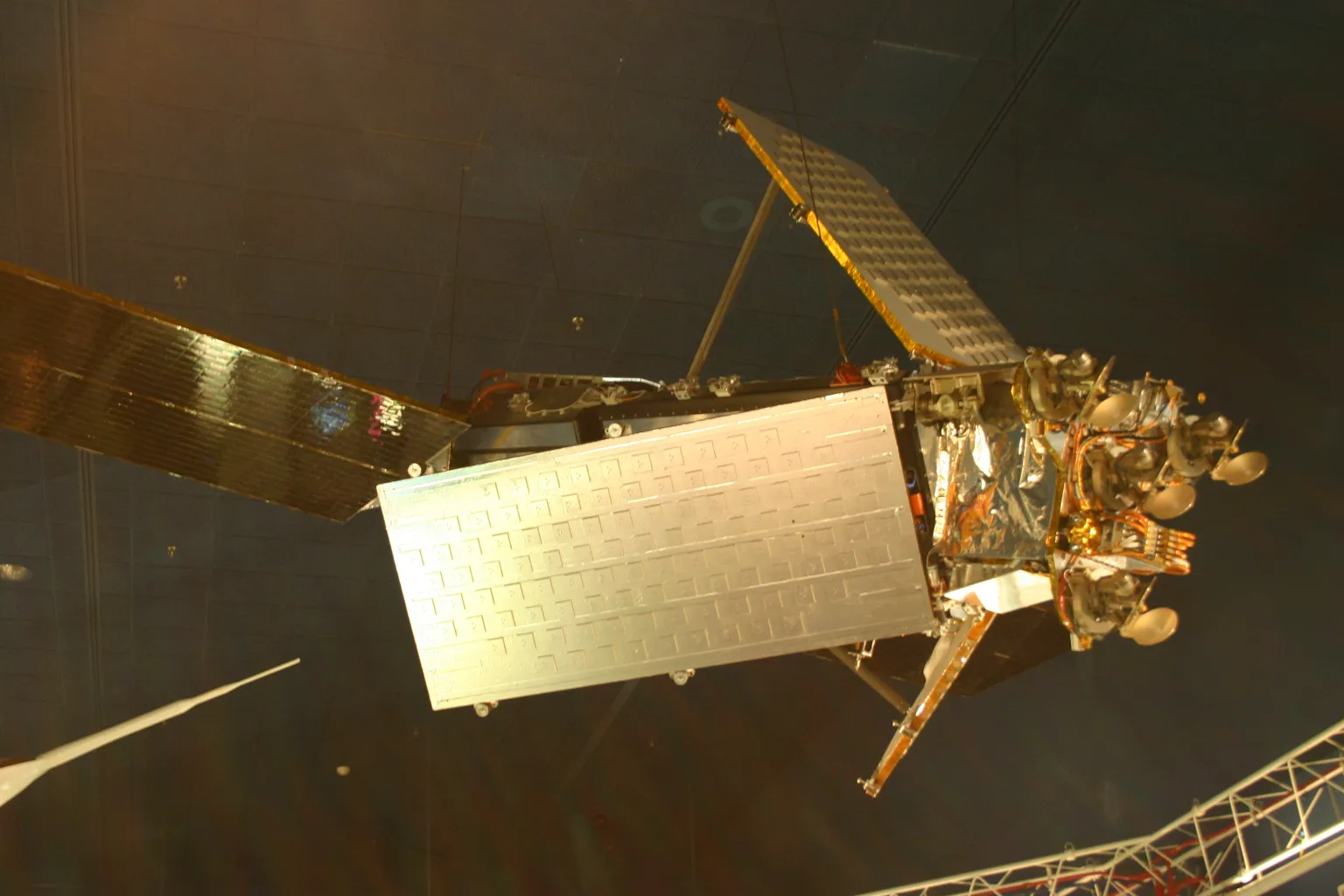
Seventeen years ago today, an operational American communications satellite and a dead Russian military relay crossed paths over Siberia. What happened next created more than 2,000 pieces of trackable debris - and fundamentally changed how the world thinks about space traffic.

X Report 2 Mar 2025

X Report 2 Mar 2025

Starship receives FAA approval for its next test flight, while SpaceX prepares to launch more Starlink satellites amidst reaching 5 million subscribers.

X Report 4 Nov 2025

X Report 4 Nov 2025

Tesla's Cybertruck fleet integrates with SpaceX operations at Starbase, showcasing synergy between Musk's companies.

Artemis 3 Schedule Slips With No Mission Plan From NASA | KeepTrack Space Brief

Artemis 3 Schedule Slips With No Mission Plan From NASA | KeepTrack Space Brief

NASA's Artemis 3 lunar landing mission schedule continues slipping over 2 months after revised plans announced, with no crew or surface activity details released publicly yet.

FAA Advances Approval for 44 Starship Launches From Pad 39A | KeepTrack X Report

FAA Advances Approval for 44 Starship Launches From Pad 39A | KeepTrack X Report

FAA advances environmental review for up to 44 Starship launches from Kennedy Space Center pad 39A. SpaceX wraps January with dual-coast Starlink launches. Crew-12 timeline tied to Artemis 2 schedule.

New Glenn Destroyed After USSF Awards Blue Origin Task Order | KeepTrack Space Brief

New Glenn Destroyed After USSF Awards Blue Origin Task Order | KeepTrack Space Brief

Blue Origin's New Glenn rocket exploded hours after USSF and NRO awarded national security launch contract. Impact on NSSL competition unclear.

The Day Humanity Broke Its Last Tether to Earth

The Day Humanity Broke Its Last Tether to Earth

Forty-one years ago, astronaut Bruce McCandless II became the first human to float completely free in space, pushing the boundaries of both technology and human courage