


Astroscale Taps Isar for ELSA-M Debris Mission | KeepTrack Space Brief
Astroscale selects Isar Aerospace to launch ELSA-M, a commercial deorbit mission targeting defunct satellites in LEO. Over 20,000 trackable debris objects now in orbit.



Launch Date
January 21, 2025
Launch Site
Launch Pad
LC39A
Launch Vehicle
NORAD ID
62744
International Designator
2025-014K
Epoch
Mon, 20 Jul 2026 04:46:08 GMT
Apogee
Calculating...
Perigee
Calculating...
Inclination
43.00°
Right Ascension
129.45°
Eccentricity
Calculating...
Argument of Perigee
280.88°
Period
94.27 min
Mean Motion
15.28 rev/day
Latitude
Calculating...
Longitude
Calculating...
Altitude
Calculating...
Velocity
Calculating...
Name
STARLINK-32758
Alternative Name
Starlink 32758
Type
Status
Owner
SPXS
Country
United States
Constellation
N/A
Related Satellites
Major Events
N/A
1 62744U 25014K 26201.19870418 .00013108 00000+0 48514-3 0 9991
2 62744 43.0017 129.4499 0001539 280.8822 79.1856 15.27571881 83480
Source: Celestrak
Length
0.3
Diameter
4.1
Span
29
Dry Mass
700
Launch Mass
730
Shape
Box + pan
Radar Cross Section
Unknown
Visual Magnitude
Unknown
Color
Unknown
Material Composition
Unknown
Payload
Starlink Group 13-1-10
Purpose
Unknown
Mission
Unknown
Manufacturer
SPXS
Life Expectancy
Unknown
Bus
Starlink V2M
Configuration
Unknown
Motor
Unknown
Equipment
Unknown
Power System
Unknown
ADCS
Unknown
Transmitter Frequency
Unknown
Learn more about satellites and other related topics.
Astroscale selects Isar Aerospace to launch ELSA-M, a commercial deorbit mission targeting defunct satellites in LEO. Over 20,000 trackable debris objects now in orbit.
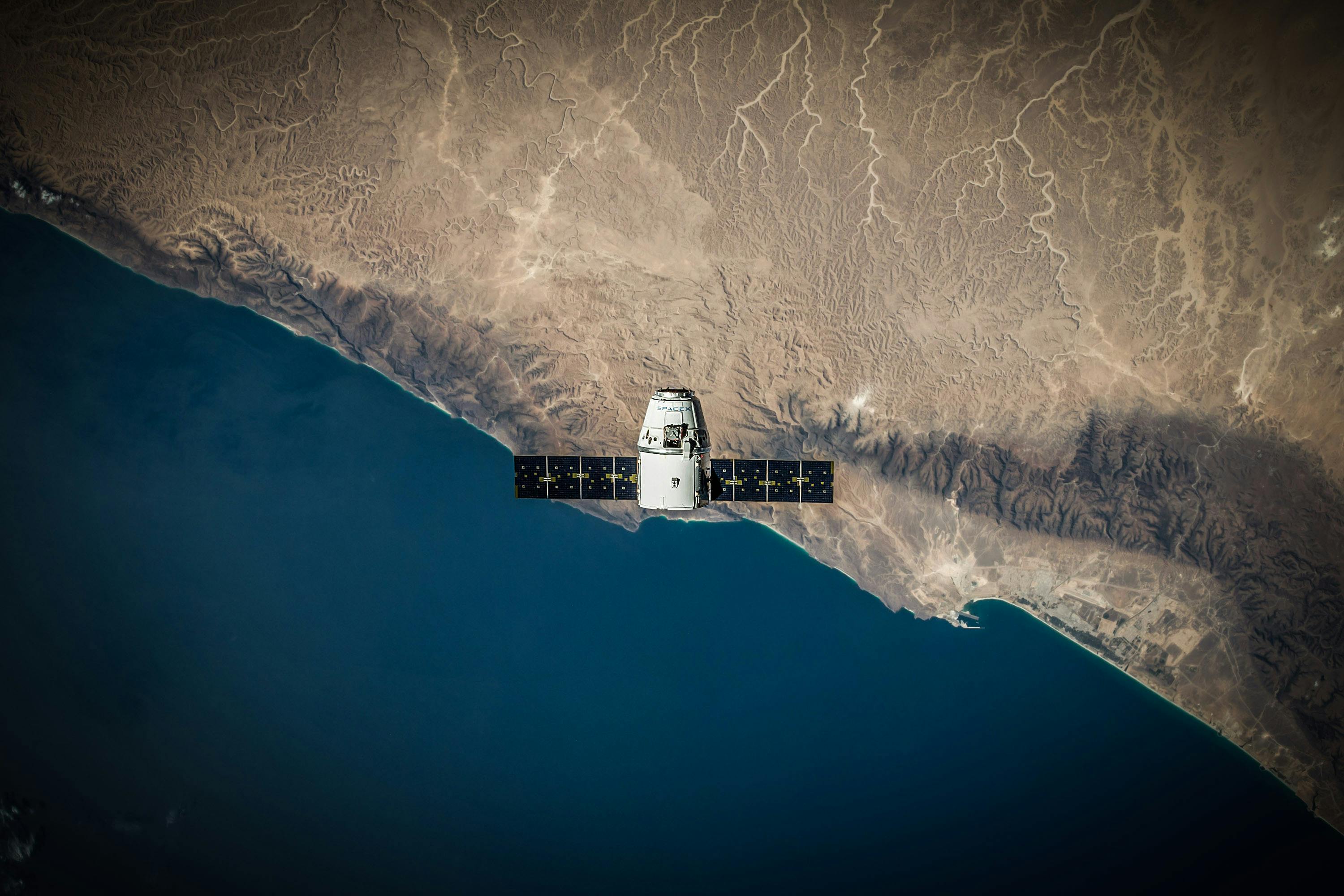
SpaceX ramps up Starship preparations in Florida while California prepares for another Starlink launch.
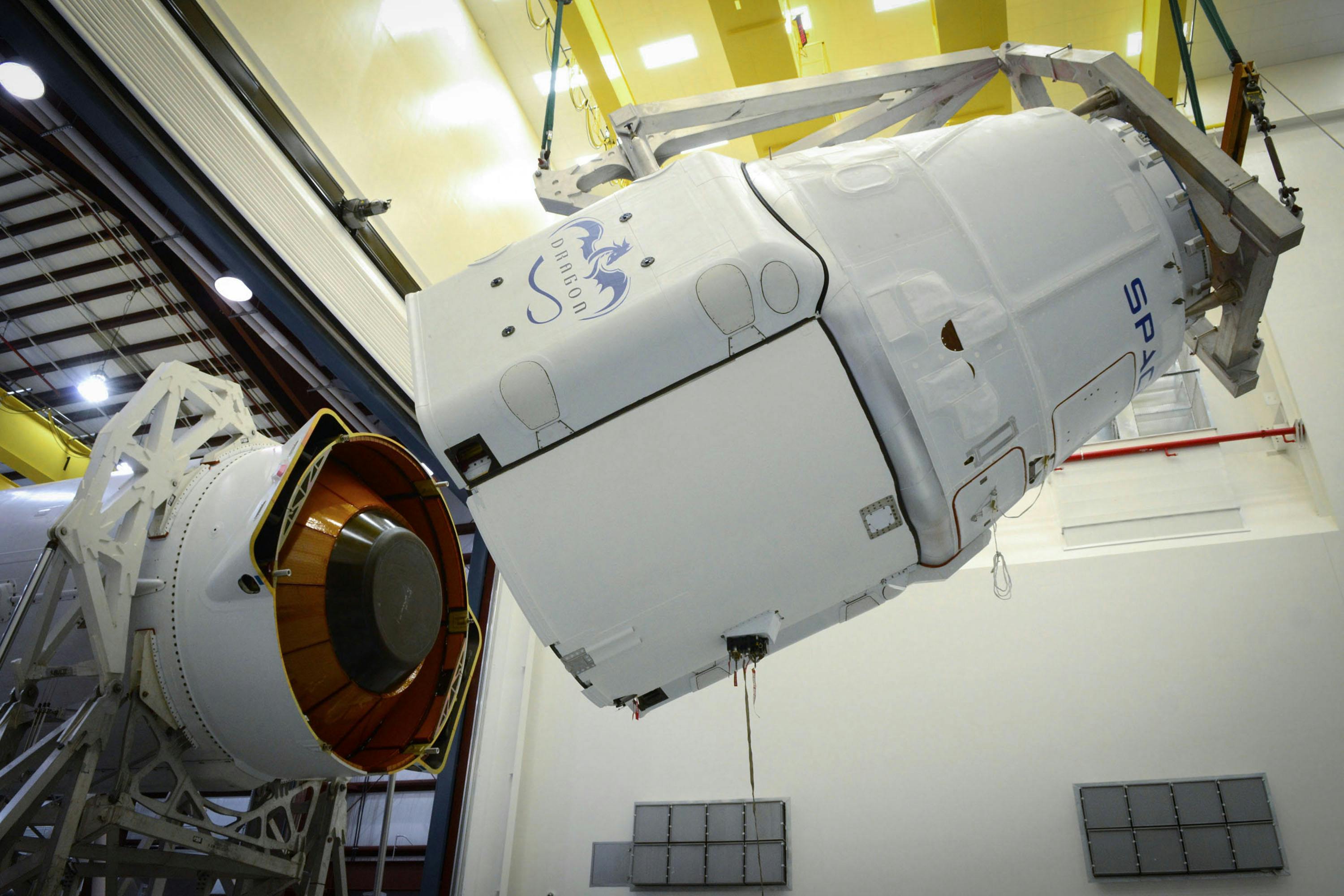
SpaceX's Starlink dish offers gigabit speeds, boosting competitiveness; NRO taps SpaceX for satellite launches, expanding spy satellite network.
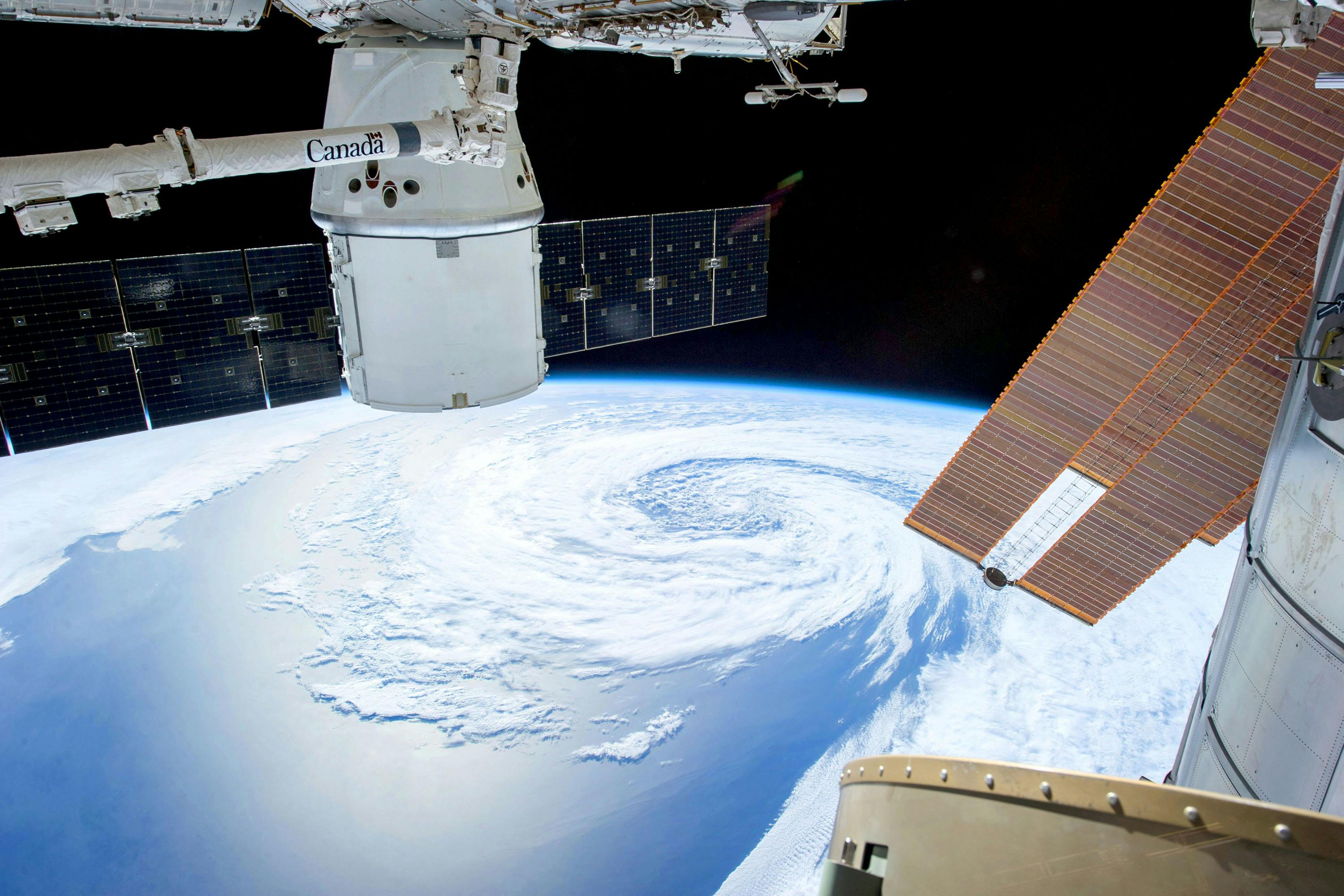
SpaceX successfully launched 28 Starlink satellites from Florida, marking another milestone for their ongoing deployment efforts.
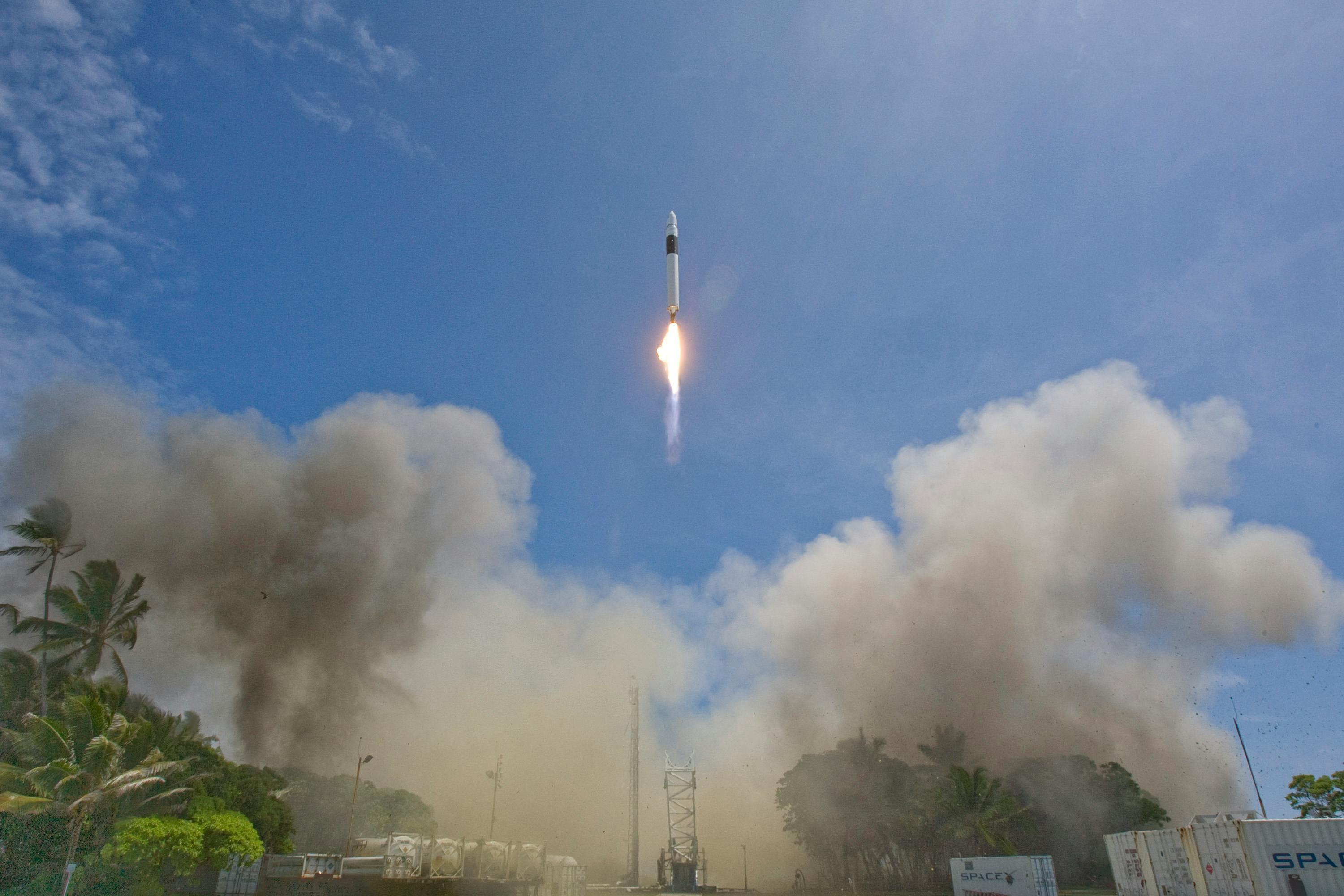
SpaceX celebrates significant milestones with its Starship preparations, approaches a landmark Falcon booster landing, and enhances the ISS orbit with Dragon technology.
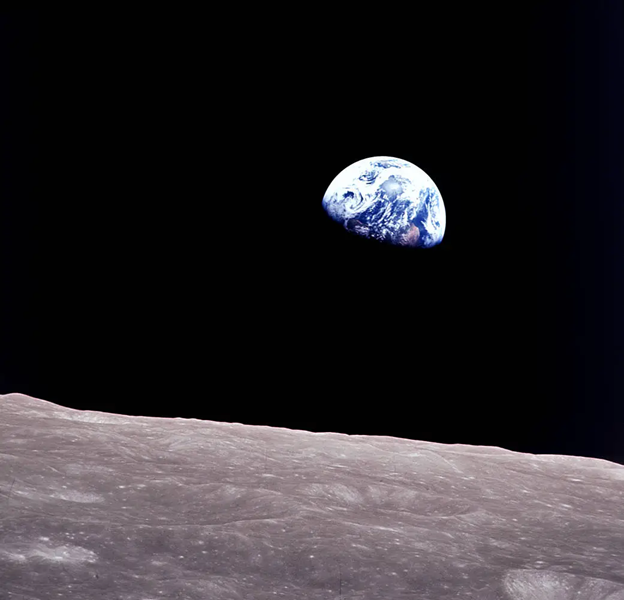
For 56 years, April 22 has been the day the world stops to look at itself. Before that was possible, someone had to invent the view. This is the story of how we first saw Earth from the outside, from a crashed V-2 camera in the New Mexico desert to the Blue Marble that still hangs on classroom walls.

Discover the history and significance of Two-Line Element Sets (TLEs) in satellite tracking. Dive into their components, applications, and how they are evolving to meet future space challenges.
Today's brief covers SES's satellite orchestration, SpaceX's defense role, cyber scorecards in DoD, and more.