


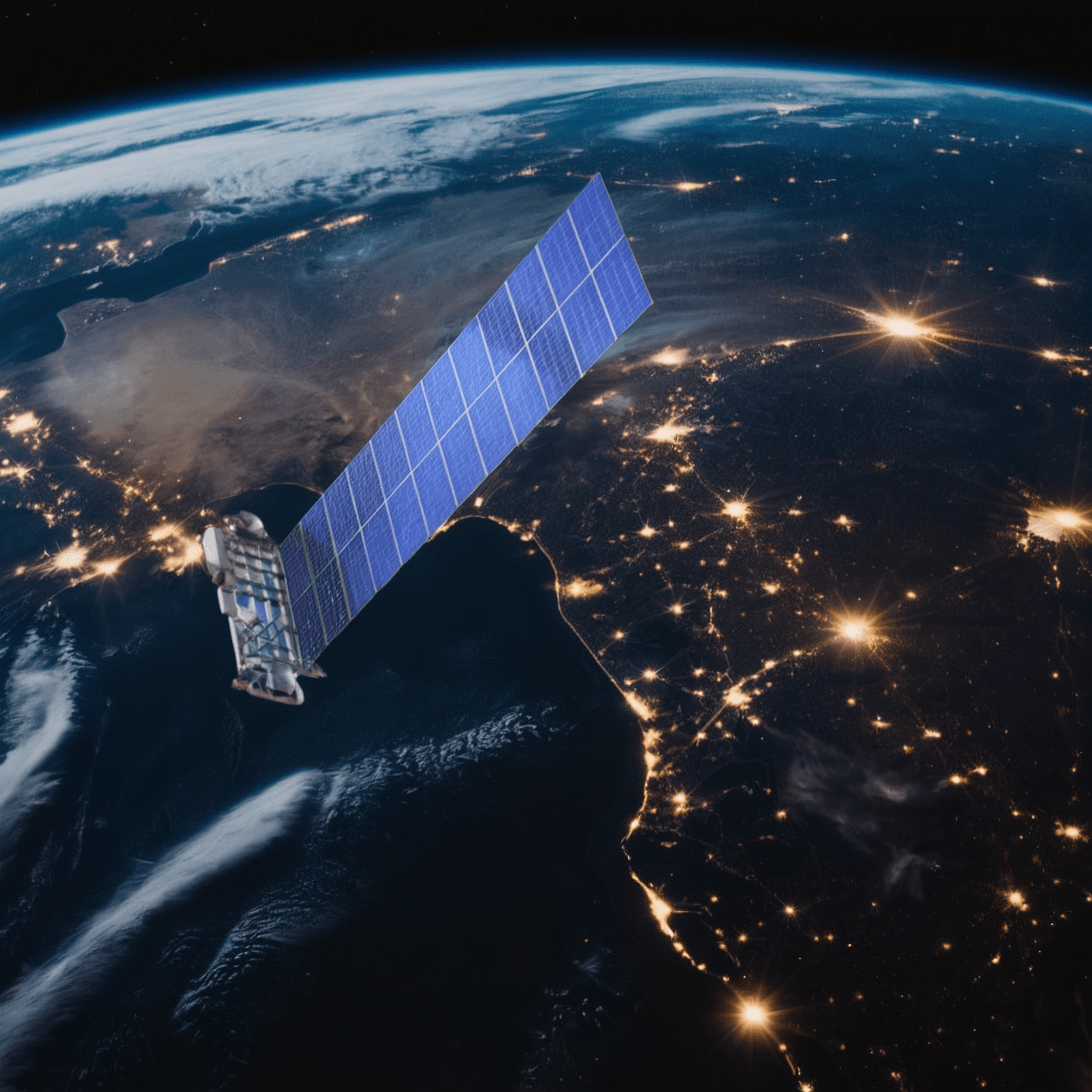
Amazon vs SpaceX and the Battle for the Best Satellite Internet Service
SpaceX and Amazon Are Playing for Keeps to Control Satellite Broadband and Connect the World. But Is There Room for Both in the Orbit?



Launch Date
January 21, 2025
Launch Site
Launch Pad
LC39A
Launch Vehicle
NORAD ID
62735
International Designator
2025-014A
Epoch
Sun, 19 Jul 2026 19:47:47 GMT
Apogee
Calculating...
Perigee
Calculating...
Inclination
43.00°
Right Ascension
128.34°
Eccentricity
Calculating...
Argument of Perigee
268.96°
Period
94.27 min
Mean Motion
15.28 rev/day
Latitude
Calculating...
Longitude
Calculating...
Altitude
Calculating...
Velocity
Calculating...
Name
STARLINK-32806
Alternative Name
Starlink 32806
Type
Status
Owner
SPXS
Country
United States
Constellation
N/A
Related Satellites
Major Events
N/A
1 62735U 25014A 26200.82485316 .00007311 00000+0 27484-3 0 9991
2 62735 42.9976 128.3438 0000884 268.9594 91.1156 15.27588965 83464
Source: Celestrak
Length
0.3
Diameter
4.1
Span
29
Dry Mass
700
Launch Mass
730
Shape
Box + pan
Radar Cross Section
Unknown
Visual Magnitude
Unknown
Color
Unknown
Material Composition
Unknown
Payload
Starlink Group 13-1-01
Purpose
Unknown
Mission
Unknown
Manufacturer
SPXS
Life Expectancy
Unknown
Bus
Starlink V2M
Configuration
Unknown
Motor
Unknown
Equipment
Unknown
Power System
Unknown
ADCS
Unknown
Transmitter Frequency
Unknown
Learn more about satellites and other related topics.
SpaceX and Amazon Are Playing for Keeps to Control Satellite Broadband and Connect the World. But Is There Room for Both in the Orbit?
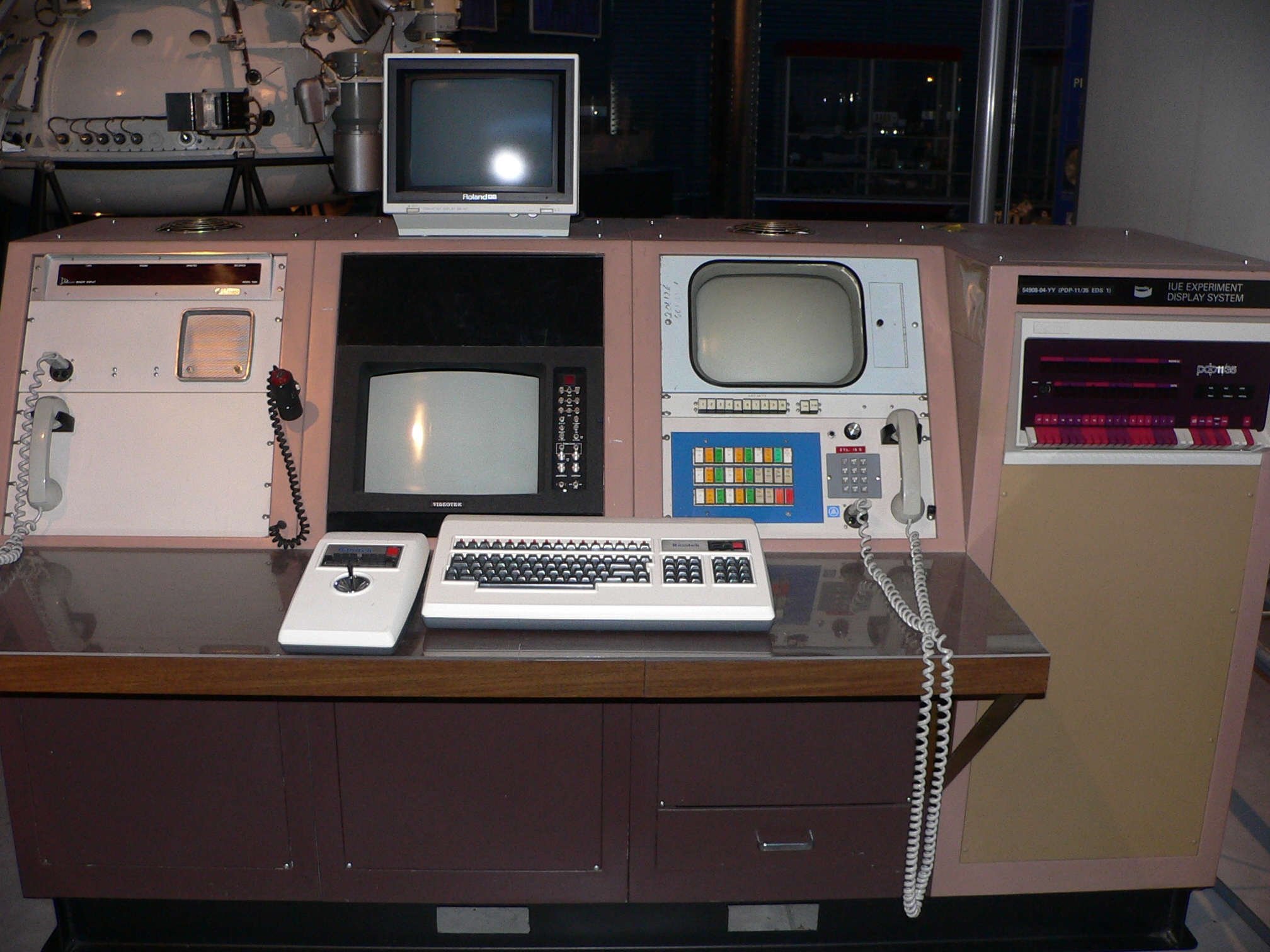
Forty-seven years ago, a revolutionary space telescope changed our view of the cosmos, pioneering international cooperation in space-based astronomy

Today's Space Brief covers significant satellite launches by SpaceX, an automated collision avoidance system development, Rocket Lab's strategic acquisition, and the rise of corporate-named satellites in orbit.

Congress passes FY2026 spending bill reinstating NASA funding. Slingshot Aerospace wins $27M Space Force contract for AI satellite training. Portal Space selects Atomic-6 debris shield for 2026 mission.
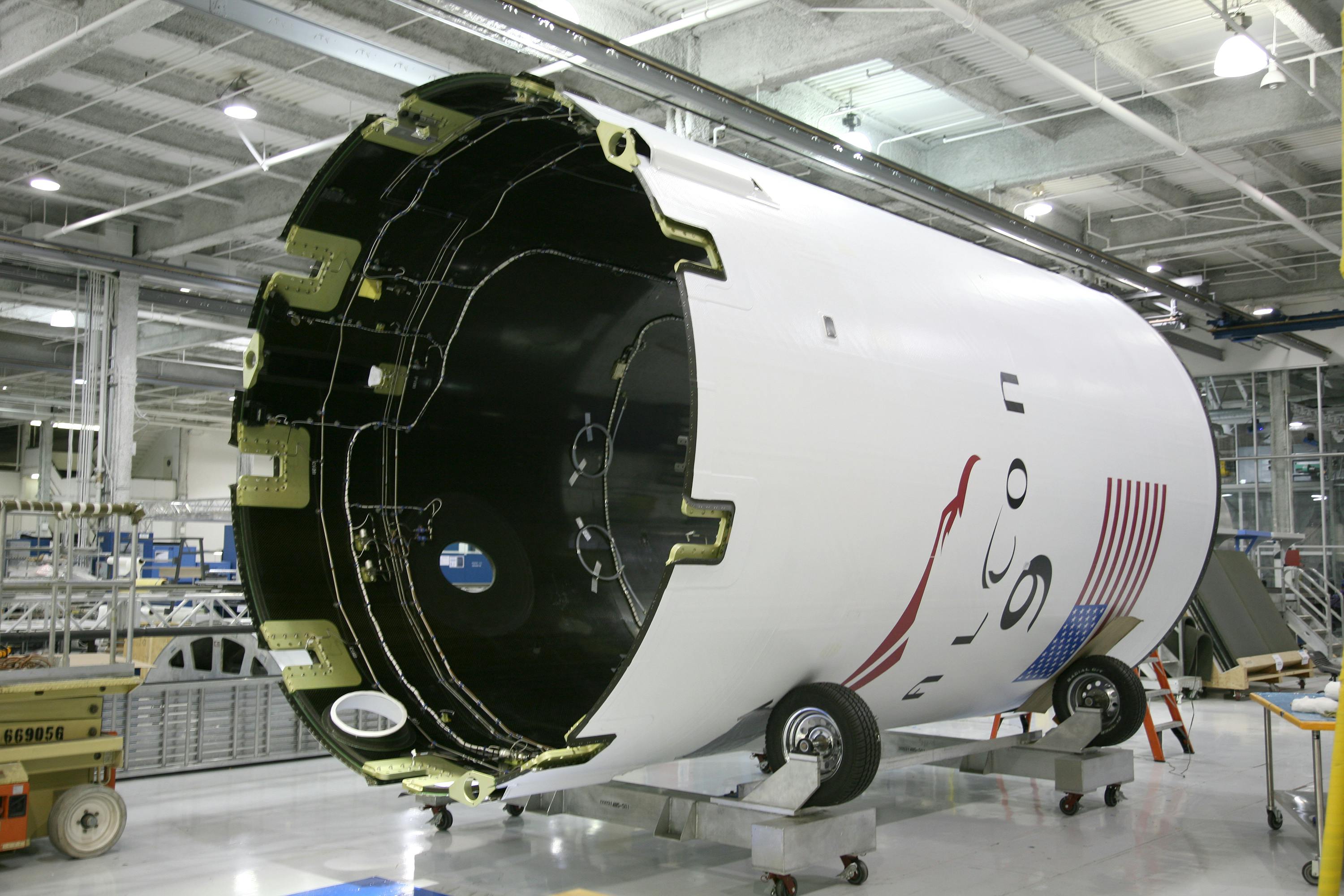
SpaceX successfully launched 28 Starlink satellites from Florida, marking a significant milestone in their deployment strategy. This follows the recent launch of 26 satellites from California, highlighting ongoing expansion efforts.
Today's highlights include Firefly's acquisition of SciTec, DARPA's vision for a moon economy, and ESA's new deep space antenna in Australia. Stay updated on the latest in space intelligence and defense technology transformations, plus noteworthy rogue planet phenomena.

Today's briefing covers a significant hypersonic missile launch by the U.S. Army, the declassification of spy satellite photos aiding demining efforts, and the deployment of cutting-edge research payloads to the ISS.
Today's Space Brief covers a crucial weather data decision by the U.S. Defense Department, an innovative power supply for aerospace systems, advancements in satellite link technology, and Norway's maritime surveillance. AI/ML tools for airspace management and concerns about defense testing capabilities are also highlighted.