


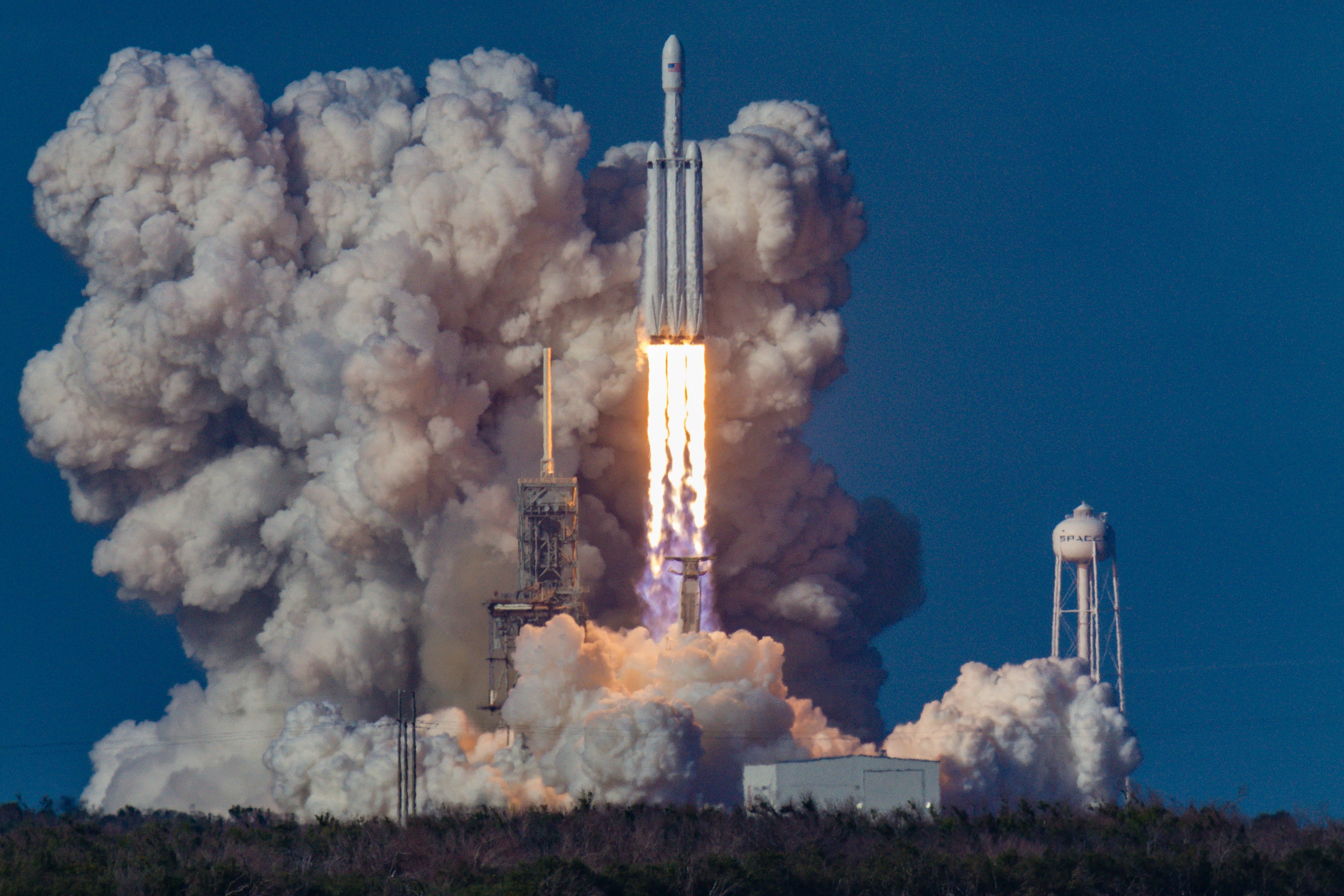
Falcon Heavy Returns After 18-Month Hiatus, Lofts ViaSat-3 F3 | KeepTrack X Report
Falcon Heavy completed its 12th flight ever on April 29, ending an 18-month stand-down by lofting the 6-ton ViaSat-3 F3 comsat to GTO.


Launch Date
January 17, 2025
Launch Site
Jiuquan Satellite Launch Center
Launch Pad
LC43/94
Launch Vehicle
Long March 2D
NORAD ID
62726
International Designator
2025-012B
Epoch
Sun, 19 Jul 2026 18:10:54 GMT
Apogee
Calculating...
Perigee
Calculating...
Inclination
97.42°
Right Ascension
273.37°
Eccentricity
Calculating...
Argument of Perigee
153.52°
Period
94.65 min
Mean Motion
15.21 rev/day
Latitude
Calculating...
Longitude
Calculating...
Altitude
Calculating...
Velocity
Calculating...
Name
Tianlu-1
Alternative Name
Tianlu-1
Type
Status
Owner
GalaxySpace
Country
China
Constellation
N/A
Related Satellites
Major Events
Successfully launched on January 17, 2025, and entered its preset orbit to begin atmospheric data collection.
1 62726U 25012B 26200.75757007 .00002394 00000+0 10948-3 0 9993
2 62726 97.4216 273.3692 0009838 153.5244 206.6496 15.21472054 83205
Source: Celestrak
Length
0.7
Diameter
1
Span
2
Dry Mass
100
Launch Mass
100
Shape
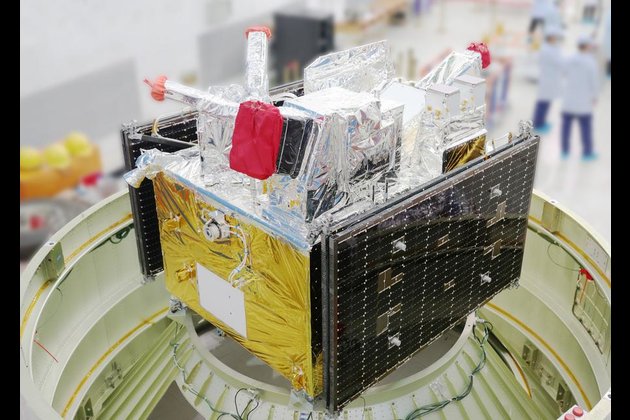
Box with deployable solar panels
Radar Cross Section
0.5
Visual Magnitude
6
Color
Silver with black solar panels
Material Composition
Aluminum alloy structure with composite materials for specific components.
Payload
Advanced atmospheric sounding instruments
Purpose
Scientific research focused on atmospheric studies, including data collection to improve weather forecasting, space weather research, and climate change studies.
Mission
To conduct limb-sounding detection of the middle and upper atmosphere, providing high-resolution vertical profiles of temperature, atmospheric composition, density, and wind field vectors to enhance understanding of atmospheric processes.
Manufacturer
GalaxySpace
Life Expectancy
Designed for an operational period sufficient to conduct comprehensive atmospheric studies; specific mission duration not publicly disclosed.
Bus
Tianlu
Configuration
Unknown
Motor
Unknown
Equipment
Advanced scientific instruments designed for limb-sounding detection of the middle and upper atmosphere, capable of measuring temperature, atmospheric composition, density, and wind field vectors.
Power System
Equipped with solar panels to generate electrical power for its instruments and operations.
ADCS
Three-axis stabilization
Transmitter Frequency
X-band for data transmission
Learn more about satellites and other related topics.
Falcon Heavy completed its 12th flight ever on April 29, ending an 18-month stand-down by lofting the 6-ton ViaSat-3 F3 comsat to GTO.
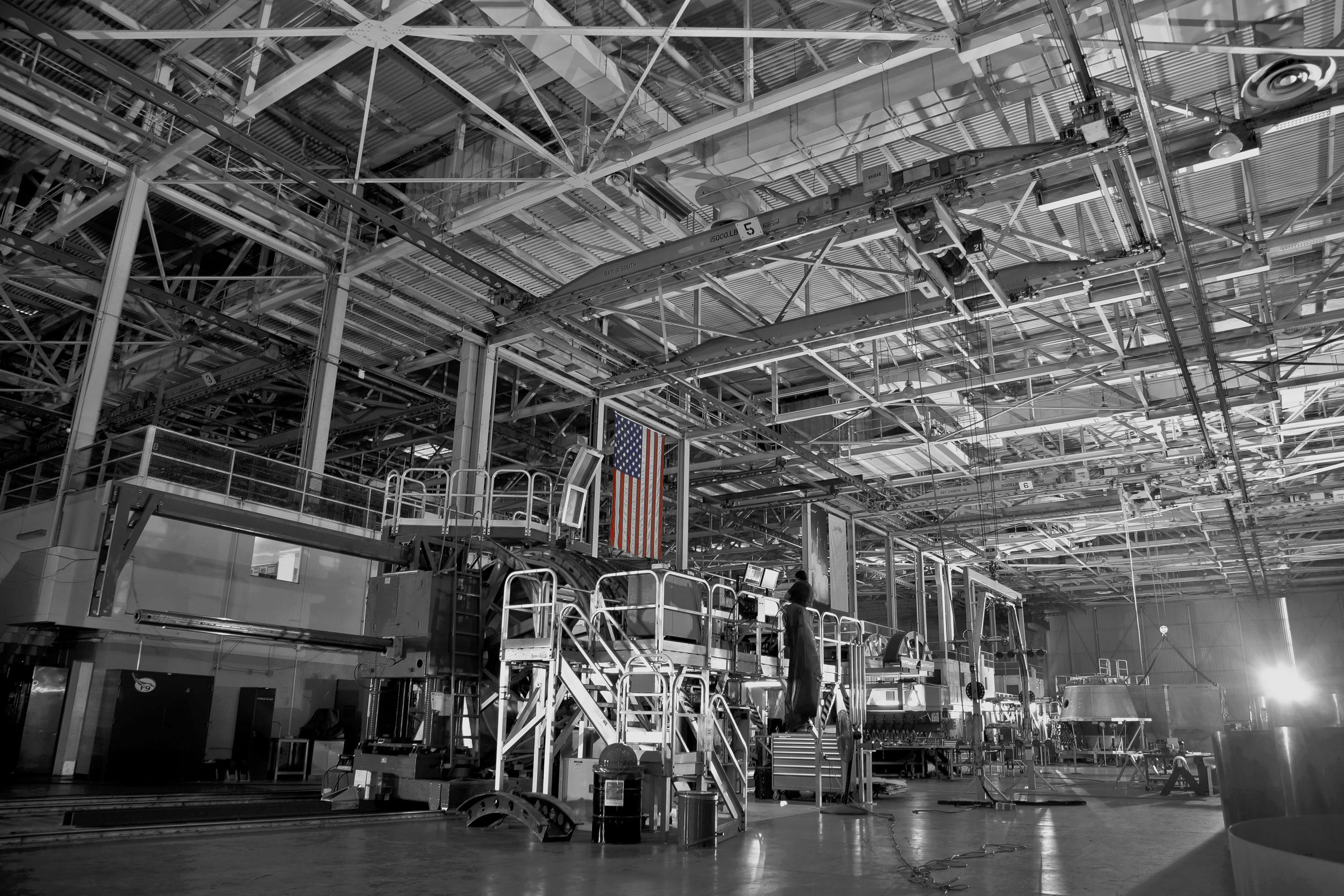
SpaceX successfully launched 21 military satellites, marking a key achievement in national security efforts, while preparations continue for the upcoming NASA mission and insights emerge from the Starship development process.
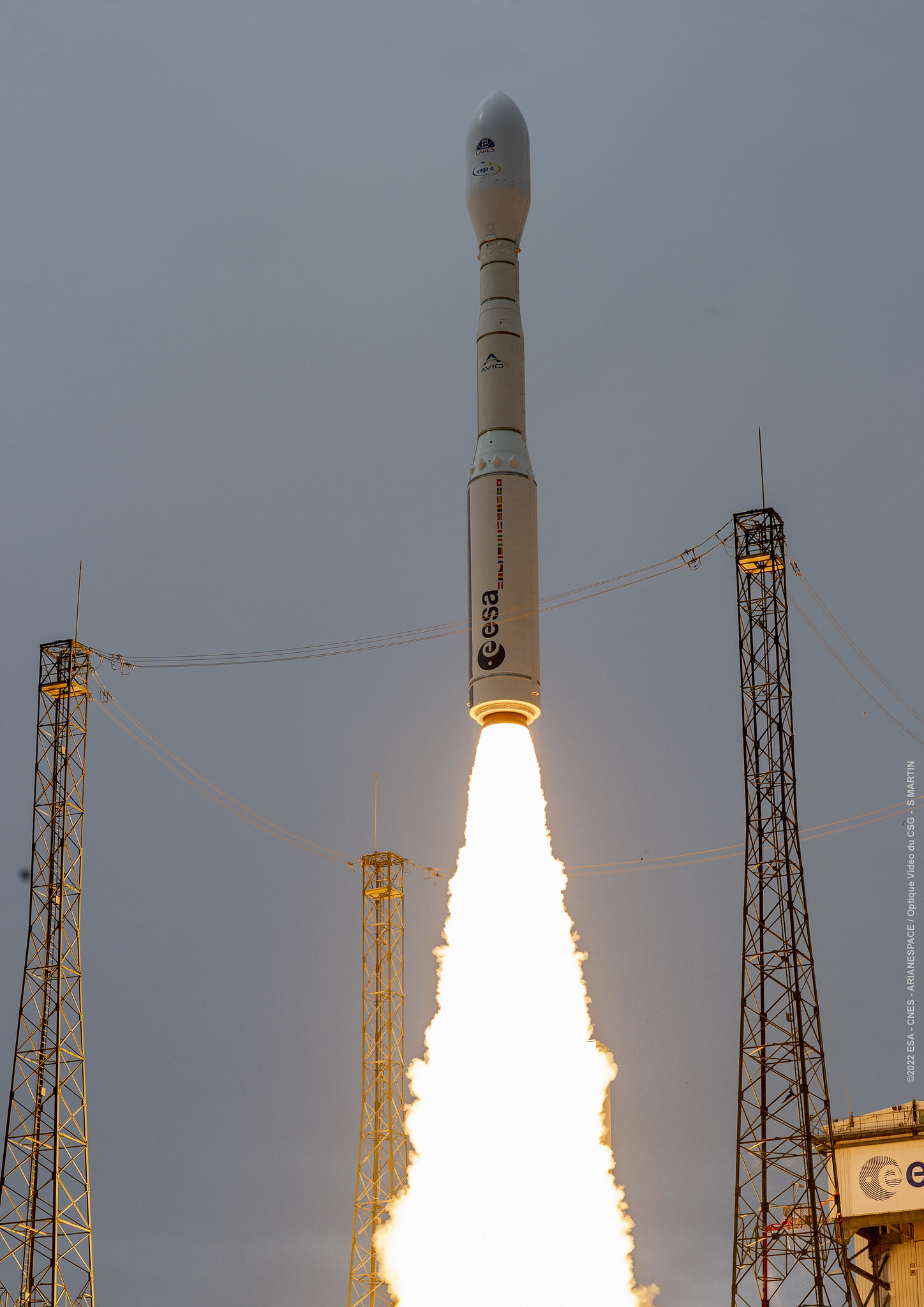
NASA's Artemis 3 lunar landing mission schedule continues slipping over 2 months after revised plans announced, with no crew or surface activity details released publicly yet.
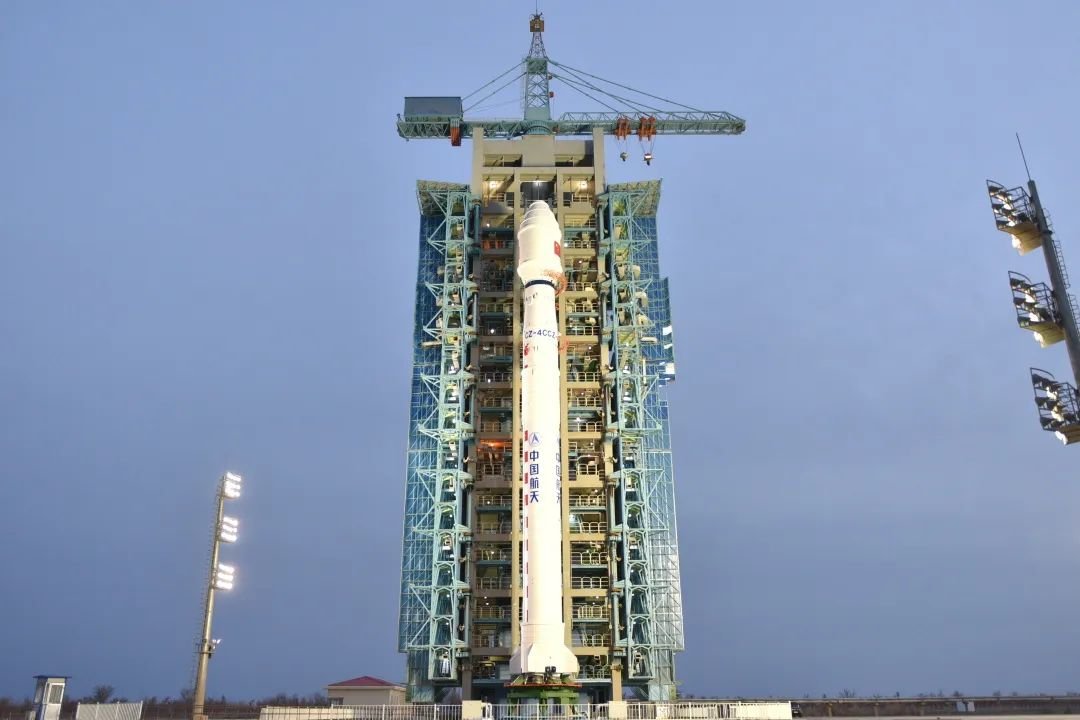
Discover the latest in satellite technology with the launch of the world's first wooden satellite, new test materials for the ISS, and significant developments in orbital space debris.
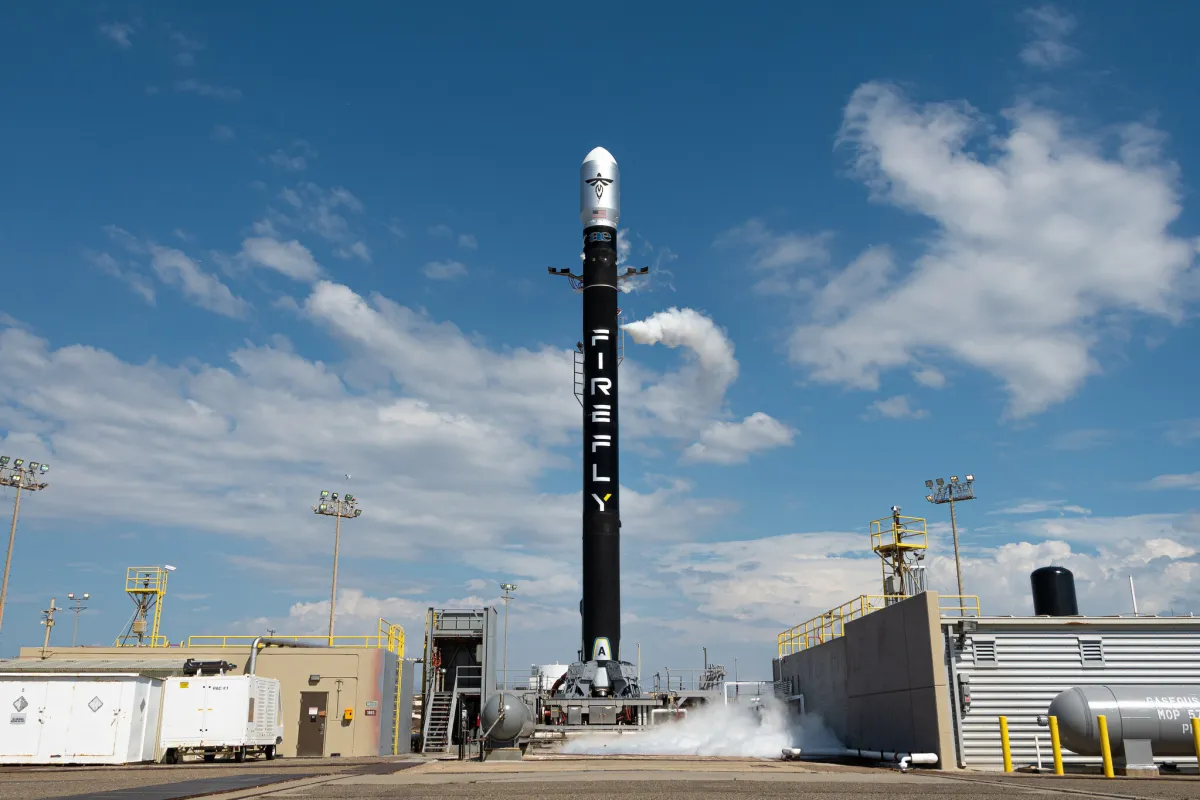
Explore exciting updates on satellite reentries impacting Earth's atmosphere, China's ambitious space exploration plans, and the latest advancements in the search for extraterrestrial life.

Today's highlights include ExoMars' successful parachute test, developments in military satellite systems, and leadership changes at NASA Goddard.

SpaceX embarks on another milestone as it prepares to launch an advanced GPS satellite for the U.S. Space Force today, aiming for a record 170 launches this year.
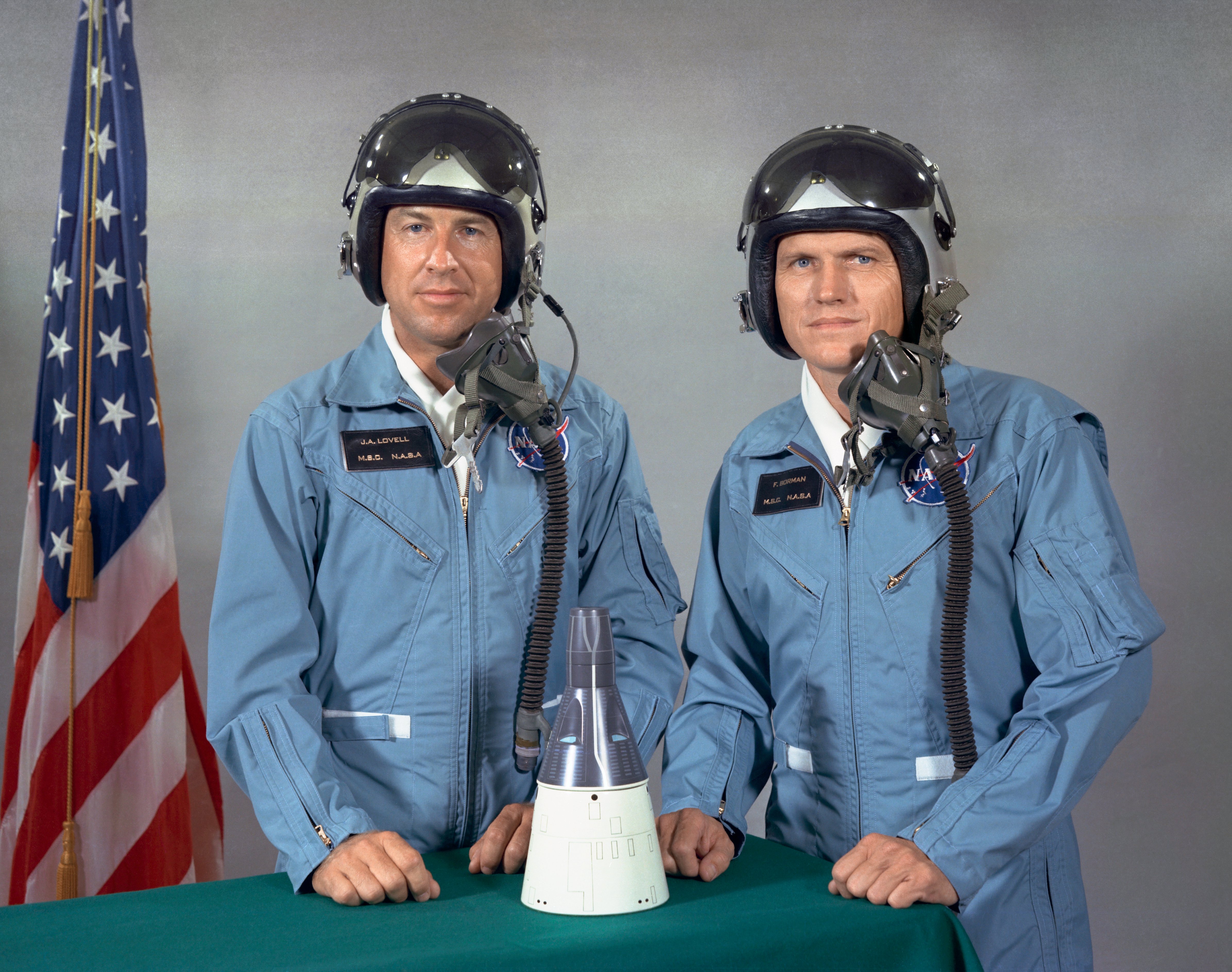
Sixty years ago, Frank Borman and James Lovell launched aboard Gemini 7 for a grueling 14-day mission that would prove humans could endure the journey to the moon and achieve the first true rendezvous in space