


X Report 6 Feb 2025
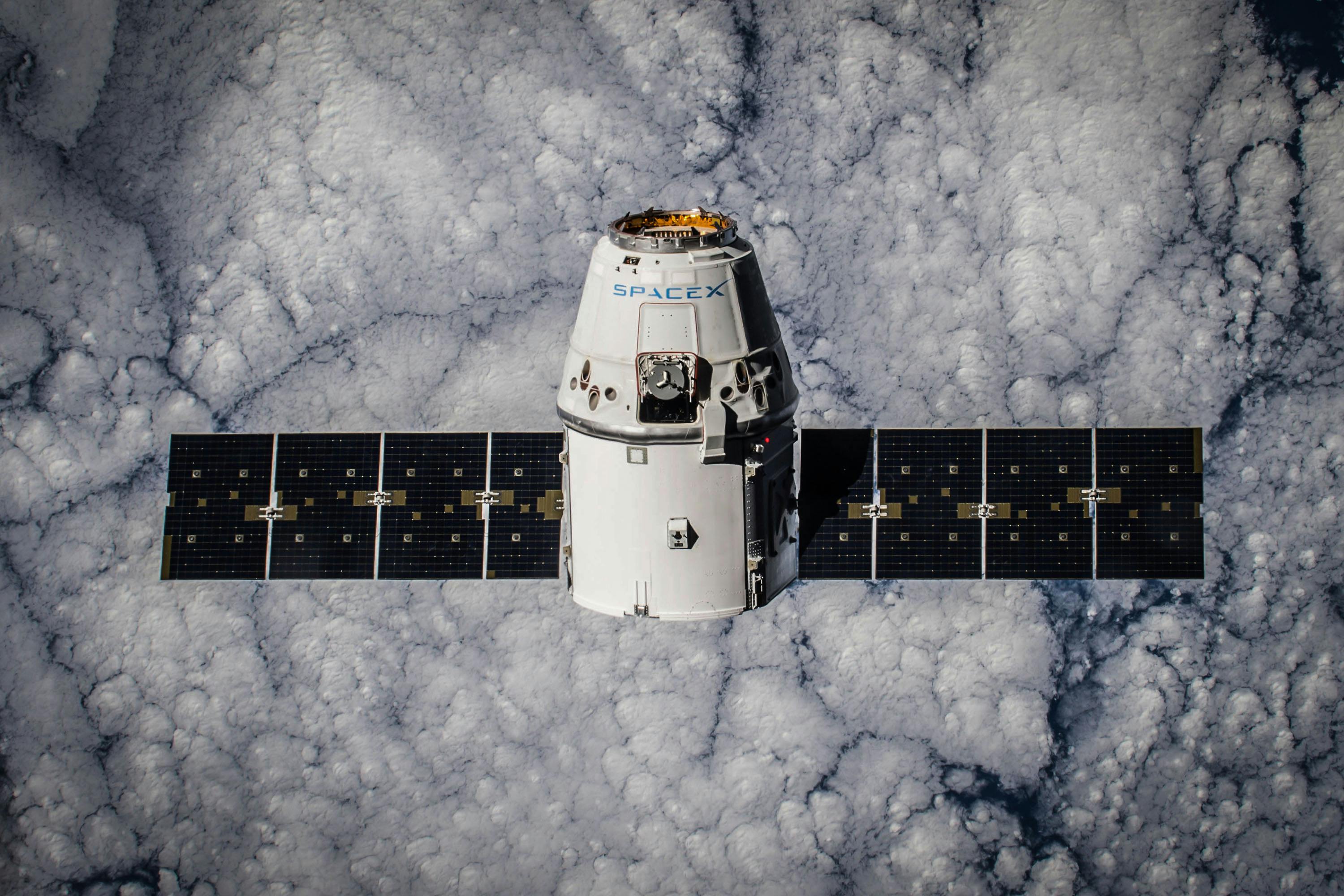
SpaceX prepares for a new cargo-return mission with Atmos, deploys imaging satellites, and gears up for Axiom-4 private astronaut launch.


Launch Date
January 17, 2025
Launch Site
Jiuquan Satellite Launch Centre
Launch Pad
LC43/94
Launch Vehicle
Chang Zheng 2D
NORAD ID
62725
International Designator
2025-012A
Epoch
Sun, 19 Jul 2026 19:52:52 GMT
Apogee
Calculating...
Perigee
Calculating...
Inclination
97.42°
Right Ascension
272.65°
Eccentricity
Calculating...
Argument of Perigee
133.36°
Period
94.88 min
Mean Motion
15.18 rev/day
Latitude
Calculating...
Longitude
Calculating...
Altitude
Calculating...
Velocity
Calculating...
Name
PRSC-EO1
Alternative Name
EO-1
Type
Status
Owner
SUPARCO
Country
Pakistan
Constellation
N/A
Related Satellites
Major Events
Successfully launched on January 17, 2025, from China's Jiuquan Satellite Launch Centre
1 62725U 25012A 26200.82839006 .00003307 00000+0 16753-3 0 9995
2 62725 97.4209 272.6476 0007099 133.3602 226.8224 15.17652955 83140
Source: Celestrak
Length
2
Diameter
1.5
Span
8
Dry Mass
500
Launch Mass
500
Shape
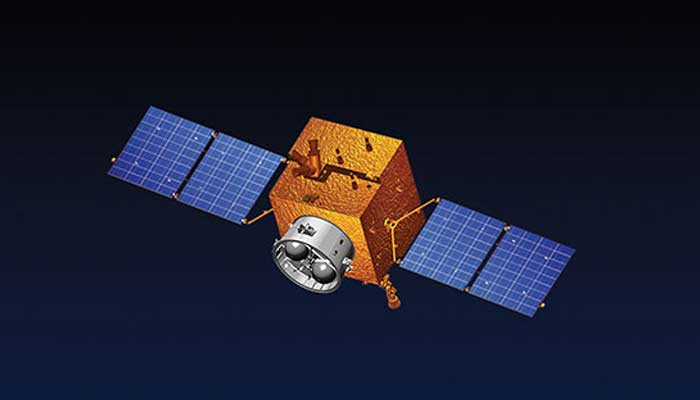
Box with deployable solar panels
Radar Cross Section
0.5
Visual Magnitude
6
Color
White with national insignia
Material Composition
Aluminum alloy structure with composite materials
Payload
Electro-Optical imaging system
Purpose
To enhance capabilities in natural resource monitoring, disaster management, and urban planning
Mission
Earth observation for resource management, disaster monitoring, and urban planning
Manufacturer
SUPARCO
Life Expectancy
Designed for a mission life of 5 years
Bus
PRSC-EO
Configuration
Earth Observation Satellite
Motor
Unknown
Equipment
High-resolution optical payload for Earth observation
Power System
Solar panels providing necessary power for operations
ADCS
Three-axis stabilization
Transmitter Frequency
X-band for data transmission
Learn more about satellites and other related topics.
SpaceX prepares for a new cargo-return mission with Atmos, deploys imaging satellites, and gears up for Axiom-4 private astronaut launch.
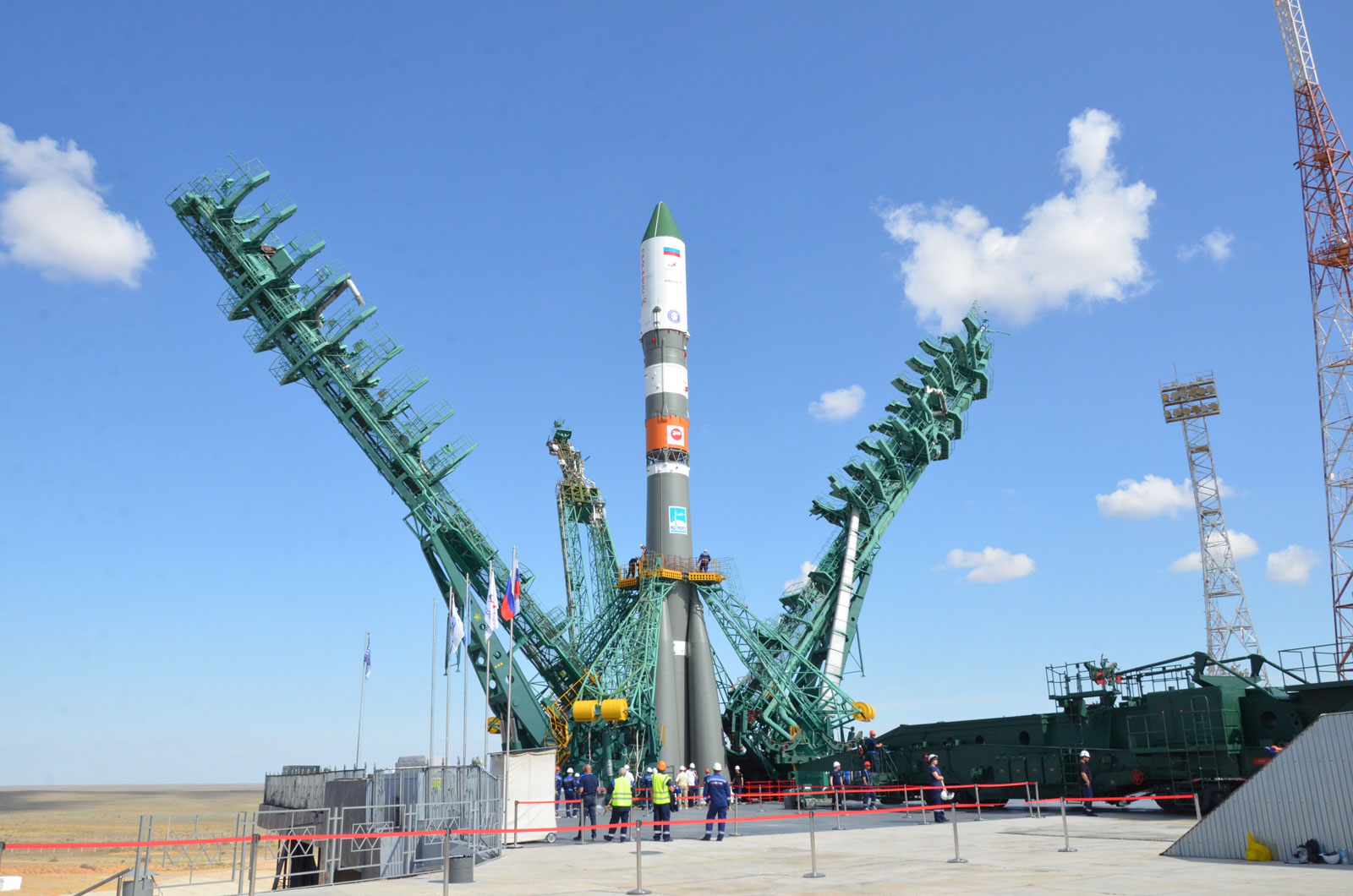
Today's highlights include the debut of a new Chinese rocket, a successful Starlink launch, and concerns about Artemis 3. We also cover DoD developments and a notable SpaceX milestone.

Today's brief covers a groundbreaking national security mission for ULA's Vulcan, NASA's collaboration with LeoLabs for enhanced collision avoidance, and SEOPS' new satellite tracking services, among other key developments.

Starship Flight 13 launches first Starlink V3 satellites as SpaceX nears 10,839 working satellites in orbit across the Starlink fleet.
SpaceX makes significant strides with Starship Flight Test 10 approved and updates on the new Starbase pad design.

Today's Space Brief delves into military satellite advancements and significant contract awards for space platforms, alongside pivotal European missile warning systems.
FCC approves 7,500 additional Starlink Gen2 satellites. Space Force awards SpaceX $739M for nine national security launches. NASA plans Crew-11 medical evacuation from ISS on January 14.

ULA's Vulcan remains grounded after February in-flight GEM 63XL booster anomaly. Northrop Grumman completed successful static fire test, but investigation ongoing with no return-to-flight date.