


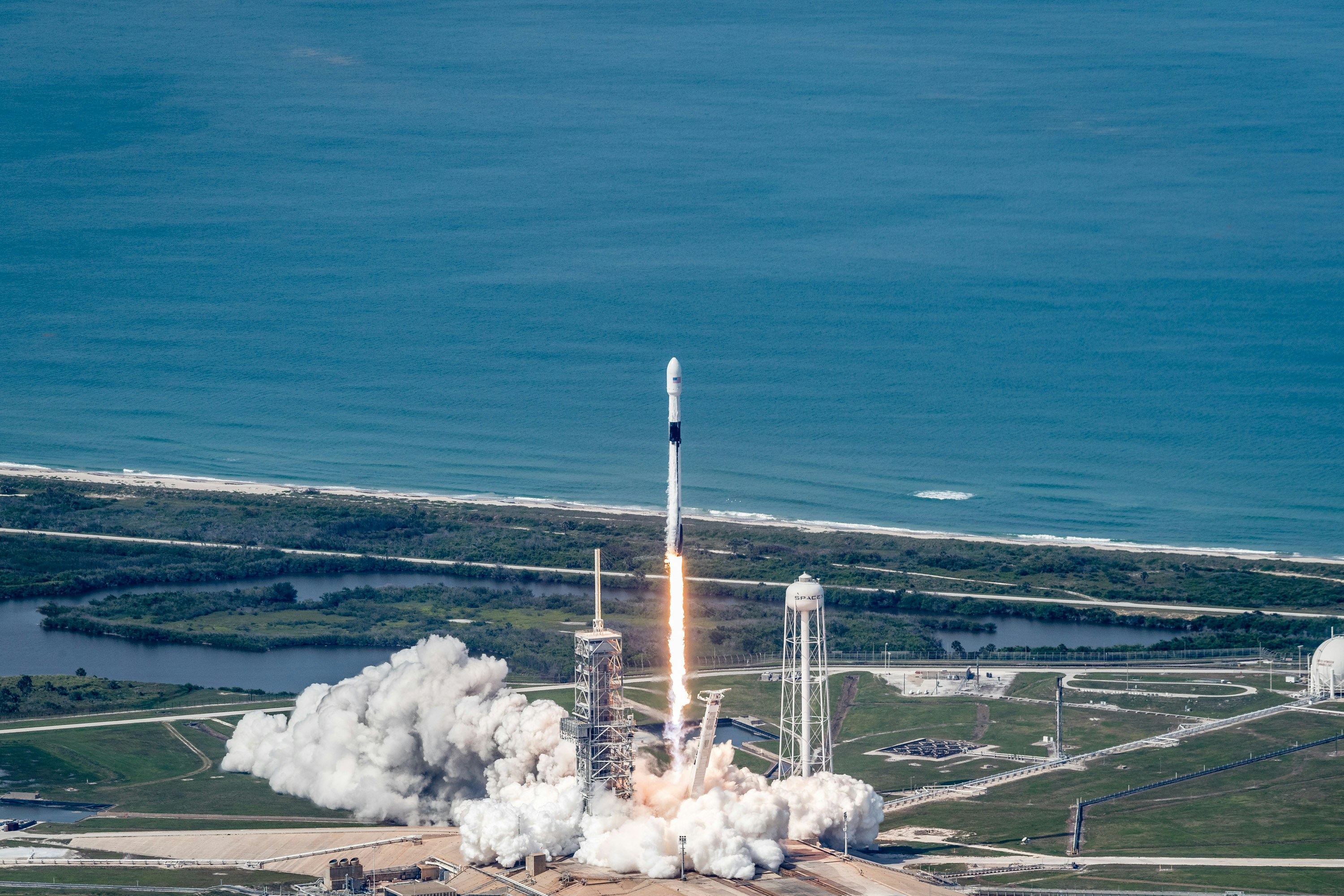
SpaceX Lofts 45 Payloads Including Korean CAS500-2 | KeepTrack X Report
SpaceX's Falcon 9 rideshare lifted 45 satellites including South Korea's CAS500-2 Earth observer from Vandenberg at 0700 UTC May 3.


Launch Date
January 15, 2025
Launch Site
Kennedy Space Center
Launch Pad
LC-39A
Launch Vehicle
Falcon 9 Block 5
NORAD ID
62717
International Designator
2025-010B
Epoch
Wed, 15 Jan 2025 07:37:52 GMT
Apogee
Calculating...
Perigee
Calculating...
Inclination
35.17°
Right Ascension
0.18°
Eccentricity
Calculating...
Argument of Perigee
345.57°
Period
13491.54 min
Mean Motion
0.11 rev/day
Latitude
Calculating...
Longitude
Calculating...
Altitude
Calculating...
Velocity
Calculating...
Name
RESILIENCE
Alternative Name
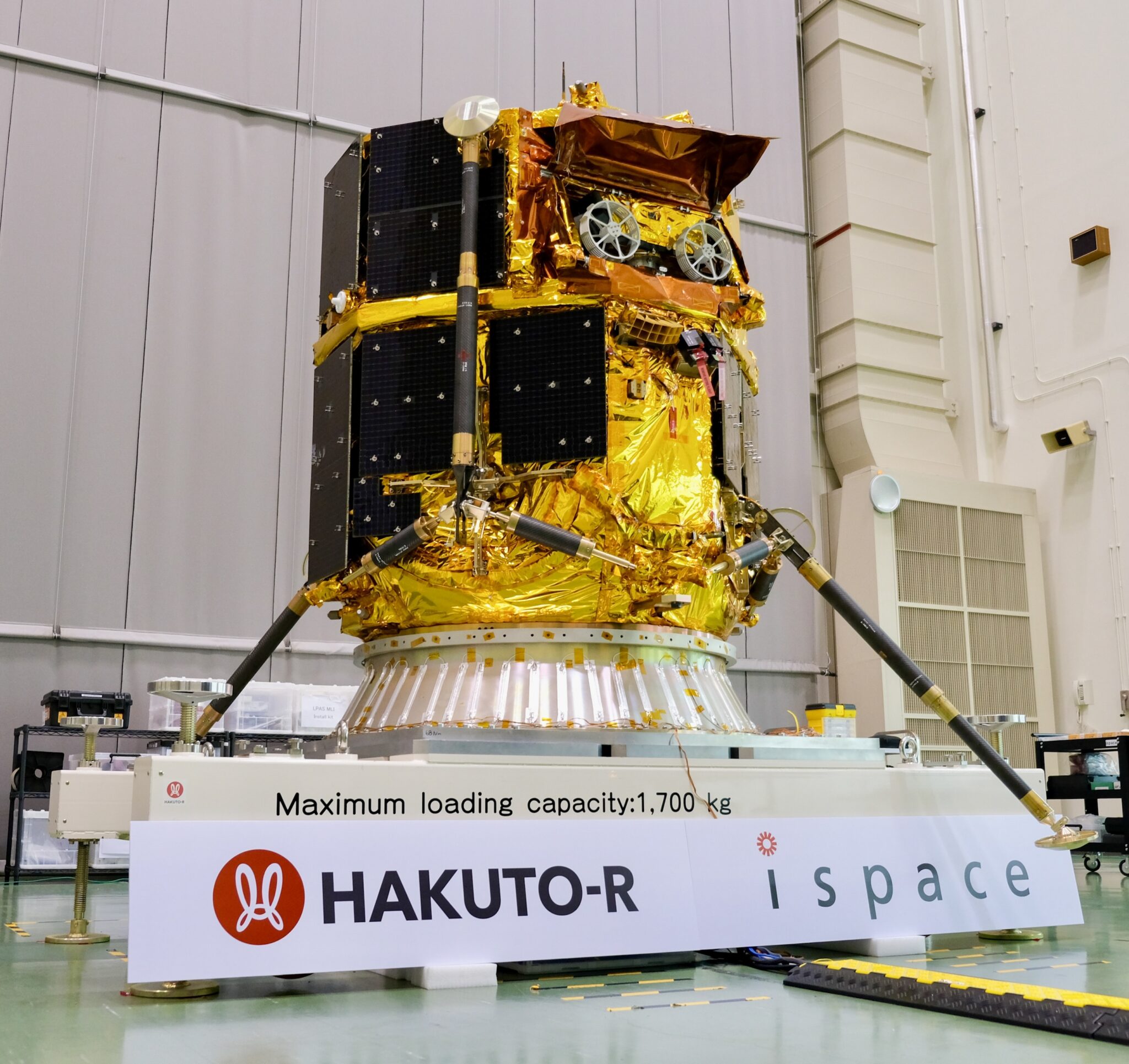
Hakuto-R Mission 2 Lander
Type
Status
Owner
ispace
Country
JP
Constellation
N/A
Related Satellites
Major Events
Launch on January 15, 2025; successful completion of first orbital maneuver on January 16, 2025; planned lunar landing in May or June 2025.
1 62717U 25010B 25015.31796729 -.00038243 31373-4 00000+0 0 9999
2 62717 35.1700 0.1839 9650900 345.5700 0.7230 00.10673359 01
Source: Celestrak
Length
2.3
Diameter
2.6
Span
2.6
Dry Mass
340
Launch Mass
1050
Shape
Box with four landing legs.
Radar Cross Section
0.15
Visual Magnitude
5.5
Color
Silver with gold insulation.
Material Composition
Aluminum and composite materials with thermal insulation.
Payload
TENACIOUS micro rover, water electrolyzer, food production module, deep space radiation probe, commemorative alloy plate.
Purpose
Lunar landing and surface exploration.
Mission
The mission aims to demonstrate ispace's lunar landing capabilities and to deploy the TENACIOUS micro rover for lunar surface exploration, including in situ resource utilization demonstrations.
Manufacturer
ispace
Life Expectancy
The mission is planned to last several months, with the lander taking a low-energy trajectory to the Moon, leading to a landing attempt approximately 4 to 5 months after launch.
Bus
Hakuto-R
Configuration
Lunar Lander
Motor
Main propulsion system for orbital maneuvers and descent.
Equipment
The RESILIENCE lander is equipped with a suite of scientific instruments and payloads, including a water electrolyzer from Takasago Thermal Engineering Co., a self-contained food production module from Euglena Co., a deep space radiation probe developed by the Department of Space Science and Engineering at National Central University in Taiwan, and a commemorative alloy plate developed by Bandai Namco Research Institute, Inc. Additionally, it carries the TENACIOUS micro rover, designed to explore the lunar surface and collect regolith samples.
Power System
Solar panels and batteries.
ADCS
Attitude control system utilizing reaction control thrusters and guidance, navigation, and control systems.
Transmitter Frequency
S-band for communication with Earth.
Learn more about satellites and other related topics.
SpaceX's Falcon 9 rideshare lifted 45 satellites including South Korea's CAS500-2 Earth observer from Vandenberg at 0700 UTC May 3.

SpaceX gears up for significant upcoming launches while Starlink makes an impactful difference in disaster recovery efforts. Meanwhile, ESA and Avio reveal plans for competitive advancements in reusable rocket technology.
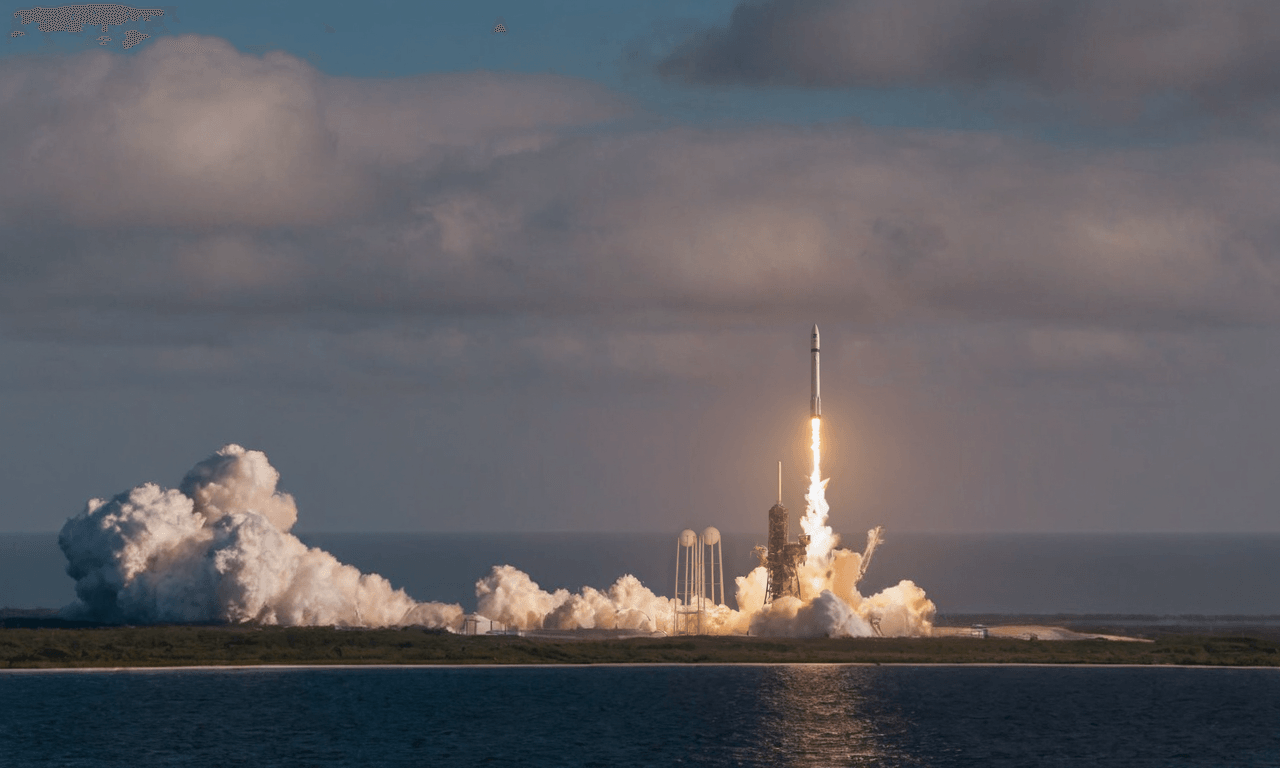
Today's briefing covers an exciting new satellite launch, a significant reentry, and unexpected space debris from a fragmentation event.

Today's brief covers increased Space Force funding, a renewed focus on nuclear power in space, a proposed US missile defense system, new defense budget revelations, and NATO's call for increased air defenses.
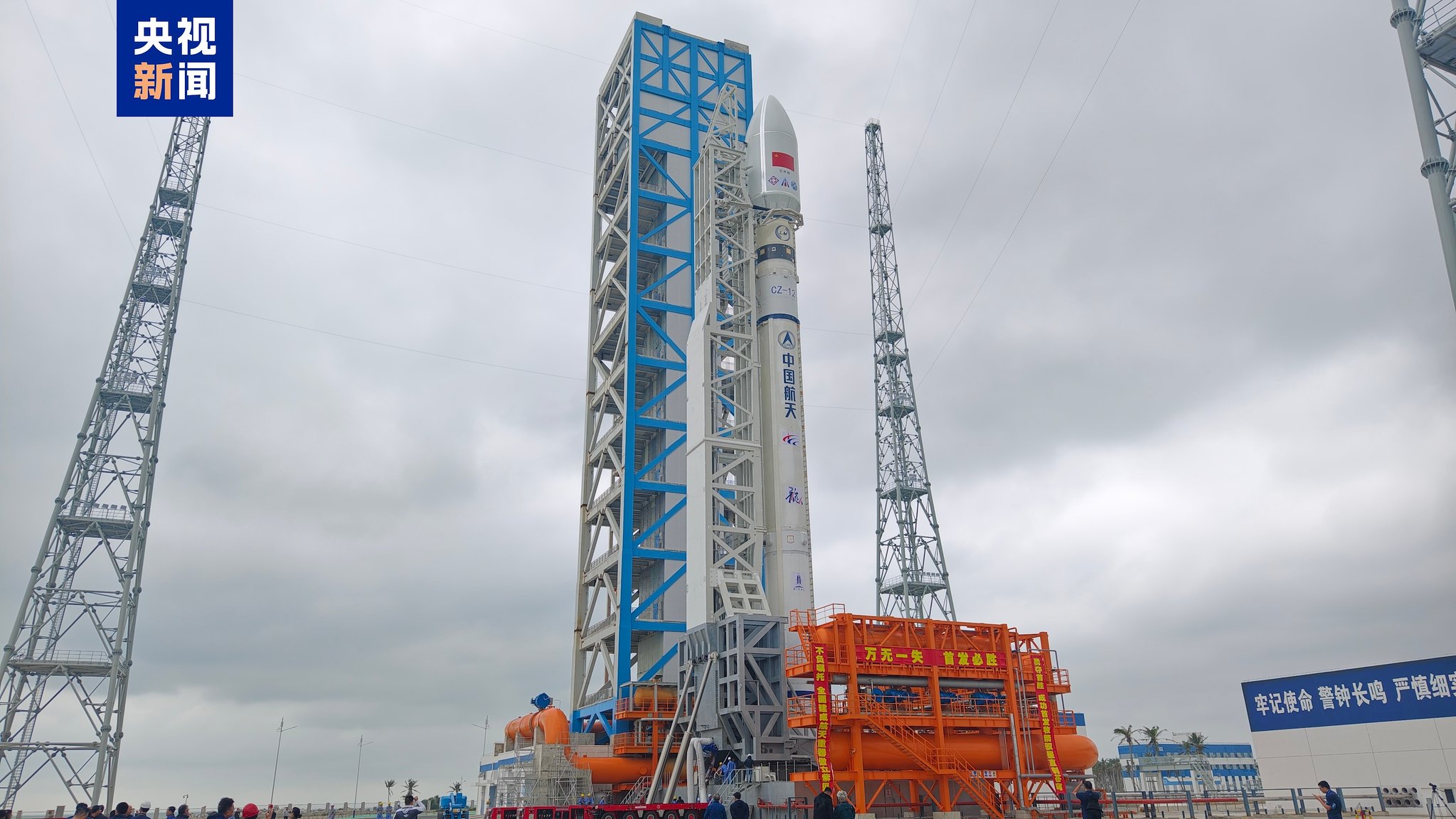
Trump seeks Musk's help to restore internet in Iran via Starlink. China files for 200,000-satellite constellation. Sweden allocates $1.6B for air defense and $140M for space capabilities.
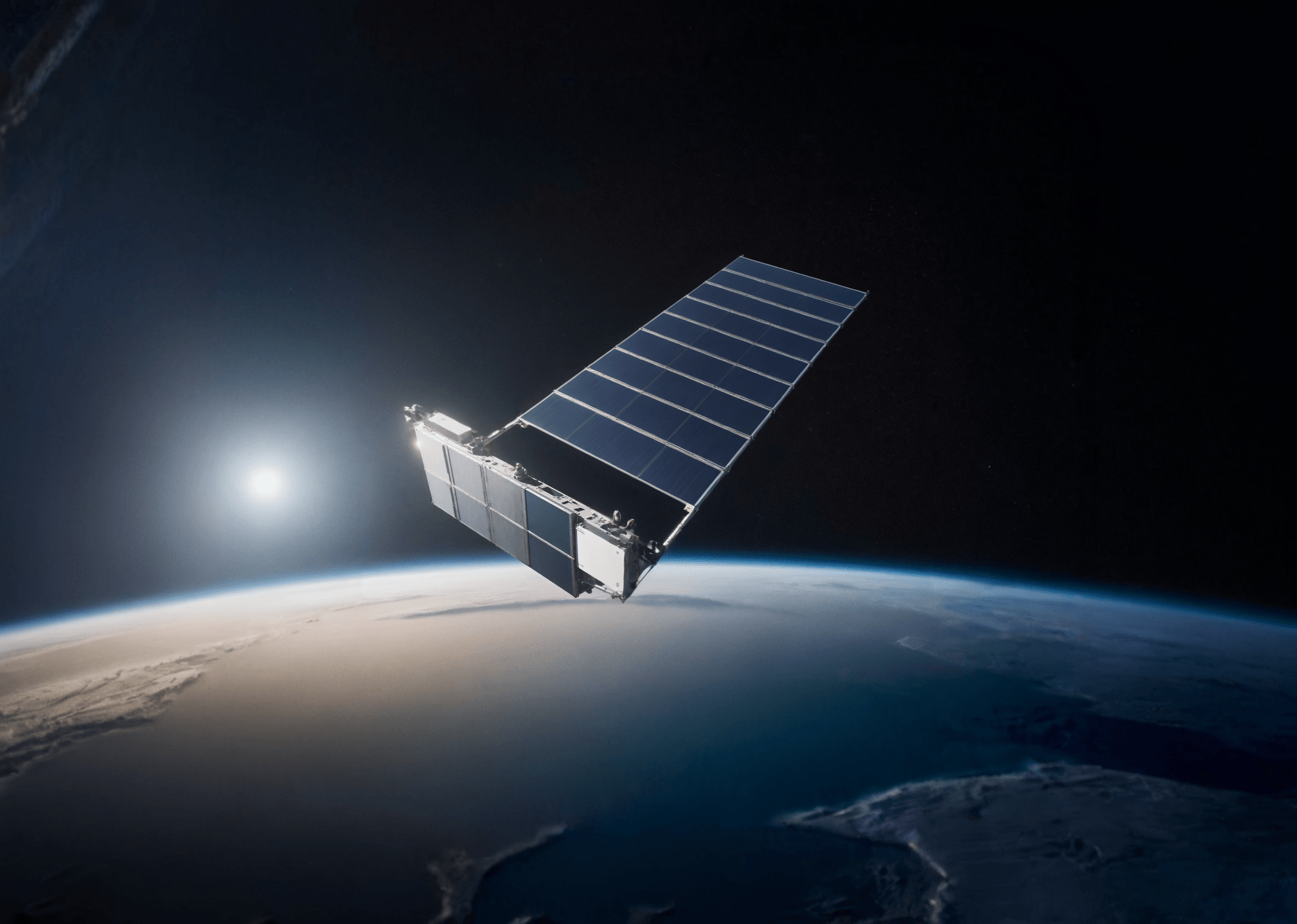
As of March 2024, SpaceX's Starlink has made remarkable strides in its quest to provide global broadband internet access. With an astounding number of satellites already in orbit and ambitious plans for expansion, Starlink is on track to dominate Earth's orbit in the coming years.
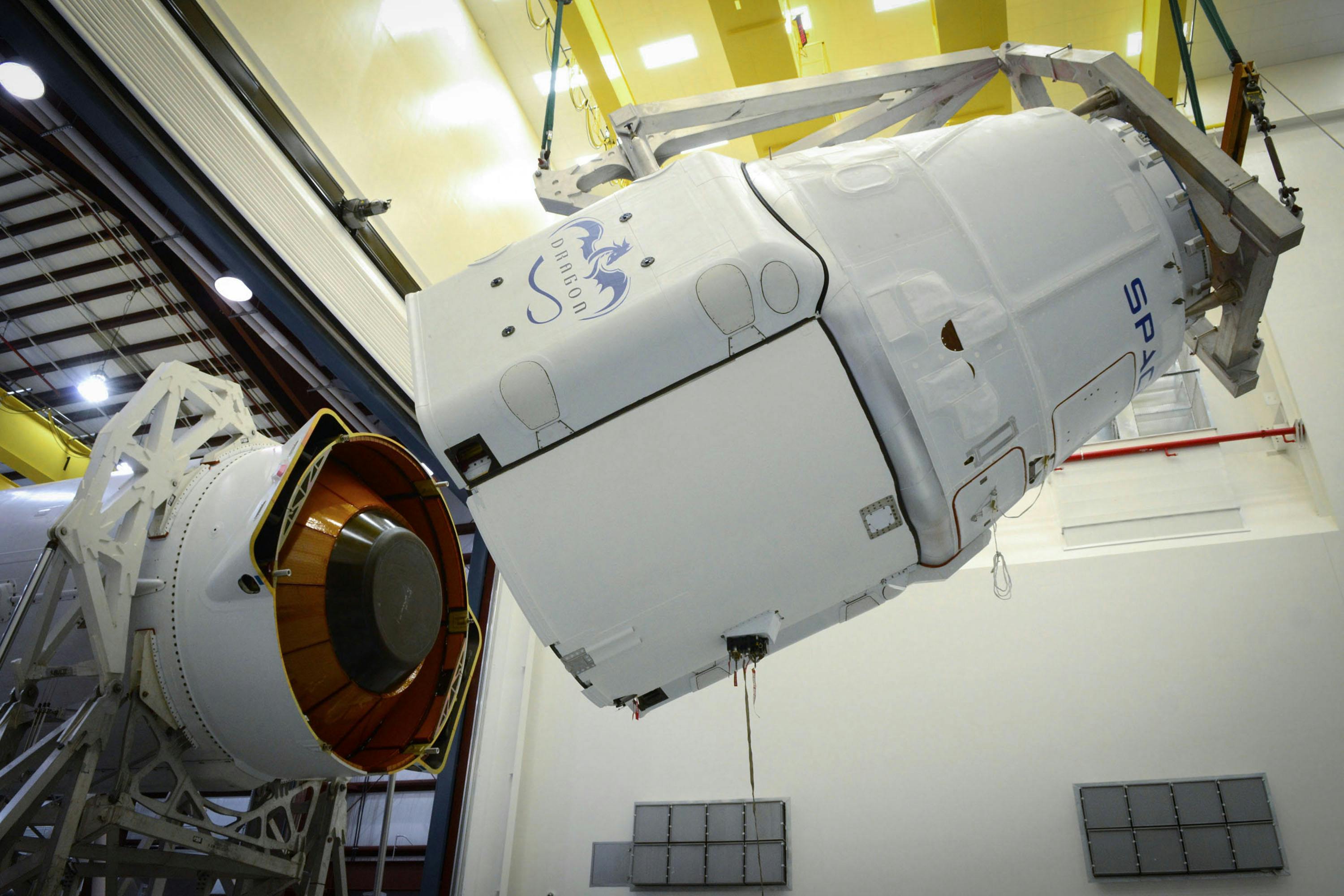
Today marks a significant day for SpaceX as the company prepares for the 9th test flight of its Starship-Super Heavy rocket, alongside a successful launch of 24 Starlink satellites to polar orbit.
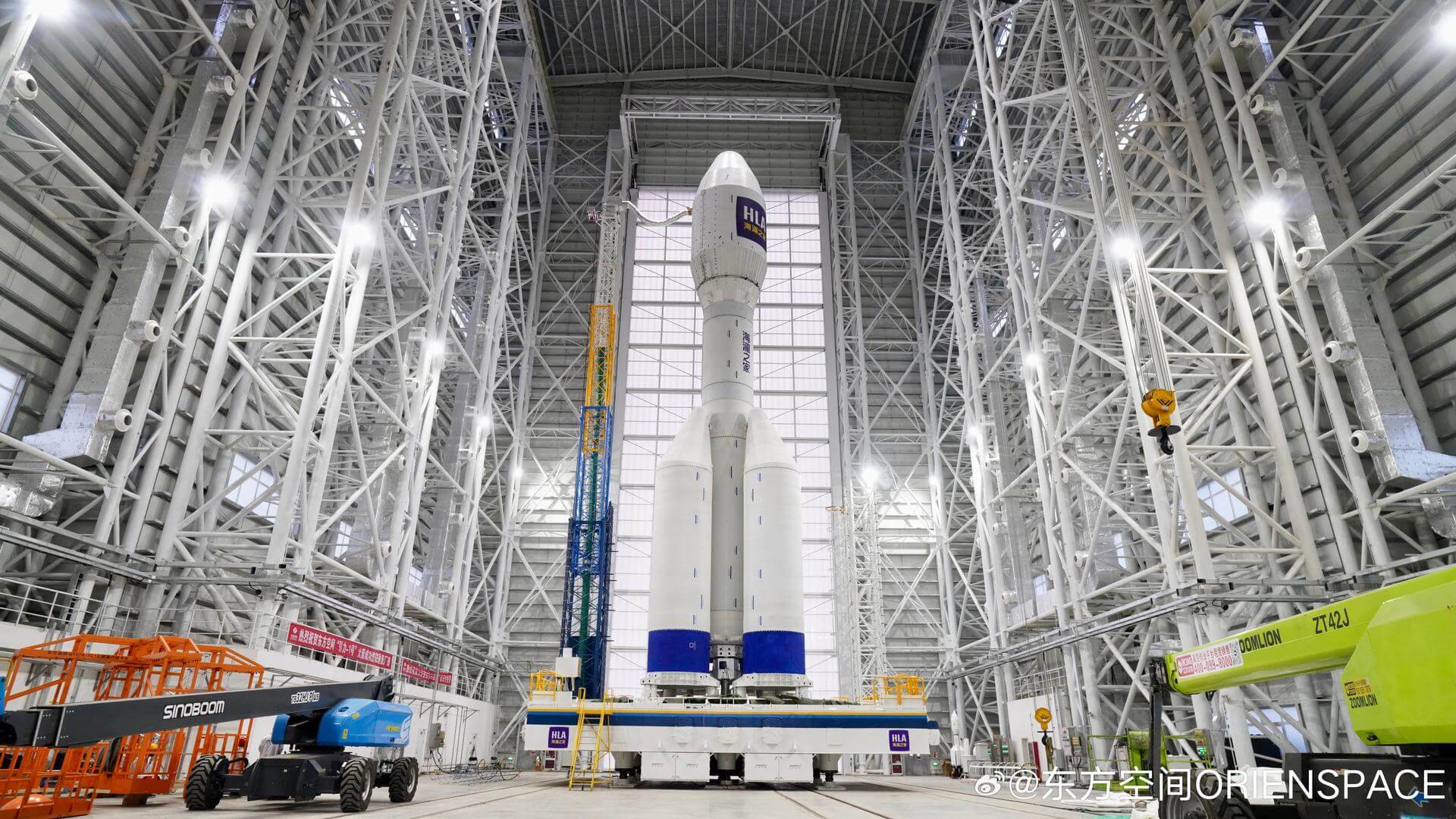
SpaceX Falcon 9 launches Starlink 10-50 with two Besxar semiconductor manufacturing test pods. In-space fabrication experiment explores cost reduction for commercial payloads.