

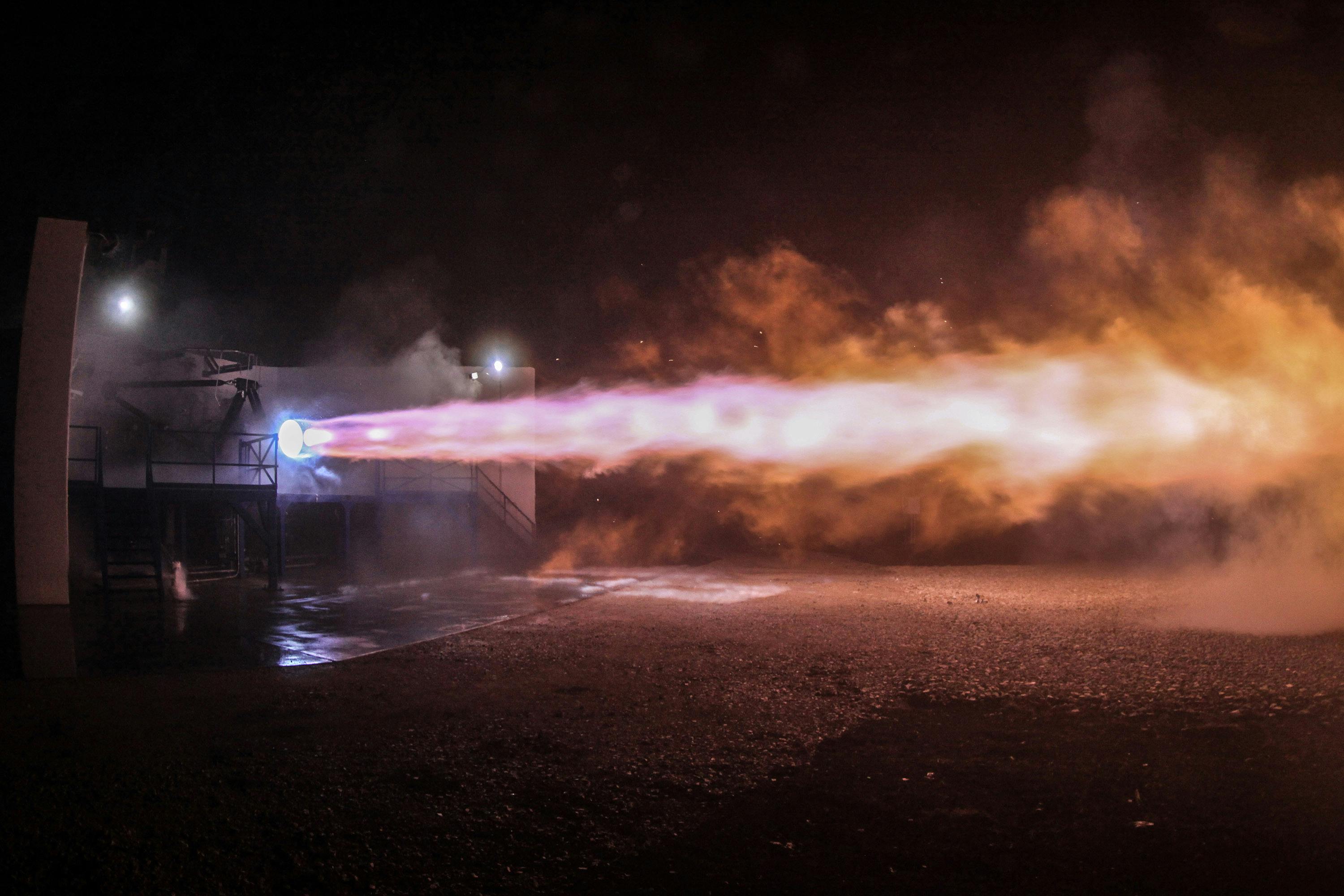
X Report 8 Jun 2025
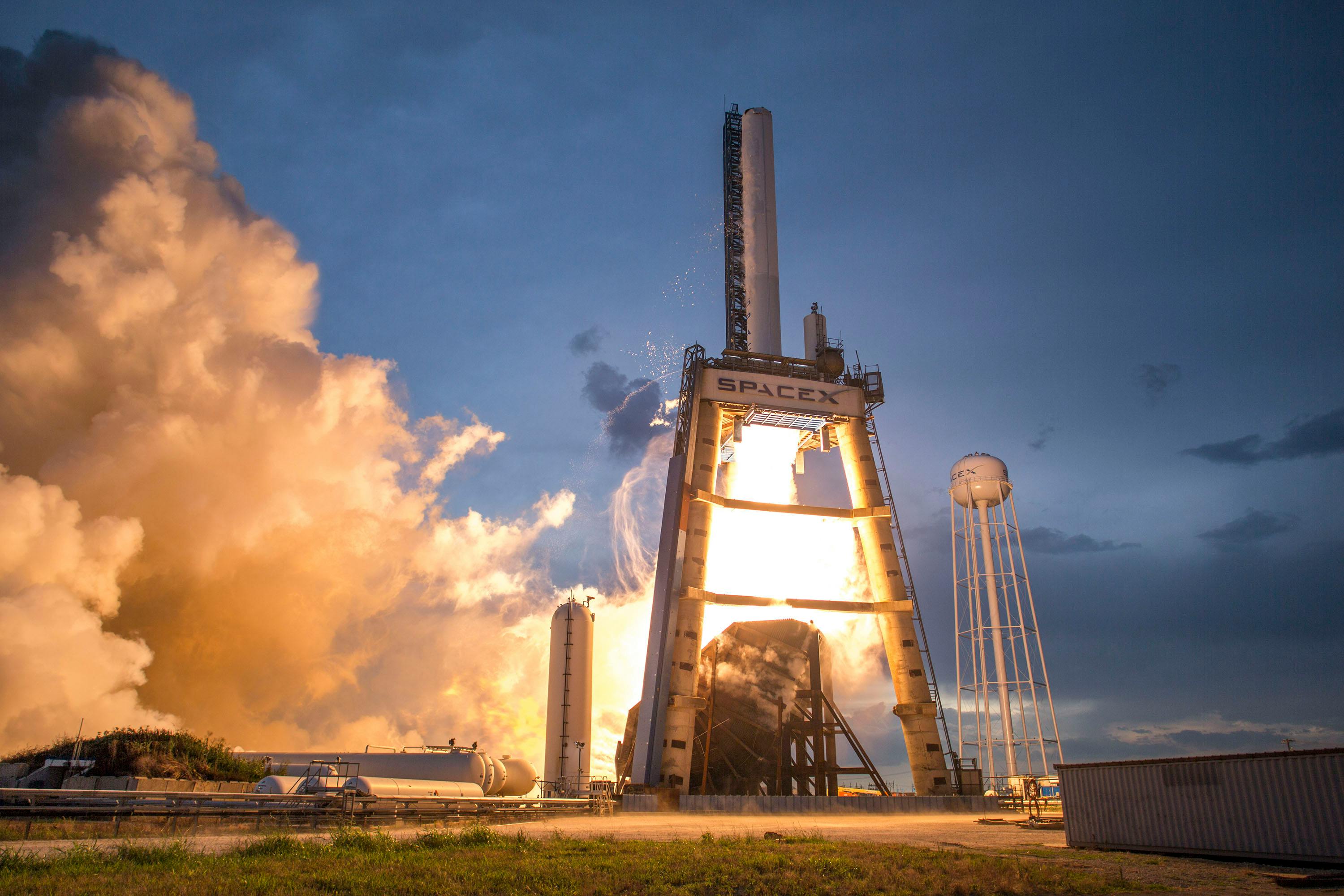
SpaceX has seen a flurry of activity with successful launches, static-fire tests for Starship, and ongoing preparations for future objectives, marking an exciting time for the aerospace company.


Launch Date
January 15, 2025
Launch Site
Kennedy Space Center
Launch Pad
LC-39A
Launch Vehicle
Falcon 9 Block 5
NORAD ID
62716
International Designator
2025-010A
Decay Date
3/2/2025
Name
Blue Ghost
Alternative Name
Blue Ghost Mission 1
Type
Status
Owner
Firefly Aerospace
Country
United States
Constellation
N/A
Related Satellites
Major Events
Launch on January 15, 2025; planned lunar landing on March 2, 2025; mission operations for approximately 60 days.
Length
2
Diameter
3.5
Span
3.5
Dry Mass
469
Launch Mass
1500
Shape
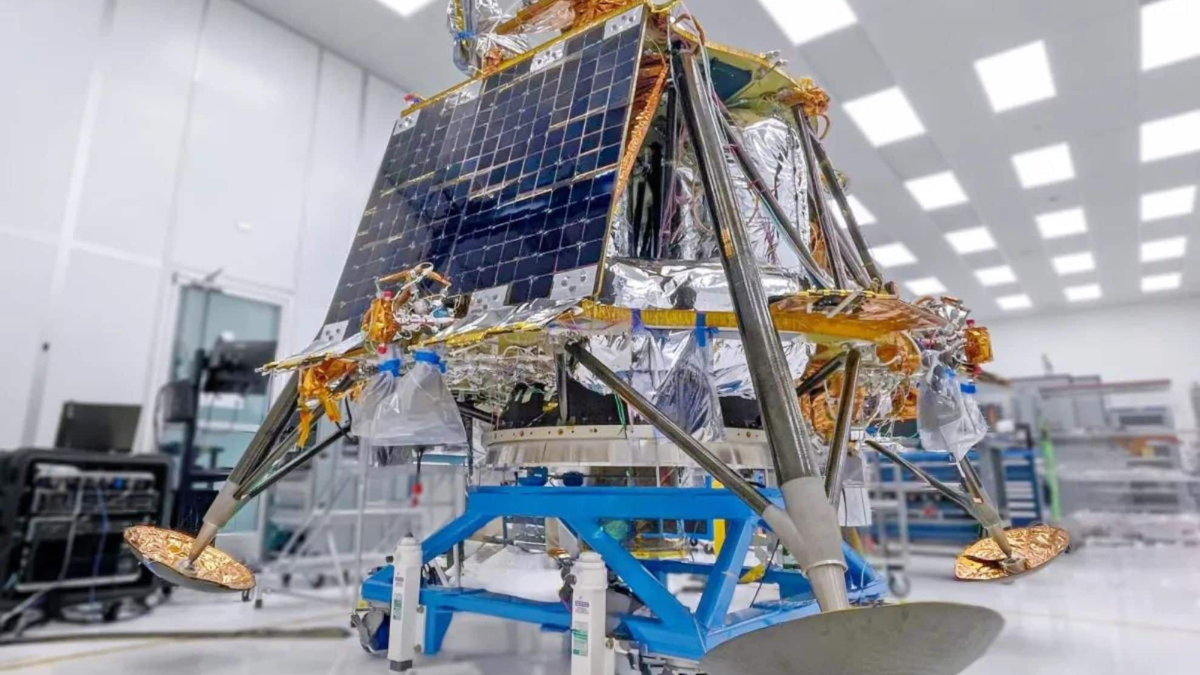
Box with four landing legs
Radar Cross Section
0.3
Visual Magnitude
5.5
Color
The lander features a metallic exterior with gold and silver thermal insulation layers.
Material Composition
Constructed using high-strength, lightweight carbon composites and aluminum alloys.
Payload
The lander carries ten NASA-sponsored payloads, including instruments to study lunar regolith properties, geophysical characteristics, and interactions between the solar wind and Earth's magnetic field.
Purpose
Lunar lander
Mission
Blue Ghost Mission 1 aims to deliver ten scientific investigations and technology demonstrations to the Moon's Mare Crisium region, supporting future human exploration under NASA's Artemis program.
Manufacturer
Firefly Aerospace
Life Expectancy
The mission is designed to operate for approximately 60 days, including transit and surface operations.
Bus
Blue Ghost
Configuration
Lunar Lander
Motor
LEROS 4-ET
Equipment
The Blue Ghost lander is equipped with 12 flight cameras, a vision navigation processor, and two flight floodlights to support spacecraft operations and terrain relative navigation during descent.
Power System
The lander is powered by solar panels providing up to 400 watts of power for the lander and its payloads during transit and on the lunar surface.
ADCS
The Blue Ghost lander utilizes an advanced Attitude Determination and Control System (ADCS) to maintain precise orientation during its mission.
Transmitter Frequency
S-band for telemetry and X-band for data transmission.
Learn more about satellites and other related topics.
SpaceX has seen a flurry of activity with successful launches, static-fire tests for Starship, and ongoing preparations for future objectives, marking an exciting time for the aerospace company.
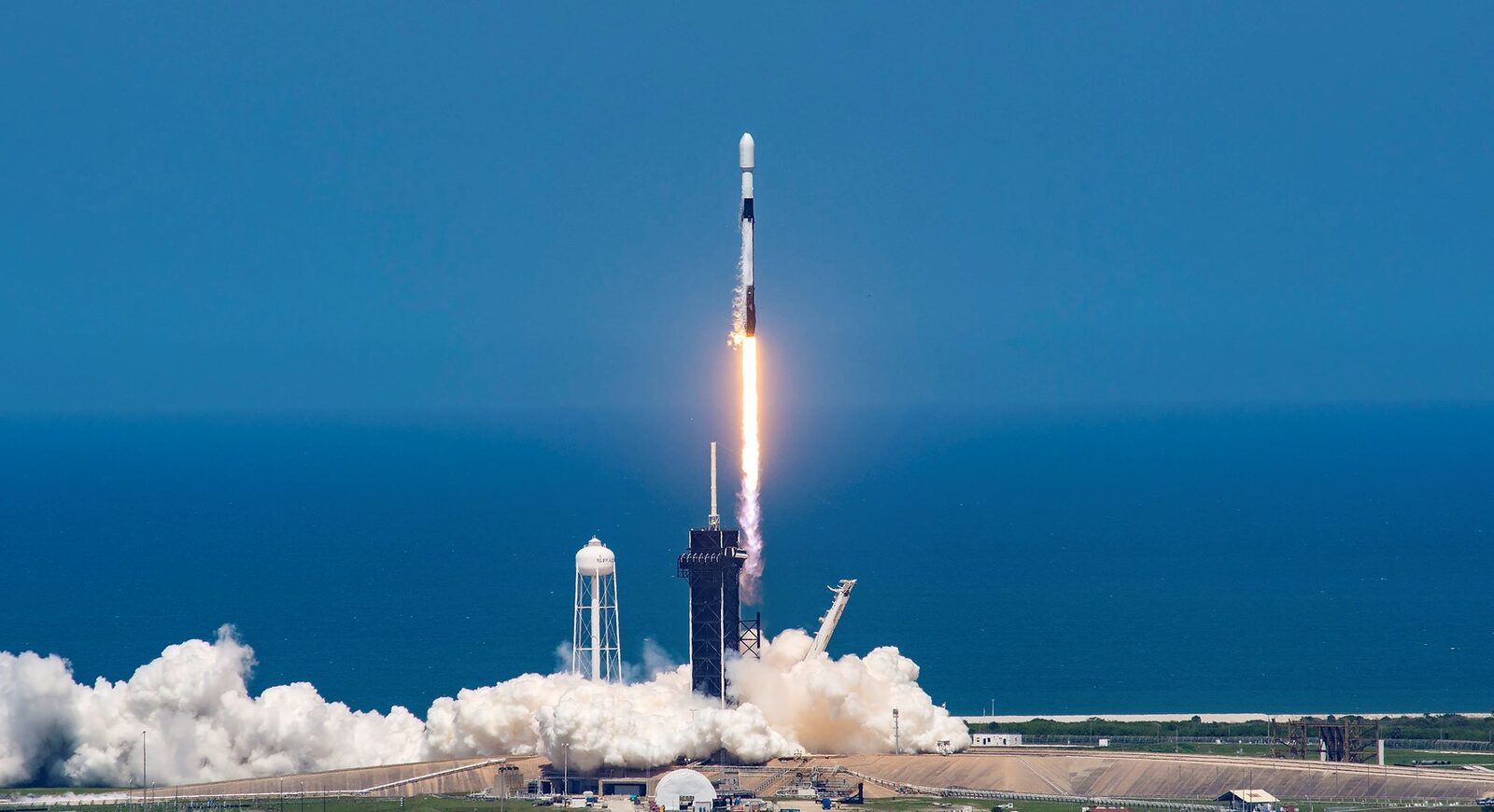
SpaceX's Falcon 9 launches 119 payloads on Transporter-16, the 21st smallsat rideshare mission, from Vandenberg SFB at 1102 UTC.
This week: China's Long March 10B debuted successfully, SpaceX merged with xAI, and Starlink topped 10,775 satellites in orbit.

ULA's Vulcan rocket grounded, imperiling Space Force WGS-11 communications satellite and Next-Gen OPIR missile warning payload. Both missions lack backup launch options.
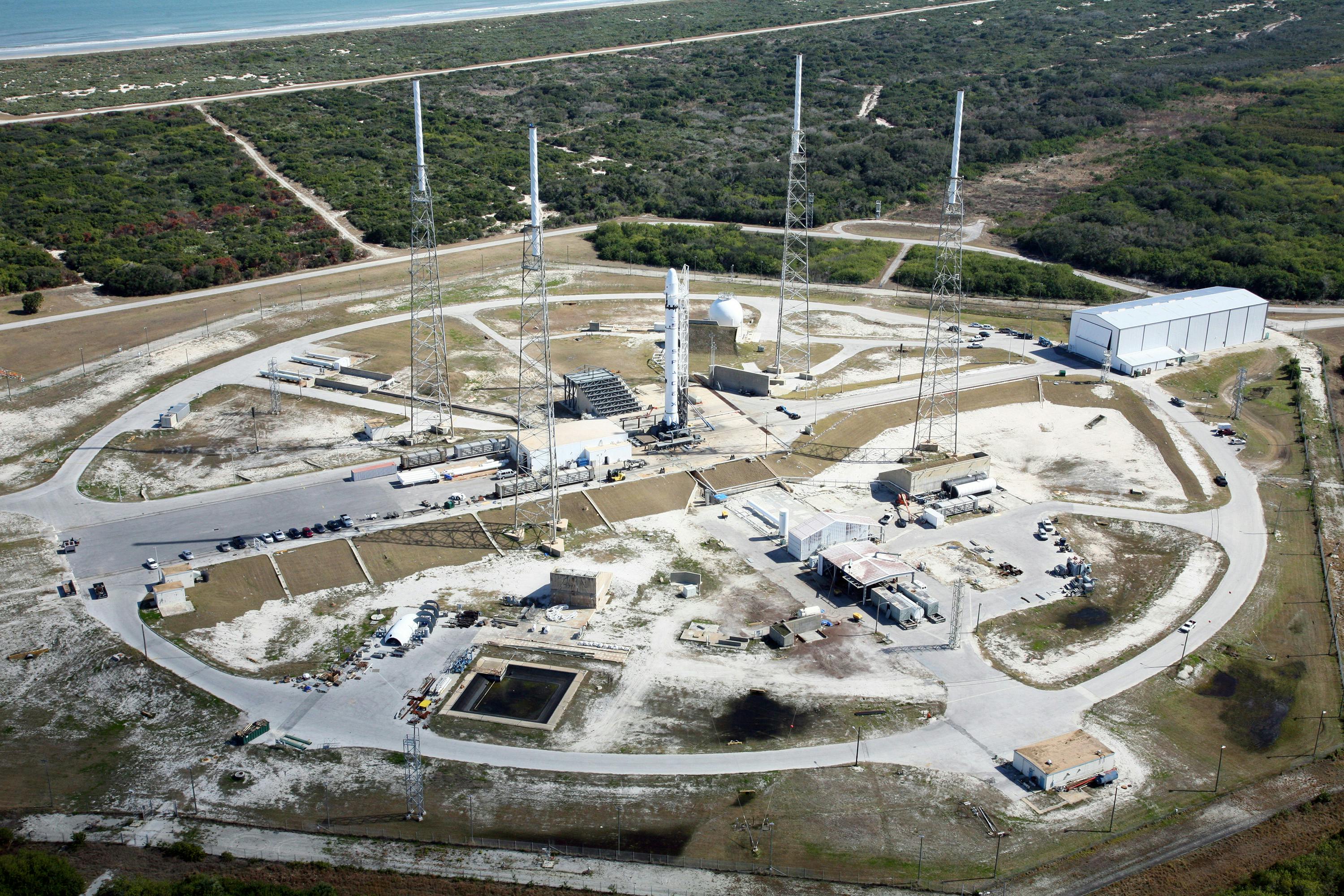
SpaceX marks a milestone with its 500th Falcon 9 mission during a week of notable developments, including ongoing Starlink deployments and changes in U.S. military plans.

Today's briefing covers the ULA's military application for Vulcan's upper stage, FAA's efforts to expedite launch licensing, and a fascinating flyby of Mercury by BepiColombo.
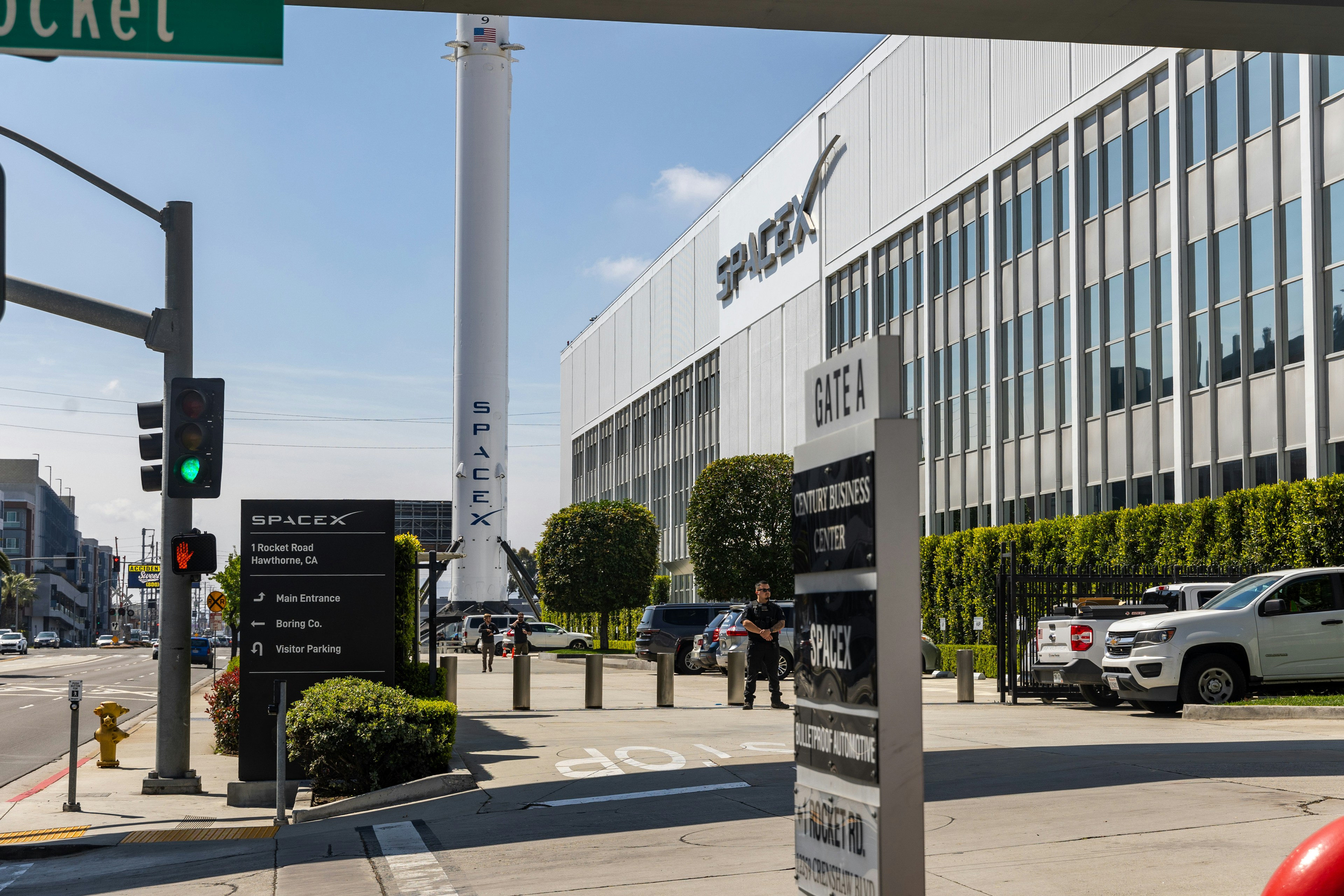
SpaceX's Crew-10 mission safely docks with the ISS, setting up for a crew rotation. Starlink continues its global expansion with additional satellite deployments.

SpaceX marks another milestone and setback with Starship Flight 7, achieving a successful booster catch but losing the upper stage during ascent.