


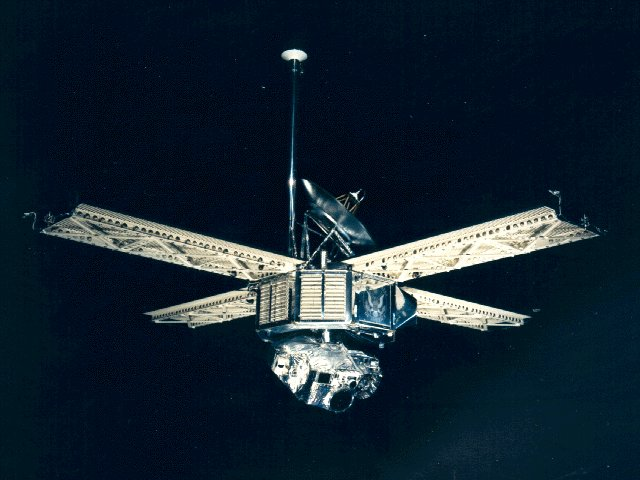
The Day America Gained New Eyes on Mars
Fifty-six years ago, a revolutionary spacecraft launched toward the Red Planet after being saved from disaster by two quick-thinking technicians who risked their lives to prevent a rocket collapse


NORAD ID
62699
International Designator
2025-009CU
Epoch
Sun, 19 Jul 2026 04:28:58 GMT
Apogee
Calculating...
Perigee
Calculating...
Inclination
97.68°
Right Ascension
281.31°
Eccentricity
Calculating...
Argument of Perigee
35.44°
Period
95.82 min
Mean Motion
15.03 rev/day
Latitude
Calculating...
Longitude
Calculating...
Altitude
Calculating...
Velocity
Calculating...
Name
Firefly 3
Alternative Name
Firefly 3
Type
Status
Owner
PIXX
Country
India
Constellation
N/A
Related Satellites
Major Events
N/A
1 62699U 25009CU 26200.18679380 .00003837 00000+0 29064-3 0 9994
2 62699 97.6840 281.3147 0002074 35.4388 324.6975 15.02872906 82363
Source: Celestrak
Length
0.5
Diameter
0.3
Span
2
Dry Mass
60
Launch Mass
60
Shape
Box + 2 pan
Radar Cross Section
Unknown
Visual Magnitude
Unknown
Color
Unknown
Material Composition
Unknown
Payload
Firefly 3
Purpose
Unknown
Mission
Unknown
Manufacturer
PIXX
Life Expectancy
Unknown
Bus
Firefly
Configuration
Unknown
Motor
Unknown
Equipment
Unknown
Power System
Unknown
ADCS
Unknown
Transmitter Frequency
Unknown
Learn more about satellites and other related topics.
Fifty-six years ago, a revolutionary spacecraft launched toward the Red Planet after being saved from disaster by two quick-thinking technicians who risked their lives to prevent a rocket collapse
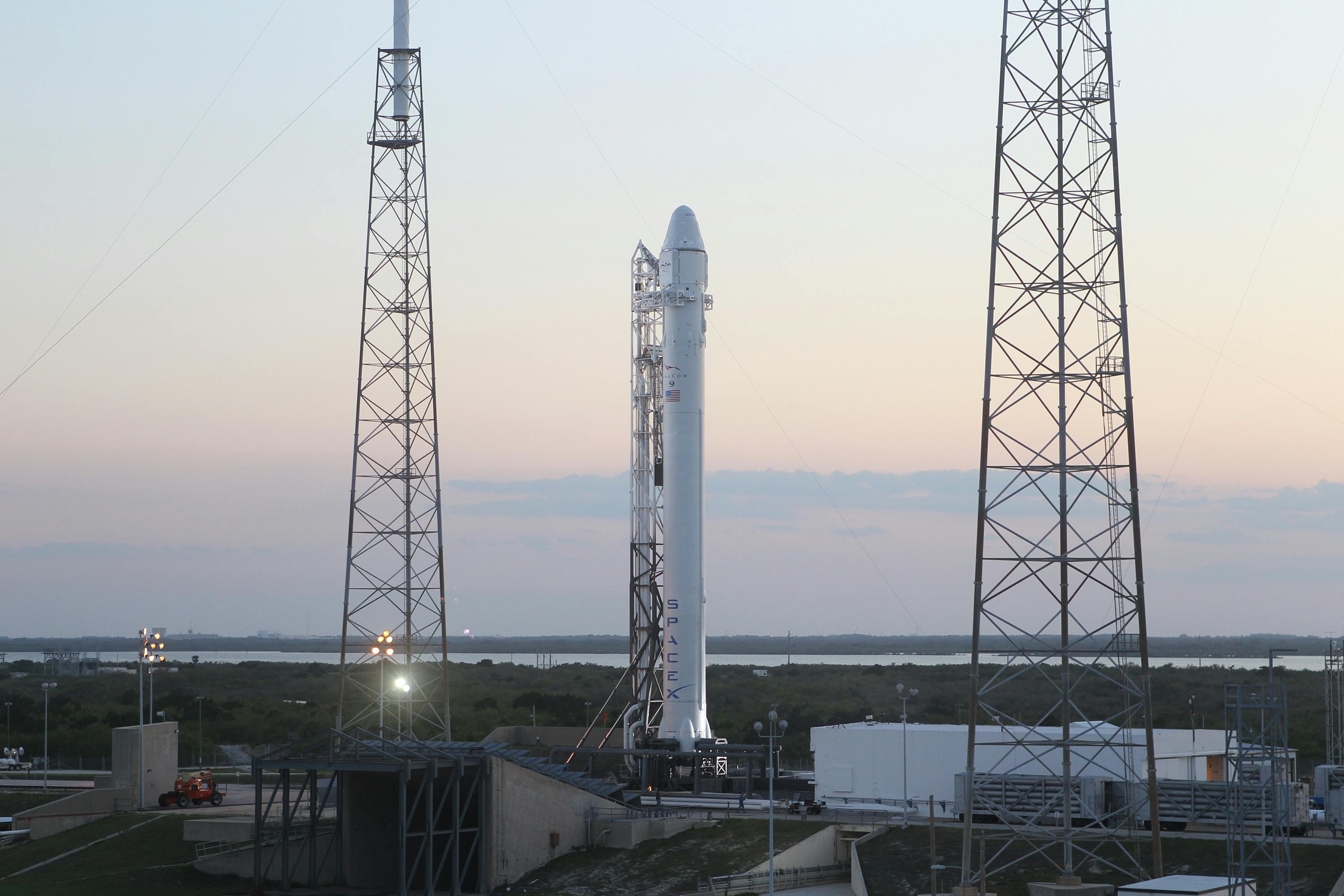
NASA plans first-ever medical evacuation from ISS using SpaceX Crew Dragon for Crew-11 astronaut. Starlink 6-96 mission scrubbed and rescheduled. Starbase Pad 1 tower and launch mount under review.

China expands its classified satellite series, Space Force advances cloud-based ground station marketplaces, and the Pentagon grows its satellite network partner list. Highlighting new roles for sensor technology in tracking space debris.

Today’s Space Brief covers significant developments such as SpaceX’s latest Starlink launch, the US Space Force testing modular satellite technology, and key long-range missile tests by the Pentagon.
Today's highlights include Rocket Lab's successful 2025 kick-off launch, SpaceX's upcoming Starlink deployment, and a significant military satellite contract competition.
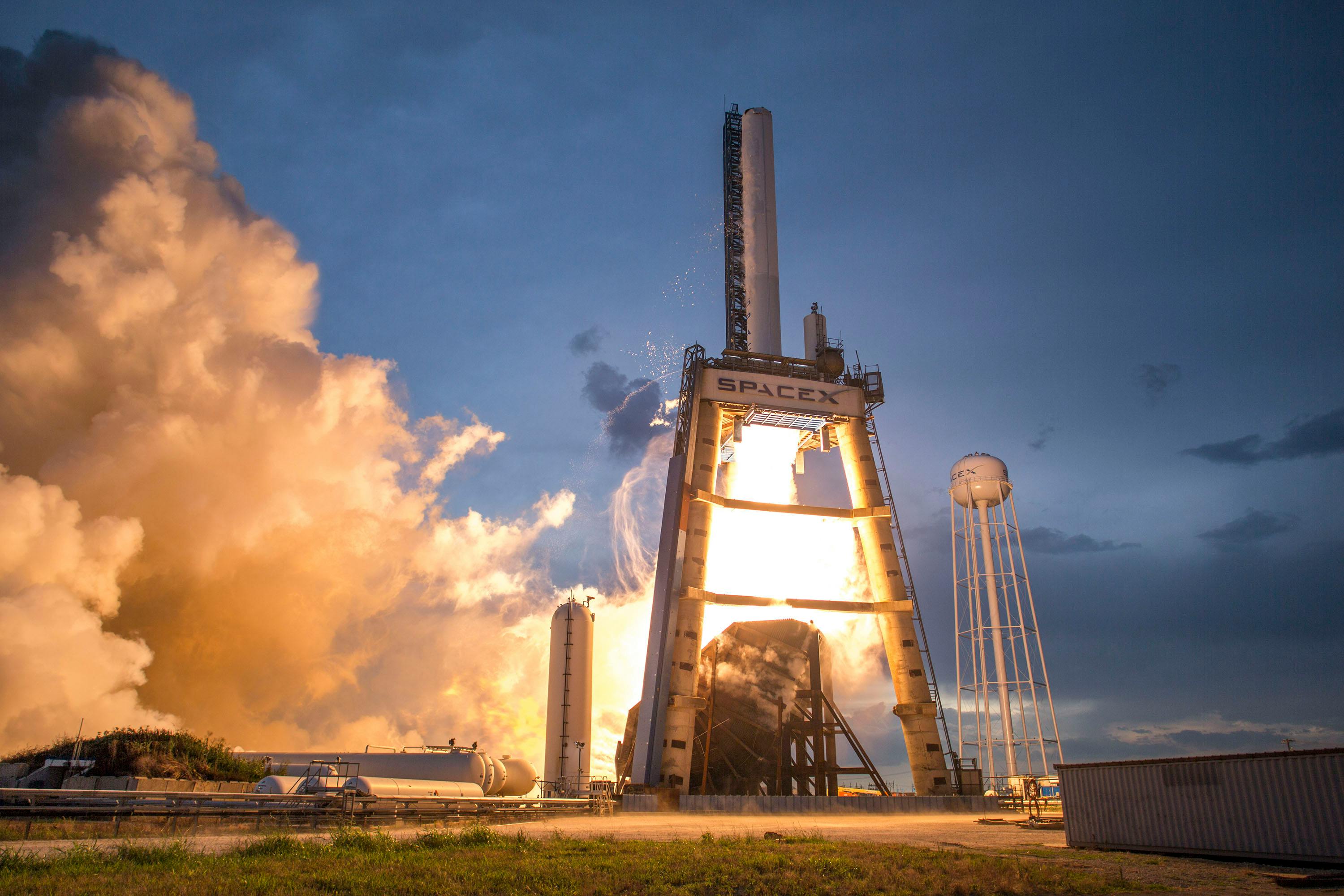
SpaceX successfully launched the latest GPS satellite for the U.S. military, while the FAA has initiated a mishap investigation on a recent Starship test flight. CEO Elon Musk provided updates on the future of the Starship program, indicating ambitious plans ahead.
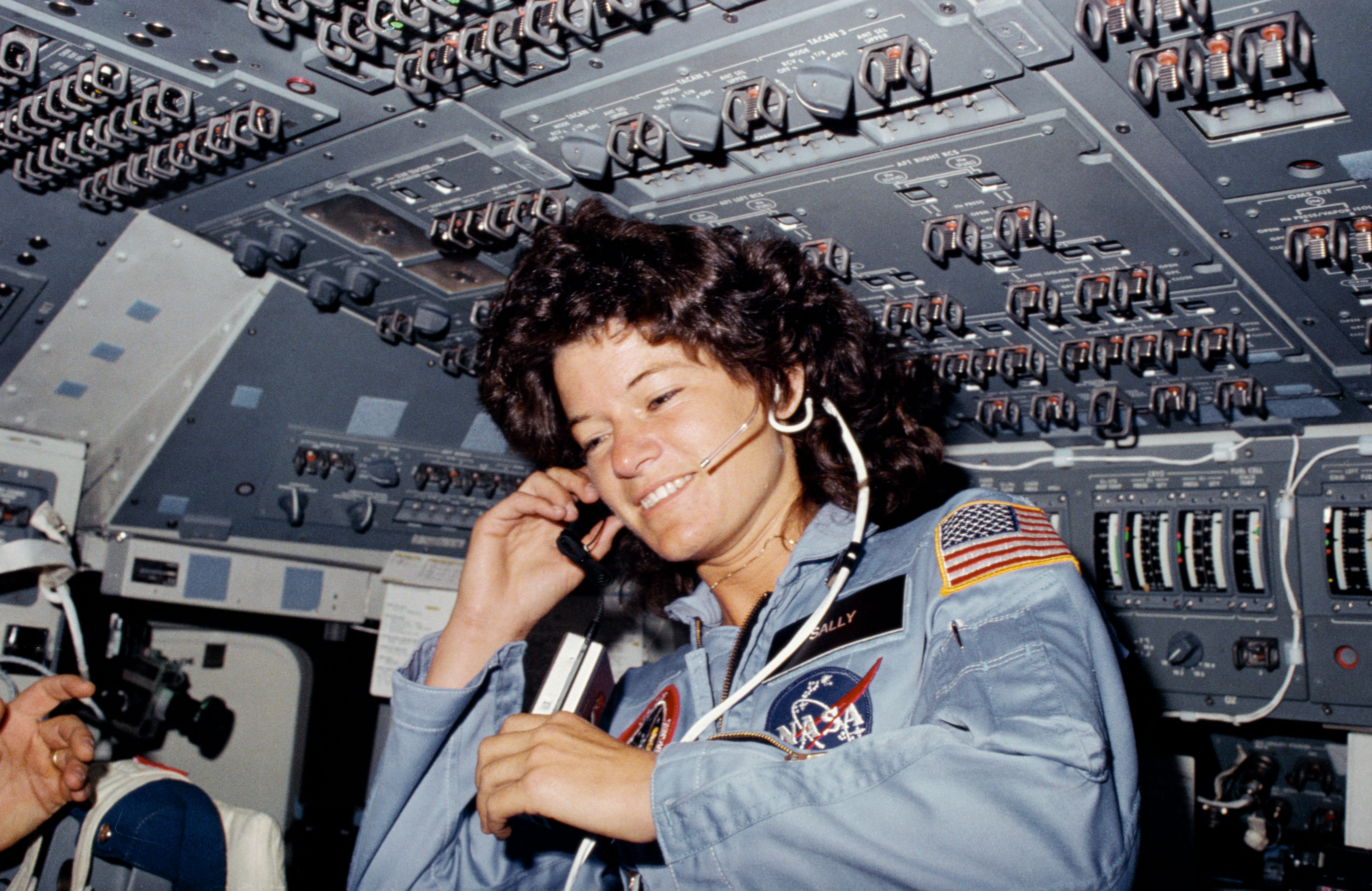
At 7:33 on the morning of 18 June 1983, a 32-year-old astrophysicist named Sally Ride rode Challenger off Pad 39A and became the first American woman in space. She got there two decades after the Soviets, and only after months of being asked whether spaceflight would damage her reproductive organs and whether she planned to cry.

SpaceX carried out a double-header Starlink launch from both coasts while milestones from Max Space and Lux Aeterna signal growth in the commercial space sector.