FGN-100-d1 (62639)

COSPAR: 2025-009AG | Alt Name: FGN-100-d1

Image
FGN-100-d1 Satellite Image
Additional Sources
Launch Details

Launch Date

January 14, 2025

Launch Site

AFWTR

Launch Pad

SLC4E

Launch Vehicle

Falcon 9

Orbital Elements

NORAD ID

62639

International Designator

2025-009AG

Epoch

Sun, 19 Jul 2026 18:26:35 GMT

Apogee

Calculating...

Perigee

Calculating...

Inclination

97.40°

Right Ascension

282.64°

Eccentricity

Calculating...

Argument of Perigee

157.78°

Period

94.12 min

Mean Motion

15.30 rev/day

Latitude

Calculating...

Longitude

Calculating...

Altitude

Calculating...

Velocity

Calculating...

Polar Plot
3D Visualization
Basic Satellite Info

Name

FGN-100-d1

Alternative Name

FGN-100-d1

Type

Payload

Status

Operational

Owner

FERG

Country

Turkey

Constellation

N/A

Related Satellites

Major Events

N/A

Latest TLEs
1 62639U 25009AG  26200.76846793  .00005167  00000+0  18098-3 0  9999
2 62639  97.4014 282.6412 0003654 157.7791 202.3609 15.29924908 83881

Source: Celestrak

Summary
The FGN-100-d1 satellite, also known as FGN-100-d1, was manufactured by FERG and launched on January 14, 2025, from SLC4E using a Falcon 9 launch vehicle. This box-shaped satellite has dimensions of 1 meter in length and diameter, with a span of 1 meter. It weighs 102 kilograms both at launch and dry mass. The ownership and payload are attributed to FERG. Additional details such as its purpose, power system, and transmitter frequencies are not provided.
Physical Characteristics

Length

1

Diameter

0.4

Span

1

Dry Mass

102

Launch Mass

102

Shape

Box

Radar Cross Section

Unknown

Visual Magnitude

Unknown

Color

Unknown

Material Composition

Unknown

Technical Details

Payload

FGN-100-d1

Purpose

Unknown

Mission

Unknown

Manufacturer

FERG

Life Expectancy

Unknown

Bus

FGN-100

Configuration

Unknown

Motor

Unknown

Equipment

Unknown

Power System

Unknown

ADCS

Unknown

Transmitter Frequency

Unknown

Map
This tool will help you track the satellite's position and predict its upcoming passes over your location. Simply input the coordinates or click the geolocation button to get started.
Next Pass
Azimuth Elevation Time (Local)
Start Azimuth
Max Elevation
Stop Azimuth
Time Until
Pass Duration

Satellite Articles

View All Posts »

Learn more about satellites and other related topics.

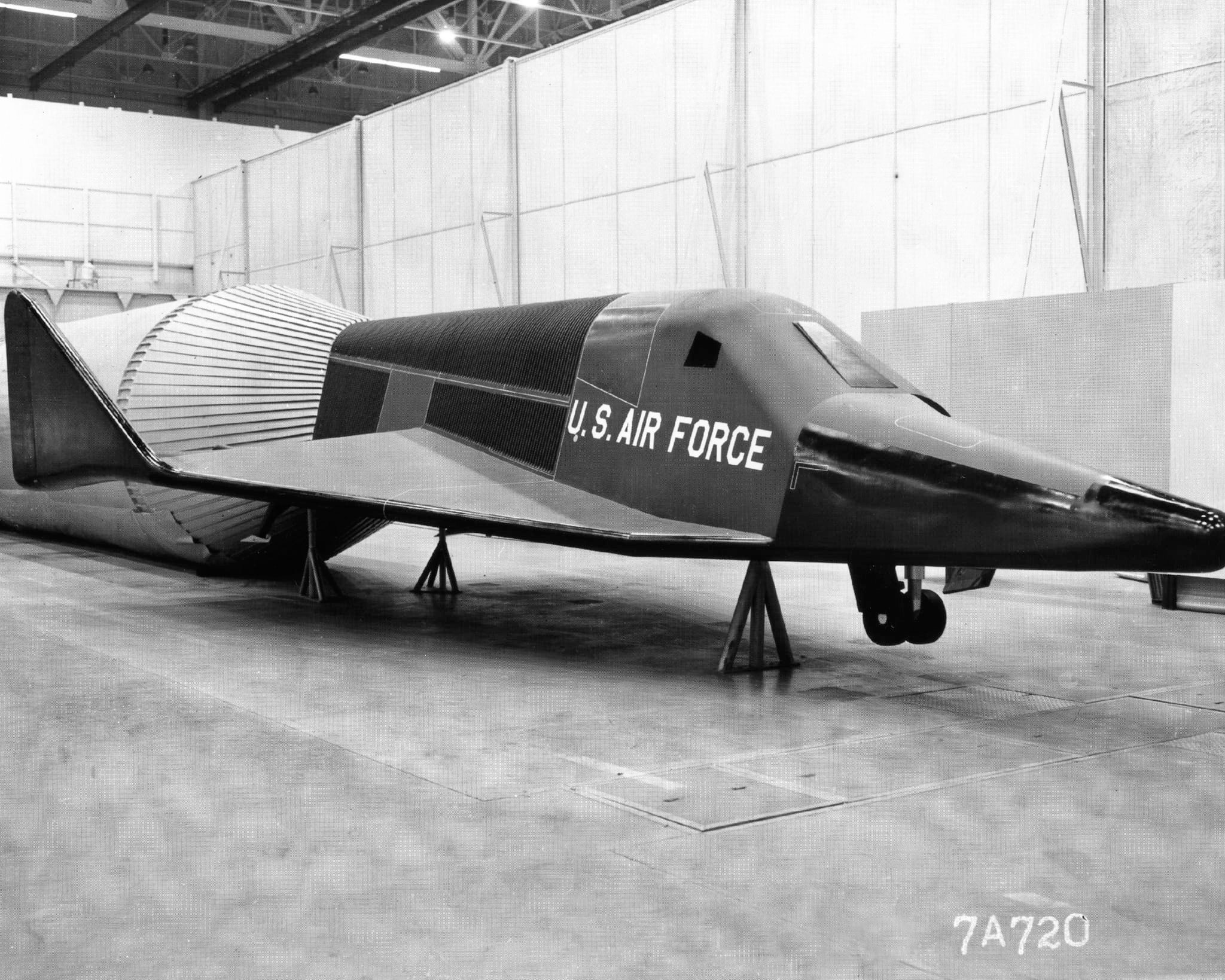
The Day the Dyna-Soar Dream Died

The Day the Dyna-Soar Dream Died

Exactly 62 years ago, Defense Secretary Robert McNamara ended the X-20 Dyna-Soar program, canceling one of the most ambitious spaceplane projects of the early Space Race - a vehicle that could have put aircraft in orbit decades before the Space Shuttle.

Space Brief 3 Mar 2025

Space Brief 3 Mar 2025

Historic moon landing by Firefly Aerospace, Spanish Air and Space Force advances with new simulator, and spotlight on OneWeb's communication satellite.

X Report 26 Apr 2025

X Report 26 Apr 2025

SpaceX launches 28 Starlink satellites and discusses upcoming business strategies, while T-Mobile slashes Starlink cellular prices.

X Report 29 Nov 2024

X Report 29 Nov 2024

SpaceX advances Starship development while planning future replacements for Falcon and Dragon.

Space Brief 1 Nov 2025

Space Brief 1 Nov 2025

Today's brief covers the future of military space operations, ESA's potential defense role, significant developments in satellite communications, and SpaceX's response to Artemis 3 comments.

Artemis 2 Delayed by Upper Stage Issue, Falcon 9 Hits 33rd Flight | KeepTrack Space Brief

Artemis 2 Delayed by Upper Stage Issue, Falcon 9 Hits 33rd Flight | KeepTrack Space Brief

NASA delays Artemis 2 for SLS upper stage fix and pad rollback. SpaceX Falcon 9 booster shatters reuse record with 33rd flight. Tory Bruno joins Blue Origin for defense work.

X Report 5 Apr 2025

X Report 5 Apr 2025

SpaceX secures major U.S. military contracts, Fram2 concludes historic mission, and preparations for another Starlink launch.

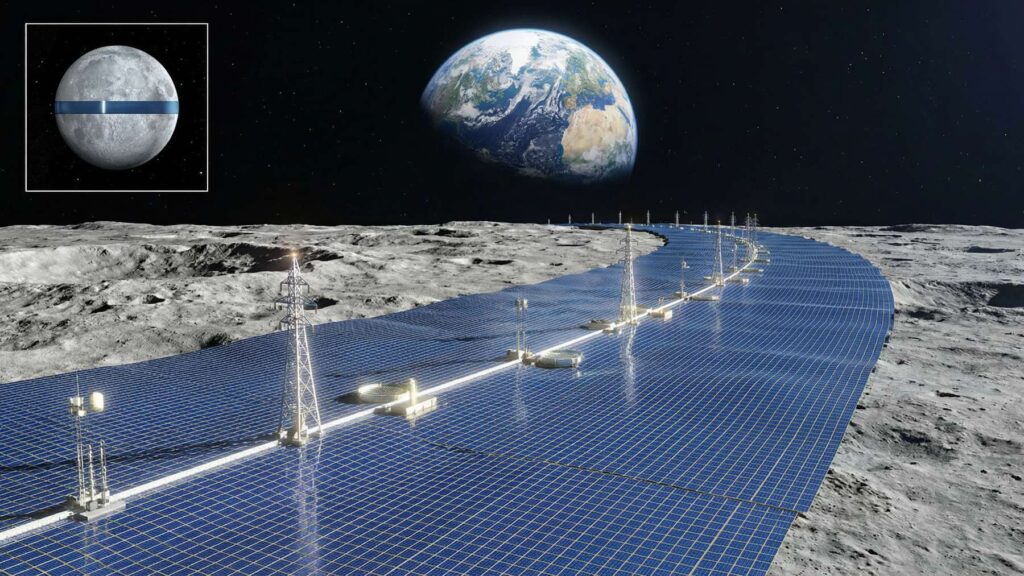
Shimizu's Luna Ring - The Plan to Wrap the Moon in Solar Panels

Shimizu's Luna Ring - The Plan to Wrap the Moon in Solar Panels

A 220-year-old Japanese construction company wants to build an 11,000-kilometer belt of solar cells around the lunar equator and beam the power back to Earth. The physics checks out. Everything else is another story.