STARLINK-11416 [DTC] (62594)

COSPAR: 2025-008H | Alt Name: Starlink 11416
DECAYED

Image
STARLINK-11416 [DTC] Satellite Image
Additional Sources
Launch Details

Launch Date

January 13, 2025

Launch Pad

LC40

Launch Vehicle

Falcon 9

Orbital Elements

NORAD ID

62594

International Designator

2025-008H

Decay Date

7/7/2026

Basic Satellite Info

Name

STARLINK-11416 [DTC]

Alternative Name

Starlink 11416

Type

Payload

Status

Operational

Owner

SPXS

Country

United States

Constellation

N/A

Related Satellites

Major Events

N/A

Summary
The STARLINK-11416 [DTC], also known as Starlink 11416, is a satellite belonging to the Starlink V2M bus type and part of the Starlink Group 12-4-08 payload launched by SpaceX (SPXS). It was deployed on January 13, 2025, from Cape Canaveral Air Force Station's LC40 using a Falcon 9 launch vehicle. The satellite has dimensions of 0.3 meters in length and 4.1 meters in diameter, with an operational span of 29 meters. Its dry mass is recorded at 700 kilograms while its launch mass was 730 kilograms. The spacecraft features a box plus panel shape but does not specify details regarding power supply, equipment, mission purpose, or major events during operation.

Starlink is a satellite constellation developed by SpaceX with the aim of providing global broadband internet coverage. Thousands of small satellites are deployed in low Earth orbit (LEO), enabling high-speed internet access even in remote areas. However, the rapid increase in satellites raises concerns about space debris and the potential for collisions, which can lead to further debris creation and endanger other spacecraft. Additionally, the sheer number of Starlink satellites can affect astronomical observations by increasing light pollution. Proper deorbiting plans and international coordination are essential to mitigate these challenges and ensure long-term sustainability in space.
Physical Characteristics

Length

0.3

Diameter

4.1

Span

29

Dry Mass

700

Launch Mass

730

Shape

Box + pan

Radar Cross Section

Unknown

Visual Magnitude

Unknown

Color

Unknown

Material Composition

Unknown

Technical Details

Payload

Starlink Group 12-4-08

Purpose

Unknown

Mission

Unknown

Manufacturer

SPXS

Life Expectancy

Unknown

Bus

Starlink V2M

Configuration

Unknown

Motor

Unknown

Equipment

Unknown

Power System

Unknown

ADCS

Unknown

Transmitter Frequency

Unknown

Satellite Articles

View All Posts »

Learn more about satellites and other related topics.

Three Chinese Rocket Bodies Exploded, Generating Decades of LEO Debris | KeepTrack Space Brief

Three Chinese Rocket Bodies Exploded, Generating Decades of LEO Debris | KeepTrack Space Brief

Three Chinese rocket bodies have exploded over four years, creating debris clouds that will linger for decades to centuries, according to LeoLabs analysis. Fragmentation events threaten commercial and military operators.

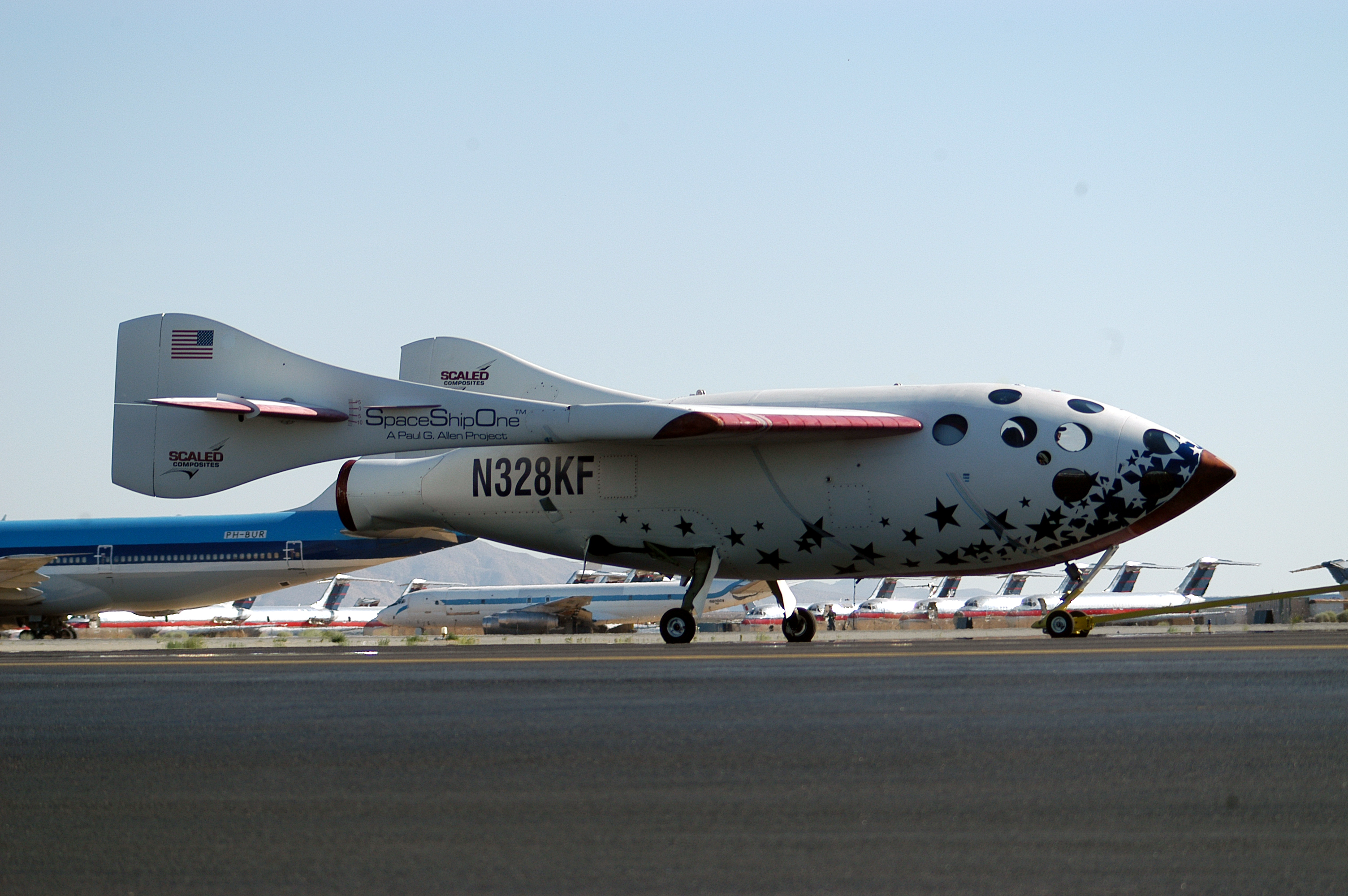
Mike Melvill, 124 Meters, and the Morning Space Went Private

Mike Melvill, 124 Meters, and the Morning Space Went Private

On 21 June 2004, a 63-year-old test pilot rode a homebuilt rocket plane to 100,124 meters above the Mojave Desert, clearing the edge of space by about the length of a city block. He came down the first private astronaut in history, holding a sign that read 'SpaceShipOne, GovernmentZero.'

X Report 5 Jun 2025

X Report 5 Jun 2025

SpaceX celebrates significant milestones with its 500th Falcon launch and the continued expansion of Starlink connectivity.

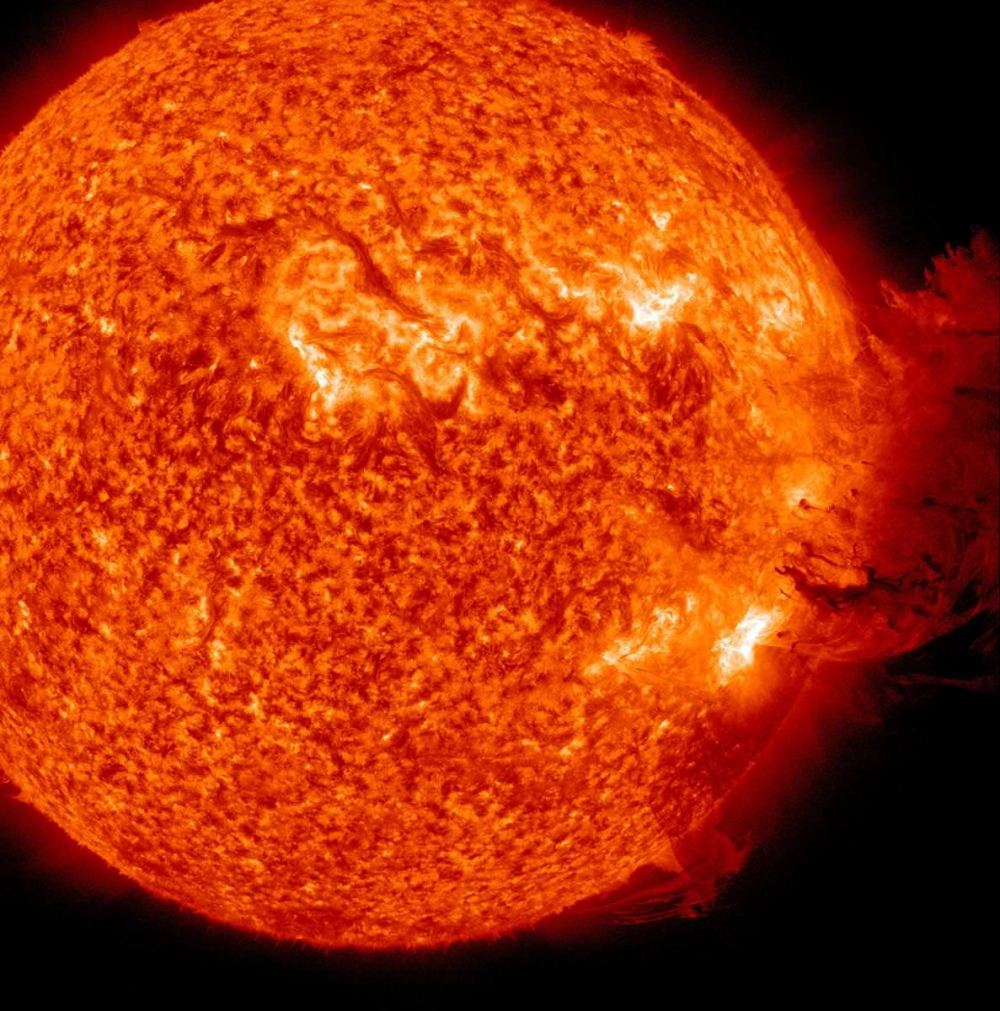
The Day Humanity Gained New Eyes on the Sun

The Day Humanity Gained New Eyes on the Sun

Fifteen years ago, NASA launched its most advanced solar observatory, revolutionizing our understanding of our star and transforming space weather prediction

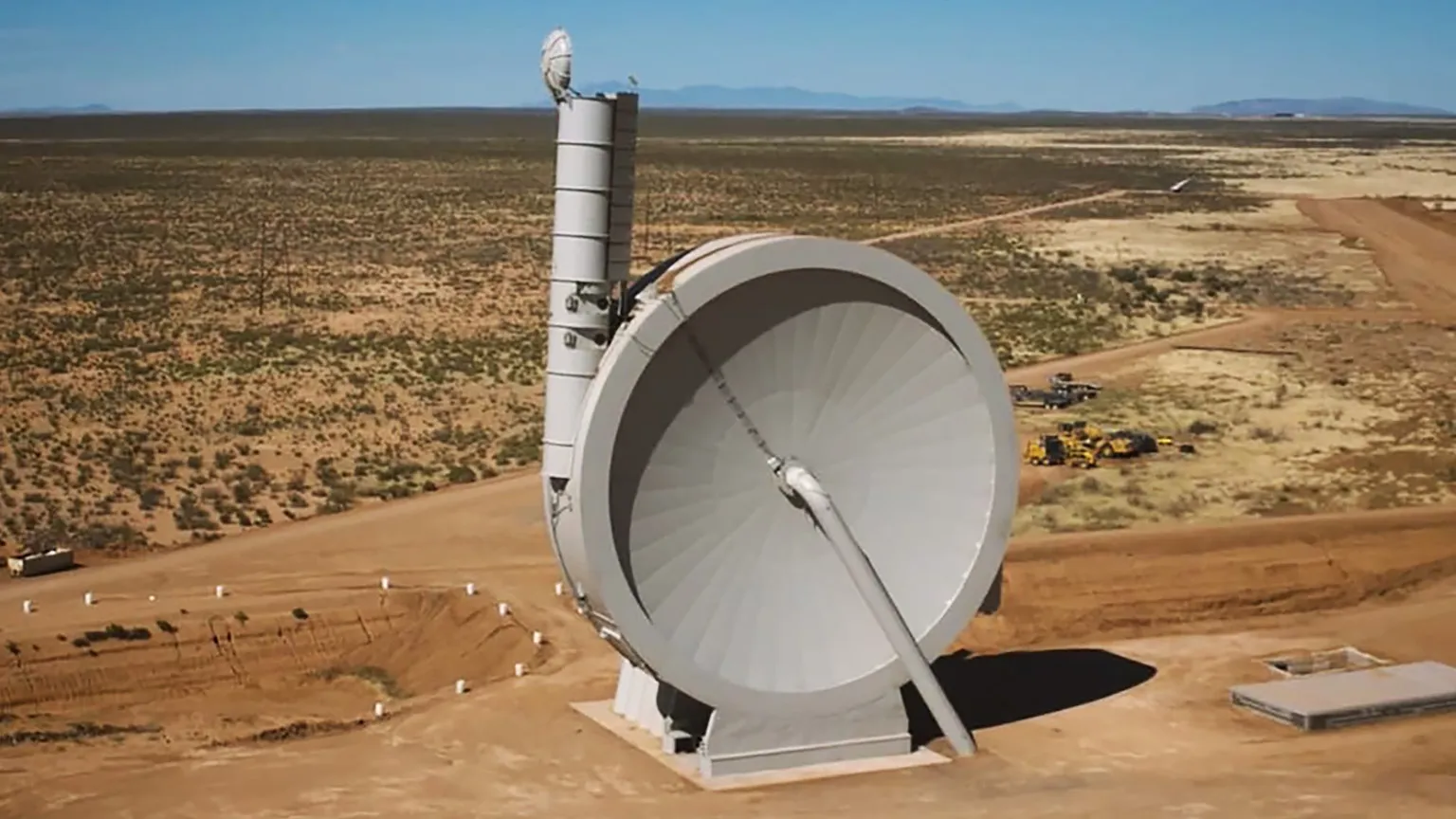
SpinLaunch's Kinetic Launch System

SpinLaunch's Kinetic Launch System

How a California startup's massive centrifuge could transform space access by eliminating rocket fuel, reducing costs by 70%, and enabling daily satellite launches - if it can overcome the physics of scaling from suborbital tests to orbital reality

China Files Plans for 200,000-Satellite Megaconstellation With ITU | KeepTrack Space Brief

China Files Plans for 200,000-Satellite Megaconstellation With ITU | KeepTrack Space Brief

China files ITU paperwork for megaconstellations totaling nearly 200,000 satellites. SpaceX launches first rideshare mission of 2026 from Vandenberg. NASA plans ISS crew medical evacuation.

The Day South Korea Achieved Independent Space Launch Capability

The Day South Korea Achieved Independent Space Launch Capability

Twelve years ago, South Korea successfully launched a satellite using its own launch vehicle and facilities for the first time, marking a crucial milestone in its journey to space independence

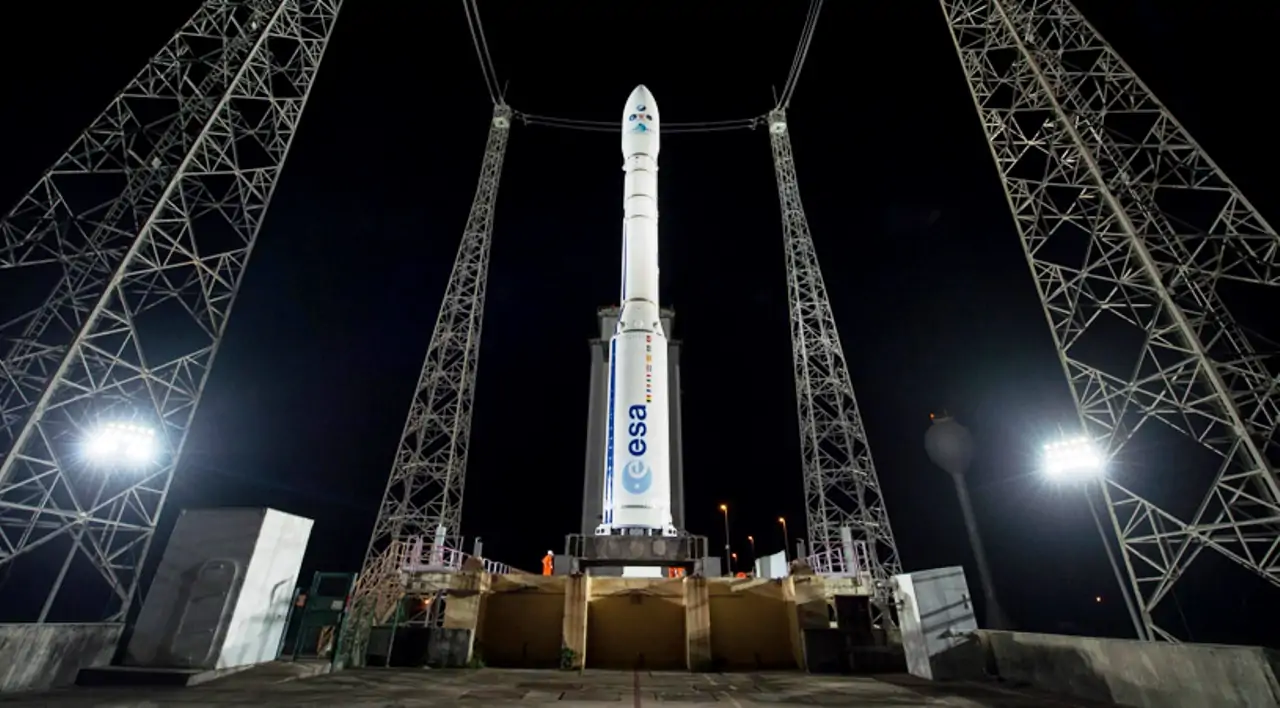
The Day Europe Changed the Game for Small Satellites

The Day Europe Changed the Game for Small Satellites

Thirteen years ago, a new rocket lifted off from the edge of the Amazon rainforest, marking Europe's entry into the small satellite launch market and carrying the dreams of university students across a continent