


Space Brief 24 Dec 2025
Today's highlights include the successes and setbacks in recent rocket launches, a notable satellite anomaly, and a significant expansion announcement from ESA.


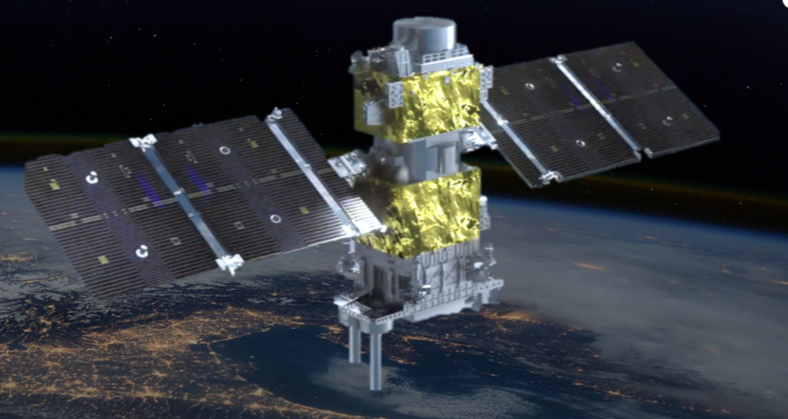
Launch Date
January 13, 2025
Launch Site
Yellow Sea Launch Area, China
Launch Pad
LP4
Launch Vehicle
Jielong-3
NORAD ID
62585
International Designator
2025-007L
Epoch
Sun, 19 Jul 2026 20:07:41 GMT
Apogee
Calculating...
Perigee
Calculating...
Inclination
54.99°
Right Ascension
177.12°
Eccentricity
Calculating...
Argument of Perigee
145.35°
Period
104.30 min
Mean Motion
13.81 rev/day
Latitude
Calculating...
Longitude
Calculating...
Altitude
Calculating...
Velocity
Calculating...
Name
CENTISPACE-1 S16
Alternative Name
Weili Kongjian 01-10
Type
Status
Owner
CENTI
Country
China
Constellation
CentiSpace
Related Satellites
Major Events
Launched on January 13, 2025, CENTISPACE-1 S16 successfully entered its designated orbit and commenced operations, contributing to the CentiSpace constellation's mission of GNSS augmentation.
1 62585U 25007L 26200.83867741 -.00000021 00000+0 11363-3 0 9994
2 62585 54.9860 177.1210 0012728 145.3454 214.8334 13.80628982 79227
Source: Celestrak
Length
1
Diameter
0.5
Span
2
Dry Mass
160
Launch Mass
160
Shape
Box-shaped with two deployable solar panels.
Radar Cross Section
0.5
Visual Magnitude
6
Color
Silver with white thermal blankets.
Material Composition
Constructed using aluminum alloys and composite materials for structural integrity and thermal management.
Payload
Centispace-01-10
Purpose
Technology ?
Mission
The CENTISPACE-1 S16 satellite is part of a low Earth orbit (LEO) constellation aimed at enhancing global navigation satellite system (GNSS) services. It serves as a technology demonstration platform for GNSS augmentation, providing improved positioning accuracy and reliability.
Manufacturer
HITSAT
Life Expectancy
Designed for a mission duration of approximately 5 years, focusing on technology demonstration and navigation enhancement.
Bus
WK01H
Configuration
WN-100 bus
Motor
Unknown
Equipment
Laser communication link
Power System
Equipped with two deployable solar arrays and batteries to supply power to its onboard systems.
ADCS
Three-axis stabilization system to maintain precise orientation.
Transmitter Frequency
S-band telemetry at 2222.161 MHz.
Learn more about satellites and other related topics.
Today's highlights include the successes and setbacks in recent rocket launches, a notable satellite anomaly, and a significant expansion announcement from ESA.
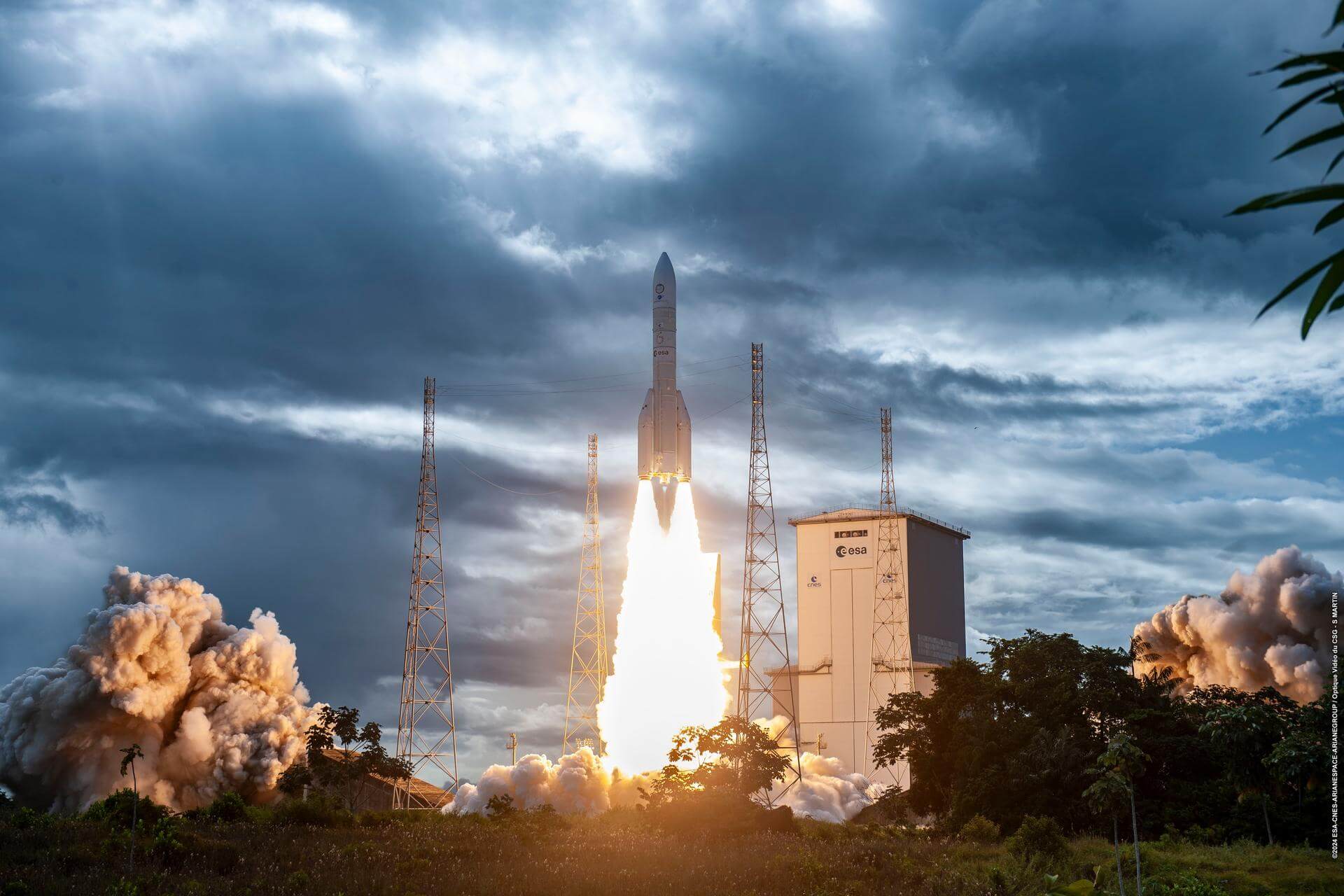
SpaceX launches Starlink satellites from both coasts, while first 3D atmospheric map of an exoplanet reveals extreme weather patterns, and Starlink missions push total count over 8,000 satellites.
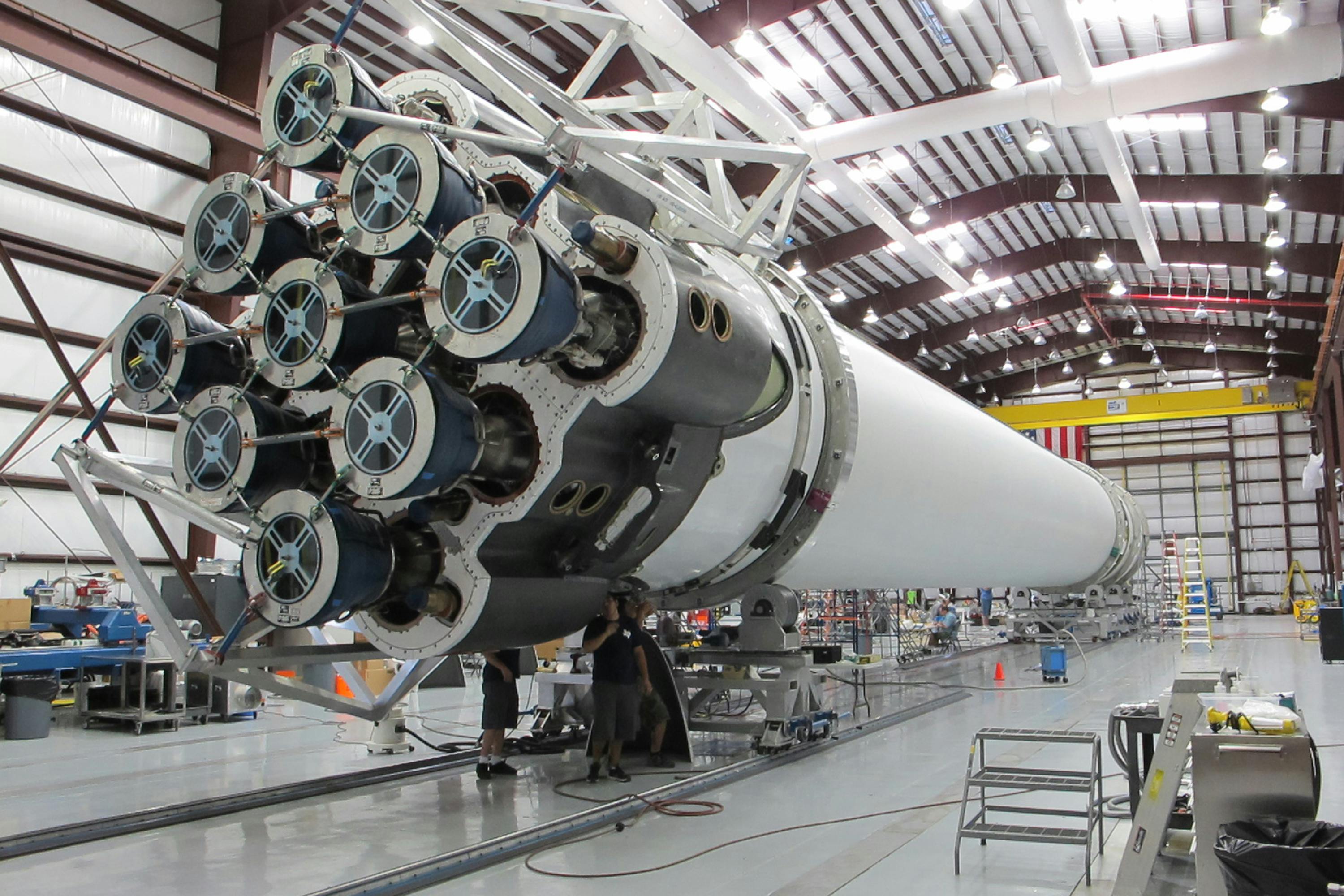
SpaceX makes strides in various sectors, from Starlink expanding services on United Airlines to new hardware aimed at enhancing home connectivity.

Explore the latest developments in international defense collaborations, aerospace advancements, and emerging military trends shaping our orbital environments.
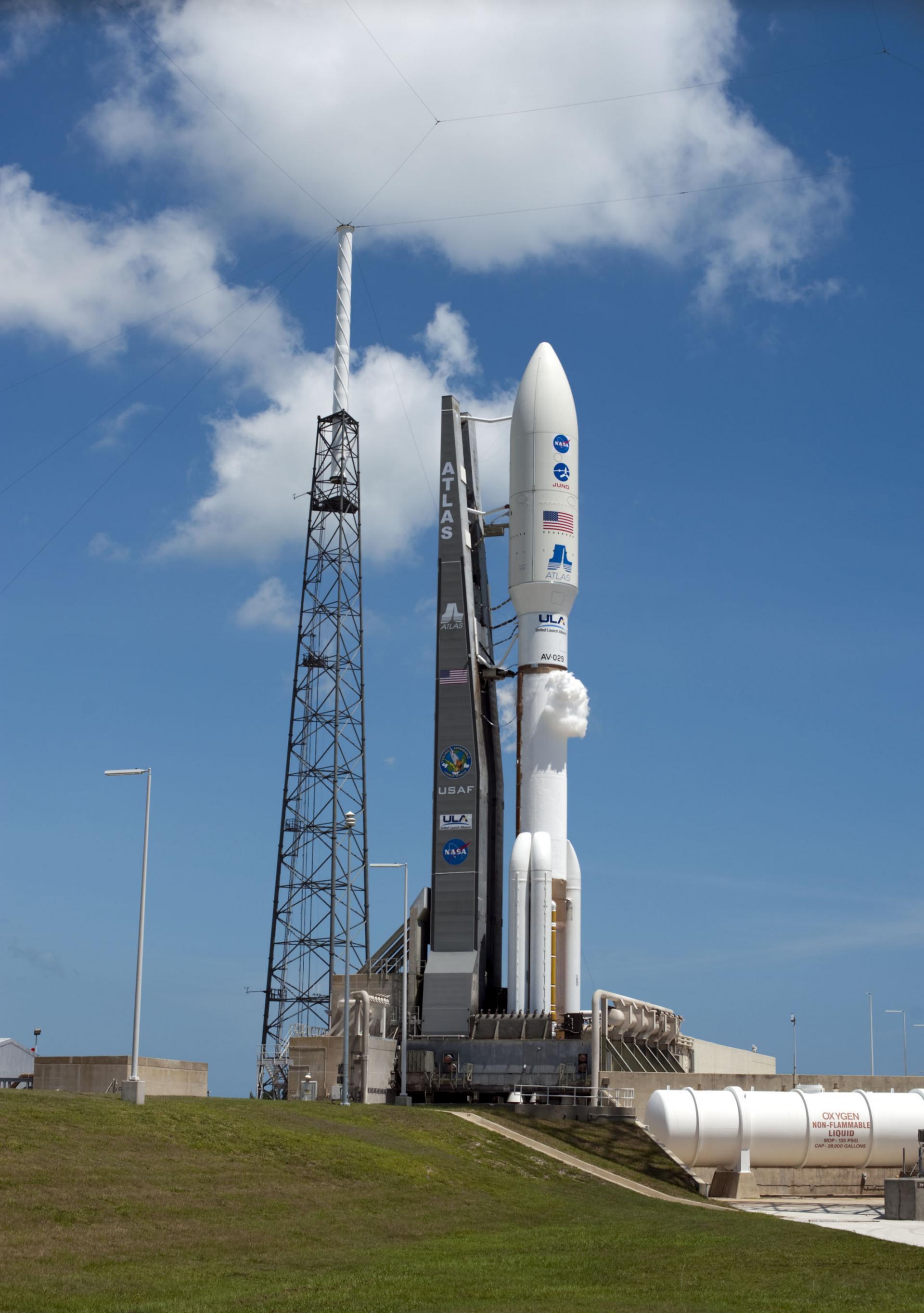
Today's brief covers a significant GPS satellite launch by SpaceX, China's classified satellite mission, and Rocket Lab's strategic steps in the defense sector.
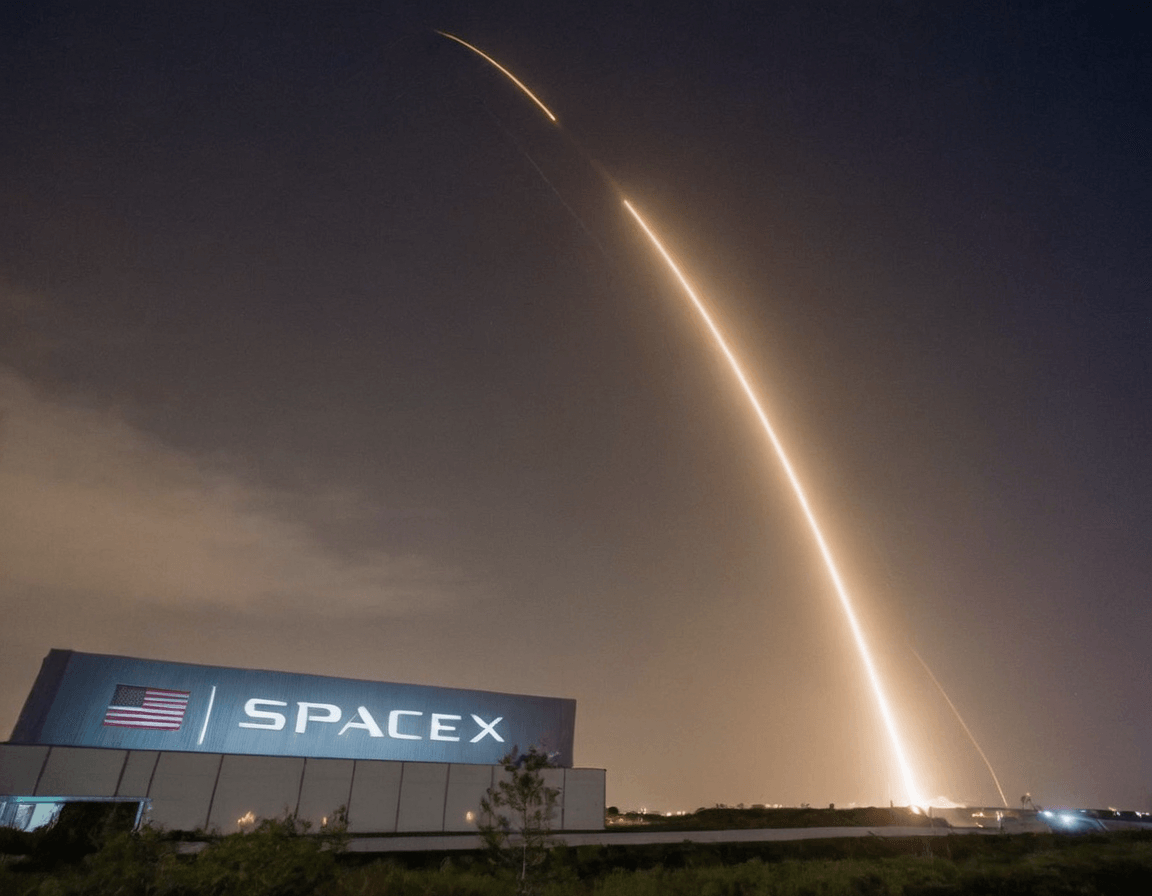
SpaceX successfully returns to flight with a Starlink mission, detailing the cause of the July 11 anomaly and implementing fixes to prevent future incidents.

SpaceX set to launch 11,000th Starlink satellite on Starlink 17-19 from Vandenberg. NASA moves Crew-12 launch to Feb 11 after ISS medical evacuation. Starship V3 targets mid-March first flight.
Pentagon increases Golden Dome missile defense budget by $10B to $185B, funding HBTSS hypersonic tracking constellation expansion. Three acceleration priorities announced.