


X Report 20 Jul 2025
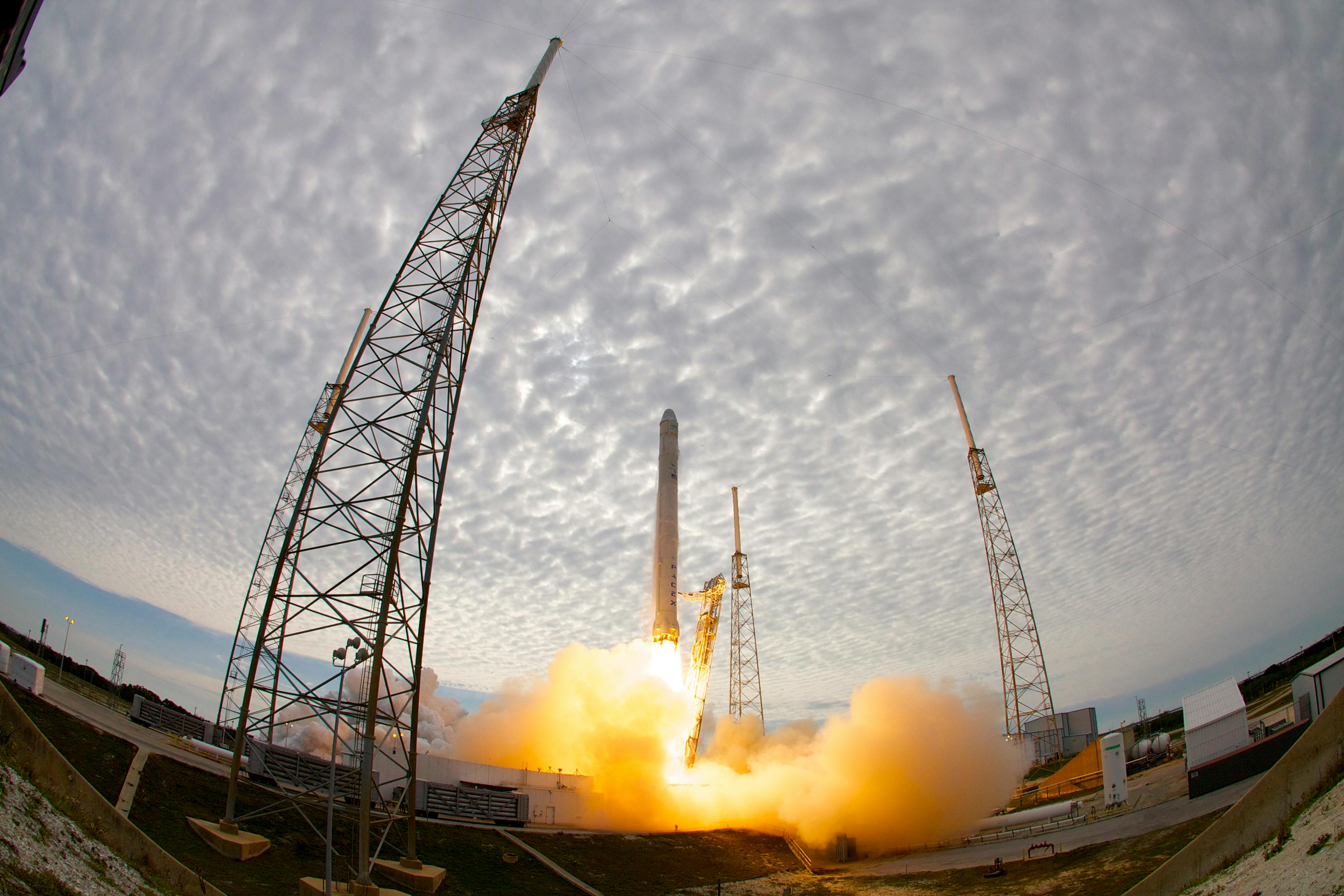
SpaceX successfully launched 24 Starlink satellites, enhancing its constellation while continuing its leadership in satellite deployment for global internet coverage.


Launch Date
January 13, 2025
Launch Site
YSLA
Launch Pad
LP4
Launch Vehicle
Jielong-3
NORAD ID
62583
International Designator
2025-007J
Epoch
Sun, 19 Jul 2026 18:55:25 GMT
Apogee
Calculating...
Perigee
Calculating...
Inclination
54.98°
Right Ascension
178.59°
Eccentricity
Calculating...
Argument of Perigee
148.73°
Period
104.30 min
Mean Motion
13.81 rev/day
Latitude
Calculating...
Longitude
Calculating...
Altitude
Calculating...
Velocity
Calculating...
Name
CENTISPACE-1 S14
Alternative Name
Weili Kongjian 01-08
Type
Status
Owner
Beijing Future Navigation Technology Co., Ltd.
Country
China
Constellation
CentiSpace-1
Related Satellites
Major Events
Launched on January 13, 2025, aboard a Jielong-3 rocket from YSLA. Successfully entered its planned orbit and commenced operations to enhance GNSS services.
1 62583U 25007J 26200.78849096 -.00000116 00000+0 23261-4 0 9995
2 62583 54.9823 178.5881 0011708 148.7293 211.4362 13.80615413 79216
Source: Celestrak
Length
1
Diameter
0.5
Span
2
Dry Mass
160
Launch Mass
160
Shape
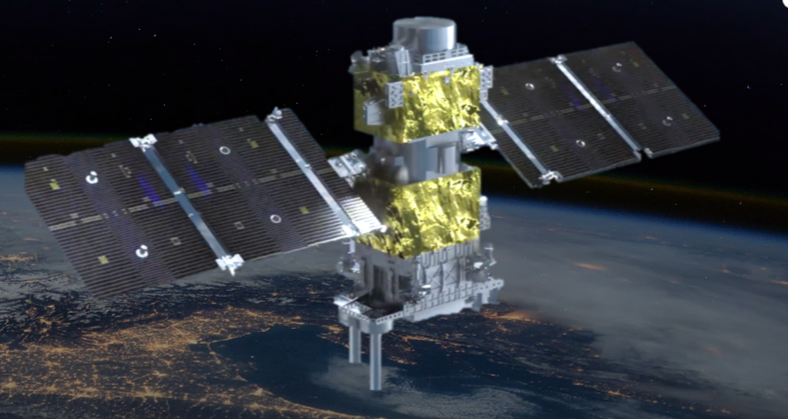
Box-shaped with two deployable solar panels.
Radar Cross Section
0.5
Visual Magnitude
5
Color
White
Material Composition
Aluminum alloy structure with composite materials for specific components.
Payload
Navigation augmentation payload
Purpose
Technology ?
Mission
The CentiSpace-1 S14 satellite is part of a low Earth orbit (LEO) constellation aimed at enhancing Global Navigation Satellite System (GNSS) services. It focuses on providing GNSS augmentation signals to improve positioning accuracy and integrity.
Manufacturer
DFHS
Life Expectancy
Designed for a mission duration of approximately 5 years.
Bus
WK01
Configuration
WN-100 bus
Motor
Unknown
Equipment
Laser communication link
Power System
Equipped with two deployable solar arrays and batteries to power its onboard systems.
ADCS
Three-axis stabilization
Transmitter Frequency
L-band and S-band frequencies for navigation augmentation and communication.
Learn more about satellites and other related topics.
SpaceX successfully launched 24 Starlink satellites, enhancing its constellation while continuing its leadership in satellite deployment for global internet coverage.
SpaceX swaps Crew Dragon capsules with NASA to accelerate Crew-10 launch, and successfully launches multiple Starlink satellites into orbit.
Today's highlights cover critical satellite launches including SpaceX's GPS III mission, advancements in SATCOM technology, and changes in NASA leadership.
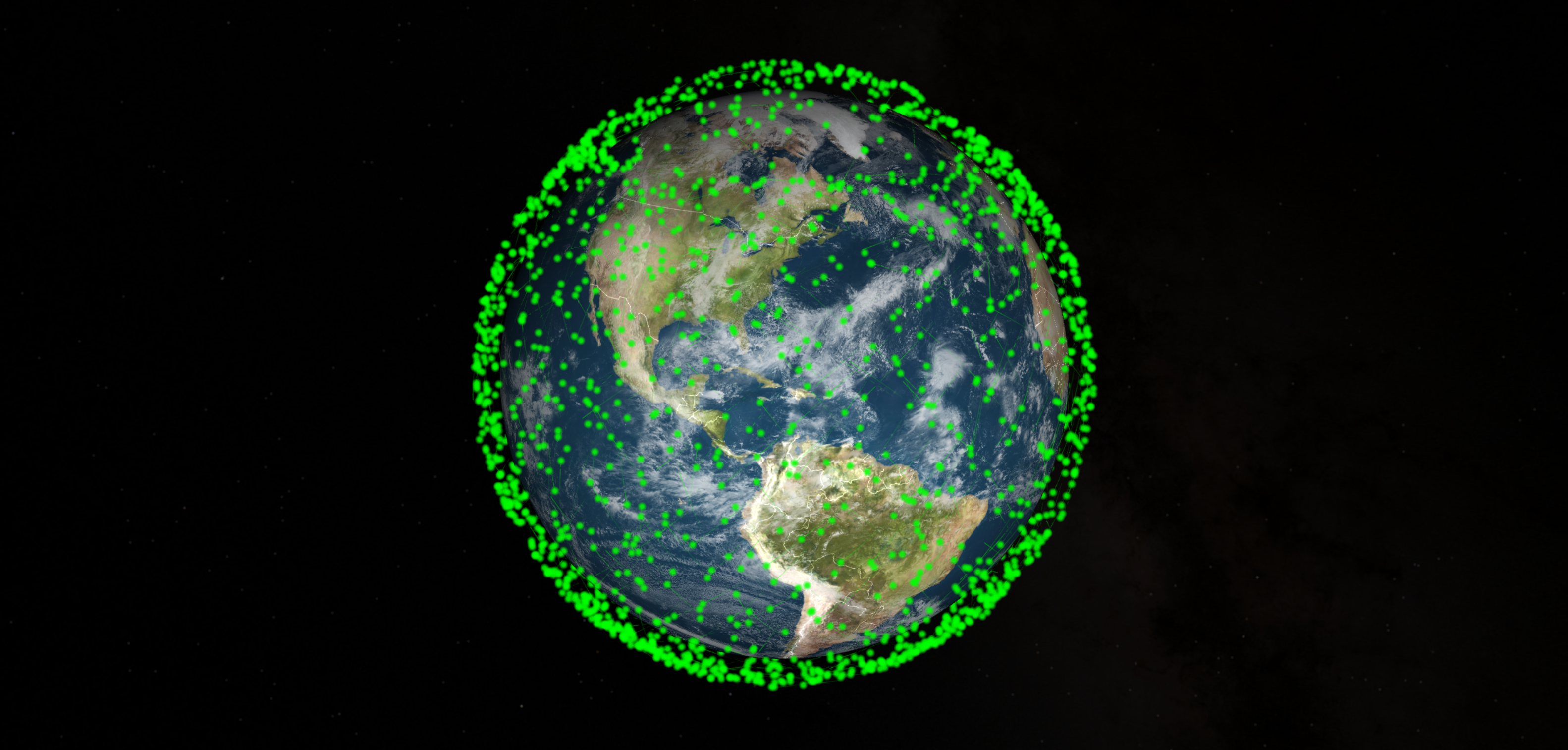
SpaceX quietly built the world's largest 4G network without a single cell tower. Over 650 satellites now connect standard smartphones directly from orbit, and most people carrying compatible phones don't know the service exists.
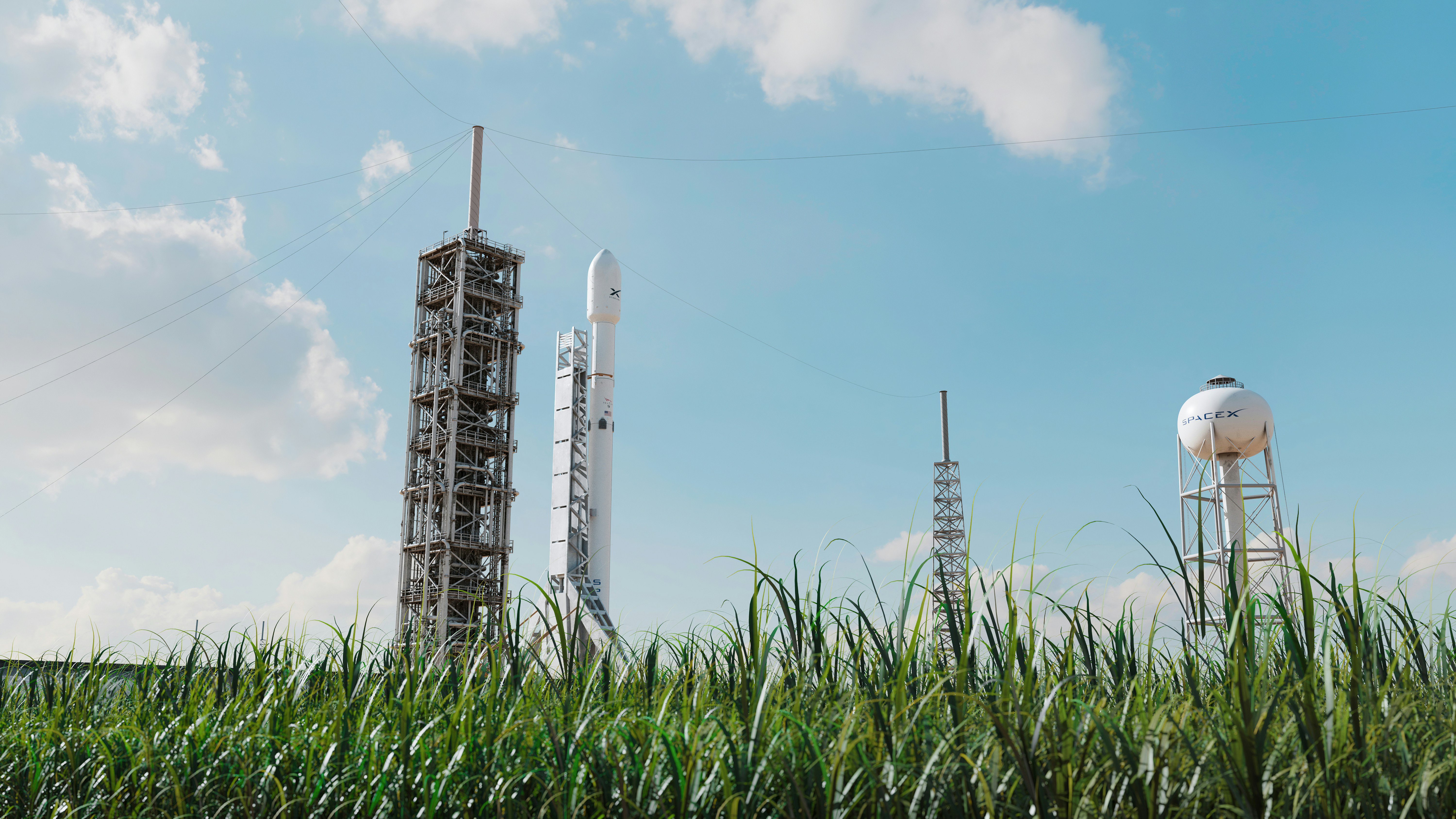
SpaceX continues to break records with the Falcon 9's 30th flight while Starship's successful test flight propels the program forward after recent challenges.
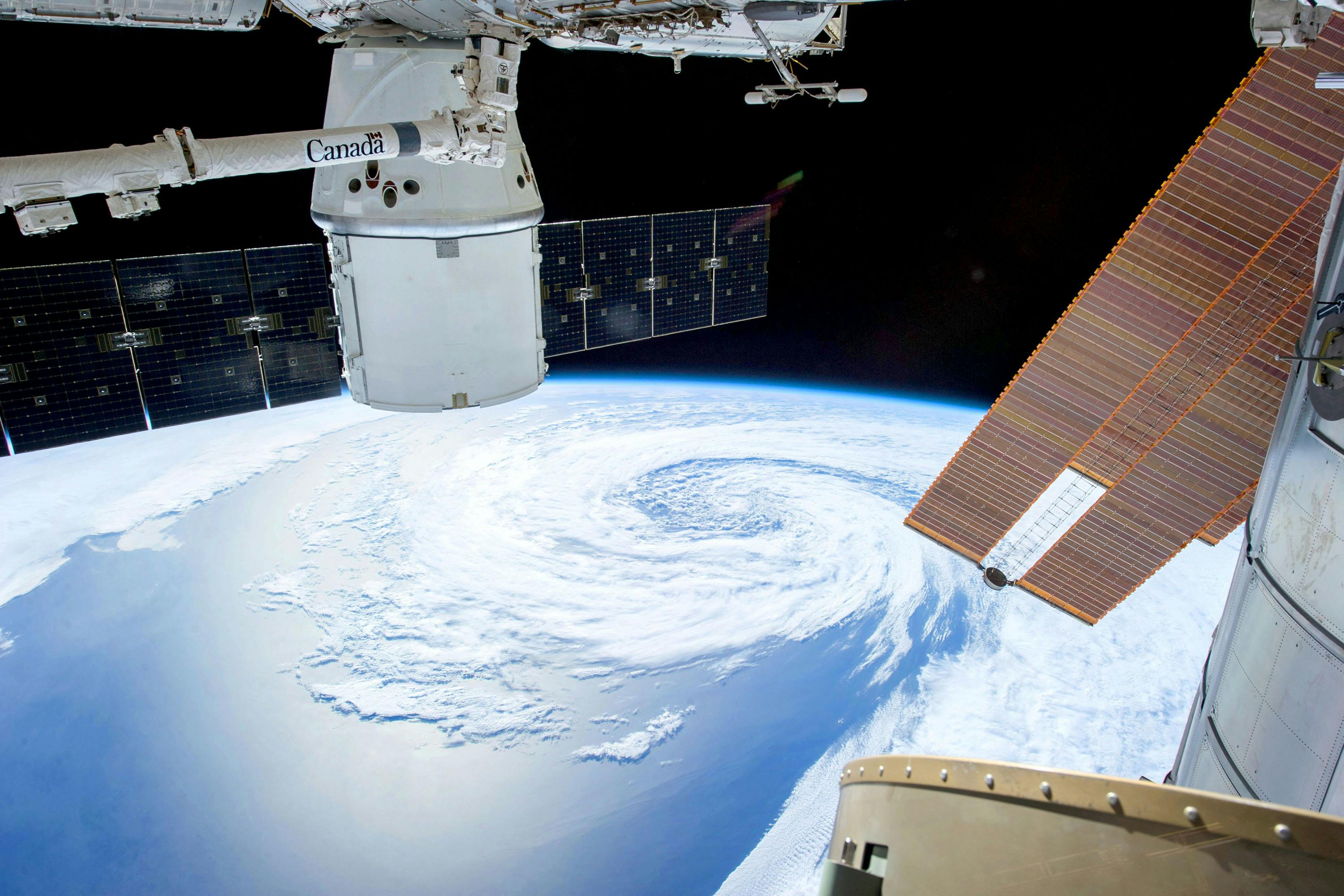
SpaceX successfully rotates Crew-9 and Crew-10 on the ISS and launches new Starlink satellites with direct-to-cell capability.
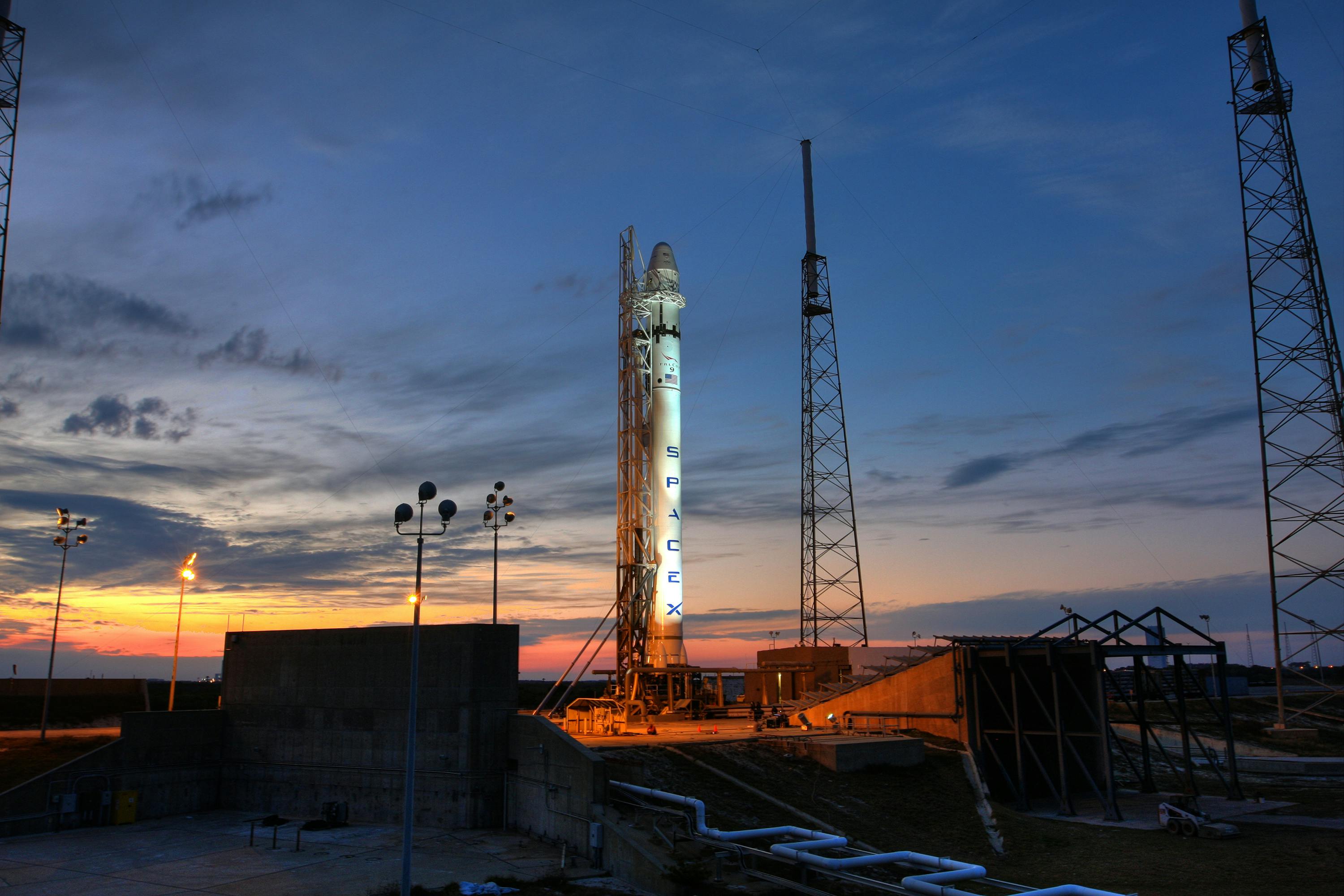
SpaceX successfully launched 29 Starlink satellites, bolstering its broadband network and expanding global internet coverage.
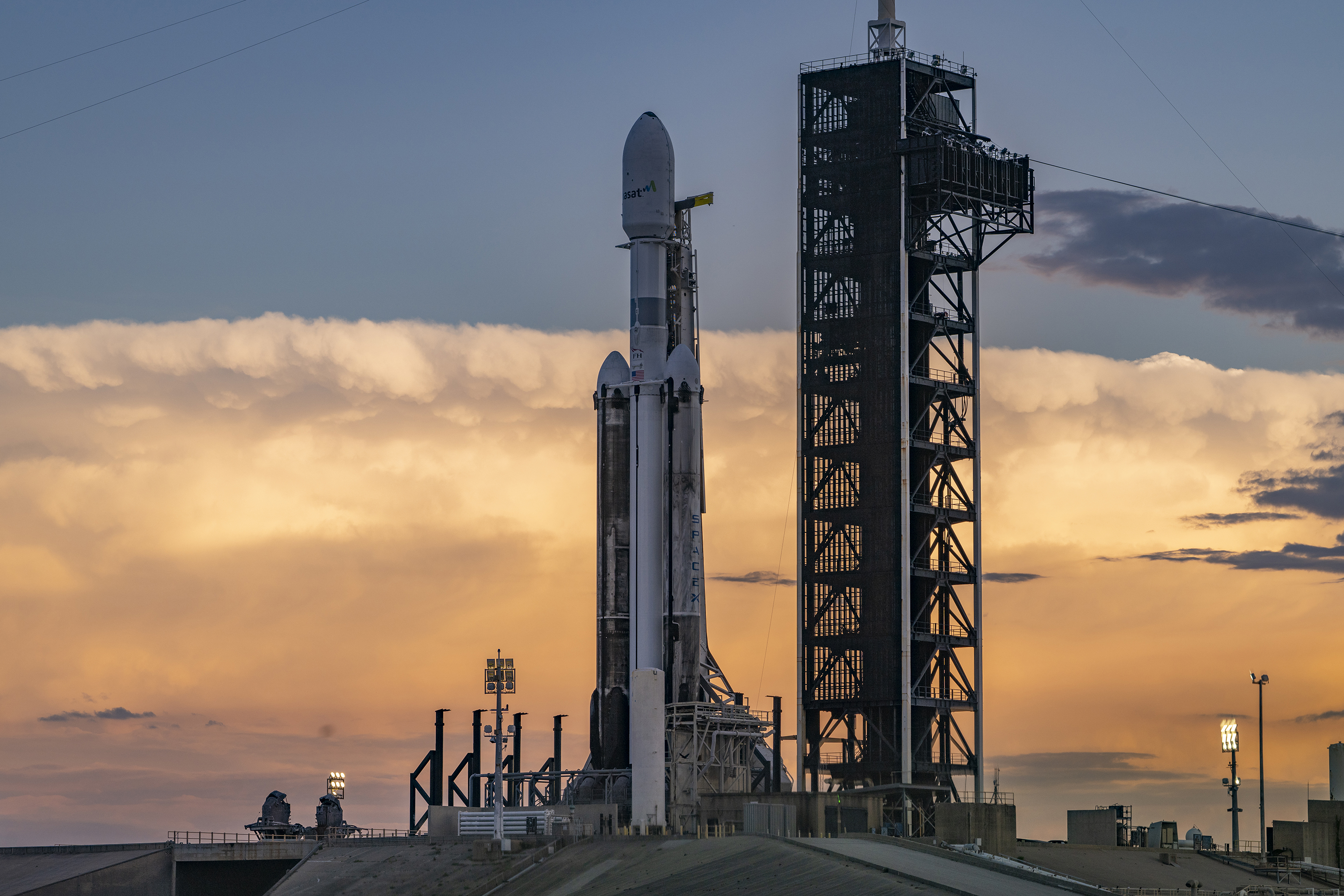
ULA's Atlas V deployed 29 Amazon Kuiper LEO satellites on April 27. Falcon Heavy returns this week with ViaSat-3 F3. Six orbital launches scheduled across three continents.