


Crew-11 Emergency Evacuation Raises Space Rescue Alarm | KeepTrack X Report
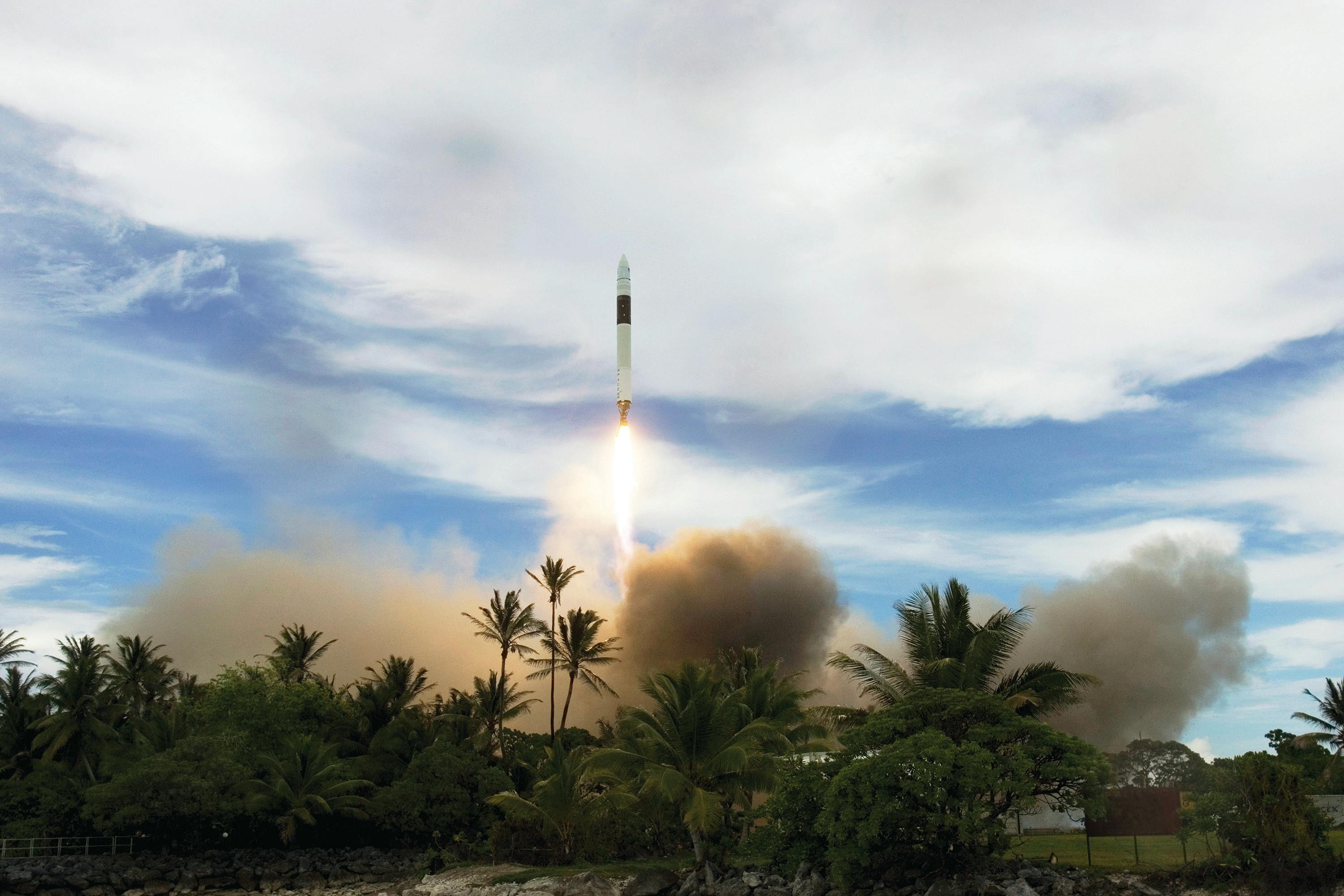
SpaceX Crew-11 made an emergency return from the ISS on Jan. 15 after a medical crisis, spotlighting gaps in space rescue infrastructure.



Launch Date
January 13, 2025
Launch Site
Yellow Sea Launch Area (YSLA)
Launch Pad
LP4
Launch Vehicle
Jielong-3
NORAD ID
62580
International Designator
2025-007F
Epoch
Mon, 20 Jul 2026 22:53:36 GMT
Apogee
Calculating...
Perigee
Calculating...
Inclination
54.98°
Right Ascension
173.01°
Eccentricity
Calculating...
Argument of Perigee
154.14°
Period
104.30 min
Mean Motion
13.81 rev/day
Latitude
Calculating...
Longitude
Calculating...
Altitude
Calculating...
Velocity
Calculating...
Name
CentiSpace-1 S11
Alternative Name
Weili Kongjian 01-05
Type
Status
Owner
Beijing Future Navigation Technology Co., Ltd.
Country
China
Constellation
CentiSpace-1
Related Satellites
Major Events
Launched on January 13, 2025, CentiSpace-1 S11 is part of a constellation aimed at enhancing GNSS performance through technology experiments in LEO.
1 62580U 25007F 26201.95389354 -.00000085 00000+0 52934-4 0 9992
2 62580 54.9759 173.0106 0011296 154.1440 206.0082 13.80617308 79391
Source: Celestrak
Length
1
Diameter
0.5
Span
2
Dry Mass
160
Launch Mass
160
Shape
Box with two solar panels
Radar Cross Section
0.3
Visual Magnitude
6.5
Color
White with blue solar panels
Material Composition
Aluminum alloy structure with composite materials for the solar panels.
Payload
Navigation augmentation payload
Purpose
Technology ?
Mission
The CentiSpace-1 S11 satellite is part of a low Earth orbit (LEO) satellite-based augmentation system aimed at enhancing global navigation satellite system (GNSS) performance. It conducts technology experiments to improve positioning, navigation, and timing (PNT) services.
Manufacturer
DFH Satellite Co., Ltd.
Life Expectancy
Designed for a mission duration of approximately 5 years.
Bus
WK01
Configuration
WN-100 bus
Motor
Unknown
Equipment
Laser communication link
Power System
Equipped with two deployable solar arrays and batteries to power its systems.
ADCS
Three-axis stabilization
Transmitter Frequency
L-band and S-band frequencies for navigation and communication purposes.
Learn more about satellites and other related topics.
SpaceX Crew-11 made an emergency return from the ISS on Jan. 15 after a medical crisis, spotlighting gaps in space rescue infrastructure.

SpaceX preps for its sixth Starship test flight, moving the Super Heavy rocket to the pad. China's unveils a Starship-like reusable rocket concept, while Starlink expands with 24 new satellites launched.

On February 2, 1909, Robert Goddard made a revolutionary breakthrough in his notebook: liquid oxygen and liquid hydrogen could achieve 50% efficiency in converting heat energy to kinetic energy for rocket propulsion

Today's Space Brief covers the landing of the X-37B spaceplane after a 434-day mission, the postponement of SDA's satellite launch, and the fiery debris from SpaceX's Starship over The Bahamas.
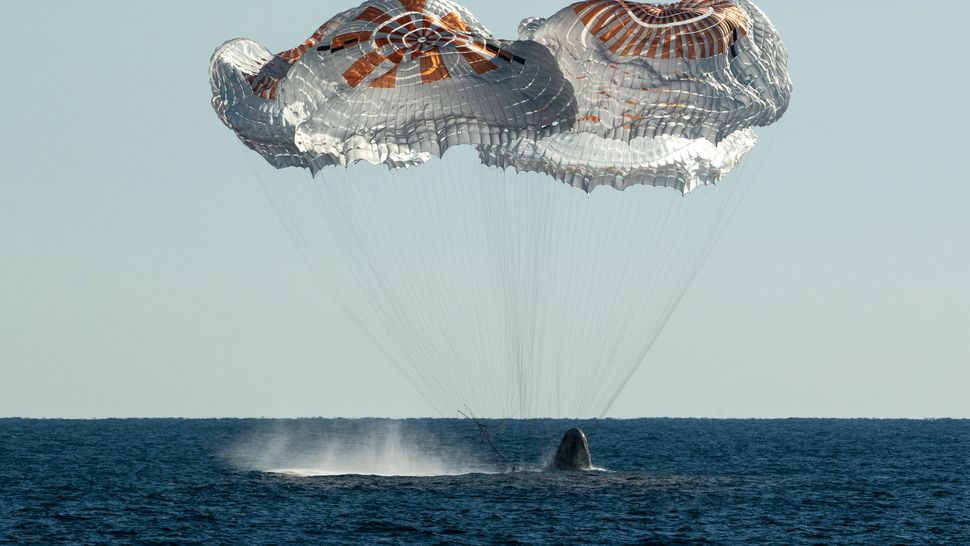
Today's highlights include Crew-8's return amid weather delays, new space tourism announcements by Deep Blue Aerospace, and Europe's efforts to combat space debris. Plus, another successful SpaceX launch and the ESA backed Zero Debris Charter gains international traction.
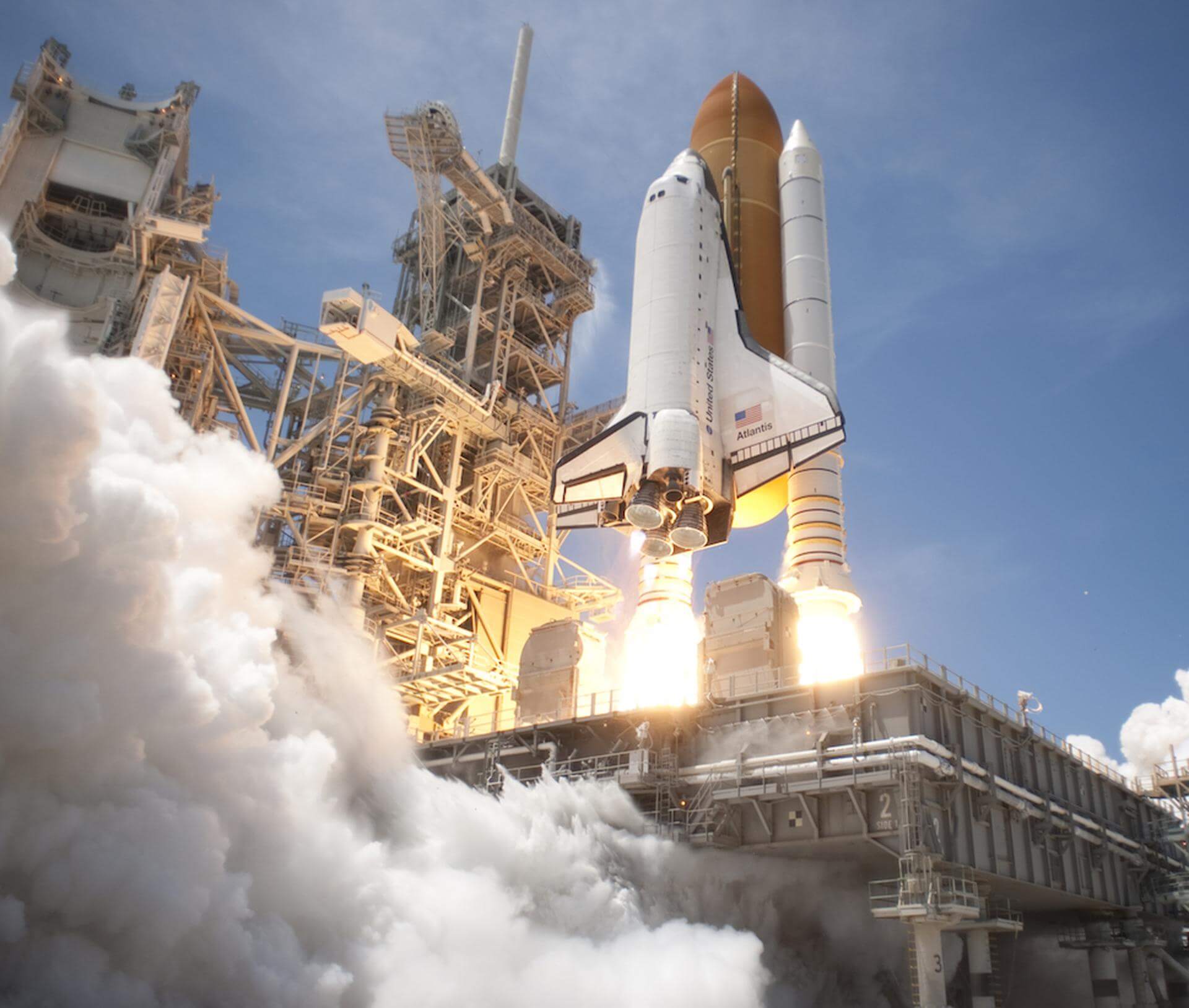
Artemis II crew surpassed Apollo 13's distance record during April 6 lunar flyby. Orion carried 4 astronauts—including Canadian Jeremy Hansen—farther from Earth than any humans.

Space highlights include a debut launch of ZhuQue-2E, Firefly's lunar lander timeline, semiconductor funding for satellites, and ISS debris avoidance.
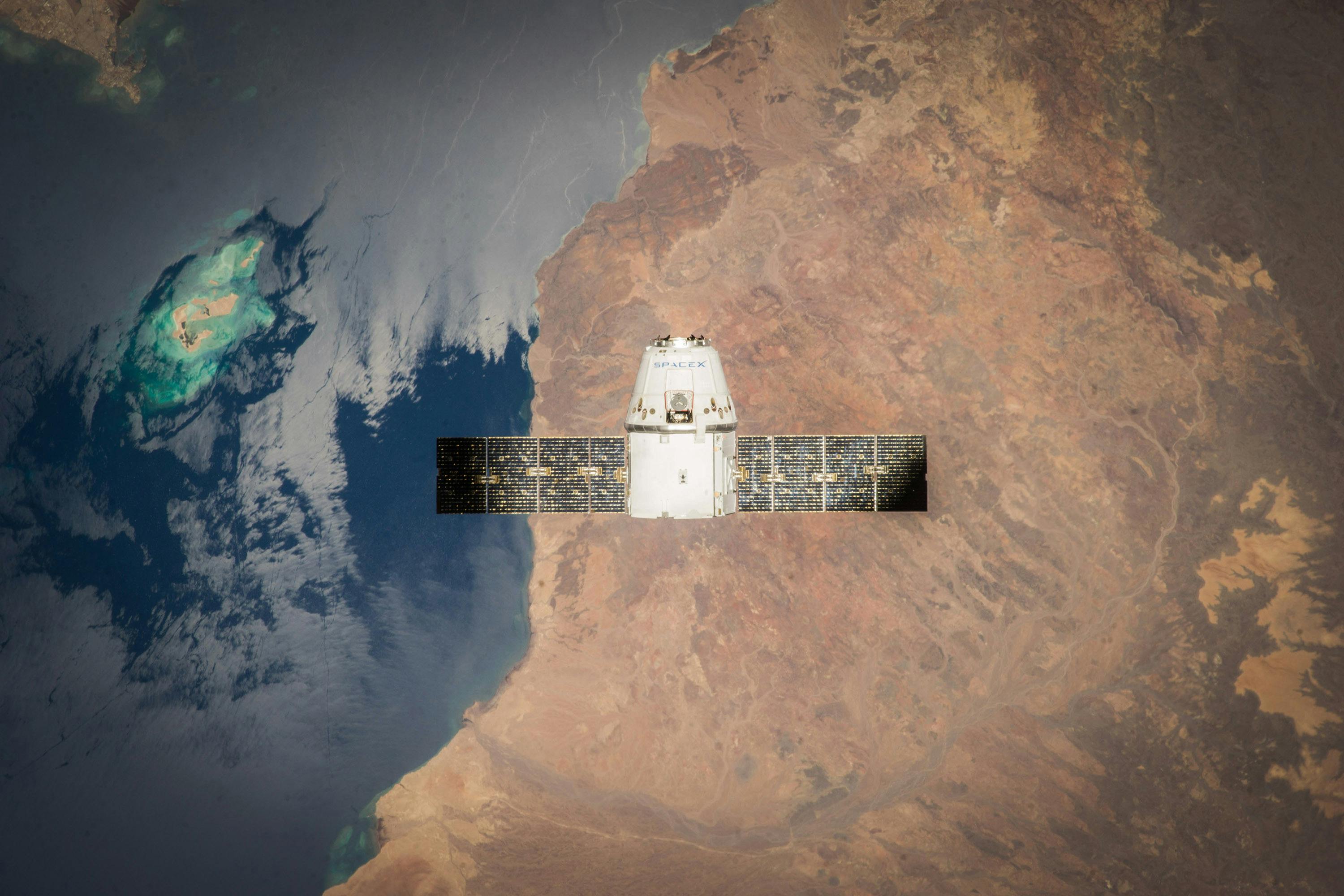
SpaceX made strides in both Starship and Starlink missions this week, launching another round of satellites while concurrently testing their Starship capabilities amidst challenges.