


X Report 23 Jan 2025
SpaceX gears up for Starship Flight 8 amidst Starlink's growing presence in global internet markets.



Launch Date
January 6, 2025
Launch Site
Launch Pad
LC40
Launch Vehicle
NORAD ID
62488
International Designator
2025-003B
Epoch
Sun, 19 Jul 2026 05:34:33 GMT
Apogee
Calculating...
Perigee
Calculating...
Inclination
43.00°
Right Ascension
265.71°
Eccentricity
Calculating...
Argument of Perigee
265.78°
Period
94.27 min
Mean Motion
15.28 rev/day
Latitude
Calculating...
Longitude
Calculating...
Altitude
Calculating...
Velocity
Calculating...
Name
STARLINK-32732
Alternative Name
Starlink 32732
Type
Status
Owner
SPXS
Country
United States
Constellation
N/A
Related Satellites
Major Events
N/A
1 62488U 25003B 26200.23233287 .00004556 00000+0 17496-3 0 9997
2 62488 42.9997 265.7115 0001394 265.7805 94.2887 15.27582251 86670
Source: Celestrak
Length
0.3
Diameter
4.1
Span
29
Dry Mass
700
Launch Mass
730
Shape
Box + pan
Radar Cross Section
Unknown
Visual Magnitude
Unknown
Color
Unknown
Material Composition
Unknown
Payload
Starlink Group 6-71-02
Purpose
Unknown
Mission
Unknown
Manufacturer
SPXS
Life Expectancy
Unknown
Bus
Starlink V2M
Configuration
Unknown
Motor
Unknown
Equipment
Unknown
Power System
Unknown
ADCS
Unknown
Transmitter Frequency
Unknown
Learn more about satellites and other related topics.
SpaceX gears up for Starship Flight 8 amidst Starlink's growing presence in global internet markets.
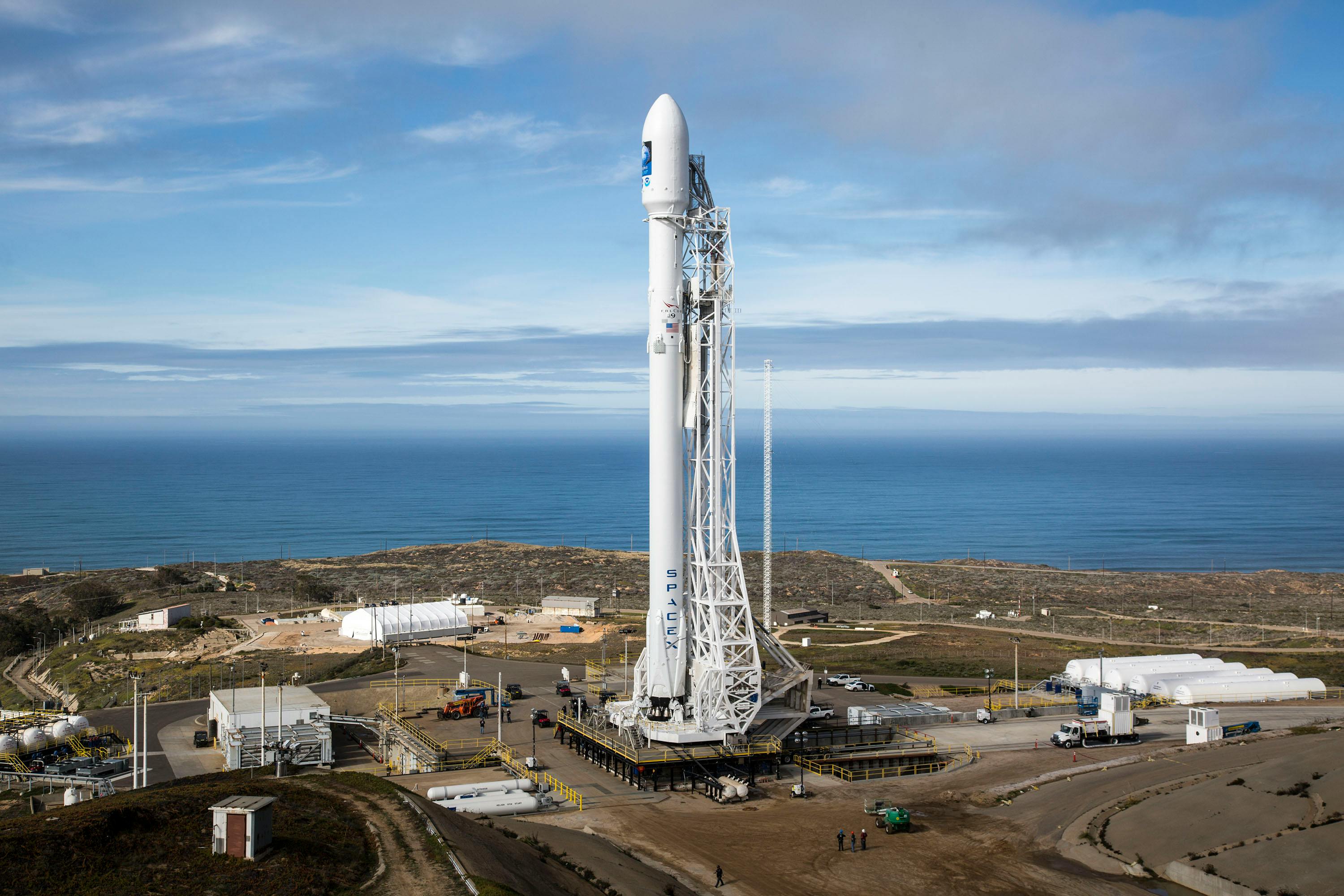
SpaceX successfully launched 23 Starlink satellites, enhancing Direct to Cell capabilities from Florida's Space Coast.
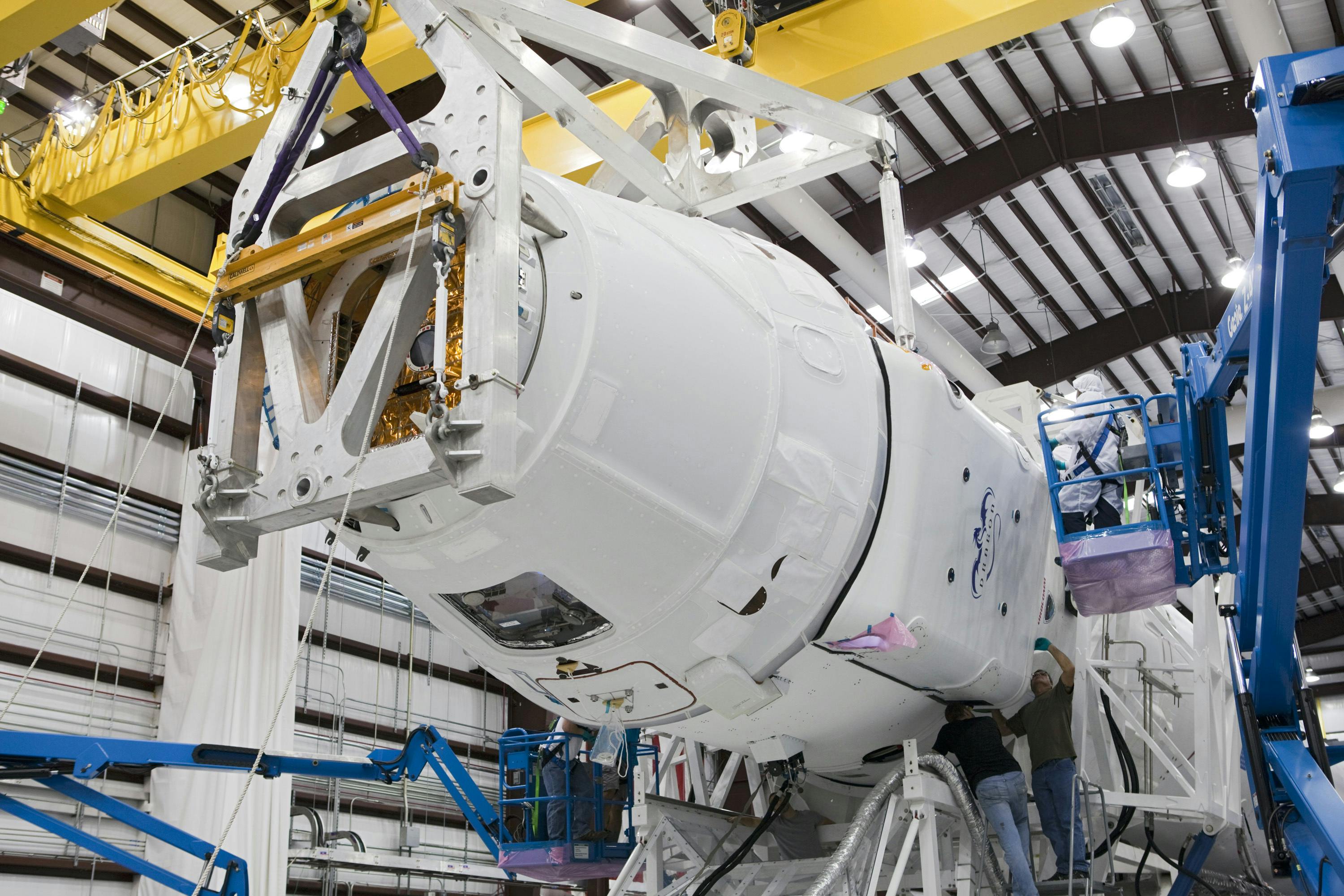
SpaceX secures a significant military contract while successfully launching multiple batches of Starlink satellites. Furthermore, milestones aboard the ISS highlight ongoing space missions.
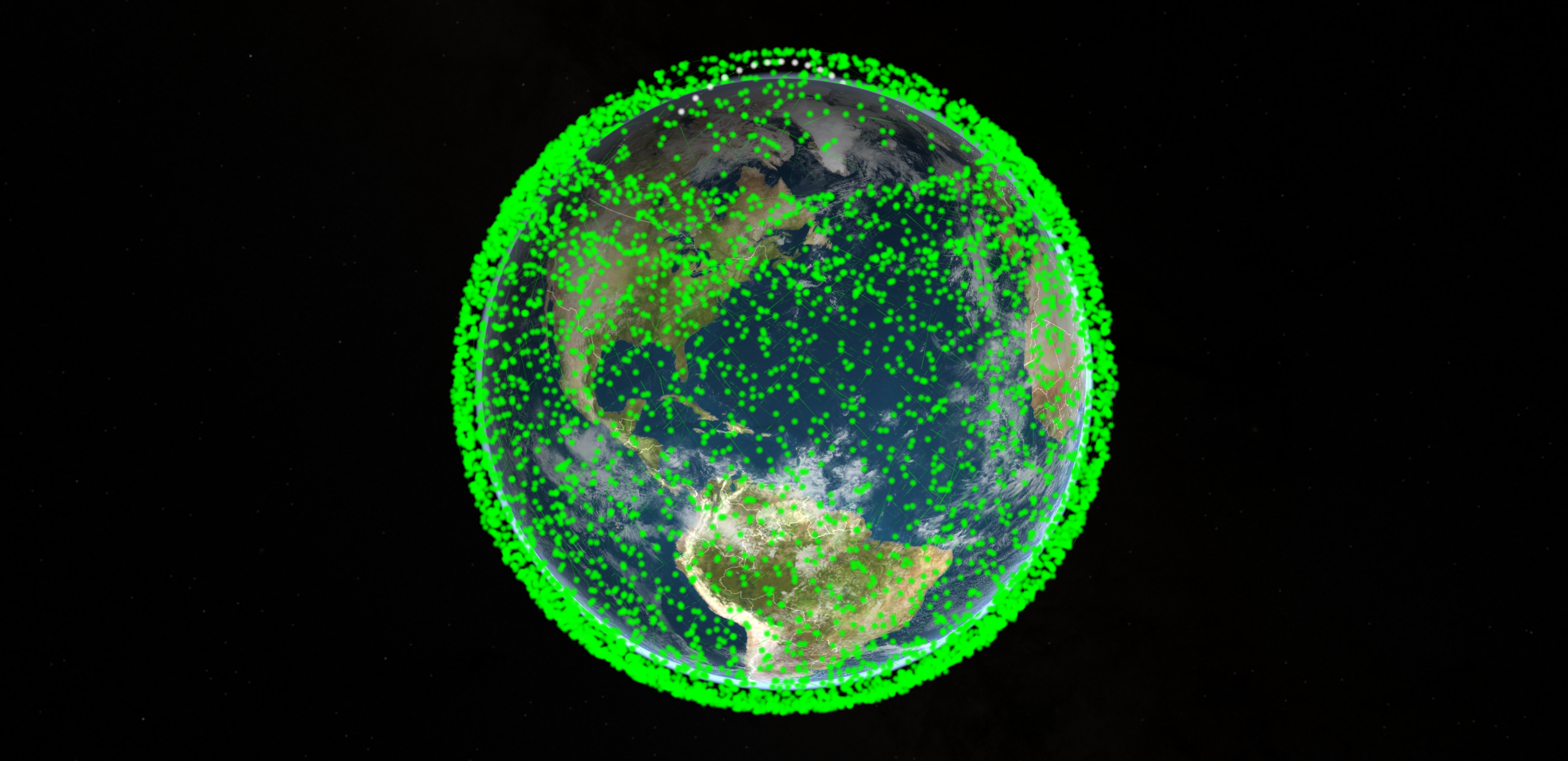
STARLINK-34343 broke apart at 560 kilometers. SpaceX's response - launch more satellites the next morning - tells you everything about the confidence gap between fleet statistics and individual failure modes.
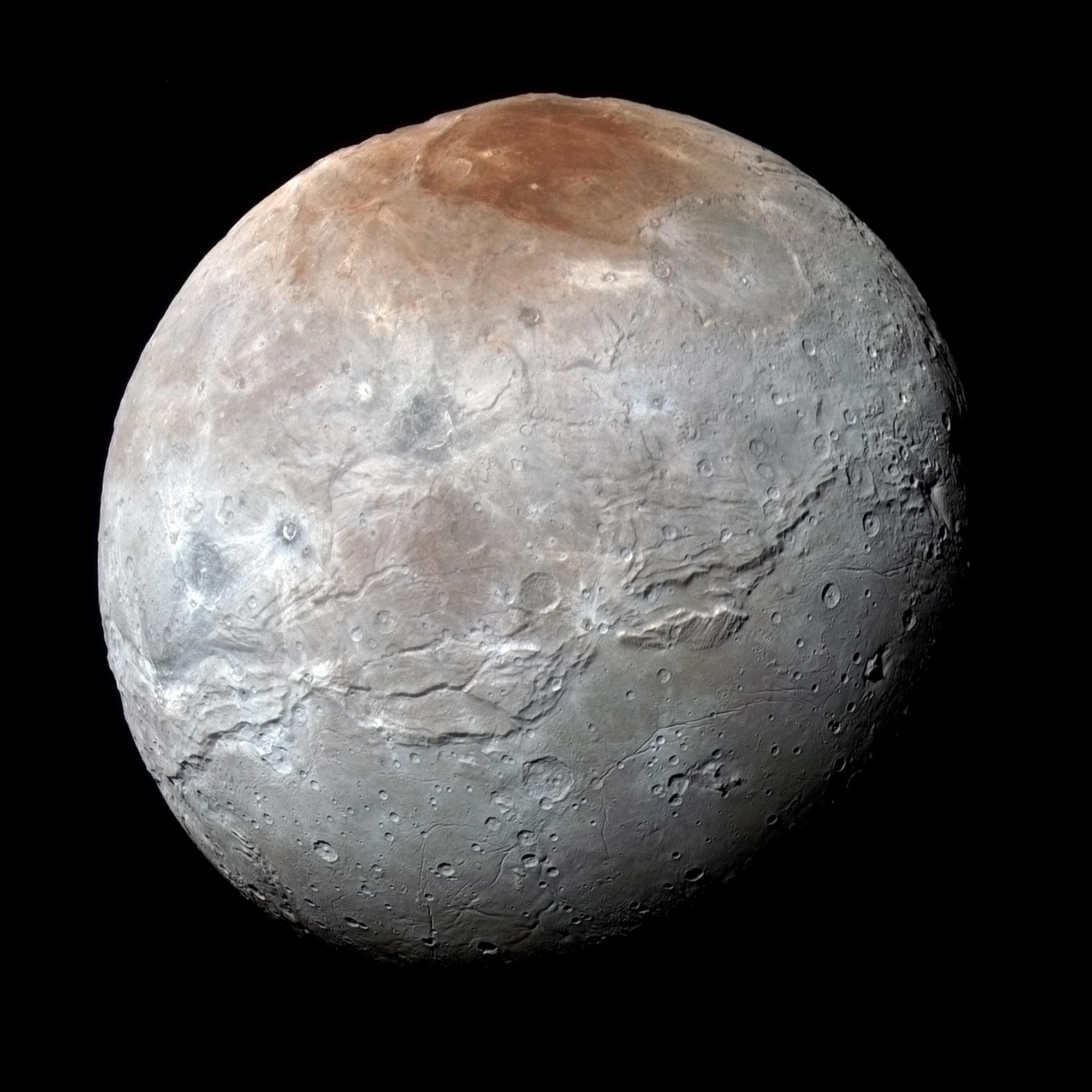
On 22 June 1978, an astronomer at the U.S. Naval Observatory looked at photographic plates that had been stamped 'image defective' and noticed a small bump on the side of Pluto. The bump was a moon, and finding it finally let astronomers weigh a planet that had fooled them for half a century.
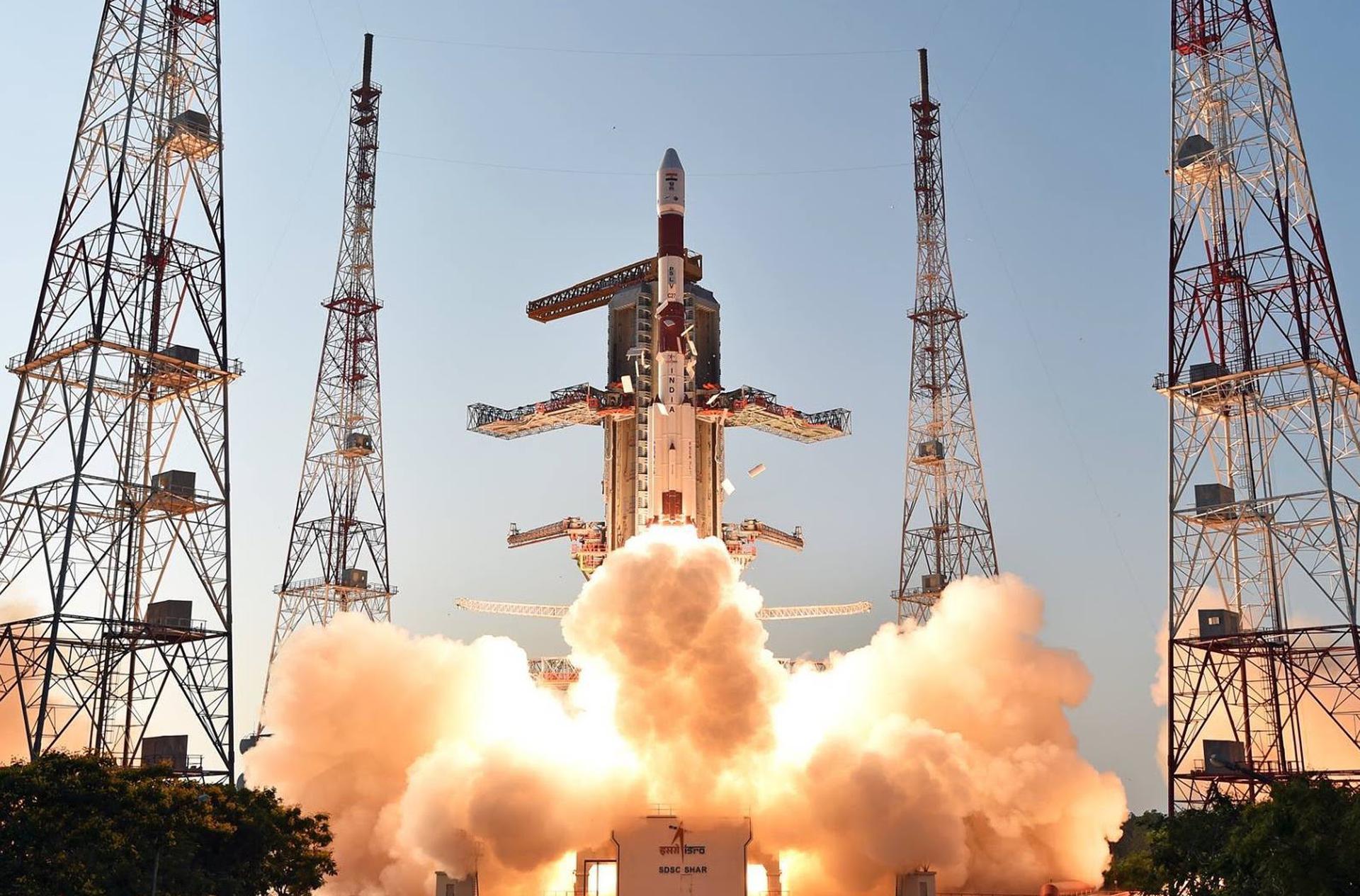
Today's highlights include China's latest satellite launches, Blue Origin's expansion plans, and Purdue University's groundbreaking suborbital mission with Virgin Galactic.

The White House wants to cut NASA's science budget nearly in half for the second year running. Administrator Jared Isaacman says it's enough. Congress already rejected this exact idea once.

Today's brief covers China's intense launch schedule, a new Arctic military constellation, Muon Space's defense innovations, and SpaceX's classified NROL-77 mission.