


X Report 20 Apr 2025
SpaceX is preparing for significant infrastructure expansion in Texas and Florida to support Starship, launches its third NRO mission in a week, and faces regulatory scrutiny from the Bahamas.



Launch Date
January 4, 2025
Launch Site
Cape Canaveral Space Force Station
Launch Pad
SLC-40
Launch Vehicle
Falcon 9 Block 5
NORAD ID
62483
International Designator
2025-001A
Epoch
Sun, 19 Jul 2026 20:13:50 GMT
Apogee
Calculating...
Perigee
Calculating...
Inclination
0.02°
Right Ascension
76.11°
Eccentricity
Calculating...
Argument of Perigee
335.73°
Period
1436.09 min
Mean Motion
1.00 rev/day
Latitude
Calculating...
Longitude
Calculating...
Altitude
Calculating...
Velocity
Calculating...
Name
Thuraya 4-NGS
Alternative Name
Thuraya 4 Next Generation Satellite
Type
Status
Owner
Space42
Country
United Arab Emirates
Constellation
Thuraya
Related Satellites
Major Events
Launched on January 4, 2025, Thuraya 4-NGS is expected to commence operational services after reaching its designated geostationary orbit and completing in-orbit testing.
1 62483U 25001A 26200.84294183 .00000136 00000+0 00000+0 0 9998
2 62483 0.0201 76.1083 0000031 335.7287 233.5563 01.00272319 4503
Source: Celestrak
Length
8
Diameter
3
Span
40
Dry Mass
5000
Launch Mass
5000
Shape
Box-shaped main body with large deployable antenna and solar arrays
Radar Cross Section
Unknown
Visual Magnitude
Estimated at 8.0 based on size and reflectivity
Color
Predominantly white with company logos and markings
Material Composition
Constructed using lightweight aluminum and composite materials for the main structure, with a large mesh reflector for the antenna.
Payload
High-capacity L-band transponders
Purpose
Communication
Mission
To provide advanced mobile satellite communication services, including secure voice, data, and video transmission, supporting various sectors such as defense, government, and enterprise.
Manufacturer
Airbus Defence and Space
Life Expectancy
Designed for a mission life of over 15 years, providing enhanced mobile satellite services across multiple regions.
Bus
Eurostar NEO
Configuration
Eurostar-Neo
Motor
PPS-5000 electric propulsion system
Equipment
12-meter L-band antenna, advanced onboard processing unit capable of handling up to 3,200 communication channels with dynamic power allocation across multiple spot beams.
Power System
Two deployable solar arrays generating approximately 20 kW of power, supported by rechargeable batteries.
ADCS
3-axis stabilized using reaction wheels and star trackers
Transmitter Frequency
L-band frequencies for mobile communication services
Learn more about satellites and other related topics.
SpaceX is preparing for significant infrastructure expansion in Texas and Florida to support Starship, launches its third NRO mission in a week, and faces regulatory scrutiny from the Bahamas.

Today's highlights include the destruction of ABL Space Systems' rocket due to engine leaks, Firefly Aerospace's lunar lander pre-launch tests, and insights on U.S. military's space domain awareness enhancements.
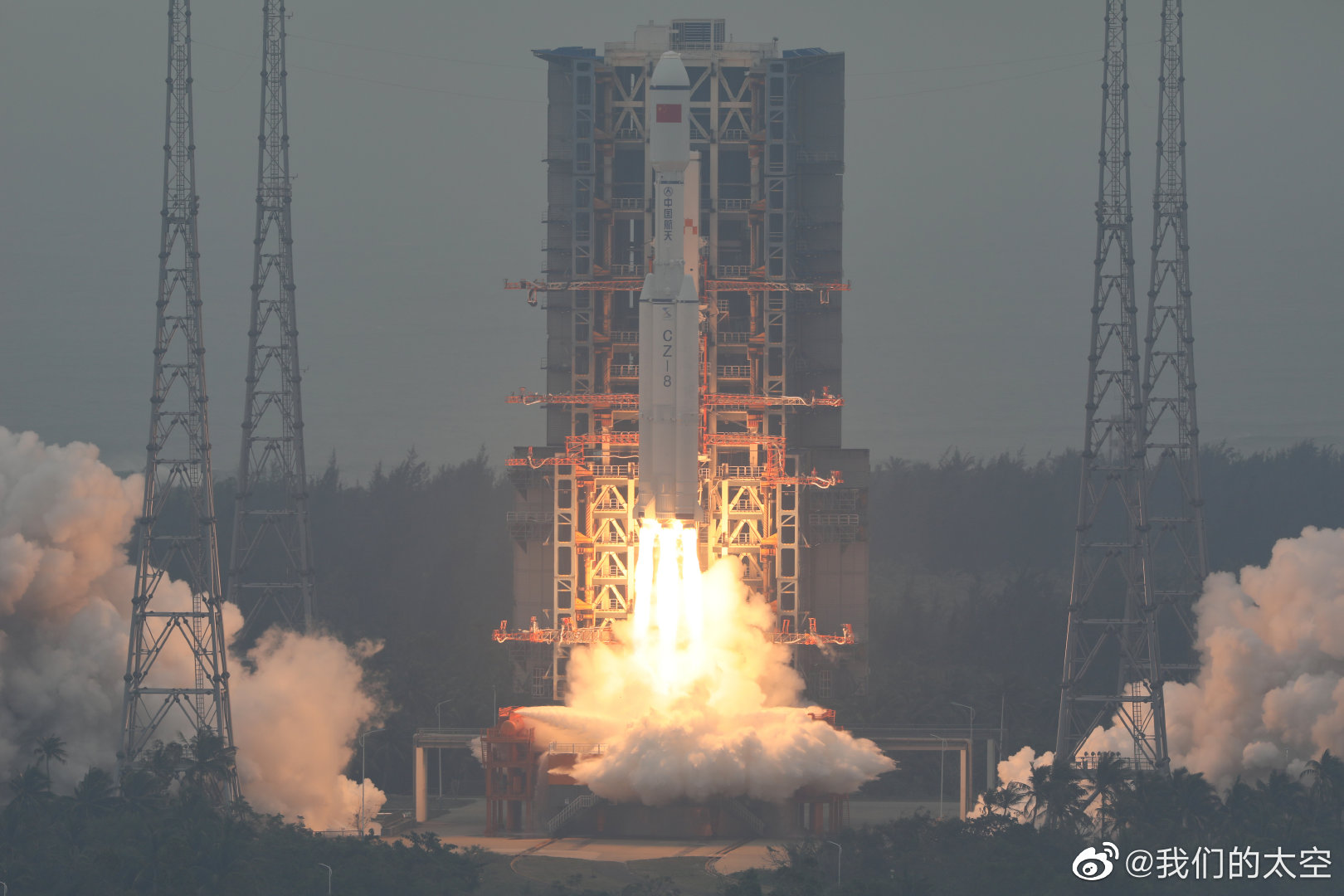
Today's highlights include the launch of a U.S. military satellite via SpaceX, a new French defense agreement for satellite services, and the Missile Defense Agency's successful ICBM target tracking with long-range radar.

SpaceX gains regulatory approval for a new Starship test flight, further expands its role in U.S. defense, and successfully launches 26 additional Starlink satellites. United Airlines also rolls out Starlink Wi-Fi on its flights.
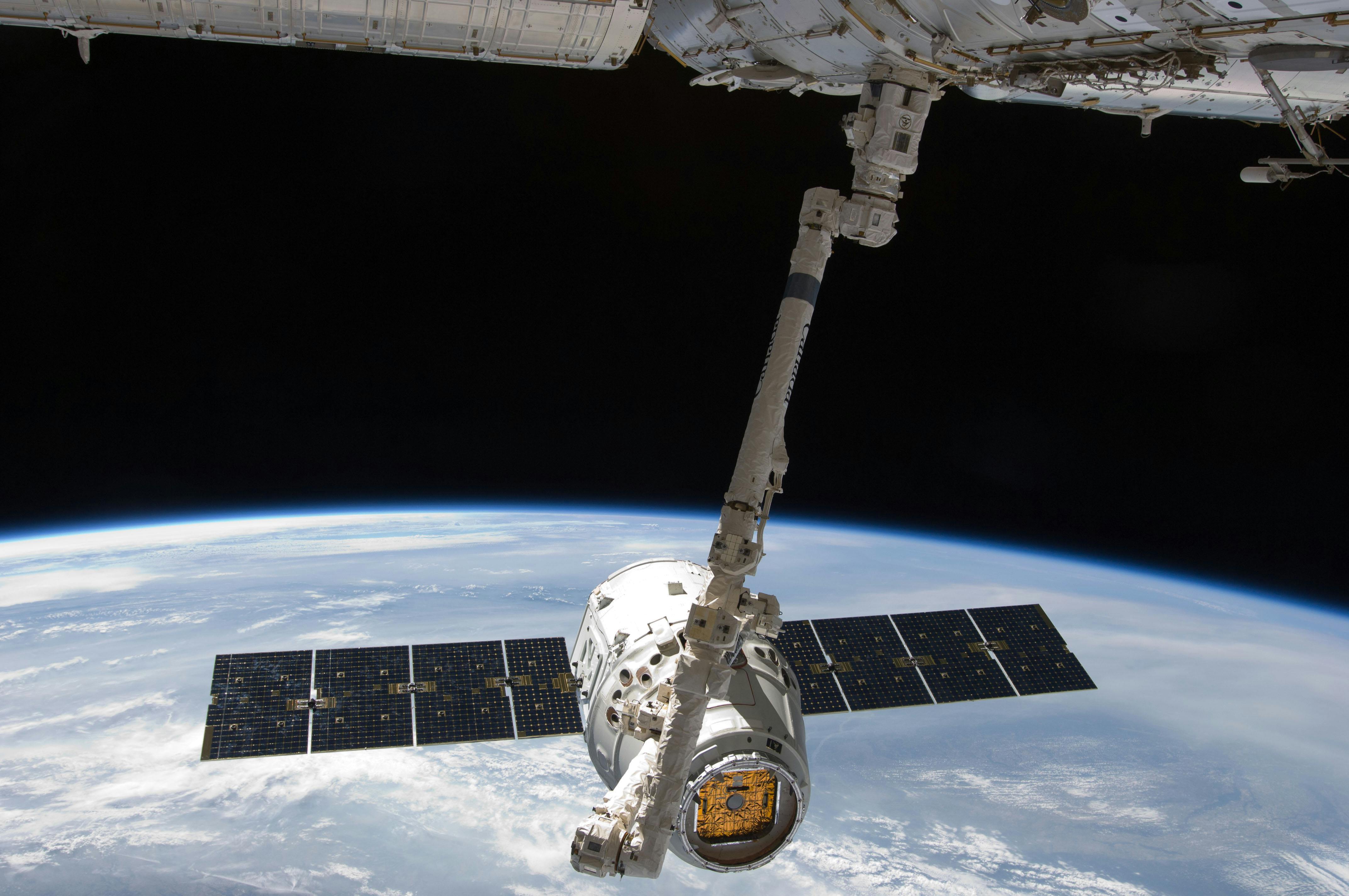
SpaceX achieves significant milestones with multiple satellite launches and ongoing challenges in rural broadband funding. Noteworthy advances in Starlink capabilities enhance international connectivity.

Fifty-four years ago, a Saturn V rocket lifted off carrying three astronauts determined to prove America could still reach the Moon after the near-disaster of Apollo 13
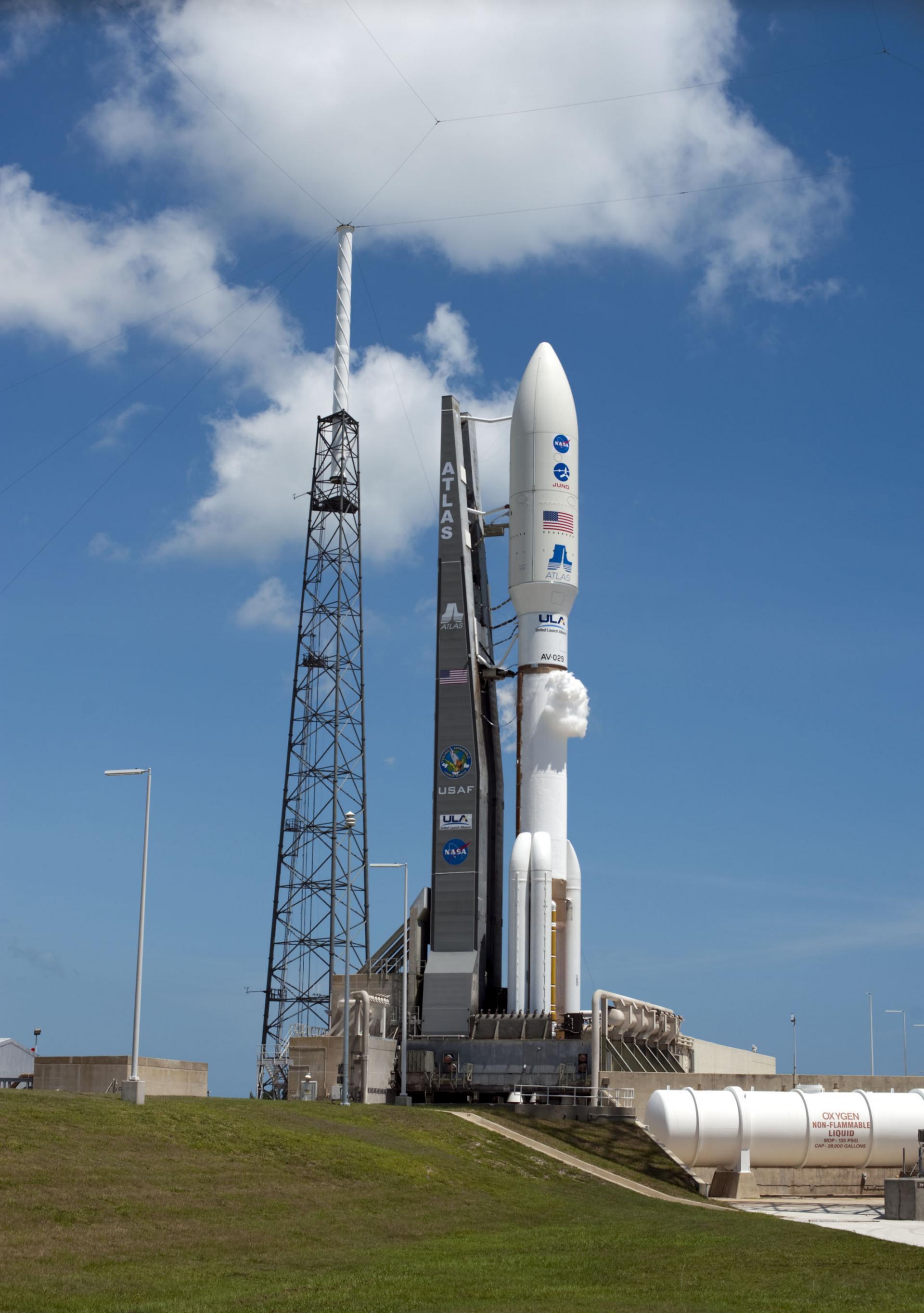
Today's brief covers closer military and intelligence space integration, new satellite servicing advancements, and more insightful defense and space news.

SpaceX successfully launched 23 Starlink satellites using a new Falcon 9 rocket, marking a significant milestone for the company as it expands its satellite internet constellation.